Introduction to Lime Posset
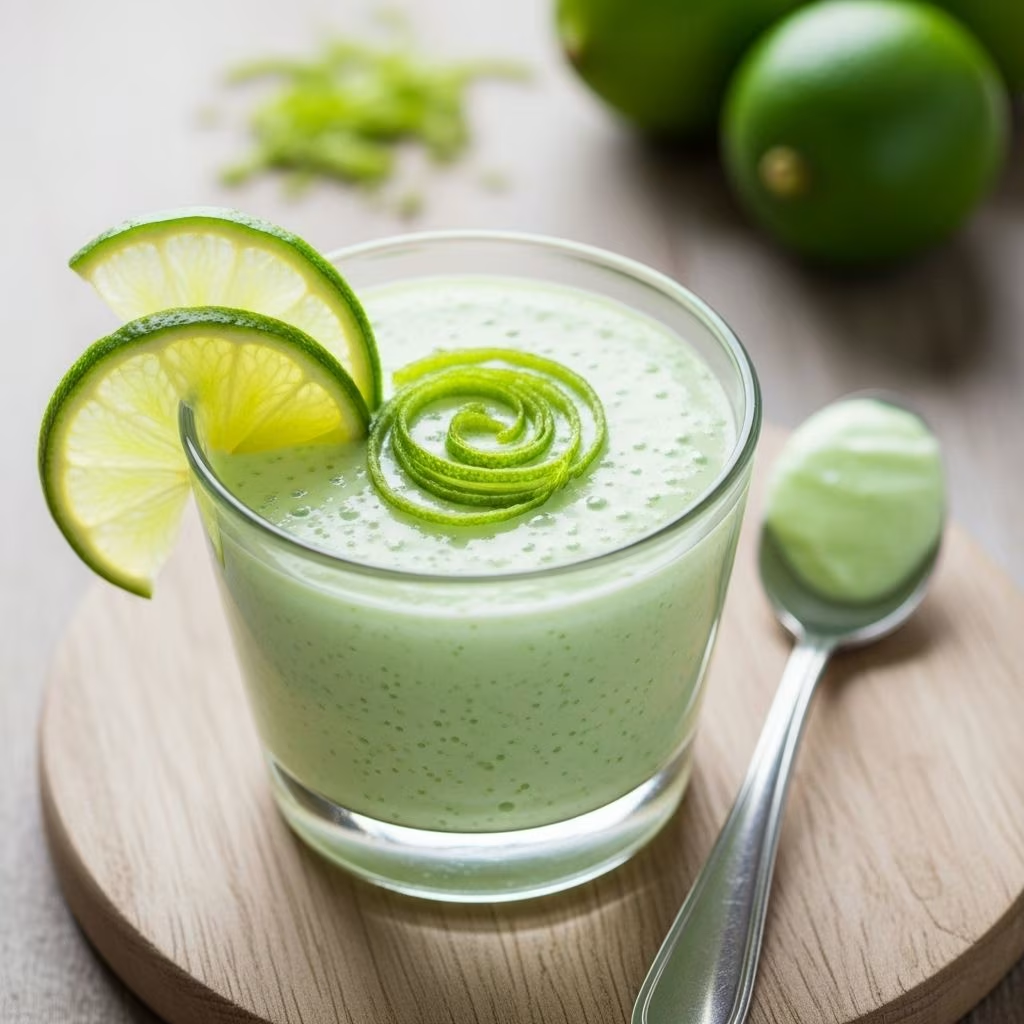
Lime posset stands out as a creamy, citrus-infused dessert that elegantly balances simplicity and indulgence. Hailing from English culinary tradition, posset has evolved from its medieval roots as a curdled milk drink to a chilled, set dessert beloved for its velvety texture and bright flavor. This guide explores lime posset in depth—including its rich history, essential techniques, full recipe, and creative serving ideas—showcasing why it deserves a spot in every dessert repertoire.
What is Posset?
Historically, posset refers to a spiced milk drink curdled with ale or wine, popular in England from the Middle Ages through the Renaissance. Shakespeare referenced possets in several plays, making it a literary as well as culinary artifact. The addition of alcohol led to culinary curdling, creating a restorative drink. Modern posset, however, is a rich, set dessert created by gently cooking cream and sugar, then flavoring and thickening with citrus juice. This transformation, aided by refrigeration, makes posset luxuriously thick yet deceptively simple to prepare.
- Traditional posset: Milk curdled with ale or wine, sweetened and spiced.
- Modern posset: Sweetened cream set with lemon, lime, or other citrus juice.
- Texture: Silky, smooth, and spoonable.
Why Lime Posset?
Lime posset offers a refreshing alternative to the classic lemon version, adding a lively tang and subtle bitterness that perfectly complements the dessert’s richness. The distinctive aroma of fresh limes elevates this dessert—while the acidity is crucial for setting the posset. This modern twist invites experimentation: try with key limes for intensified flavor or combine lime with lemon for a nuanced citrus experience.
Key Ingredients for Lime Posset
| Ingredient | Role in the Recipe | Tips |
|---|---|---|
| Heavy or Double Cream | Provides the dessert’s rich, smooth texture. | Use fresh, high-quality cream for best results. |
| Granulated Sugar | Sweetens and helps with the setting process. | Dissolve completely for a silky texture. |
| Fresh Lime Juice & Zest | Sets the posset and provides a vibrant citrus note. | Zest first, then juice for maximum flavor. |
| Graham Cracker Crumbs | Adds a pie-like crunch and flavor contrast. | Serve as a base or garnish for a “lime pie” twist. |
| Fresh Berries & Mint | Optional garnish; adds color and freshness. | Choose ripe, seasonal berries for best pairing. |
Suggested Ingredient Amounts (Serves 6)
- 16 ounces (about 2 cups) heavy or double cream
- 1/2 cup (about 100g) granulated sugar
- 5 tablespoons fresh lime juice (about 2-3 limes)
- Zest of 2-3 limes (reserve half for garnish)
- 6 tablespoons graham cracker crumbs (optional)
- Fresh berries, small lime wedges, and mint for garnish (optional)
Lime Posset Recipe: Step-by-Step Instructions
- Zest and Juice the Limes:
Zest your limes first and set aside half for garnish. Juice enough limes to yield 5 tablespoons of fresh juice. - Prepare the Cream Mixture:
In a medium saucepan, combine the cream and sugar. Heat gently over medium-high, stirring constantly until the sugar dissolves and the mixture just comes to a boil. - Boil and Thicken:
Reduce heat to medium and boil for 3 minutes, stirring to prevent overflowing. The goal is slight thickening—not a full boil—but watch closely. - Add Lime Juice & Zest:
Remove from heat and stir in the lime juice and half of the reserved zest. The mixture will thicken as the acid curdles the cream slightly. - Cool Briefly:
Let the mixture cool for 10 minutes. Meanwhile, sprinkle about 1 tablespoon of graham cracker crumbs into each serving glass or ramekin (optional). - Pour and Set:
Pour the cooled mixture into prepared glasses. Cover each with plastic wrap and refrigerate for at least one hour, preferably overnight for best texture. - Garnish and Serve:
Just before serving, top each posset with the remaining lime zest, additional graham crumbs, fresh berries, lime wedges, or mint.
Techniques & Tips for Success
- Use full-fat cream. This is essential for proper setting and the rich mouthfeel that defines posset.
- Control the boil. Monitor the cream and sugar closely to avoid boiling over; adjust heat as needed.
- Strain for ultra smoothness. If desired, strain the mixture before pouring to remove any zest and ensure a silky texture.
- Chill thoroughly. Posset needs at least 1-2 hours to set, but overnight yields the firmest texture.
- Make ahead. Posset can be prepared up to two days in advance, making it ideal for entertaining.
- Layer with graham crumbs. For a “lime pie” effect, add crushed graham crackers as a base or topping.
Variations: Key Lime & Lemon-Lime Posset
- Key Lime Posset: Substitute regular lime juice with key lime juice for an intensely tart, aromatic take. Key limes are smaller and more pungent—use when in season.
- Lemon-Lime Posset: Use equal parts lemon and lime juice and zest to create a nuanced blend of citrus notes.
Serving Suggestions
- Serve lime posset in small glasses or ramekins for an elegant presentation.
- Top with fresh berries—raspberries, blueberries, or blackberries pair beautifully.
- Add a sprig of mint or a small wedge of lime for visual appeal.
- Sprinkle extra graham cracker crumbs for texture and a nod to lime pie.
- Pair with dessert wines, such as a late harvest chardonnay, for a sophisticated finish.
Make-Ahead & Storage Information
- Refrigeration: Lime posset must be kept chilled. It can be made up to 2 days ahead of serving and holds its texture and flavor well.
- Longevity: Best consumed within 1–4 days. The flavor remains vibrant, though texture may become slightly firmer over time.
- Cover tightly: Store covered with plastic wrap to prevent absorption of fridge odors.
Frequently Asked Questions (FAQs)
Q: What is the secret to a perfectly set posset?
A: The setting depends on the acid from lime juice reacting with heavy cream and sugar. Use full-fat cream and chill thoroughly. Avoid low-fat cream, as it won’t set properly.
Q: Can I use other citrus fruits?
A: Yes, citrus is essential for the setting reaction. Lemon, grapefruit, or blood orange juices all work well—though flavors and tartness will vary.
Q: Can I make posset dairy-free?
A: Traditional posset requires dairy cream for texture and flavor. No dairy-free swaps currently replicate both the setting reaction and silky mouthfeel. For a plant-based version, consider coconut cream and experiment with setting agents (not authentic posset).
Q: Why does my posset taste grainy or not set?
- Graininess can result from overheating or undissolved sugar; ensure gentle boiling and constant stirring.
- If not set, check that you used heavy cream and enough citrus juice.
Q: Is posset gluten-free?
A: Yes, lime posset is naturally gluten-free—unless you use graham cracker crumbs or other wheat-based toppings.
History and Evolution: From Drink to Dessert
Posset dates back centuries, originally valued as a warming, restorative drink. A blend of milk, ale or wine, sugar, and spices, posset was frequently referenced in English literature, including works by Shakespeare. Over time, the recipe transformed into a dessert as refrigeration and new ingredients (like citrus) became available. Today’s version is marked by its sophisticated texture and simple elegance, positioning posset alongside puddings, custards, and panna cotta as a timeless favorite.
Nutrition Information
| Serving Size | Calories | Fat (g) | Sugar (g) | Protein (g) |
|---|---|---|---|---|
| 1 ramekin (approx. 4 oz) | About 340 | 28 | 18 | 2 |
This is a rich dessert best enjoyed in small portions; serve with fruit or crunchy toppings to balance its luxurious texture.
Expert Tips & Tricks
- Presentation matters: Use clear glasses to showcase layers of cream and graham cracker, or serve with brightly colored fruit for contrast.
- Customize the acidity: Adjust the lime juice to your taste—more for tartness, less for mellow flavor.
- Double for entertaining: The recipe easily scales up, making it ideal for parties and events.
- Ideal for summer: The bright, heated citrus and cold, creamy texture make lime posset perfect for warm-weather dining.
- Recipe notes: Key limes in season will deliver a unique tartness, and the lemon-lime blend provides subtle complexity.
Lime Posset vs. Traditional Puddings and Custards
| Characteristic | Lime Posset | Pudding/Custard |
|---|---|---|
| Setting Agent | Citrus acid reaction | Eggs, starches (cornstarch, gelatin) |
| Cooking Time | 10–15 minutes, plus chilling | Often longer, requires gentle cooking and further baking |
| Ingredients | Cream, sugar, lime | Milk/cream, sugar, eggs, flavorings |
| Texture | Silky, thick, not heavy | Smooth, sometimes dense or gelatinous |
| Ease | Very easy, few steps | Requires more precise technique (temper eggs, avoid curdling) |
Conclusion: Why You Should Make Lime Posset
Lime posset combines the best of traditional English dessert making—luxurious mouthfeel, vibrant flavors, effortless technique, and elegant presentation. With only a handful of ingredients and minimal prep, you can create a dessert that appeals to the eye, palate, and sense of culinary history. Its adaptability, make-ahead convenience, and crowd-pleasing flavor make lime posset the perfect finale for any meal, from informal gatherings to special occasions.