Classic Oyster Dressing: A Flavorful Holiday Tradition
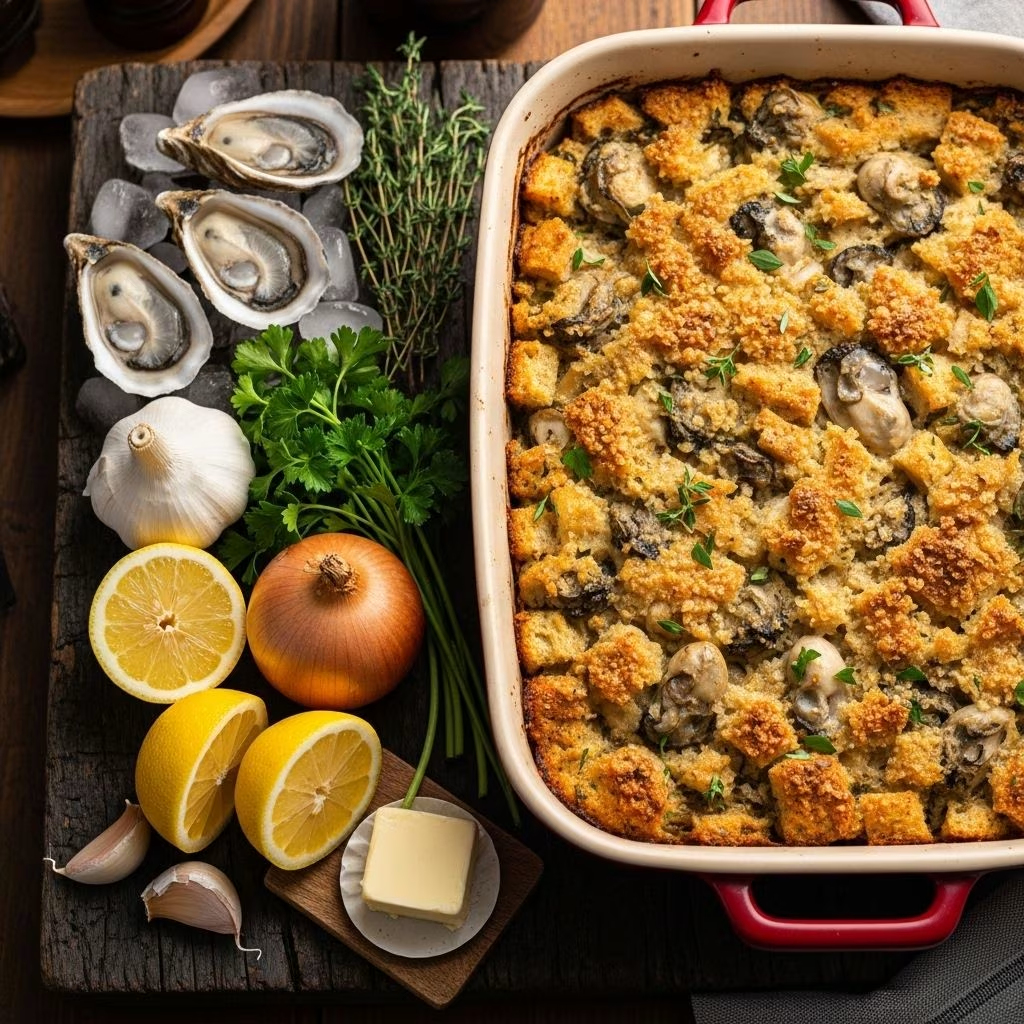
Oyster dressing stands as one of the most treasured Southern holiday dishes—a recipe steeped in history, flavor, and family tradition. Whether you call it oyster stuffing or oyster dressing, this savory bake brings together briny oysters, aromatic herbs, tender bread, and vegetables to create the perfect accompaniment for turkey, roast chicken, or festive ham. In this article, we’ll explore the background of oyster dressing, discuss essential ingredients, present a detailed step-by-step recipe, and provide variations and tips for making your dressing unforgettable.
History and Origins of Oyster Dressing
The tradition of oyster dressing dates back to the nineteenth century, when oysters were a plentiful and affordable protein on the Atlantic and Gulf coasts. The use of oysters in holiday stuffings became especially popular in the American South, New England, and Mid-Atlantic regions—areas where oyster beds thrived and their distinct, briny flavor became a beloved seasonal treat.
In the South, oyster dressing is often baked as an accompaniment to Thanksgiving, Christmas, or other festive feasts. Unlike many stuffings that are placed inside the bird, oyster dressing is typically baked in a casserole dish. This allows for a gloriously crispy top and soft, flavorful interior. Over generations, families have refined their recipes, making oyster dressing an enduring symbol of Southern hospitality and creative home cooking.
Key Ingredients for Oyster Dressing
While there are numerous interpretations and family secrets, the foundation of a great oyster dressing rests on a simple set of principles and ingredients. Here are the essentials:
- Oysters: Use fresh, shucked oysters with their liquor for authentic flavor. Jarred, canned, or freshly shucked from the shell all work—just ensure they are high-quality and well rinsed.
- Breads: A combination of crumbled cornbread and dry white or Italian bread provides the dressing’s hearty texture. Let bread cubes dry out to soak up maximum flavor.
- Vegetables: Celery and onions supply the essential aromatic base. Some recipes add bell peppers or leeks for complexity.
- Butter: Adds moisture, richness, and flavor—melted to sauté vegetables and moisten bread.
- Herbs & Seasonings: Sage, thyme, parsley, and black pepper are staples. Poultry seasoning is common; some versions add Creole or Cajun spices for a Southern punch.
- Eggs: Bind the mixture and provide structure, resulting in a sliceable, custardy finish.
- Liquid: Chicken or turkey broth keeps the dressing moist and flavorful. Oyster liquor or a splash of cream can also be added for richness.
| Ingredient | Purpose | Possible Substitutes |
|---|---|---|
| Oysters | Briny flavor, main protein | Cooked shrimp, mushrooms (for non-seafood) |
| Cornbread | Main base, subtle sweetness | All white bread, gluten-free cornbread |
| White/Italian Bread | Texture, bulk | French bread, sourdough |
| Celery | Crunch, herbal note | Leeks, fennel |
| Onions | Sweetness, depth | Shallots, green onions |
| Butter | Moisture, richness | Olive oil, margarine |
How to Make Oyster Dressing Step-by-Step
The following step-by-step guide draws on classic Southern and traditional oyster dressing techniques. The result is a hearty, flavorful dish that strikes the perfect balance between moist and crisp.
Ingredients
- 1 quart (about 2 pints) fresh oysters, with liquor
- 2 cups crumbled cornbread (homemade or store-bought)
- 4 cups dry white bread, cubed (let sit out overnight or toast lightly)
- 1 cup unsalted butter (2 sticks)
- 2 cups chopped yellow onions (about 2 medium)
- 2 cups chopped celery (about 4 stalks)
- 1 cup chicken or turkey broth (more as needed)
- 3 large eggs, beaten
- 2 tablespoons chopped fresh parsley
- 1 tablespoon fresh sage (or 1 tsp dried)
- 1 teaspoon poultry seasoning
- 1 teaspoon kosher salt
- 1 teaspoon freshly ground black pepper
Instructions
- Prepare the Bread: Cut both cornbread and white bread into small cubes. Arrange in a single layer on a baking sheet and let air-dry overnight or toast in a 275°F oven for 15–20 minutes. The bread should be dry and crisp.
- Sauté the Vegetables: Melt butter in a large skillet over medium heat. Add chopped onions and celery and cook, stirring occasionally, until soft and translucent, about 8 minutes.
- Mix the Base: In a large bowl, combine dried bread cubes and sautéed vegetables (with the melted butter included).
- Add the Flavor: Sprinkle in chopped parsley, sage, poultry seasoning, salt, and black pepper. Toss until the seasoning is well distributed.
- Add Wet Ingredients: Pour in the chicken or turkey broth and beaten eggs. Gently toss the mixture until well combined and moist. Add more broth if the mixture looks dry (it should hold together but not be soupy).
- Fold in the Oysters: Gently fold in the oysters and about half their reserved liquor. Be careful not to break up the oysters completely for best texture. Taste and adjust seasoning if needed.
- Bake: Preheat oven to 375°F (190°C). Spoon the dressing mixture into a buttered 9×13-inch casserole dish. Spread evenly and drizzle any remaining melted butter on top for crispiness. Bake uncovered for 35–45 minutes, or until golden brown on top and set in the center.
- Rest and Serve: Allow the dressing to cool for 10 minutes before serving. This helps it set and makes it easier to slice or spoon.
Make Ahead Tips
- Bake the cornbread up to two days in advance and store covered at room temperature.
- Prepare and chop all vegetables, then refrigerate until ready.
- The dressing can be assembled the night before and chilled; bake just before serving for the best results.
Recipe Variations and Personal Touches
Oyster dressing is highly adaptable. Personalize the dish using seasonal ingredients, regional flavors, or family traditions:
- Bacon or Sausage: Add a few slices of diced, cooked bacon or sausage to enhance richness.
- Herbs: Try rosemary, thyme, basil, or a dash of sage for different flavor profiles.
- Vegetables: Diced bell peppers, carrots, or mushrooms lend color and earthiness.
- Creole or Cajun Spice: Swap poultry seasoning for Creole or Cajun seasoning for a spicy Southern kick.
- Mushroom Soup: For a creamier dressing, add a can of mushroom soup as seen in some Southern recipes.
- Stuffing the Bird: If you prefer, stuff some or all of the dressing in your turkey—just ensure it’s fully cooked through (165°F internal temperature).
Serving Suggestions and Tips
- Serve oyster dressing alongside roast turkey, glazed ham, or roast chicken as part of your main holiday spread.
- Garnish with fresh parsley, chopped green onions, or even a few fried oyster pieces for a finishing touch.
- Leftovers are delicious—simply reheat in the oven covered with foil, or enjoy cold as part of a next-day sandwich.
Moisture Control
Achieving the perfect dressing texture is all about balance:
- For a moister dressing, add extra broth or some of the oyster liquor until the mixture is quite damp before baking.
- For a crispier top, bake uncovered and finish with a brief broil if needed.
- If the mixture is runny, add more bread cubes a handful at a time until you reach the desired consistency.
Frequently Asked Questions (FAQs)
What is the difference between stuffing and dressing?
Stuffing refers to a bread mixture cooked inside the cavity of the bird, whereas dressing is baked separately in a dish. Ingredients can be identical; it’s mostly a matter of regional terminology and cooking style.
Can I make oyster dressing ahead of time?
Yes. Oyster dressing can be assembled in advance and refrigerated overnight (cover tightly). Bake just before serving. If baking directly from the refrigerator, allow extra time to ensure it heats through evenly.
Can I freeze oyster dressing?
Oyster dressing does not freeze optimally, as cooked oysters can develop a rubbery texture. However, leftovers will keep in the refrigerator for up to three days.
What kind of oysters are best?
Fresh, shucked oysters (with liquor) yield the best flavor and texture. If fresh oysters are unavailable, high-quality jarred or canned oysters are suitable alternatives.
How do I prevent the dressing from being bland?
Season every layer—bread, vegetables, and liquid—generously with salt, pepper, and herbs. Taste before baking and adjust as needed.
Can this recipe be made gluten-free?
Yes. Use gluten-free cornbread and bread, and check your broth and seasonings for gluten-containing additives.
Conclusion
Oyster dressing is more than a side dish—it’s a celebration of heritage, family, and the bounty of the season. Its distinctive combination of briny oysters and golden, herbed bread has graced holiday tables for generations and continues to invite new variations and traditions today. Whether you’re making your first or fiftieth batch, oyster dressing’s comforting aroma and delectable flavor guarantee its place at the heart of your holiday feast.
References
- https://www.pauladeen.com/recipe/oyster-dressing-2/
- https://stacylynharris.com/southern-favorite-oyster-dressing/
- https://www.thepioneerwoman.com/food-cooking/recipes/a11893/thanksgiving-dressing-recipe/
- https://www.backyardchickens.com/threads/does-anyone-have-a-good-oyster-dressing-they-are-willing-to-share.597480/
- https://www.thepioneerwoman.com/food-cooking/recipes/a10407/oyster-dressing/