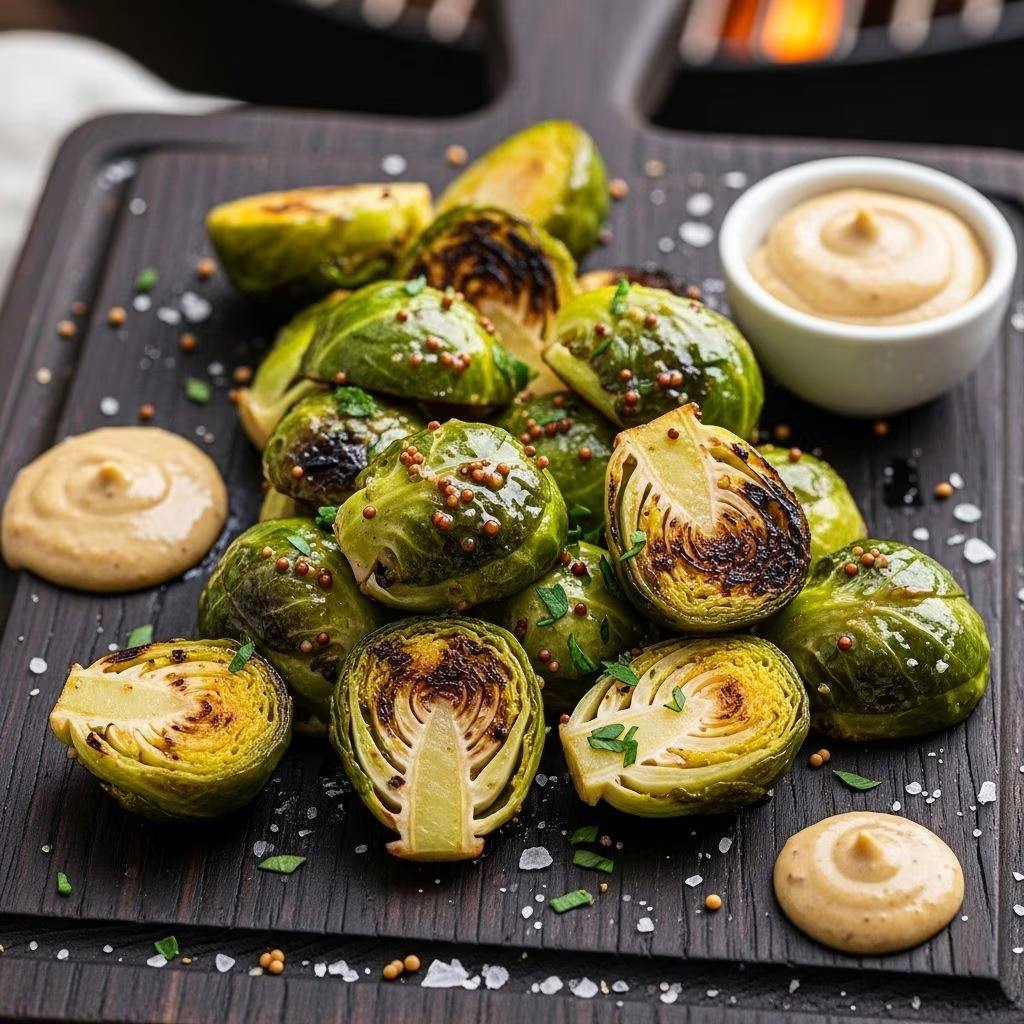
The journey to delicious Brussels sprouts often begins with a healthy dose of skepticism. Once known for bitterness and blandness, Brussels sprouts have earned renewed popularity with the introduction of high-heat cooking methods and bold flavors. Grilling these compact greens and coating them in a tangy mustard sauce unlocks a new dimension—smoky, crispy, and deeply complex, this dish transforms a once-maligned vegetable into a crowd favorite. Below, we explore the techniques, science, and personal reflections that prove just how good Brussels sprouts can be.
From Aversion to Appreciation: The Brussels Sprout Makeover
Many cooks harbor memories of brussels sprouts that are bitter, mushy, and unappealing. Commonly boiled and finished with basic seasonings, these initial experiences do little to mollify the natural bitterness inherent to sprouts. The realization that grilling can revolutionize their flavor is nothing short of revelatory. Charring creates complex flavors while mellowing harsh notes, offering textural contrast and irresistible smoky edges.
The pivotal discovery was simple: embrace techniques that minimize bitterness and add robust, assertive flavors. Mustard, with its spicy tang, is an ideal partner for Brussels sprouts, cutting through any residual bitterness while adding a rich, savory depth.
The Science and Secret to Crispy Brussels Sprouts
Brussels sprouts possess a dense core, which challenges even heat penetration. Boiling or steaming alone often leaves the center undercooked while the outer leaves soften excessively. Grilling alone is insufficient to fully cook sprouts through before charring the exterior, creating a mismatch between texture and doneness.
To solve this, a two-step process is preferred:
- Par-cooking: Briefly microwaving the sprouts with water begins the cooking process inside, softening their dense cores and reducing total grilling time.
- High-heat grilling: Placing sprouts directly over hot coals caramelizes the edges, crisps the surfaces, and introduces smoky undertones.
Why Mustard?
The use of Dijon mustard in both the pre-grill and post-grill stages compounds flavor and ensures a robust, tangy coat on each sprout. Mustard’s acidity, heat, and mild bitterness enhance the savory notes of the caramelized vegetables, creating a profile that is rich, complex, and exceptionally satisfying.
How to Grill Crispy Mustard Brussels Sprouts
Below is a detailed method, incorporating best practices for prepping, par-cooking, seasoning, and grilling Brussels sprouts to perfection. Each technique serves a specific role in creating the ultimate crispy bite.
Ingredients
- 1 pound Brussels sprouts
- 1/4 cup water
- 1/4 cup extra virgin olive oil
- 2 tablespoons Dijon mustard (Country Dijon preferred)
- 1/2 teaspoon kosher salt
- Freshly ground black pepper, to taste
Preparation Steps
- Prep the Brussels Sprouts: Rinse thoroughly, trim off stems, and remove any damaged or dark outer leaves. Cut a shallow cross (X) into the bottom of each sprout and split them in half. This exposes more surface area for seasoning and ensures even cooking.
- Par-cook via Microwave: Place sprouts in a large microwave-safe bowl with 1/4 cup water. Cover with a damp paper towel and microwave on high for four minutes. This initiates tenderness and reduces overall grilling time.
- Prepare the Mustard Sauce:
- In a separate bowl, whisk together the olive oil, Dijon mustard, salt, and black pepper until fully combined.
- Toss Sprouts with Sauce: Drain the microwave-steamed sprouts and pour the mustard sauce over them. Toss thoroughly, ensuring every sprout is coated.
- Preheat the Grill: Use a full chimney of charcoal and spread the coals evenly. When hot (ashen gray), set the cooking grate in place, cover, and allow to preheat for five minutes.
- Grill: Oil the grill grate lightly. Arrange the mustard-coated sprouts on the grill. Grill for 4-5 minutes per side, flipping once, until browned and slightly charred in spots. Watch carefully to prevent burning—char should enhance, not overpower, the flavor.
- Final Toss and Serve: Place the grilled sprouts back in the bowl with the reserved remaining mustard sauce. Toss gently to re-coat and serve immediately for optimal crispness.
Tips for Success and Variation
- Consistent Sizing: Select sprouts of similar size for even cooking. Halve larger ones to match smaller sizes, ensuring every piece cooks through without burning.
- Don’t Overcrowd: Space out the sprouts on the grill to encourage charring and prevent steaming.
- Experiment with Mustard Types: Try spicy brown, whole grain, or honey mustard to vary the flavor profile. Adjust salt and acid accordingly to maintain balance.
- Finishing Touches: A final squeeze of lemon, a sprinkle of flaky sea salt, or a drizzle of aged balsamic can heighten the contrast in flavors.
- Extra Crunch: Add toasted nuts or seeds after grilling for textural variety.
Serving Suggestions
Grilled mustard Brussels sprouts shine as both a side dish and a plant-forward featured plate. They pair beautifully with grilled meats, roasted poultry, or as part of a vegetarian spread. Their punchy flavor profile makes them universally appealing, even among professed sprout skeptics.
- Serve hot, directly from grill to table, for maximum crispiness.
- Pair with creamy accompaniments—whipped feta, herbed yogurt, or garlicky aioli—for contrasting textures.
- Fold into grain bowls or salads for added depth and smokiness.
- Experiment with stir-frying leftovers in a hot pan with additional olive oil or butter for day-two enjoyment.
Troubleshooting and Expert Insights
Even experienced cooks sometimes struggle with burnt exteriors or undercooked centers. Here are targeted solutions:
- If centers are too hard: Increase par-cooking time in the microwave or steam for an extra minute before grilling.
- If exteriors burn before centers finish: Move sprouts to indirect heat after initial charring to finish more gently.
- If mustard sauce separates: Whisk vigorously before each use and add a small splash of vinegar if needed to stabilize.
- If bitterness remains high: Use younger, milder Brussels sprouts and ensure adequate charring without blackening. Serve with a sweet or creamy sauce to mellow flavor.
The Case for Char: Unlocking Flavor Chemistry
High-heat grilling activates several key flavor pathways:
- Maillard Reaction: Proteins and sugars in the sprouts caramelize, imparting nuttiness and savory complexity.
- Smoke Infusion: Natural sugars and fats exposed to grill flames create aromatic compounds, contributing to depth unattainable via other cooking methods.
- Acidity Balance: Mustard brings a bright, sharp accent that lifts the deep base notes of smoky sprouts.
Nutritional Notes
Brussels sprouts are rich in vitamin C, folate, and dietary fiber, with powerful antioxidants and anti-inflammatory compounds. Grilling maintains much of their nutrient content while introducing a satisfying, low-calorie crunch—making this dish an excellent addition to balanced diets.
Flavor and Texture Table: Brussels Sprouts Cooking Methods Compared
| Method | Texture | Flavor | Bitterness |
|---|---|---|---|
| Boiling | Soft, often mushy | Mild, can be bland | High |
| Roasting | Crispy exterior, creamy center | Sweet, caramelized | Low-Moderate |
| Grilling | Crispy, charred exterior, juicy center | Smoky, savory, complex | Low |
Frequently Asked Questions (FAQs)
Are grilled Brussels sprouts less bitter than boiled ones?
Yes. Grilling caramelizes natural sugars and mellow bitterness, unlike boiling, which can emphasize strong, bitter flavors.
Do I need to microwave or steam the sprouts before grilling?
Yes, briefly microwaving (or steaming) ensures the dense centers are tender when the outsides reach that coveted crisp-charred state.
Can I make this dish on a gas grill?
Absolutely. Preheat your gas grill on high and follow the same procedure, turning sprouts as needed for even charring.
What if I don’t have Dijon mustard?
Substitute with spicy brown, whole grain, or even honey mustard, adjusting flavors to taste. The complexity will change, but the tang remains essential.
How do I store and reheat leftovers?
Store in an airtight container in the fridge for up to two days. Reheat in a hot skillet or oven to restore some crispness; microwaving will soften them further.
Are Brussels sprouts healthy?
Yes—they are rich in vitamins C and K, dietary fiber, and anti-inflammatory compounds. Grilling preserves most nutrients while keeping added fats moderate using olive oil-based sauces.
Final Thoughts: A New Era for Brussels Sprout Lovers
Approaching Brussels sprouts with confidence, high heat, and bold seasoning can rewrite even the most entrenched aversions. Grilled crispy mustard Brussels sprouts deliver far more than nutrition: they offer smoky crunch, tangy brightness, and a gardening of flavors that convert skeptics into loyalists. Don’t be afraid of the char—embrace it, and watch this humble vegetable command a starring role at your next gathering.