The Science and Art of Brining Shrimp
Shrimp is one of the most popular and versatile seafood ingredients, prized for its sweet, mild flavor and quick-cooking nature. Yet, shrimp can easily become rubbery, mushy, or bland if not prepared with care. One chef-approved secret to perfectly cooked shrimp—whether grilled, sautéed, or boiled—is a simple brine. Brining not only seasons the shrimp more thoroughly but can also significantly enhance its texture. In this guide, you will learn why and how brining works, the best techniques for different results, and expert-backed tips for consistently delicious shrimp.
Why Brine Shrimp? The Science Explained
Brining, a process of soaking proteins in a seasoned solution, is well known for its success with poultry and pork. When applied to shrimp, brining achieves two key outcomes:
- Improved moisture retention. Salt helps the muscle proteins to better trap water, resulting in plumper, juicier shrimp after cooking.
- Enhanced seasoning. The brine seasons shrimp more thoroughly than surface-only seasoning methods, making even the smallest shrimp flavorful throughout.
- Crisper, snappier texture. Incorporating a small amount of baking soda in the brine helps maintain the shrimp’s signature snap and prevents mushiness.
Key Reactions: How Brining Changes Shrimp
On a molecular level, salt partially dissolves shrimp muscle proteins such as myosin, allowing them to bind with water molecules more effectively. The addition of baking soda (sodium bicarbonate), which is alkaline, slightly raises the pH of the muscle tissue. This increase in pH makes it harder for these proteins to contract too tightly, preventing the tough, rubbery texture that often plagues overcooked shrimp. The result: shrimp that remain tender and juicy, with a crisp snap, after cooking.
Essential Ingredients for a Shrimp Brine
- Kosher Salt: The foundation of any good brine. Choose a coarse, additive-free kosher salt to avoid overly salty or metallic flavors.
- Baking Soda: Just a pinch is needed to yield a firmer, springier bite.
- Water: The majority of the brining solution.
- Optional Aromatics: Add herbs, spices, lemon peel, or garlic for nuanced flavors, if desired.
| Ingredient | Amount (per pound of shrimp) | Purpose |
|---|---|---|
| Kosher Salt | 1 tsp | Seasoning, moisture retention |
| Baking Soda | ⅛ tsp | Firmness, texture improvement |
| Water | 1 cup | Solvent, even distribution |
| Optional aromatics | To taste | Flavor additions |
Step-by-Step: How to Brine Shrimp
- Prepare the brine. In a large bowl, dissolve 1 teaspoon of kosher salt and ⅛ teaspoon of baking soda in 1 cup of cold water for every pound of shrimp you plan to brine.
- Add aromatics (optional). You may include a few sprigs of fresh herbs, some sliced garlic, lemon zest, or even a pinch of ground spices for extra flavor. Stir to combine.
- Submerge the shrimp. Add peeled and deveined raw shrimp to the brine, ensuring they are fully submerged. If using shell-on shrimp, the results are still significant but slightly less pronounced.
- Chill briefly. Cover the bowl and refrigerate for 15–60 minutes, depending on size. Small shrimp require as little as 15 minutes; extra-large/jumbo shrimp can rest in the brine for up to an hour.
- Drain and pat dry. Remove the shrimp from the brine, pat thoroughly dry with clean paper towels, and proceed with your cooking method of choice. Avoid rinsing, as this removes flavor.
Time Table: Shrimp Size vs. Brining Time
| Shrimp Size | Brine Time |
|---|---|
| Small (51–60 per lb.) | 10–15 minutes |
| Medium (36–40 per lb.) | 15–20 minutes |
| Large (21–25 per lb.) | 20–30 minutes |
| Jumbo (11–15 per lb.) | 30–60 minutes |
Salt Versus Baking Soda: Why Both?
Both kosher salt and baking soda serve distinct functions in the brine. Salt seasons throughout and allows shrimp to retain more of its internal moisture, reducing dryness. Baking soda—used sparingly—prevents the muscle proteins from tightening too much, maintaining a plumper, crisper bite. Don’t be tempted to increase the baking soda; too much can make the shrimp taste ‘soapy’ or chemically.
Brining Do’s and Don’ts
- Do use cold water and keep the shrimp cold during brining for food safety.
- Do use the right ratio of salt and baking soda per pound of shrimp; more is not better.
- Do drain the shrimp well and pat them dry before cooking to enhance browning and prevent steaming.
- Don’t brine for more than one hour; longer brines can make shrimp excessively salty and affect texture adversely.
- Don’t rinse the shrimp after brining, as this dilutes the flavor benefit.
- Don’t skip drying the shrimp, no matter the cooking method. Excess moisture interferes with caramelization in sautéed, grilled, or roasted preparations.
Does Brining Work for Frozen Shrimp?
Absolutely. Most shrimp sold in supermarkets are flash-frozen at sea and then thawed for retail. Brining can be used whether shrimp are fresh or previously frozen. Thaw frozen shrimp overnight in the refrigerator or under cold running water before brining. Avoid brining still-frozen shrimp, as the solution will not penetrate evenly.
Shrimp Cooking Methods Post-Brine
Brined shrimp is especially well suited to high-heat methods (grilling, broiling, sautéing) but benefits all cooking methods. Brief brining infuses flavor and enhances texture for:
- Grilled shrimp: Achieves a pronounced snap and less risk of overcooking.
- Sautéed shrimp: More even browning, juiciness, and flavor absorption.
- Steamed or boiled shrimp: Seasoned through and through, less blandness, improved succulence.
- Oven-roasted shrimp: Enhanced browning and seasoning.
Brined shrimp can be marinated after brining, but reduce or omit added salt in the marinade to prevent over-seasoning.
Peeling and Deveining: Before or After Brining?
Shrimp can be brined either peeled or shell-on. Brining peeled shrimp allows the solution to penetrate more effectively and improves seasoning throughout. However, brining shell-on shrimp is still beneficial, especially for recipes where shrimp are cooked in the shell for flavor or presentation. If shell-on, increase brining times up to the maximum recommended for size.
Troubleshooting: Common Brining Problems
- Shrimp are too salty: Reduce brine time and/or salt amount, or ensure brining time matches shrimp size.
- Shrimp taste metallic or soapy: Too much baking soda—use only a tiny pinch.
- Shrimp are mushy: Brining time was too long or shrimp were previously brined before purchase.
- Shrimp do not brown: Insufficient drying before cooking.
Experimenting With Aromatics
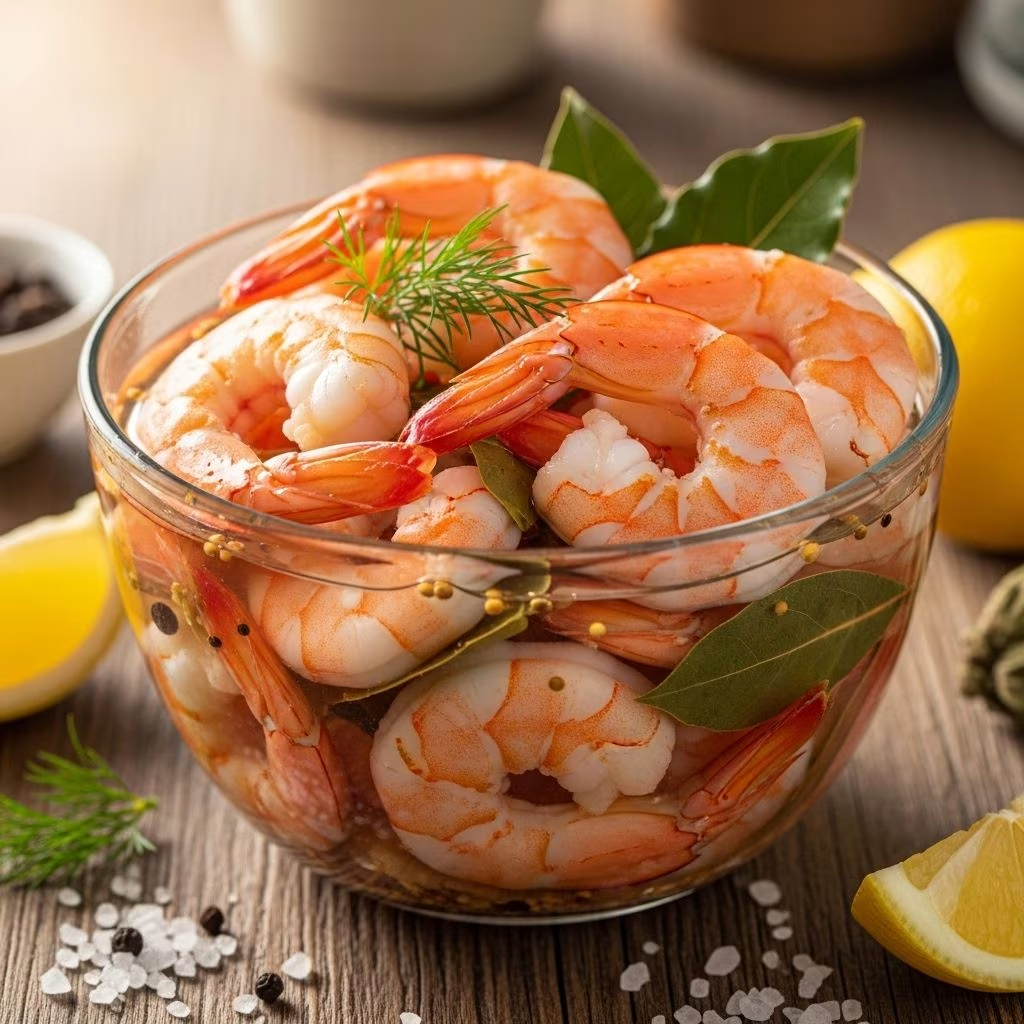
While salt is the main player in the brine, adding aromatics like bay leaves, citrus zest, peppercorns, or garlic can add subtle background flavors. Use sparingly, as shrimp’s sweet and delicate flavor can be overwhelmed easily. The most important variable remains the salt and baking soda combination.
Brining Shrimp for Dishes Around the World
Brined shrimp are a neutral canvas ideal for use in global recipes, including:
- Shrimp cocktails
- Shrimp scampi
- Shrimp tacos
- Asian stir-fries
- Spanish garlic shrimp
- Gumbo or jambalaya
This method works for any cuisine by ensuring your shrimp are seasoned, juicy, and have great texture right from the start.
Frequently Asked Questions (FAQs)
How long should I brine shrimp?
Brining times depend on size: 10–15 minutes for small shrimp, 15–20 minutes for medium, 20–30 minutes for large, and 30–60 minutes for jumbo. Do not exceed the recommended time.
Can I use table salt instead of kosher salt?
Table salt is finer and more concentrated than kosher salt. If substituting, use about half the amount and avoid iodized varieties, which can impart off-flavors.
Should shrimp be brined before or after peeling?
Brining peeled shrimp is more effective, but shell-on shrimp still benefit substantially. If using shell-on, extend brine time slightly.
Is it possible to over-brine shrimp?
Yes. Over-brining can lead to a salty or rubbery texture. Always brine within the recommended duration for your shrimp’s size.
Do I need to adjust salt in the recipe after brining shrimp?
Yes—reduce or omit salt in marinades, seasonings, or sauces to account for the salt absorbed during brining.
Does brining work for other types of seafood?
Brining improves texture and seasoning for scallops and some fish filets, but the effects are most dramatic with shrimp and other shellfish.
Key Takeaways
- Brined shrimp are juicier, snappier, and more flavorful than unbrined shrimp.
- The optimal brine contains 1 tsp kosher salt and ⅛ tsp baking soda per pound of shrimp.
- Keep brining times short—never more than 1 hour—and always keep shrimp cold.
- Brining is adaptable to a wide range of shrimp recipes, benefiting both texture and taste.
Recommended Shrimp Brining Technique
For every pound of raw shrimp:
- Combine 1 cup cold water, 1 tsp kosher salt, and ⅛ tsp baking soda in a bowl. Stir until dissolved.
- Add shrimp and optional aromatics.
- Chill for 15–60 minutes (per size chart).
- Drain and dry shrimp completely before cooking.
By embracing this simple, science-backed brining technique, you’ll elevate your shrimp dishes to restaurant quality, every single time.