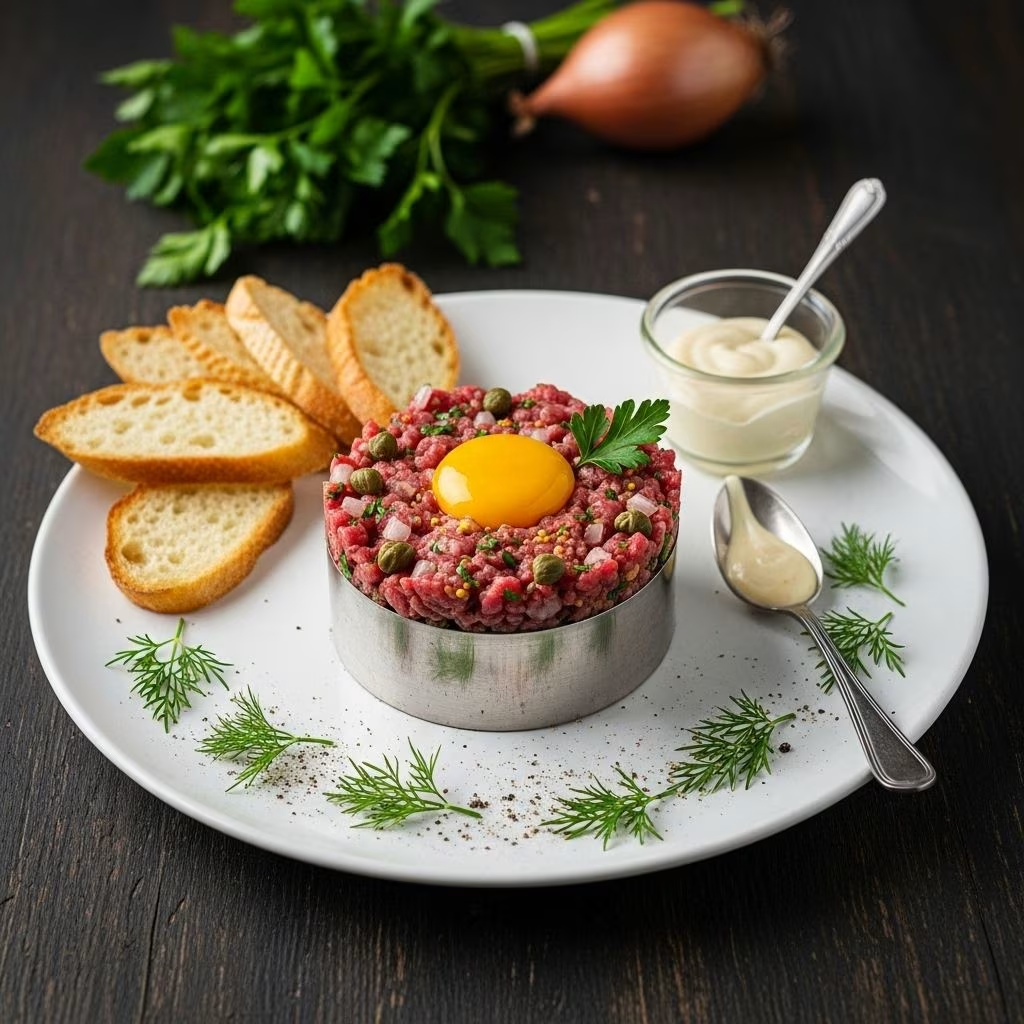
Steak tartare—raw minced beef seasoned with classic French ingredients—has long been a hallmark of bistro dining and culinary craftsmanship. While it carries an aura of cosmopolitan sophistication, with the right knowledge and technique, steak tartare can become an unforgettable dish you create confidently at home. This comprehensive guide will walk you through every step: from sourcing the best beef and prepping ingredients, to mastering seasoning, texture, and safe handling. Prepare to discover how simple and sublime this iconic appetizer can be.
What Is Steak Tartare?
Steak tartare is a French dish made from finely chopped or minced raw beef, mixed with spices, condiments, and usually garnished with a raw egg yolk. It may include elements such as chopped onions, capers, cornichons, mustard, Worcestershire sauce, and fresh herbs. Deeply savory and delicately seasoned, steak tartare is prized for its tender texture, bright flavors, and the pure taste of quality beef.
- Origin: France or Belgium, evolved from the 20th-century luxury dining scene.
- Presentation: Commonly molded into rounds and topped with an egg yolk, served alongside toast points or fries.
- Flavor Profile: Clean, savory beef; tangy and herbal from garnishes; creamy from egg yolk.
Safety: How to Make Steak Tartare Safely at Home
Raw beef dishes like steak tartare require careful handling to minimize foodborne illness risk. While countless restaurants serve tartare safely, replicating professional standards at home hinges on vigilance in sourcing and sanitation.
Key Safety Tips
- Only use whole, intact cuts of beef: Avoid ground beef. Opt for a whole steak, which is less susceptible to contamination than pre-ground meat.
- Buy from trusted sources: Purchase from a reputable butcher or high-quality grocer with strong food safety practices.
- Keep it cold: Always chill beef prior to cutting and serving. Cold temperatures inhibit microbial growth and make slicing easier.
- Clean equipment: Wash hands, knives, cutting boards, bowls, and all utensils thoroughly before and after handling raw beef.
- Cut away surface areas: If concerned, trim away the outer surfaces of your steak, as bacteria are more likely found there.
- Serve immediately: Prepare tartare just before eating; do not leave raw beef at room temperature.
Following these steps makes serving steak tartare at home as safe as it is in top-tier restaurants .
Best Beef Cuts for Steak Tartare
The cut of beef you choose will define your tartare’s flavor and texture. Tenderness, lean character, and fresh flavor are crucial, as the meat stands alone without searing or sauce to hide imperfections.
- Top Recommendations:
- Beef tenderloin (filet mignon): Supremely tender, subtle flavor, classic for tartare.
- Top sirloin: Adds flavor, excellent texture, slightly more affordable.
- Strip steak (New York strip): Firm texture, robust taste if trimmed well.
- Tips: Select a steak with minimal connective tissue and marbling. Extra fat can become waxy when uncooked, and sinew is deeply unpleasant.
- Ask your butcher for help trimming or portioning beef for tartare if unsure.
Cutting the Beef: Hand Chopped vs. Ground
Beef for tartare can be hand chopped or, in a pinch, pulse-chopped in a food processor. The method shapes texture, mouthfeel, and overall eating quality:
- Hand Chopping: Use a very sharp chef’s knife. Start by cutting the cold steak into 1/4-inch slices, then matchsticks, then crosswise into tiny dice (about 1/8 to 1/4 inch). Hand chopping preserves texture and prevents the mushy uniformity of machine-ground beef .
- Food Processor: For larger batches or for efficiency, pulse the steak carefully—short bursts, only until roughly chopped. Over-processing will yield a paste rather than tender dices.
| Method | Pros | Cons |
|---|---|---|
| Hand Chopped | Superior texture, classic presentation, preserves flavor | More time-consuming, requires knife skills |
| Food Processor | Fast, consistent dice | Easy to over-process; can create mushy/mealy texture |
How to Season Steak Tartare: Classic Ingredients & Variations
The seasoning matrix for steak tartare is part chemistry, part art. Traditional French style balances richness with acidity, salinity, and spice. Customization is common—here’s a breakdown of essentials and optional twists:
- Egg yolk: Raw, creamy, often served either incorporated or as a topper.
- Dijon mustard: Classic, adds sharpness.
- Shallots: Finely minced, sweet/oniony accent.
- Capers: Salty brine, tangy pop.
- Worcestershire sauce: Umami boost, savory depth.
- Fresh herbs: Parsley, chives, tarragon—bright, green lift.
- Cornichons or pickles: Finely chopped, for crunch and tartness.
- Hot sauce: Optional but adds piquancy.
- Salt and pepper: Essential for balance; season generously.
Ingredient Table: Traditional vs. Modern Additions
| Traditional | Modern Twists |
|---|---|
| Dijon mustard | Yuzu kosho |
| Shallots | Microgreens |
| Capers | Toasted sesame oil |
| Parsley/chives | Smoked salt |
| Raw egg yolk | Caviar |
Step-By-Step Instructions: Classic Steak Tartare
- Sourcing the Beef: Visit a reputable butcher and ask for whole steak (tenderloin, sirloin, or strip). Keep the steak very cold from store to kitchen.
- Chilling: Place the steak in the freezer for 10-20 minutes before preparing. This firms the meat for easier slicing and inhibits bacteria.
- Trimming: Using a clean, sharp knife, trim away any fat, sinew, or silverskin. Square the edges for easy dicing.
- Knife Work: Slice the steak into thin slabs (1/4-inch), then into matchsticks, then into small cubes (no bigger than 1/4-inch). Keep everything cold as you work.
- Mixing: Place chopped beef in a chilled bowl. Add finely minced shallots, capers, cornichons, herbs, mustard, Worcestershire sauce, and a drizzle of olive oil.
- Seasoning: Season generously with salt and freshly ground black pepper. Mix gently to avoid mashing the cubes.
- Egg Yolk: For a classic touch, form tartare into mounded rounds with a shallow indentation; carefully slide a fresh raw egg yolk on top just before serving.
- Serving: Serve immediately, paired with crisp toast points, baguette, or fries.
Optional Flavor Upgrades
- Hot sauce or chili flakes for heat.
- Finely grated lemon zest for brightness.
- Microgreens or arugula for garnish.
- Parmesan or other sharp cheese shavings for richness.
How to Serve Steak Tartare
Presentation amplifies the impact of steak tartare:
- Mold the tartare using a pastry ring for a professional look.
- Top with an egg yolk or finely chopped herbs.
- Arrange toast points, chips, or fries around the tartare for contrast in texture.
- Accompany with chilled wine or Champagne for a special touch.
How to Pair & Enjoy Steak Tartare
- Drinks: Lighter reds (Beaujolais, Pinot Noir), dry rosé, sparkling wines, pilsner-style beer.
- Side Dishes: French fries (frites), simple salads (arugula, lemon vinaigrette), or crudités.
Variations: Tuna Tartare and Vegan Alternatives
Classic steak tartare inspires modern riffs:
- Tuna tartare: Substitute high-quality sushi-grade tuna, seasoned with sesame oil, soy sauce, scallions, and citrus.
- Vegetarian tartare: Use finely diced roasted beets or mushrooms, seasoned with similar flavorings to maintain the tartare spirit.
Frequently Asked Questions (FAQs)
Q: Is steak tartare safe to eat at home?
A: Yes—when using high-quality whole cuts of beef, keeping everything cold, cleaning all equipment, and consuming the dish promptly, steak tartare can be safely prepared and enjoyed at home.
Q: What beef cut is best for steak tartare?
A: Beef tenderloin is the most traditional due to its tenderness, but top sirloin and strip steak are also excellent if trimmed well.
Q: Can I prepare tartare ahead of time?
A: Steak tartare should be prepared and served immediately. If necessary, you can chop toppings ahead of time but do not mix in the raw beef until just before serving.
Q: What can I serve with tartare?
A: Serve tartare with crispy bread, fries, or crackers, and pair with light-bodied red wines, dry whites, or Champagne.
Q: Are there alternatives for raw egg yolk?
A: Yes, you can omit the egg yolk or use pasteurized eggs. Alternatively, try a drizzle of olive oil for richness.
Essential Takeaways for Home Cooks
- Buy only the freshest, highest-quality beef from a trusted supplier.
- Hand chop your beef for the best texture, keeping everything cold.
- Mix tartare just before serving and season assertively.
- Get creative with garnishes and serving options while following fundamental safety guidelines.
Related Recipes & Resources
- Classic Ahi Tuna Poke – a seafood riff on tartare
- Homemade French Fries – the perfect crunchy side
- Technique: Knife Skills for Raw Dishes – learn how to dice proteins safely and efficiently
Final Thoughts
Steak tartare brings the essence of the finest beef to the fore, spotlighting simplicity, quality, and precise seasoning. With this guide, you can honor tradition, unleash culinary creativity, and share the magic of tartare with friends and family at your own table.