Puerto Rican Sofrito: The Green Heart of Caribbean Flavor
Few ingredients define Puerto Rican cooking as profoundly as sofrito, the vibrant, aromatic green blend that forms the foundation of countless classic dishes. From steaming pots of arroz con gandules to hearty stews and comforting beans, sofrito is the behind-the-scenes star infusing meals with depth and home-cooked soul. This guide explores the history, essential ingredients, traditional techniques, and expert tips to help you craft authentic Puerto Rican sofrito for your own kitchen.
What is Sofrito?
Sofrito is a blended mixture of fresh herbs, peppers, onions, and garlic, transformed into a bright green, highly aromatic seasoning base. Used at the start of cooking, often sautéed in oil, it builds the unmistakable backbone of flavor distinctive to Puerto Rican and broader Latin Caribbean cuisine.
The word “sofrito” comes from the Spanish verb sofreír, meaning to gently fry something, referencing the initial step of sauteing these ingredients before adding other elements to the dish. While variations exist across the Spanish-speaking world (notably in Spain, Cuba, and the Dominican Republic), Puerto Rican sofrito is uniquely herb-forward, featuring culantro, cilantro, peppers, garlic, and onions.
The Role of Sofrito in Puerto Rican Cooking
Sofrito is more than a flavor base; it’s a pillar of cultural identity. Passed down from kitchens of abuelas to next generations, sofrito represents heritage, resourcefulness, and ingenuity. Nearly every savory Puerto Rican dish—stews, meat braises, rice, beans, even some salsas—starts with sofrito. Its bold aroma is, for many, the scent of home. Beyond Puerto Rico, variations appear throughout the Caribbean and Latin America, but the island’s recipe stands out for its green color, distinctive use of culantro (recao), and peppery sweetness from aji dulce peppers.
Core Ingredients of Puerto Rican Sofrito
| Ingredient | Purpose | Notes |
|---|---|---|
| Culantro (Recao) | Herbaceous, aromatic, slightly peppery | Long, serrated leaves; essential for authenticity |
| Cilantro | Bright, fresh, citrusy | Stems and leaves are both used |
| Aji Dulce | Slightly sweet, floral, mild | Small Caribbean pepper; not spicy |
| Bell Peppers | Mild sweetness and body | Red, green, and cubanelle preferred |
| Onions | Bite and pungency | Yellow or white onions most common |
| Garlic | Robust, foundational aroma | Used generously |
| Olive Oil (optional) | Smooth blending, richer flavor | Used sparingly or omitted |
Other optional ingredients such as sweet peppers, cubanelle peppers, capers, or olives occasionally appear in some family variations. However, the heart of the recipe is always rooted in abundant fresh herbs, peppers, garlic, and onions.
Why Culantro Matters: The Defining Herb
Culantro, also known as recao, is not simply a cousin of cilantro—it is the flavor linchpin of Puerto Rican sofrito. With its sturdy, jagged leaves and intense aroma, it imparts an earthy, almost wild green note that distinguishes authentic sofrito from substitute blends. When unavailable, cooks may increase the cilantro, but traditionalists encourage every effort to locate culantro for real sabor Boricua.
Step-by-Step: Making Authentic Puerto Rican Sofrito
Making sofrito is primarily a task of prepping fresh produce and blending ingredients into the desired consistency—a chunky, pourable green puree. Here is a detailed, traditional approach informed by classic family recipes and contemporary experts.
Ingredients List
- 1 large bunch culantro (recao), rinsed and roughly chopped (about ½ lb)
- 1 large bunch cilantro, leaves and stems, roughly chopped
- 10–15 aji dulce peppers, stems and seeds removed
- 2–3 cubanelle peppers (or green bell peppers if unavailable), seeded and chopped
- 1 large red bell pepper, seeded and chopped
- 1 large yellow or white onion, peeled and chopped
- 1 head garlic (about 10–14 cloves), peeled
- Optional: ½ cup olives and 1 tablespoon capers, pitted and rinsed
- Optional: 1–2 tablespoons extra-virgin olive oil, for texture
Directions
- Prep all ingredients: Wash and dry the herbs thoroughly. Remove tough stems and roots from culantro and cilantro. Core and seed the peppers. Chop onions and peel garlic.
- Batch blend if needed: Add the onions, garlic, and a variety of peppers to a large food processor or blender. Pulse until roughly chopped and beginning to combine. Work in batches if your equipment is smaller.
- Add herbs: Next, add the culantro and cilantro (stems included), continuing to pulse until the mixture becomes a bright green, thick, but pourable puree. Stop several times to scrape down the bowl.
- Check texture: Sofrito is traditionally chunky, not a fine liquid. It should resemble thick salsa or applesauce—smooth, but not watery.
- Add optional oil, olives, or capers: For richer flavor and easier blending, add oil sparingly. If using olives or capers, incorporate them at this stage and pulse again.
- Store properly: Spoon sofrito into clean glass jars with tight lids, or freeze in ice cube trays for convenience. Fresh sofrito stores safely in the fridge for up to a week and in the freezer for several months.
Visual Guide: The Color and Texture of Sofrito
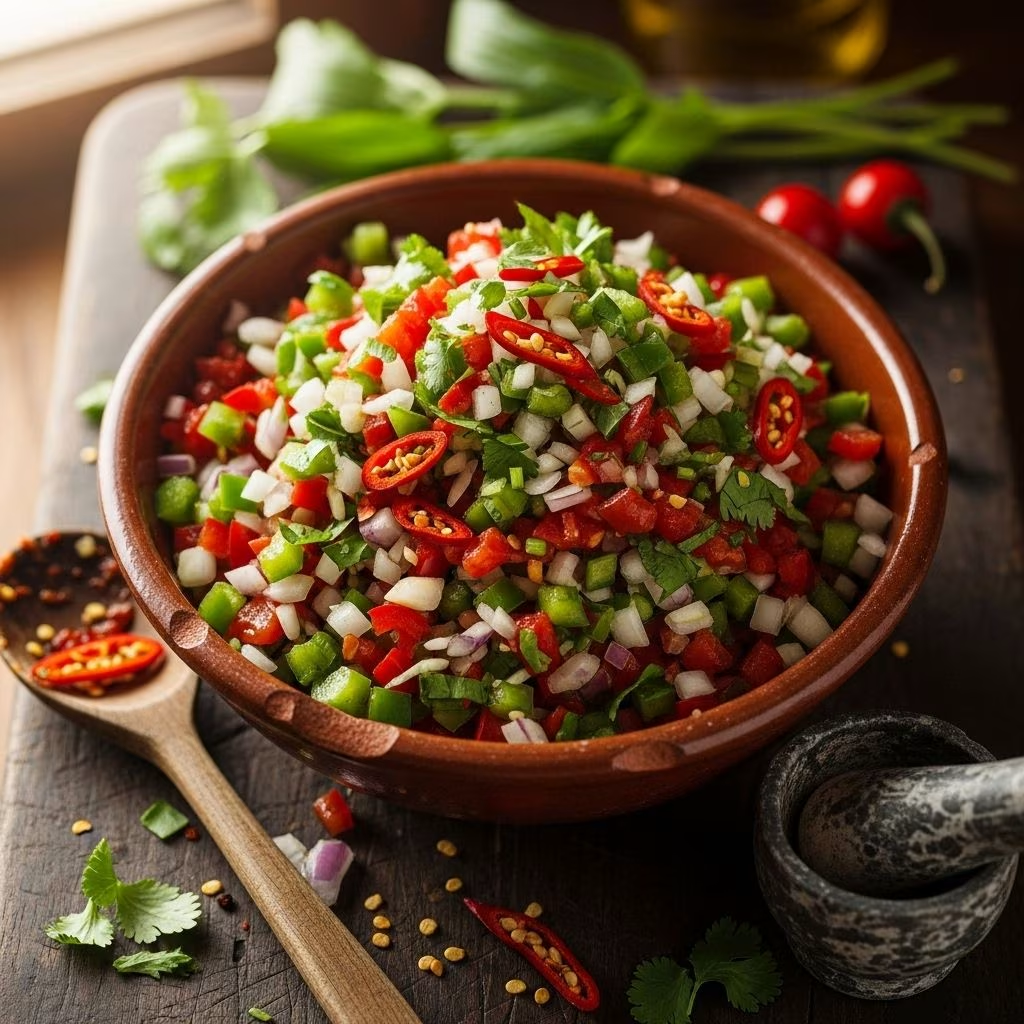
Authentic Puerto Rican sofrito boasts a vibrant green hue, flecked with bits of herbs and pepper. When blended, the aroma should be sharp and herbal, slightly sweet from the aji dulce and bell peppers. Resist making your sofrito too watery; a coarse, spoonable consistency is ideal for sautéing and infusing dishes.
Variants and Adaptations
Sofrito’s adaptability allows for minor modifications, reflecting what’s available in your local market:
- If you can’t find culantro: Double the cilantro, but realize the taste profile shifts.
- Aji dulce unavailable: Substitute with a combination of sweet mini bell peppers. Do not use spicy peppers—they change the dish completely.
- Cubanelle or bell peppers: Both work for volume and sweetness. Cubanelle is milder and slightly more savory.
- Alliums: Red onions can substitute for white or yellow in a pinch, adding subtle sweetness.
Traditionalists may refuse to accept substitutions, but in practice, these alternatives ensure the essence of sofrito can be enjoyed anywhere.
Storing Sofrito for Everyday Cooking
Sofrito is typically made in large batches and stored for weeks of flavorful cooking. Here’s how:
- Refrigeration: Up to one week in a clean, airtight glass jar.
- Freezing: Portion sofrito into ice cube trays. Freeze, then transfer cubes into a sealed freezer-safe bag. Each cube is about one tablespoon, perfect for quick use.
- Tip: Dedicate an ice cube tray only for sofrito—the bold aroma is persistent and hard to remove.
How to Use Sofrito: Culinary Applications
Sofrito’s versatility is reflected in its use across the Puerto Rican kitchen and beyond:
- Arroz con Gandules: The iconic rice and pigeon peas dish begins by frying sofrito in oil before layering rice and meat.
- Beans, Stews, and Soups: Sofrito provides foundational flavor for habichuelas guisadas (stewed beans), sancocho (root vegetable stew), and hearty meaty dishes.
- Meat Dishes: Slow-cooked pork, beef, or chicken absorb sofrito’s flavor when marinated or braised with it.
- Sauces & Salsas: Some tomato-based sauces start with sofrito sautéed in oil to build complexity.
Start recipes by heating oil in a pan and frying sofrito until fragrant—typically one to three tablespoons per dish, or to taste. This initial ‘blooming’ is the secret to deeper, layered flavor throughout the meal.
Common Mistakes and Expert Tips
- Don’t overblend: Avoid a watery, thin puree by pulsing rather than blitzing ingredients non-stop.
- Don’t skip the green herbs: The distinctive color and freshness depend on generous herbs—skimping changes both appearance and flavor.
- Store in glass, not plastic: Sofrito can stain and scent plastic containers permanently.
- Label batches: Fresh and frozen sofrito can look similar to other sauces. Date and label containers to maintain freshness and avoid mix-ups.
- Make sofrito a family ritual: Many cooks gather relatives for the prep work, turning it into a social, joyful activity that also stocks the freezer for months.
FAQ: Frequently Asked Questions About Puerto Rican Sofrito
Q: Can I use only cilantro if I can’t find culantro?
A: While cilantro provides a similar flavor note, it is not as earthy or bold as culantro. For best results, increase the cilantro but expect a slight change in authenticity.
Q: Are aji dulce peppers spicy?
A: No, aji dulce peppers are small, sweet, and mild. They provide sweetness and flavor without heat. Do not substitute with hot chili peppers.
Q: How long does homemade sofrito last?
A: Refrigerated in a sealed glass jar, fresh sofrito lasts up to one week. Frozen in cubes, it can last three months or longer without noticeable loss of flavor.
Q: Can sofrito be used as a salsa or dip?
A: Sofrito is a seasoning base, not a finished salsa or dip. It is raw and pungent, designed to infuse flavor during cooking rather than to be served as-is.
Q: How much sofrito should I add to a recipe?
A: For most soups, stews, and rice dishes, begin with 2–3 tablespoons of sofrito and adjust to taste. It’s best to sauté sofrito first to unlock its full flavor.
Celebrating Culture Through Food
To make sofrito is to participate in a living cultural tradition. More than a recipe, it’s an act of preservation, celebration, and, above all, sharing. Whether you’re Puerto Rican or simply inspired by its rich cuisine, mastering sofrito unlocks a world of homey, comforting, intensely flavorful meals.
Gather your herbs. Call your family. Savor the scents. This is how Puerto Rican kitchens come alive.
Frequently Asked Questions (FAQs)
Q: What makes Puerto Rican sofrito unique from other Latin variants?
A: The heavy use of culantro (recao) and the inclusion of aji dulce set Puerto Rican sofrito apart, giving it its signature green color and sweet, herbal profile.
Q: Can I add tomato to my sofrito?
A: Traditional Puerto Rican sofrito does not include tomato; however, some cooks may add a bit of tomato sauce when sautéing it for certain recipes.
Q: How do I fix watery sofrito?
A: Blend in more herbs, garlic, or peppers, or let excess moisture drain in a fine mesh strainer to achieve the desired chunky texture.