Baking Peanut Butter Bread with White Whole Wheat Flour
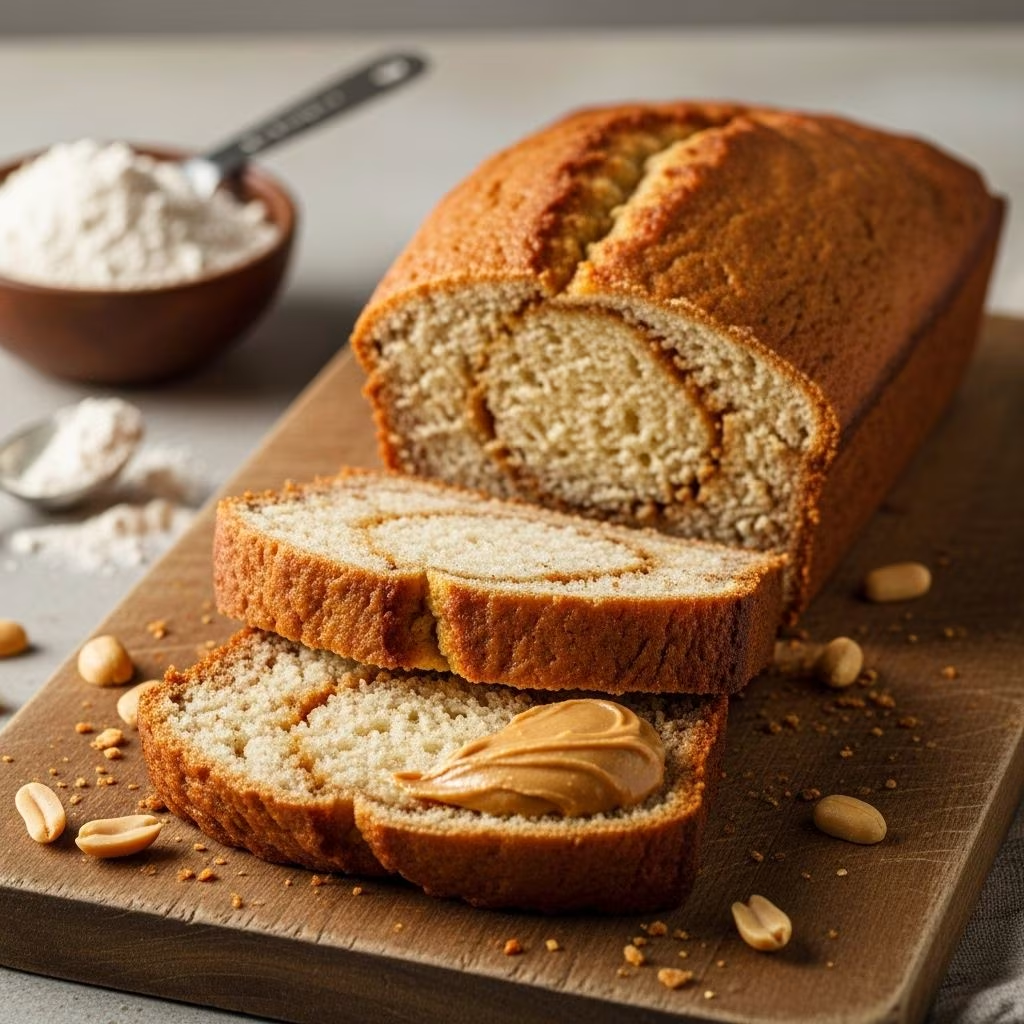
Fresh baked bread fills the kitchen with an aroma of warmth, comfort, and anticipation. Among inventive bread recipes, peanut butter bread made with white whole wheat flour stands out: it’s nutty, subtly sweet, and rich, with a wholesome texture that celebrates both whole grains and the classic, creamy flavor of peanut butter. This article walks through the process, ingredient choices, baking science, and serving tips that turn a simple loaf into a crave-worthy home staple.
Why Use White Whole Wheat Flour?
White whole wheat flour is derived from a lighter-colored strain of wheat than traditional red wheat. It has all the nutritional benefits of whole wheat—fiber, protein, and vital nutrients—yet boasts a mild flavor and lighter crumb, making it particularly well-suited for enriched breads like peanut butter bread.
- Milder Flavor: The gentle sweetness of white whole wheat flour complements peanut butter’s richness without overpowering it.
- Substantial Nutrition: It maintains the bran and germ found in whole grains, meaning more vitamins, minerals, and fiber in every slice.
- Lighter Texture: Compared to standard whole wheat, white whole wheat flour yields a loaf that is less dense and more appealing to a broader palate.
Understanding the Role of Peanut Butter in Yeasted Bread
Peanut butter isn’t just there for flavor; it’s a transformative ingredient that brings additional protein, fat, and a unique, creamy depth to the dough. However, incorporating it successfully into a yeasted loaf requires a good grasp of the underlying bread science.
- Enrichment: Peanut butter adds fat and protein, which tenderizes the crumb and helps lengthen shelf life.
- Flavor Balance: It introduces salt and subtle sweetness, amplifying the natural flavors of the wheat and any sweeteners added.
- Dough Behavior: Because peanut butter is dense and oil-rich, extra kneading and a slightly higher hydration can be helpful to ensure a supple, smooth dough.
The end result: a loaf that is moist, sliceable, and aromatic—perfect for both breakfast and snack time.
The Recipe: Overview and Key Techniques
The process for making peanut butter bread with white whole wheat flour follows time-honored breadmaking steps, with a few modern tweaks to ensure a robust rise and optimal crumb. Here is a breakdown of the essential stages and what happens at each point:
- Blooming the Yeast: Begin by activating dry yeast in warm water with a bit of sweetener, usually brown sugar or honey, to ensure a strong, reliable rise.
- Mixing: Combine white whole wheat flour, bread or all-purpose flour, and salt in a stand mixer or by hand. Whisk in the creamy peanut butter for even distribution.
- Kneading: The dough will be soft and slightly sticky—add flour a tablespoon at a time if it’s too wet. The frequent oiliness from the peanut butter disappears as the dough tightens.
- First Rise: Transfer the dough to a bowl, cover it, and let it rise until doubled in size. This usually takes about an hour in a warm kitchen.
- Shaping: Once risen, gently deflate and shape the dough into a loaf, placing it in a greased loaf pan for its second rise.
- Second Rise: Let the dough rise until it just crests over the top of the pan—30 to 45 minutes—before baking.
- Baking: Bake at a moderate temperature (around 325°F) until the loaf is golden brown and sounds hollow when tapped.
Tip: Resist the urge to rush the second rise. This is when the loaf develops its open crumb and lofty shape.
The Science Behind the Loaf: Hydration and Enrichment
Peanut butter’s natural oils affect how the dough absorbs water, so making adjustments to hydration is key. White whole wheat flour also absorbs more moisture than all-purpose flour. Aim for a dough that’s soft but not sticky—if the dough feels dry, add a teaspoon or two of water at a time during kneading. The loaf’s enrichment means neither milk nor butter is necessary—the peanut butter supplies both fat and a creamy mouthfeel.
Customizing Your Peanut Butter Bread
This base recipe is wide open to customization:
- Swirl in Jam: Spread a thin layer of raspberry or strawberry preserves over the dough before rolling it into a loaf for a peanut butter and jelly effect.
- Add Texture: Mix in toasted oats, chopped nuts, or seeds to enhance the rustic feel and flavor.
- Try Different Sweeteners: Swap brown sugar for honey or maple syrup for a pleasant twist.
- Banana Addition: For natural sweetness and moisture, mash a small banana and blend it into the dough.
- Chocolate Chips: A handful of dark or semi-sweet chocolate chips makes the loaf irresistible as an afternoon treat.
Serving Suggestions
This loaf is anything but ordinary. Here are some popular ways to serve it:
- Classic Toast: Slice thick, toast until golden, and slather with more peanut butter, honey, or softened butter.
- French Toast: Stale slices make phenomenal French toast—dredge in egg-milk mixture and fry until crisp.
- PB&J Sandwich: Take the classic school lunch to the next level by using this nutty bread for a decadent sandwich.
- Breakfast Base: Top with banana slices and a drizzle of maple syrup for a hearty breakfast.
Storage and Make-Ahead Tips
Because of the enrichment from peanut butter, this bread stays moist longer than traditional lean loaves. Here’s how to keep it fresh:
- Room Temperature: Store well-wrapped at room temperature for up to 3 days.
- Freezing: Slice the loaf and freeze in a zip-top bag; pop slices straight into the toaster for quick snacks.
- To Avoid Mold: Allow the loaf to cool completely before wrapping and storing.
Troubleshooting Common Issues
- Dense loaf? Be sure your yeast is active and don’t skimp on kneading. Enriched doughs are heavier and need thorough kneading for a good rise.
- Crumbly slices? Let the bread cool thoroughly before slicing; hot bread is structurally weak and will form messy slices.
- Flat rise? Check the freshness of your yeast and give the dough enough time to double during both rises.
Nutrition and Whole Grain Benefits
Swapping white whole wheat for standard flour boosts this bread’s fiber, vitamins, and minerals, making it a hearty, energizing start to any day. Peanut butter adds plant-based protein and healthy fats—helping you feel full and satisfied for longer. Watch portion sizes and spread choices, as this is naturally a more caloric loaf than standard sandwich bread.
Baking Timeline at a Glance
| Step | Time Needed | Notes |
|---|---|---|
| Mix & Knead Dough | 15-20 minutes | Adjust flour as needed for a supple dough |
| First Rise | 45-60 minutes | Cover and let rise until nearly doubled |
| Shape & Pan | 5-10 minutes | Deflate gently and shape into loaf |
| Second Rise | 30-45 minutes | Let loaf crest over pan |
| Bake | 35-45 minutes | Golden, hollow sound when tapped |
| Cool | At least 1 hour | Loaf continues setting, prevents soggy crumb |
Frequently Asked Questions (FAQs)
Can I use regular whole wheat flour instead of white whole wheat?
Yes, but the loaf will be denser and have a more pronounced wheat flavor. Some bakers prefer a 50/50 mix of white whole wheat and all-purpose for the best of both worlds.
Can I make this bread vegan?
Absolutely. Most basic peanut butter bread recipes are naturally vegan. Just ensure your sweetener and flour are vegan-friendly and your peanut butter doesn’t contain honey or dairy additives.
What can I substitute for peanut butter?
Sunflower seed butter, almond butter, or cashew butter work well. Note that each will lend a slightly different flavor and might require small adjustments in hydration.
Is this bread sweet or savory?
It has a subtle sweetness—more than classic sandwich bread but less than dessert loaves. It’s versatile: suitable for sweet toppings like jam and savory ones like soft cheese.
Will chunky peanut butter work?
Yes! Chunky peanut butter adds extra texture with bits of peanut, giving the loaf a rustic feel. Just make sure to distribute it thoroughly during mixing.
Conclusion: The Allure of Peanut Butter Bread
This peanut butter bread made with white whole wheat flour delivers on all fronts: wholesome, rich, and so simply satisfying. Whether enjoyed as toast for breakfast, sandwiched for lunch, or just torn warm from the loaf, it brings homemade goodness and a touch of nutty nostalgia to the table. Once you bake this bread, it might just become your new favorite way to use that jar of peanut butter in the pantry.