Satan’s Whiskers is a storied cocktail that stands out for its complexity and enduring popularity among cocktail connoisseurs. With origins stretching back at least to the early 20th century, this unique drink reflects both classic elegance and the playful experimentation of vintage bartending. Whether taken “straight” with Grand Marnier or “curled” with orange curaçao, Satan’s Whiskers is a dashing combination of gin, dual vermouths, and citrus, offset by the punch of orange bitters. This article dives deep into the legend, composition, and contemporary mastery of the cocktail.
The Origin and Historical Mystique of Satan’s Whiskers
The origins of Satan’s Whiskers are wrapped in mystery. The most definitive early reference appears in The Savoy Cocktail Book from 1930, compiled by Harry Craddock. Like many entries in the Savoy, the exact inventor remains unclear, as Craddock largely curated existing recipes instead of claiming them as originals. The drink’s unusual structure sets it apart: it is neither a classic sour, nor an aromatic, nor a direct descendant of the Negroni or the Martini. Its very name reflects a certain devil-may-care sense of humor common to the cocktail culture of its era.
The drink’s devilish moniker, coupled with its unique blend of ingredients, established it quickly as a bartender’s favorite—a showcase for skill and balance. Two versions developed almost simultaneously: the “straight,” using Grand Marnier for a deeper, more sumptuous backbone, and the “curled,” which substitutes orange curaçao for a brighter, more citrus-driven profile.
Understanding the Ingredients
Satan’s Whiskers is renowned for its harmonious, almost paradoxical mix of sweet, dry, and bitter notes. Each ingredient performs a precise role:
- Gin: Typically a London Dry gin. Its botanical backbone forms the structural core, preventing the drink from veering into dessert territory.
- Sweet (Italian) Vermouth: Adds rich, herbaceous sweetness.
- Dry (French) Vermouth: Balances the sweet vermouth with dryness and floral notes.
- Orange Liqueur: Either Grand Marnier (in the “straight” version) or orange curaçao (in the “curled”). Grand Marnier offers a brandy-rich depth, while curaçao supplies crisp, clear orange flavors.
- Fresh Orange Juice: Elevates the whole cocktail with brightness and fresh acidity. Only freshly squeezed juice is recommended.
- Orange Bitters: Amplifies the citrus profile and rounds out the drink with aromatic complexity.
| Ingredient | Purpose | Notes |
|---|---|---|
| Gin | Structure, botanical balance | London Dry preferred for clarity |
| Sweet Vermouth | Sweetness, herbal depth | Italian styles, e.g., Carpano, Cinzano |
| Dry Vermouth | Dryness, aromatic lift | Use fresh, well-chilled French vermouth |
| Grand Marnier / Orange Curaçao | Orange depth or brightness | Grand Marnier = richer; Curaçao = lighter |
| Fresh Orange Juice | Acidity, fruitiness | Only fresh-pressed—never boxed |
| Orange Bitters | Bitter, aromatic balance | Regan’s, Angostura, or house-made |
Straight vs. Curled: Exploring Both Versions
Satan’s Whiskers is almost unique in that two official versions exist, and both are regarded as authentic. The “straight” version calls for Grand Marnier, providing warmth and velvety depth from its Cognac base. The “curled” version, substitutes orange curaçao, rendering the cocktail brighter and more focused on zesty citrus notes.
Bartenders and enthusiasts still debate fiercely which version is superior, but most agree both are worthy. The “straight” may appeal more in winter, while the “curled” is perfect for warmer months. Purists aim to use only fresh, high-quality ingredients—each component noticeably impacts the flavor profile.
Official Proportions for Each Version
- Straight: Grand Marnier as the orange liqueur.
- Curled: Orange curaçao instead of Grand Marnier.
- Some aficionados also distinguish by bitters quantity—the “straight” gets a single dash, while the “twisted” or “curled” version uses as much as a teaspoon (about 6 dashes), creating a bolder, spiced finish.
How to Mix Satan’s Whiskers: A Step-by-Step Guide
The execution of this cocktail is as important as the ingredients. Devilish complexity in the glass depends on proper measures, chilling, and blending. Here is a professional method:
Ingredients:
- 1 oz (30ml) London Dry Gin
- 0.5 oz (15ml) Italian (Sweet) Vermouth
- 0.5 oz (15ml) French (Dry) Vermouth
- 0.5 oz (15ml) Grand Marnier (or quality orange curaçao for the “curled” version)
- 0.5 oz (15ml) Fresh Orange Juice
- 1 dash (“straight”) or 6 dashes / 1 tsp (“curled”) Orange Bitters
Instructions:
- Combine all ingredients in a cocktail shaker filled with ice.
- Shake vigorously until well-chilled (10–15 seconds).
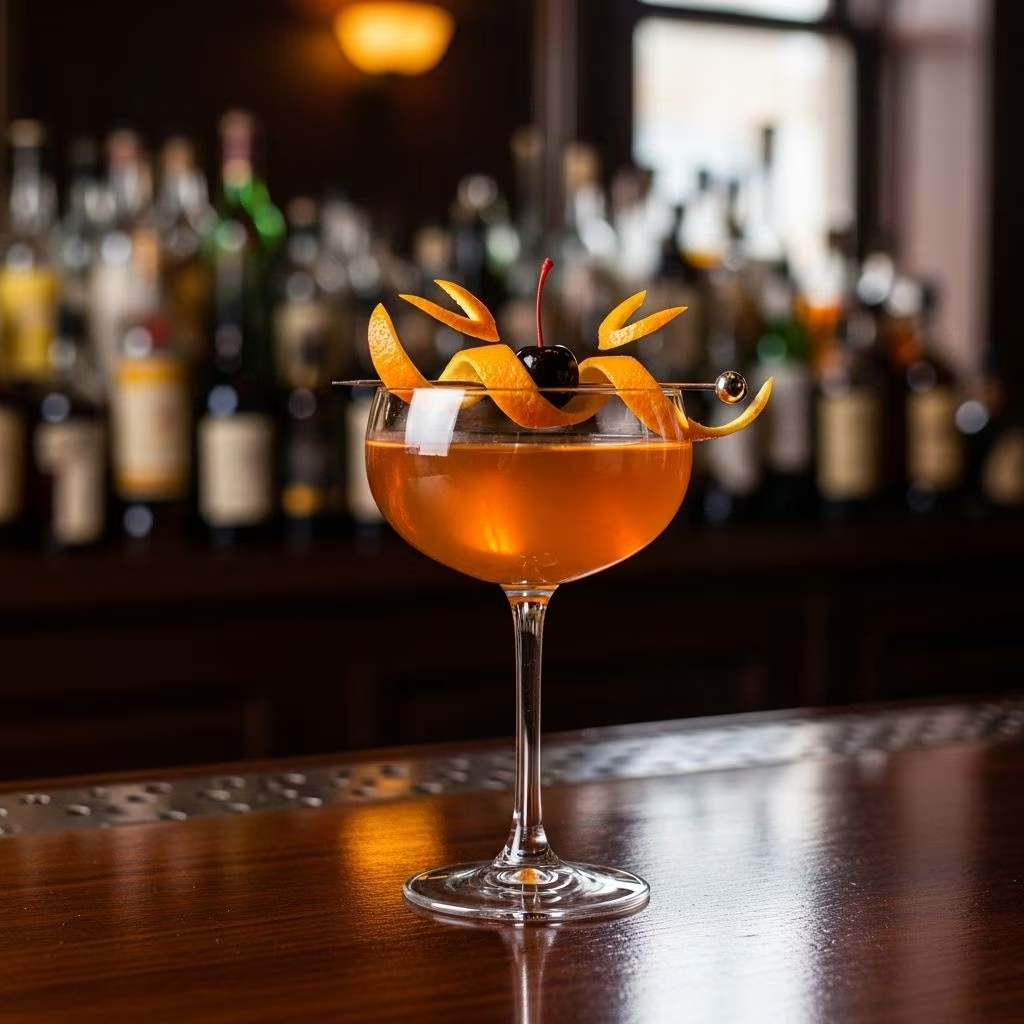
- Strain into a chilled coupe or cocktail glass.
- Garnish with an orange twist for aromatic flair and visual appeal.
Pro Tips:
- Use high-quality vermouth and gin for best results. Inferior spirits magnify imbalances.
- Balance orange juice volume to prevent overly diluting the botanicals.
- Chill glassware in advance for optimal temperature and presentation.
How It Tastes: Flavors and Aromatics Explained
Satan’s Whiskers is famous for striking balance—citrus brightness, bittersweet herbal notes, gin botanicals, and an unmistakable orange core courtesy of both juice and liqueur. With the “straight” Grand Marnier version, a deeper, almost velvety richness is present. The “curled” version, on the other hand, pops with clean, almost floral citrus overlay. In both cases, the vermouths prevent cloying sweetness, sharpening the drink’s final profile.
This complexity makes Satan’s Whiskers a distinctive choice for aficionados seeking something that bridges the old world classics with a sense of playful innovation. It is particularly suited for those who appreciate cocktails outside the rigid templates of sours, aromatics, or spritzes.
Expert Variations and Bartender Tips
- Some bartenders increase the gin slightly for a drier, bolder finish, particularly when lighter orange liqueurs are used.
- Quality of orange liqueur matters: Pierre Ferrand Dry Curaçao is a popular choice for the “curled” version, providing complexity without excess sugar.
- Bitters quantity is crucial: The amount can dramatically affect the drink’s finish. A teaspoon of orange bitters produces a spiced, almost marmalade-like aftertaste, favored by some contemporary bartenders.
- Always opt for fresh orange juice—bottled or shelf-stable substitutes dull the drink considerably.
- For even more aromatic lift, flame the orange peel over the finished drink before dropping it in as garnish.
Serving Suggestions and Food Pairings
Satan’s Whiskers serves best as a pre-dinner cocktail (aperitif) thanks to its bitterness and acidity, which stimulate the palate. Its complexity also makes it ideal for special occasions or as a conversation starter at cocktail parties.
- Appetizer Pairings: Olives, smoked salmon, or savory canapes harmonize well with the citrus and herbal notes.
- Holiday Serving: The “straight” version, with its warmth and richness, is well suited to winter gatherings or holiday brunches.
- Outdoor & Social Settings: The “curled” version delivers refreshing brightness for summer cocktail hours or alfresco settings.
For a truly dramatic presentation, consider serving Satan’s Whiskers in etched coupe glasses, garnished with a long orange twist, and accompanied by a brief story about its provenance—your guests will be as intrigued by the tale as by the taste.
Frequently Asked Questions (FAQs)
Q: Is Satan’s Whiskers a gin-forward cocktail?
A: While gin is the foundation, the two vermouths and orange components produce a highly balanced drink; gin supports rather than dominates.
Q: Can I substitute other orange liqueurs?
A: Grand Marnier and curaçao are the preferred choices for authenticity. Avoid overly sweet or artificially flavored orange liqueurs, as they can make the drink cloying. Pierre Ferrand Dry Curaçao is particularly recommended for the “curled” variant.
Q: What type of orange bitters works best?
A: Classic brands such as Regan’s or Angostura are excellent, but house-made orange bitters allow further customization and can deepen bitterness or aromatics according to taste.
Q: How important is the quality of the vermouths?
A: Extremely important. Vermouth represents a significant portion of the drink’s flavor. Opt for fresh, cold vermouth from a recently opened bottle for optimal results.
Q: How can I make a non-alcoholic version?
A: While there is no direct substitute, you can experiment with non-alcoholic gins, vermouth alternatives, and orange liqueur syrups—adjust sweetness and acid to taste for balance.
Other Noteworthy Classic Cocktails
- The Martinez: Another gin/vermouth classic with a deep, herbal sweetness and maraschino notes.
- The Bronx: Shares the orange juice and vermouth combination, though usually without bitters.
- The Negroni: Famously bittersweet, gin-based, but more direct and austere.
Final Thoughts on Mastering Satan’s Whiskers
Satan’s Whiskers stands as a testament to inventive cocktail craftsmanship and flavor layering. Its ongoing popularity is thanks not only to the playful name, but to its rich, multifaceted character and flexibility in both ingredients and execution. Bartenders and aficionados alike celebrate it as an accessible classic that rewards careful selection, precision, and a willingness to experiment within a well-designed template.