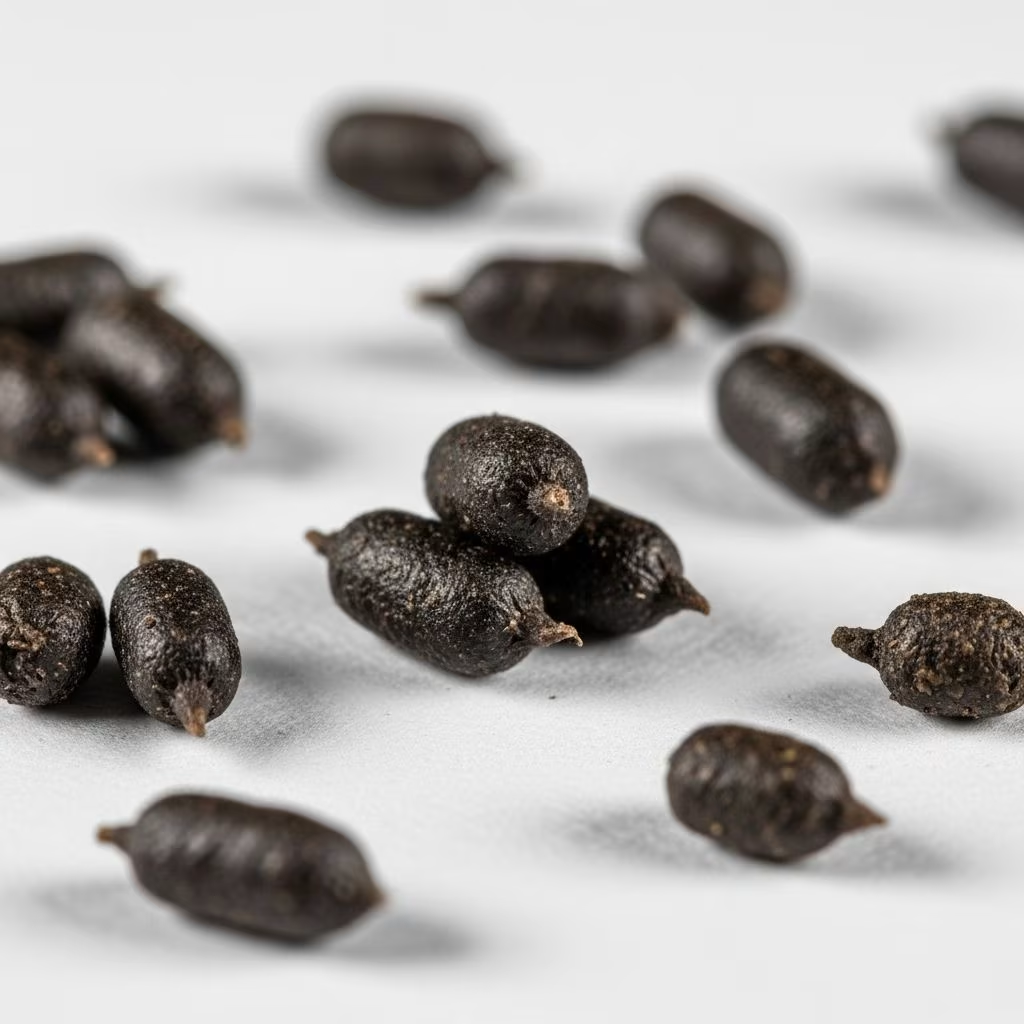
Finding evidence of rat droppings in your home is both disturbing and a serious health warning. Rat poop not only indicates the presence of rodents but can expose you and your family to dangerous diseases. This comprehensive guide will help you distinguish rat feces from other pests, understand the risks, provide step-by-step instructions for safe cleanup, and share effective tips to prevent future infestations. If you suspect a rat problem, knowledge is your first line of defense.
Why Identifying Rat Poop Matters
Spotting rat droppings is often one of the earliest signs of a hidden infestation. Timely and accurate identification can help you mitigate health dangers and prevent further rodent invasion. Rat feces can harbor bacteria, viruses, and allergens that spread illnesses, making safe handling and prompt action essential .
What Does Rat Poop Look Like?
Rat droppings are distinct in appearance, but can sometimes be mistaken for everyday items or other pest droppings. Here’s what to look for:
- Shape: Cylindrical, elongated pellets.
- Size: Approximately 1/2 to 3/4 inch long; can be up to 1 inch.
- Color: Dark brown to shiny black when fresh; grey and dusty when old.
- Texture: Moist and glossy when newly deposited, becoming hard and crumbly as they age.
- Common Lookalikes: Can resemble raisins, coffee beans, or large grains of rice.
- Grouping: Typically found in clusters or small piles.
If you encounter what looks like a pile of dark “raisins” or “coffee beans” in places like attics or cabinets, it’s likely rat feces .
Comparison: Rat Poop vs. Mouse Poop vs. Cockroach Droppings
| Pest | Appearance | Size | Ends |
|---|---|---|---|
| Rat | Elongated, cylindrical, looks like raisins or coffee beans | 1/2″ to 3/4″ (up to 1″) | Rounded or blunt |
| Mouse | Thin, granular, rice-like | 1/8″ to 1/4″ | Pointed |
| Cockroach | Small, black or brown specks (pepper-like) | Very small | Irregular shapes |
Where You’ll Find Rat Droppings
Rats are nocturnal and seek food, water, and shelter, often in hidden or elevated spaces. Here’s where to look for evidence:
- Attics, insulation, and wall voids
- Garages and storage shelves
- Kitchens, pantries, or under sinks
- Basements and crawl spaces
- Roof cavities and inside tree hollows (outdoors)
- Along baseboards and behind heavy appliances
Rats tend to use the same runways over and over, so check for piles of droppings in corners or along known travel paths .
What Does Rat Poop Smell Like?
Fresh rat feces have only a faint smell, but are often accompanied by a stronger,ammonia-like odor from rat urine. If your home has an unexplainable musty or pungent scent—especially in hidden areas—this could indicate a heavy rodent presence .
Why Is Rat Poop Dangerous?
Contact with or inhalation of particles from rat feces can transmit a number of serious illnesses. The principal dangers include:
- Hantavirus: Can be inhaled from contaminated dust.
- Salmonella: Causes severe food poisoning.
- Leptospirosis: Spread through rat urine and feces.
- Tularemia: Rare but severe infectious disease.
- Allergic reactions and asthma in sensitive people, especially children.
- Contamination of food and cooking surfaces.
Rats can also attract fleas and mites that spread secondary diseases .
How to Safely Clean Up Rat Poop
Improper cleanup can put you at risk by releasing infectious particles into the air. Follow these expert safety steps to protect yourself and your environment:
- Ventilate the Area: Open windows and doors for at least 30 minutes before cleanup.
- Wear Safety Gear: Put on rubber or plastic gloves, a face mask (preferably N95), and, if available, safety goggles.
- Do Not Sweep or Vacuum: Never dry sweep or vacuum droppings, as this can aerosolize harmful particles.
- Disinfect: Spray all droppings and contaminated surfaces with a disinfectant or a solution of 1.5 cups household bleach per 1 gallon water. Let the area soak for at least 5 minutes.
- Remove Droppings Carefully: Use damp paper towels to pick up the droppings and dispose of them in a sealed plastic bag.
- Double Clean: Clean all surfaces again with disinfectant. Wipe dry with a fresh paper towel.
- Dispose of Waste: Place all towels, gloves, and used supplies in a bag and discard them in an outdoor trash bin immediately.
- Wash Up: Wash your hands thoroughly with hot water and soap, scrubbing wrists and under fingernails.
Quick Safety Checklist
- Never use a broom or vacuum to clean up rodent droppings
- Air out rooms before cleaning up
- Disinfect before, during, and after handling droppings
- Wear protective gloves and a mask
- Dispose of all cleanup materials safely outdoors
How to Prevent a Rat Infestation
Beyond cleanup, prevention is the key to lasting safety. A proactive approach includes:
- Seal Entry Points: Close off gaps and holes around pipes, doors, and windows with steel wool, caulk, or metal flashing. Rats can squeeze through openings as small as 1/2 inch wide.
- Eliminate Food Sources: Keep all food stored in airtight containers. Clean up crumbs, spills, and pet food immediately.
- Manage Waste: Use lidded trash cans and take trash out regularly. Don’t leave organic waste or compost uncovered.
- Declutter: Remove stacks of newspapers, cardboard, and clutter that can serve as nesting sites for rats.
- Fix Leaks and Standing Water: Rats need water as much as food.
- Yard Maintenance: Trim trees and shrubs away from your home. Remove piles of firewood, brush, and debris that might shelter rodents.
- Regular Inspections: Check attics, basements, and pantry spaces for new droppings or gnaw marks frequently.
- Call Professionals: If you find evidence of infestation, contact licensed pest control experts promptly.
Frequently Asked Questions About Rat Droppings
Q: Why is it important to identify if droppings are from a rat and not a mouse?
A: Because treatment methods and the level of health risk can differ, correctly identifying the pest species helps tailor your response and ensures effective elimination .
Q: How often do rats produce new droppings?
A: An adult rat can produce between 40 and 50 droppings per day. If you consistently see new feces, the infestation is active and may be significant .
Q: Is rat poop dangerous to pets?
A: Yes. Pets that sniff, eat, or otherwise encounter rat droppings are at risk for many of the same diseases as humans and can spread them further within the household .
Q: What should I do if I find rat poop but don’t see a rat?
A: Assume there is an active infestation. Begin by cleaning up droppings as described and take rodent-proofing precautions – rats are skilled at hiding and avoid humans when possible .
Q: How can I tell if droppings are new or old?
A: Fresh droppings are black, moist, and shiny. Older droppings turn gray, hard, and brittle. The presence of both indicates an ongoing issue .
Key Takeaways: Rat Poop and Your Home
- Identification is the first step in removing rats—look for dark, cylindrical droppings in hidden corners.
- Health risks from contact and inhalation are serious; handle with care and follow proper cleaning procedures.
- Prevention means sealing up your home, eliminating food sources, and staying vigilant with inspections.
- Professional help is often the fastest, safest way to resolve an infestation and avoid repeat problems.
When to Call a Pest Control Professional
If you find substantial droppings, hear scratching noises at night, or spot gnaw marks and nests, the problem may exceed DIY solutions. Professional rodent control services have the tools, expertise, and resources to eliminate infestations and sanitize your home safely. Delaying intervention can increase property damage and health risks for everyone in the household.
References
- This article incorporates expert findings and guidance from board-certified entomologists, rodentologists, and professional pest control sources .
- For in-depth reading, consult local pest control services and your local health department for additional regional considerations.
References
- https://bayarearodentsolutions.com/2023/01/04/how-identify-rat-poop/
- https://www.prevention.com/life/a37778799/what-does-rat-poop-look-like/
- https://www.webmd.com/a-to-z-guides/how-to-deal-with-rat-poop
- https://biosecurityforlife.org.uk/admin/resources/id-tool-rodent-identification-and-signs-of-stowaways-1.pdf
- http://www.wildlife-removal.com/ratpoop.html
- https://www.youtube.com/watch?v=WzGRLRbRSag
- https://www.orkin.com/pests/rodents/difference-between-squirrels-rodents
- https://pfharris.com/blog/what-does-mouse-and-rat-poop-look-like
- https://romneypestcontrol.com/what-do-mouse-and-rat-droppings-look-like/