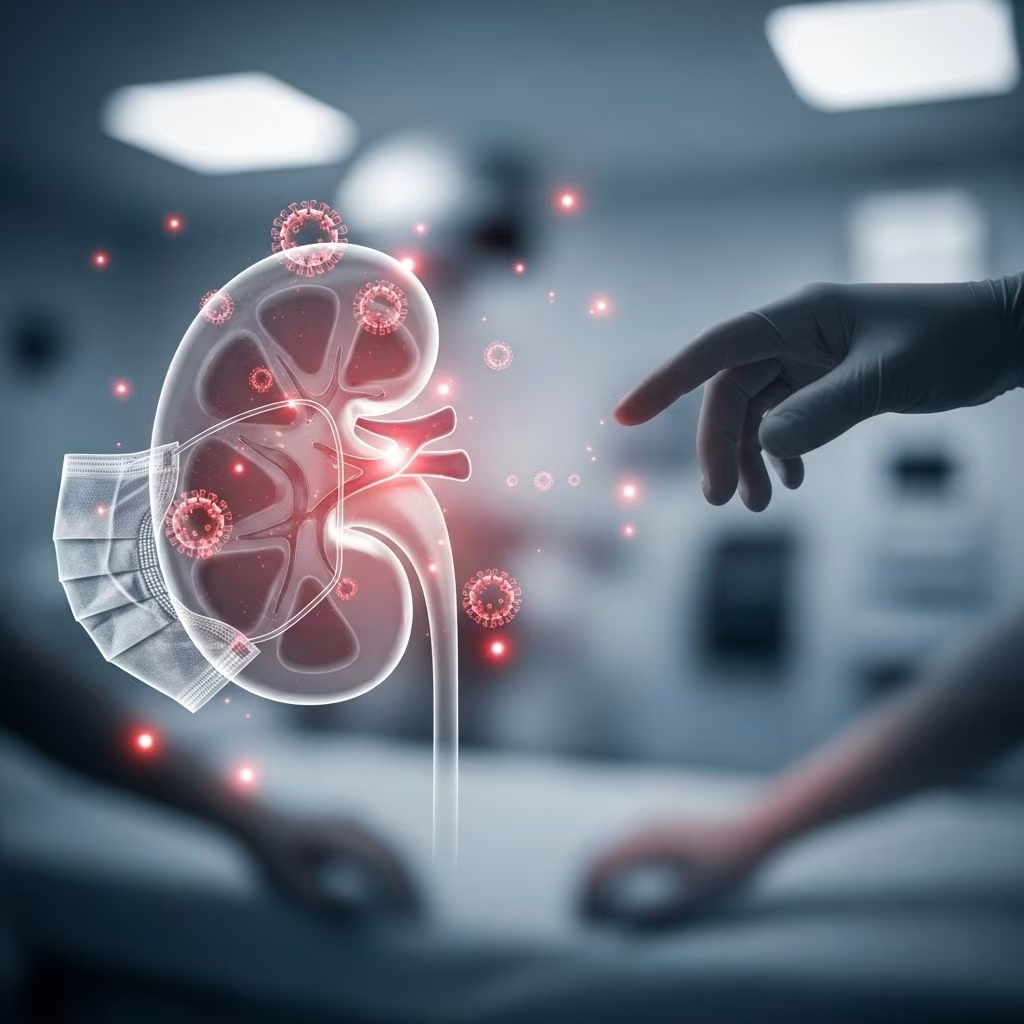
For individuals living with chronic kidney disease (CKD), managing health is an ongoing process encompassing medication, diet, routine medical care, and vigilant attention to body changes. Since early 2020, the emergence of COVID-19 has made this process even more critical, as infection with the novel coronavirus can threaten not only respiratory health but also the stability of kidney function. This article provides an in-depth look at how COVID-19 impacts people with CKD, outlines risk factors, describes recommended care and treatment, and offers practical strategies to protect kidney health during the ongoing pandemic.
How COVID-19 Affects the Kidneys
COVID-19 is primarily classified as a respiratory illness, but research has increasingly shown its ability to affect multiple organ systems—including the kidneys. The virus can cause both acute and chronic complications in kidney health, even in individuals without a prior history of kidney problems.
Acute Kidney Injury (AKI) Related to COVID-19
- Some individuals with COVID-19 experience acute kidney injury (AKI), a sudden loss of kidney function that develops over hours or days.
- Dialysis may be required in severe AKI cases. While AKI can sometimes be reversed, it also increases the risk of developing future kidney problems.
- The incidence of AKI is higher among patients hospitalized with COVID-19 compared to other viral illnesses, such as influenza.
Mechanisms of Kidney Injury from COVID-19
The precise mechanisms that underlie COVID-19-induced kidney damage are still being researched, but several factors are thought to play a role:
- Acute tubular necrosis resulting from septic shock
- Microinflammation damaging kidney tissue
- Increased blood clotting leading to blockage in the kidneys
- Low oxygen levels affecting organ function
- Potential for direct viral invasion of the kidney’s cells, causing mitochondrial dysfunction and cell injury
- Immune-mediated responses and local inflammation further aggravate kidney injury
Why People with CKD Are at Greater Risk from COVID-19
Having chronic kidney disease is itself a risk factor for developing severe illness from COVID-19. CKD impairs the body’s ability to filter waste, regulate fluid, and manage immune responses. These impairments make it more challenging to fend off infections and recover from illness.
- More advanced CKD (including end-stage renal disease or ESRD) is associated with significantly worse COVID-19 outcomes.
- People with CKD are much more likely to need hospitalization if they contract COVID-19. One study found those with ESRD were 11 times more likely to be hospitalized than individuals without kidney disease.
- Impaired kidney function can make it harder to manage fluid overload and electrolyte imbalances that develop during serious infections.
- Some CKD treatments (such as immunosuppressive medications) increase susceptibility to infection and may complicate COVID-19 management.
Other High-Risk Groups
- Older adults, people with diabetes, hypertension, and those with heart disease
- Individuals with weakened immune systems due to medications or other health conditions
- People who have had kidney transplants, since immunosuppressive therapy heightens infection risk
Long-term Effects: CKD after COVID-19 and Vice Versa
The relationship between chronic kidney disease and COVID-19 is bidirectional. Not only does existing CKD increase vulnerability to severe COVID-19, but COVID-19 can also trigger acute or chronic kidney dysfunction even in people with previously normal kidney function.
- Some survivors of severe COVID-19 develop new-onset CKD weeks or months after initial infection, especially if they had AKI during their acute illness.
- Studies found that 16% of patients with COVID-19-related AKI developed CKD at 90 days post-infection.
- COVID-19 may predispose people to chronic kidney issues independently of apparent AKI, possibly through persistent viral-induced cell injury and inflammation.
- Regular post-infection monitoring of kidney function is essential in those recovering from COVID-19, particularly among hospitalized or critically ill patients.
Recognizing Symptoms and When to Seek Help
Individuals with CKD should pay extra attention to symptoms that could signal worsening kidney function or COVID-19-related complications. Early recognition and intervention are crucial for better outcomes.
- Common COVID-19 symptoms include fever, cough, fatigue, shortness of breath, and loss of taste or smell.
- Symptoms that may indicate kidney involvement:
- Swelling in the legs, ankles, or feet
- Decreased urine output
- Sudden weight gain
- Shortness of breath
- Persistent nausea or vomiting
- Confusion or mental changes
- New or worsening kidney pain is uncommon, but people with CKD should promptly report unexplained pain in the back or side.
Staying Safe with CKD During COVID-19
Managing CKD in the time of COVID-19 requires extra vigilance and changes in everyday routines. Consider the following evidence-based strategies:
- Get vaccinated against COVID-19 (unless contraindicated by a care provider). Vaccines reduce the risk of severe illness and hospitalizations.
- Practice good hand hygiene by washing hands frequently with soap and water or using alcohol-based sanitizers.
- Maintain physical distancing and avoid large indoor gatherings when possible.
- Wear a mask in high-risk settings, especially healthcare facilities, dialysis centers, and crowded spaces.
- Communicate regularly with healthcare providers. Telehealth options are widely available for non-urgent consultations, reducing the need for in-person visits.
- Continue prescribed CKD treatments (medications, dialysis schedules, dietary restrictions) and do not make changes without advice from a nephrologist.
- Monitor for symptoms of infection or kidney disease progression; seek evaluation promptly if concerned.
Accessing Chronic Kidney Disease Care During the Pandemic
Continuity of CKD care is vital, but the pandemic may disrupt regular routines, such as clinic visits, laboratory tests, and dialysis schedules. Patients and healthcare teams are adapting in several ways:
- Many clinics offer telemedicine appointments for check-ins, medication adjustments, and addressing concerns.
- Dialysis centers have implemented protocols to limit exposure risk, such as screening for symptoms, masking, physical distancing, and extra cleaning.
- Home-based therapies (e.g., home dialysis) may reduce risk, but require patient and caregiver training.
- Routine lab testing may be spaced out or arranged at less crowded times to minimize exposure.
- Pharmacies and providers can coordinate home delivery of medications where available.
Treatment of COVID-19 in People with CKD
CKD can complicate the medical management of COVID-19. Certain medications, fluid balance, and dialysis needs require special adjustments:
- Some COVID-19 treatments may be contraindicated or require dosing modifications based on kidney function.
- Diuretics, antivirals, and anti-inflammatory drugs must be carefully monitored for potential side effects or toxicity in people with reduced kidney function.
- Patients on dialysis may need increased monitoring or changes to treatment if they develop COVID-19-related complications.
- If kidney function deteriorates severely due to COVID-19, hospitalization or intensive care, including temporary dialysis, may be needed.
Prognosis and Long-Term Outlook
Efforts to reduce infection risk and manage CKD proactively have led to improved outcomes, but the long-term impact of COVID-19 on kidney health remains under study. Key findings so far include:
- Most patients who experience AKI during COVID-19 recover kidney function, but roughly 9% do not regain baseline levels, especially older adults or those with pre-existing health issues.
- Some research indicates a higher risk of chronic kidney function decline following COVID-19, even among those without previous kidney problems.
- Ongoing studies are evaluating the persistence of reduced kidney function and the risk of progressing to end-stage kidney disease (ESRD).
Understanding Chronic Kidney Disease (CKD)
Chronic kidney disease is a progressive condition characterized by gradual loss of kidney function over time. Left unmanaged, it can culminate in end-stage renal disease (ESRD), requiring dialysis or kidney transplantation to sustain life.
| Stage | Description | Estimated GFR (mL/min/1.73m2) |
|---|---|---|
| Stage 1 | Normal or high kidney function | >90 |
| Stage 2 | Mild decrease in kidney function | 60–89 |
| Stage 3 | Moderate decrease in kidney function | 30–59 |
| Stage 4 | Severe decrease in kidney function | 15–29 |
| Stage 5 | Kidney failure (ESRD) | <15 |
Frequently Asked Questions (FAQs)
Q: Does COVID-19 always affect the kidneys?
A: No, not all people with COVID-19 develop kidney complications. However, those with underlying CKD or certain risk factors (advanced age, diabetes, hypertension) face a higher chance of kidney involvement.
Q: If I have CKD, should I avoid visiting healthcare facilities?
A: It is crucial to continue regular CKD care, but many clinics offer telemedicine or special precautions. Discuss your best options with your nephrologist to minimize risk while ensuring ongoing management.
Q: Can people on dialysis get vaccinated against COVID-19?
A: Yes, vaccination is strongly recommended for dialysis patients since they are at higher risk of severe illness. Check with your care team regarding timing and any potential concerns.
Q: What should I do if I develop symptoms of COVID-19?
A: Notify your healthcare provider right away. Early intervention may improve outcomes, especially for individuals with CKD or on immunosuppressive treatments.
Q: Is recovery from COVID-19-related kidney injury possible?
A: Many people recover kidney function after COVID-19-related AKI, yet some experience ongoing or permanent decreases in kidney health. Older age and severe illness make recovery less likely. Monitor your lab values and follow up with your doctor as recommended.
Key Takeaways and Next Steps
- Individuals with chronic kidney disease are at a higher risk for severe COVID-19 and complications.
- COVID-19 can directly and indirectly contribute to acute and chronic kidney issues—even in those without prior CKD.
- Stay proactive: get vaccinated, practice infection prevention, and maintain regular CKD care with adaptations for safety.
- Monitor for symptoms that could indicate changes in kidney health, and contact your healthcare provider with any concerns.
- Long-term research is ongoing, but awareness, prevention, and timely intervention remain your best tools for protecting your kidneys during the COVID-19 era.
References
- https://www.healthline.com/health/kidney-disease/chronic-kidney-disease-and-covid
- https://pmc.ncbi.nlm.nih.gov/articles/PMC9955527/
- https://www.nature.com/articles/s41581-022-00618-4
- https://www.healthline.com/health/covid-and-kidney-pain
- https://www.youtube.com/watch?v=aDPQd9nLq6w
- https://www.nature.com/articles/s41581-021-00487-3
- https://academic.oup.com/qjmed/article/117/5/317/7218935
- https://www.medicalnewstoday.com/articles/172179
- https://pmc.ncbi.nlm.nih.gov/articles/PMC8747880/