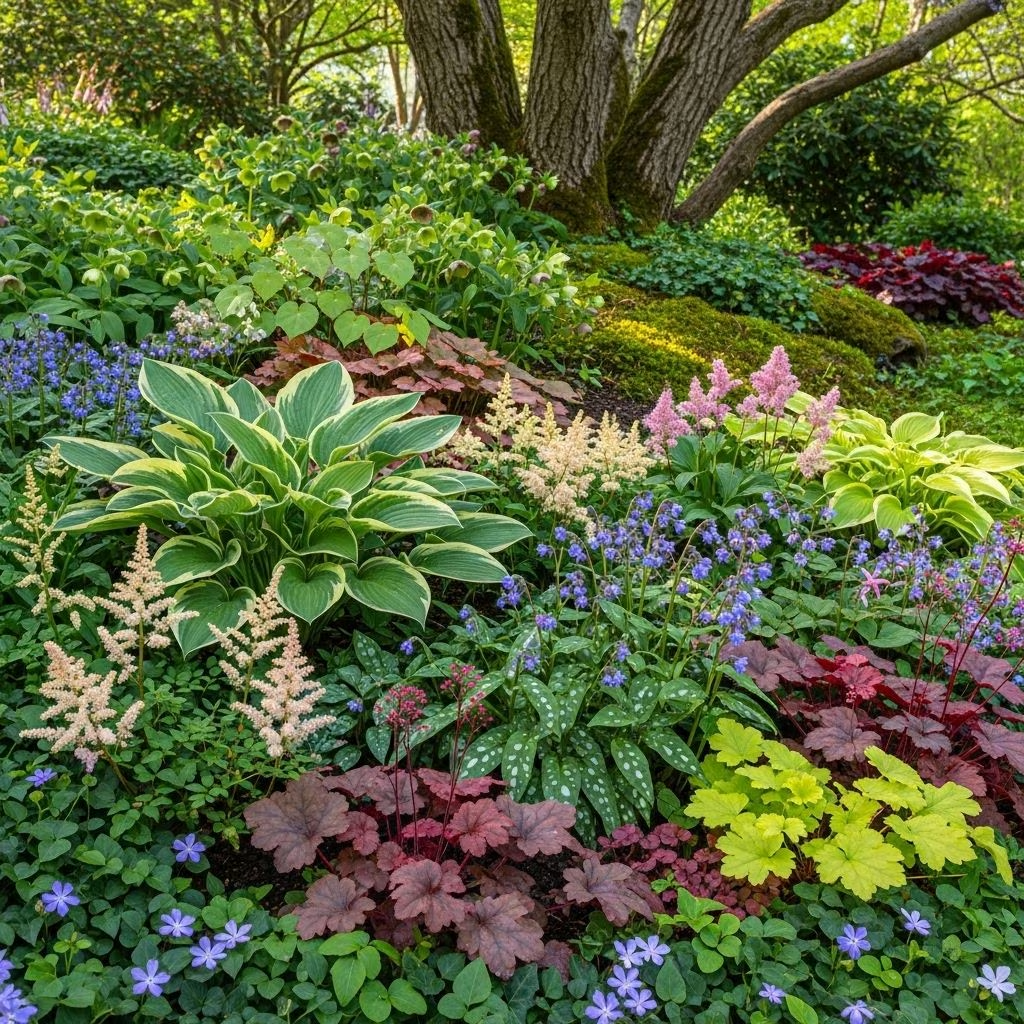
Transforming the bare earth beneath your trees into a lush, vibrant under-canopy is entirely possible with the right plant selection and a bit of know-how. Explore this comprehensive guide to 49 of the best shade-tolerant plants—ground covers, perennials, annuals, shrubs, and spring bulbs—that will thrive beneath almost any tree.
Why Plant Under Trees?
Landscaping under trees brings several challenges: dense shade, competition for water and nutrients, and often dry or root-packed soil. But with a thoughtful approach, these shady spaces can be transformed into woodland garden havens rich in color, texture, and biodiversity.
- Adds year-round interest to your landscape
- Suppresses weeds and conserves soil moisture
- Creates natural habitat for pollinators and wildlife
- Prevents soil erosion by stabilizing the ground cover
Challenges of Planting Under Trees
Before planting under trees, be aware of the unique environmental constraints:
- Reduced Sunlight: Tree canopies block direct sunlight, especially under evergreens.
- Root Competition: Tree roots compete aggressively for water and nutrients.
- Dry Soil: The ground under trees often dries out quickly, making moisture retention crucial.
- Leaf Litter: Fallen leaves in autumn may smother delicate new growth.
Choosing plants native to forest or woodland habitats is the key; these have evolved to cope with competition and shade.
How to Choose Plants for Under Trees
- Light Requirements: Opt for true shade or partial-shade lovers. Observe sun patterns throughout the day.
- Root Adaptation: Pick shallow-rooted plants that aren’t easily crowded out by tree roots.
- Moisture Needs: Consider drought-tolerant species if the soil stays dry.
- Soil Enrichment: Amend with organic matter to increase fertility and moisture retention.
- Low Maintenance: Choose plants that thrive without excessive care.
Best Ground Covers for Under Trees
Ground covers are ideal beneath trees—they spread to create a lush “carpet,” suppress weeds, and require less maintenance than conventional lawns.
- Sweet Woodruff (Galium odoratum): Fragrant, star-shaped white blooms; spreads by rhizomes.
- Barrenwort (Epimedium spp.): Heart-shaped leaves; delicate spring flower clusters.
- Lilyturf (Liriope muscari): Grass-like foliage, purple summer flowers.
- Wild Ginger (Asarum canadense): Rounded leaves; low-growing, aromatic, and deer-resistant.
- Pachysandra (Pachysandra terminalis): Evergreen, drought-tolerant, forms a dense mat.
- Canadian Wild Ginger (Asarum canadense): Silky leaves and unusual ground-hugging flowers.
- Vinca Minor (Periwinkle): Evergreen with purple flowers; prolific spreader.
- Bugleweed (Ajuga reptans): Glossy leaves; blue flower spikes in spring.
- Ferns (Various species): Ostrich, Maidenhair, and Christmas ferns are classic woodland fillers.
- Hostas (Hosta spp.): Tolerates heavy shade; wide variety of foliage colors and textures.
Best Perennials to Plant Under Trees
- Foxglove (Digitalis purpurea): Tall spires of spotted blooms; prefers dappled light.
- Columbine (Aquilegia spp.): Nodding, intricate flowers; attracts hummingbirds.
- Heuchera (Coral Bells): Colorful foliage, compact growth, delicate flower wands.
- Astilbe: Lacy, fern-like leaves and plumes of pink, white, or red flowers.
- Brunnera (Siberian Bugloss): Heart-shaped, silvery leaves, forget-me-not blue blossoms.
- Woodland Phlox (Phlox divaricata): Fragrant blue or white clusters in mid-spring.
- Solomon’s Seal (Polygonatum spp.): Graceful stems, dangling white flowers.
- Lungwort (Pulmonaria): Spotted foliage and blue-pink flowers in early spring.
- Japanese Painted Fern (Athyrium niponicum): Striking silver and burgundy fronds.
- Bleeding Heart (Dicentra spectabilis): Heart-shaped pendant blossoms; prefers moist, shaded soil.
Spring Bulbs & Early Woodland Flowers
Many spring-flowering bulbs and ephemeral woodland species bloom before the trees leaf out, thriving in the brief window of sun.
- Snowdrops (Galanthus nivalis): Tiny white bells, earliest to bloom.
- English Bluebells (Hyacinthoides non-scripta): Classic blue carpets for shade under mature trees.
- Winter Aconites (Eranthis hyemalis): Golden yellow, buttercup-like flowers.
- Wood Anemone (Anemone nemorosa): Delicate white, pink, or blue blossoms.
- Trillium: Woodland favorite, showy three-petaled flowers.
- Dutchman’s Breeches (Dicentra cucullaria): Intriguing “pants-like” blooms in white.
Shade-Tolerant Shrubs for Under Trees
Add height, winter interest, and structure to your shade garden with these adaptable shrubs:
- Rhododendron: Evergreen, brilliant spring flowers, tolerates full to partial shade.
- Azalea: Related to rhododendrons, adapts well under established trees.
- Camellia: Glossy foliage, elegant blooms; prefers acidic, sheltered spots.
- Witch Hazel (Hamamelis): Winter or early spring blooms, attractive fall color.
- Mahonia (Oregon Grape): Evergreen, yellow spring flowers, blue berries; thrives in dense shade.
- Hydrangea anomala (Climbing Hydrangea): The climbing species tolerates shade and will twine up trunks or walls, but shrub hydrangeas may struggle to thrive directly under trees due to root competition.
Best Annuals for Spot-Color Under Trees
- Impatiens: Classic shade annual, blooms nonstop through summer.
- Begonias: Waxy leaves, vivid color selection.
- Torenia (Wishbone Flower): Unique color patterns and good for pollinators.
- Violas: Cool-season color for spring and fall.
Native Plants and Woodland Wildflowers
Native woodland plants are naturally adapted to the tough conditions beneath trees and boost the local ecosystem:
- Mayapple (Podophyllum peltatum): Umbrella-like leaves; clusters form natural shade.
- Jack-in-the-Pulpit (Arisaema triphyllum): Exotic woodland wildflower with unique “hooded” flowers.
- Baneberry (Actaea pachypoda): Lacy foliage, pearl-like white berries (toxic, best for ornamental only).
- Solomon’s Seal: Also popular as a native perennial (see above).
Plants with Texture and Color
For a multi-layered, vibrant shade border, combine plants with various leaf shapes, colors, and heights:
- Japanese Forest Grass (Hakonechloa macra): Soft, arching leaves, golden-hued cultivars brighten the shade.
- Spotted Deadnettle (Lamium maculatum): Silver variegation on foliage; pink to purple flowers.
- Foamflower (Tiarella cordifolia): Lush foliage, spiky white blooms.
- Bishop’s Hat (Epimedium grandiflorum): Noted for unusual flower shapes and tough leaves.
- Creeping Jenny (Lysimachia nummularia): Spreads quickly; use as a living mulch for pops of gold.
Essential Tips for Planting Under Trees
- Prep Gently: Avoid harming tree roots. Dig small holes between roots rather than widespread soil disturbance.
- Amend Carefully: Mix compost into planting pockets without raising soil around the trunk.
- Water Generously: Roots under trees compete for moisture. Deep, thorough watering is vital during establishment.
- Mulch Wisely: Use shredded leaf mold or wood chips to keep soil cool and moist—but don’t pile mulch against the tree trunk.
- Right Plant, Right Place: Consider the specific microclimate: eastern exposure, coniferous vs. broadleaf trees, and moisture gradients create distinct shade environments.
Table: 25 Top Plants to Grow Under Trees
| Plant Name | Type | Key Feature | Shade Tolerance |
|---|---|---|---|
| Sweet Woodruff | Perennial/Ground cover | Fragrant, soft carpet | Deep |
| Hosta | Perennial | Showy foliage | Partial to Full |
| Foxglove | Biennial/Perennial | Vertical flowers | Part |
| Wild Ginger | Ground cover | Aromatic, low maintenance | Full |
| Vinca Minor | Ground cover | Purple color, evergreen | Full |
| Astilbe | Perennial | Feathery plumes | Partial |
| Columbine | Perennial | Intricate blooms | Partial |
| Barrenwort | Perennial | Tough foliage, small flowers | Full |
| Lilyturf | Ground cover | Grass-like | Full |
| Bleeding Heart | Perennial | Heart blooms | Partial |
| English Bluebells | Spring Bulb | Blue carpet effect | Partial |
| Brunnera | Perennial | Silvery leaf, blue flowers | Partial |
| Impatiens | Annual | Season-long blooms | Full |
| Torenia | Annual | Pollinator-friendly | Partial |
| Japanese Painted Fern | Fern | Silver/frond color | Full |
| Mayapple | Wildflower | Umbrella leaves | Full |
| Woodland Phlox | Perennial | Fragrant | Partial |
| Wild Anemone | Wildflower/Bulb | Delicate | Partial |
| Jack-in-the-Pulpit | Wildflower | Unique shape | Full |
| Rhododendron | Shrub | Evergreen, flowering | Partial |
| Camellia | Shrub | Elegant, winter blooms | Partial |
| Hydrangea anomala | Climbing Shrub | Climbs, white blooms | Partial |
| Spotted Deadnettle | Ground cover | Silver variegation | Full |
| Creeping Jenny | Ground cover | Bright gold color | Partial |
| Mahonia | Shrub | Evergreen, berries | Full |
Frequently Asked Questions (FAQs)
What is the best way to plant under established trees?
Gently dig individual holes between roots, plant in groupings, and use compost in the planting hole. Avoid heavy digging or adding thick soil layers directly on top of tree roots, which can suffocate them.
Can I plant hydrangeas under trees?
While hydrangeas love partial shade, most are not well suited for planting under trees, as they will struggle to compete with established root systems for water and nutrients. The climbing hydrangea (Hydrangea anomala) is one exception, tolerating life under tall trees and even climbing trunks for support.
Do I need to water shade plants more often?
Yes, especially when establishing new plants. The canopy often blocks rainfall and the roots of trees can out-compete shade plants for water. Deep, slow watering is recommended, particularly in dry seasons.
Is it possible to grow vegetables under trees?
A few vegetables, such as leafy greens (spinach, lettuce) and root crops (radishes, beets), can tolerate partial shade, but yields may be lower than in sun. Flowering and fruit vegetables like tomatoes or peppers typically need more sunlight.
Should I mulch plants under trees?
Mulch with shredded leaves, wood chips, or pine needles to retain moisture and suppress weeds, but keep mulch away from the tree trunk and plant stems to prevent rot and disease.
Final Tips for Shady Success
- Start with a layer of ground covers for weed suppression and texture.
- Mix in spring bulbs and early woodland flowers for seasonal bursts of color.
- Group plants in drifts for a more natural and resilient woodland effect.
- Observe how light changes through the year—some spots get more sun in spring before full leaf-out.
- Be patient: Shade gardens fill in over time as plants establish and spread naturally.
Summary List: 49 Top Plants for Under Trees
- Sweet Woodruff
- Barrenwort
- Lilyturf
- Wild Ginger
- Pachysandra
- Canadian Wild Ginger
- Vinca Minor (Periwinkle)
- Bugleweed (Ajuga)
- Ferns: Ostrich, Maidenhair, Christmas, Painted
- Hostas
- Foxglove
- Columbine
- Heuchera
- Astilbe
- Brunnera
- Woodland Phlox
- Solomon’s Seal
- Lungwort
- Japanese Painted Fern
- Bleeding Heart
- Snowdrops
- English Bluebells
- Winter Aconites
- Wood Anemone
- Trillium
- Dutchman’s Breeches
- Rhododendron
- Azalea
- Camellia
- Witch Hazel
- Mahonia
- Climbing Hydrangea
- Impatiens
- Begonia
- Torenia
- Violas
- Mayapple
- Jack-in-the-Pulpit
- Baneberry
- Japanese Forest Grass
- Spotted Deadnettle
- Foamflower
- Bishop’s Hat
- Creeping Jenny
- Lamb’s Ear
- Siberian Bugloss
- Toad Lily
- Bloodroot
- Virginia Bluebells
With thoughtful plant selection and patient care, your woodland garden will thrive for years, bringing renewed life to those quiet spots beneath your favorite trees.