


\n\n
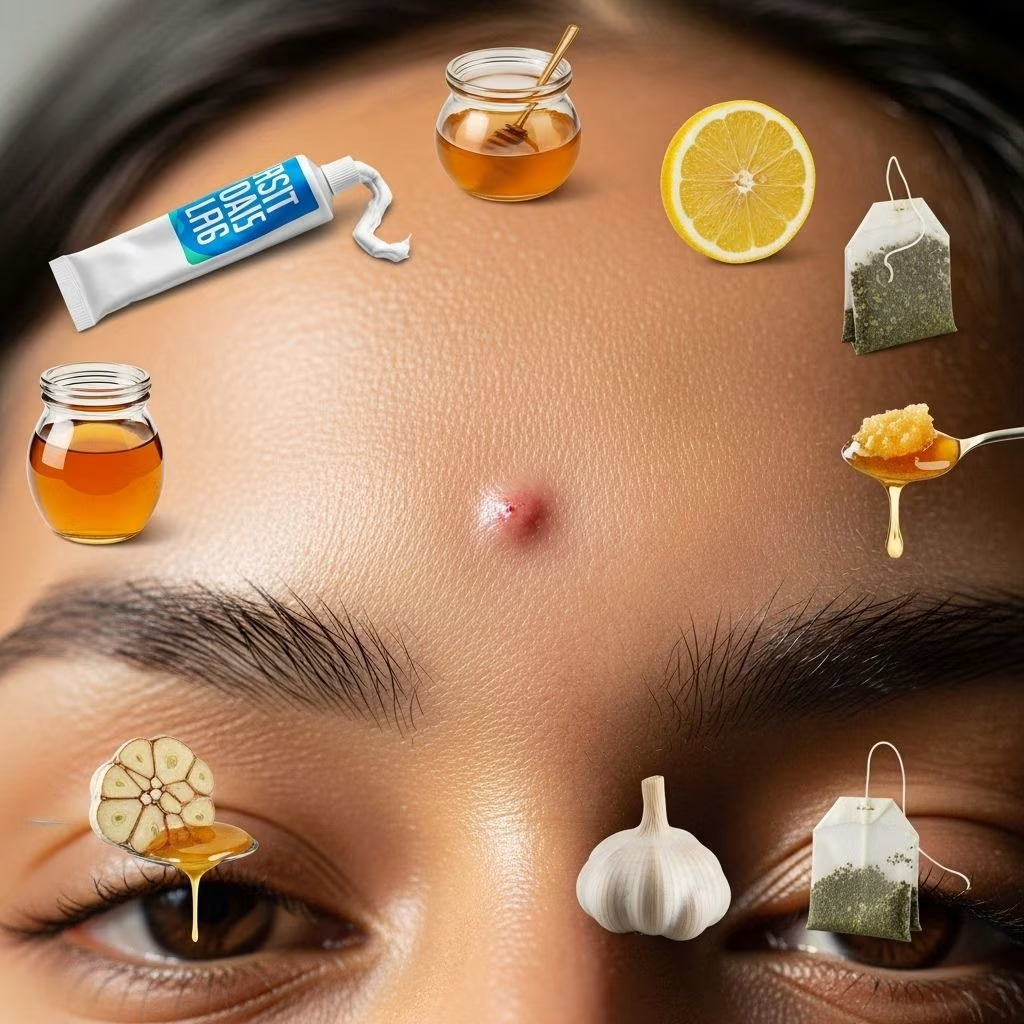
When it comes to treating pimples, misinformation spreads as rapidly as breakouts themselves. From old wives’ tales passed down generations to internet-fueled skincare advice, countless myths about spot treatments promise quick fixes—many of which are not only ineffective but potentially damaging to your skin. Equipped with the latest dermatological insights, this comprehensive guide exposes common misconceptions, clarifies what truly works, and empowers you to take control of your acne with confidence.
\n\n
Table of Contents
\n
- \n
- Introduction: Why Pimple Myths Persist
- Myth 1: Acne Is Only a Teenage Problem
- Myth 2: Tanning or Sun Exposure Clears Pimples
- Myth 3: Popping Pimples Makes Them Heal Faster
- Myth 4: Only People with Dirty Skin Get Pimples
- Myth 5: The More You Wash, the Fewer Pimples You’ll Get
- Myth 6: Chocolate and Greasy Foods Always Cause Acne
- Myth 7: Makeup Always Makes Acne Worse
- Myth 8: Only Topical Spot Treatments Work
- Myth 9: You Need Expensive Products for Results
- Myth 10: Acne Goes Away on Its Own—No Treatment Needed
- Science-Backed Facts for Effective Spot Treatment
- Comparison Table: Myths vs. Evidence
- Frequently Asked Questions
- Conclusion: Smart Choices for Clearer Skin
\n
\n
\n
\n
\n
\n
\n
\n
\n
\n
\n
\n
\n
\n
\n
\n\n
Introduction: Why Pimple Myths Persist
\n
Pimples are among the most pervasive skin concerns for adolescents and adults alike. Yet, despite advances in dermatology, enduring myths continue to shape the way people approach spot treatments. These misconceptions often arise from anecdotal experiences, viral trends, or misinterpreted scientific findings. Left unchallenged, pimple myths can undermine effective care, extend outbreaks, and even increase the risk of scarring or emotional distress.
\n\n
Myth 1: Acne Is Only a Teenage Problem
\n
The myth: Acne is an adolescent issue that disappears once you enter adulthood.
\n
The truth: While hormonal changes during puberty do trigger acne in many teens, adults also experience breakouts due to ongoing hormonal fluctuations, stress, certain medications, and even underlying medical conditions. Adult acne is very common and can persist well into your 30s, 40s, and beyond. Effective treatments exist for both adolescent and adult acne, so don’t ignore persistent breakouts—at any age.
\n\n
Myth 2: Tanning or Sun Exposure Clears Pimples
\n
The myth: Getting a tan or spending time in the sun will dry out pimples and speed their healing.
\n
The truth: Although tanning might momentarily disguise the redness of acne, it does not treat the condition and often makes it worse. Ultraviolet (UV) rays can irritate skin, trigger more oil production, and increase cell turnover, which clogs pores. Additionally, sun exposure increases your risk of premature aging and skin cancer. Dermatologists recommend using broad-spectrum, non-comedogenic sunscreen daily and avoiding tanning as a solution for pimples.
\n\n
Myth 3: Popping Pimples Makes Them Heal Faster
\n
The myth: Squeezing or popping a pimple will make it disappear more quickly.
\n
The truth: Popping pimples can feel satisfying but is far more likely to worsen inflammation, push bacteria deeper, and lead to scarring or infection. It may temporarily release some pus, but it’s not a permanent cure and often delays healing. Instead, apply a proven topical treatment and avoid manipulation. Resistant or severe breakouts should always be evaluated by a dermatologist.
\n\n
Myth 4: Only People with Dirty Skin Get Pimples
\n
The myth: Dirt and poor hygiene cause acne; the cleaner your skin, the fewer pimples you’ll get.
\n
The truth: Acne is not a sign of bad hygiene. It results primarily from excess oil production, clogged hair follicles, genetic factors, bacteria, and inflammation—not from surface dirt. Over-cleansing or harsh scrubbing can disrupt the skin’s barrier, worsen dryness, and actually trigger more breakouts. Gentle cleansing twice a day is best.
\n\n
Myth 5: The More You Wash, the Fewer Pimples You’ll Get
\n
The myth: Washing your face multiple times a day or using astringents eliminates pimples.
\n
The truth: Excessive washing strips away natural oils, leading to dehydration, irritation, and compensatory oil overproduction. This vicious cycle may exacerbate acne rather than solve it. The ideal routine is to use a mild, non-abrasive cleanser in the morning and evening. Avoid rough scrubbing or alcohol-heavy products.
\n\n
Myth 6: Chocolate and Greasy Foods Always Cause Acne
\n
The myth: Eating chocolate, pizza, or other greasy foods inevitably triggers pimples.
\n
The truth: There is no clear scientific evidence proving that individual foods like chocolate or fried fare directly cause acne. However, for some people, diets high in refined sugars, dairy, or high-glycemic foods may exacerbate acne flare-ups. Ultimately, moderation and a balanced diet are key, but enjoying a treat now and then won’t automatically make you break out.
\n\n
Myth 7: Makeup Always Makes Acne Worse
\n
The myth: Wearing makeup will always clog pores and worsen acne.
\n
The truth: Many modern cosmetics, especially those labeled \”non-comedogenic,\” are formulated specifically not to block pores or worsen breakouts. In fact, some makeup products include acne-fighting ingredients like salicylic acid. It is important, however, to remove makeup thoroughly every night and avoid heavy or oil-based products if you’re prone to acne.
\n\n
Myth 8: Only Topical Spot Treatments Work
\n
The myth: The only way to treat pimples is with over-the-counter creams or gels applied directly to the spot.
\n
The truth: While topical treatments like benzoyl peroxide, salicylic acid, or retinoids are effective for many, not all acne can be managed this way. Moderate to severe cases may require oral medications, such as antibiotics, hormonal treatments (like birth control pills), or isotretinoin. Combination therapy, lifestyle changes, and professional care often yield the best results for stubborn or recurrent acne.
\n\n
Myth 9: You Need Expensive Products for Results
\n
The myth: Only premium or expensive skincare products can clear up pimples.
\n
The truth: The active ingredients are what matter, not the price tag. Many affordable over-the-counter (OTC) products containing proven agents such as benzoyl peroxide or salicylic acid are highly effective. Consistency in routine and proper use are more important. Seek dermatological advice for persistent or severe acne regardless of your budget.
\n\n
Myth 10: Acne Goes Away on Its Own—No Treatment Needed
\n
The myth: There’s no need to treat acne; it will eventually resolve.
\n
The truth: While mild cases may occasionally clear up without intervention, most people benefit from targeted, evidence-based treatments. Untreated acne can persist, worsen, or leave lasting scars and emotional distress. Early, effective management is best—not only for cosmetic results but also for mental health.
\n\n
Science-Backed Facts for Effective Spot Treatment
\n
- \n
- Consistent Skincare Routine: Use gentle cleansers, avoid harsh scrubbing, and stick to non-comedogenic moisturizers and sunscreens.
- Active Ingredients: Evidence shows regular use of topical agents such as benzoyl peroxide, salicylic acid, adapalene, and prescription retinoids reduces inflammation and promotes healing.
- Don’t Pick or Pop: Resist the urge to squeeze pimples and let them heal naturally to minimize scarring.
- Diet Matters for Some: For a minority, reducing high-glycemic or certain dairy products may help, but this is highly individualized.
- Seek Professional Advice: If acne is severe, widespread, or affecting your self-esteem, consult a dermatologist for a personalized treatment plan, which may include oral medications.
\n
\n
\n
\n
\n
\n\n
Comparison Table: Myths vs. Evidence
\n
| Myth | What Science Says |
|---|---|
| Squeezing pimples speeds healing | Increases risk of inflammation, infection, and scarring; delays healing |
| Tanning clears acne | UV damage worsens acne, increases risks of premature aging and cancer |
| More washing means fewer pimples | Over-washing causes irritation and can exacerbate acne |
| Chocolate/greasy food causes acne | No definitive link; high-glycemic diets may trigger breakouts for some |
| Makeup clogs pores | Non-comedogenic makeup is safe and some even contain acne-fighting ingredients |
| Only topical spots treatments work | Severe acne may require oral meds, hormonal therapy, or combination treatments |
| Acne is just for teens | Can affect adults due to stress, hormones, or medical changes |
\n\n
Frequently Asked Questions
\n\n
Q: Can toothpaste help pimples go away faster?
\n
A: Toothpaste is not a recommended treatment. Some ingredients might irritate the skin or cause redness, making pimples worse rather than helping.
\n\n
Q: How long should I give a new spot treatment before seeing results?
\n
A: Most topical treatments take at least 4–6 weeks of consistent use to show noticeable improvement. Patience is crucial for effective acne management.
\n\n
Q: Is acne a sign of poor health or hygiene?
\n
A: Not at all. Acne is driven by factors like hormones, genetics, and inflammation, not by dirt or ‘unclean’ skin.
\n\n
Q: Is it safe to use more than one acne spot treatment at once?
\n
A: Combining too many active ingredients can irritate skin. Use one treatment at a time unless supervised by a dermatologist.
\n\n
Q: When should I see a dermatologist?
\n
A: If you have severe, recurrent, or scarring acne, or if it’s affecting your mental health, seek professional advice for tailored treatment and support.
\n\n
Conclusion: Smart Choices for Clearer Skin
\n
By debunking these persistent myths, you can make smarter, safer choices when treating pimples. Effective acne management is rooted in patience, science, and consistency—not quick fixes or hearsay. If over-the-counter methods prove insufficient, don’t hesitate to consult a dermatologist for personalized, evidence-based care. Your clearer, healthier skin journey starts with understanding fact versus fiction.
References
- https://texasdermatology.com/2024/06/05/debunking-common-myths-about-acne-what-you-really-need-to-know/
- https://healthcare.utah.edu/the-scope/kids-zone/all/2024/02/debunking-old-wives-tales-5-myths-about-treating-acne
- https://springsdermatologymd.com/article/23-top-10-myths-about-acne-and-acne-treatments-debunked
- https://www.acnesupport.org.uk/myths/
- https://www.wakehealth.edu/stories/common-myths-about-acne
- https://dermatlanta.com/blog/fact-or-fiction-debunking-common-myths-about-acne/
- https://www.aad.org/public/diseases/acne/acne-myths


