


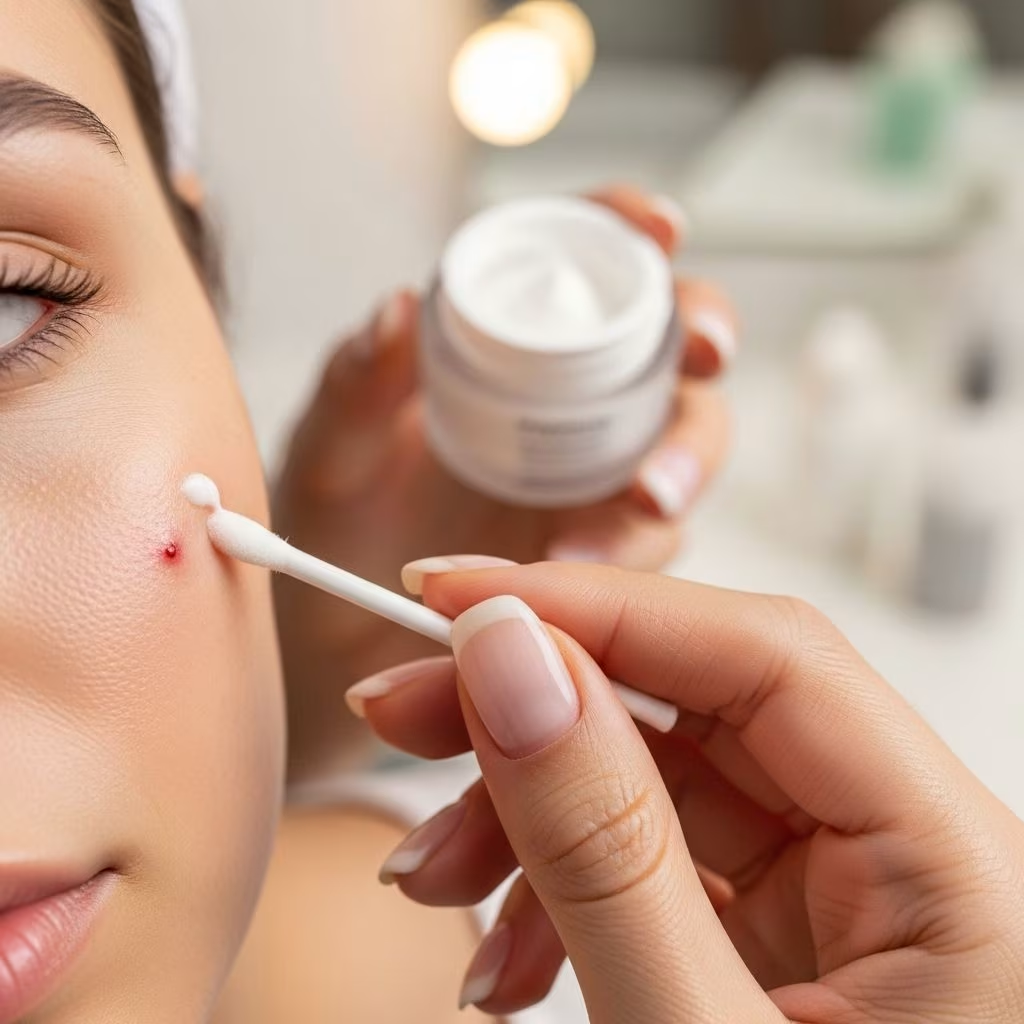
Blemishes and sudden breakouts can be frustrating at any age. Spot treatments are powerful tools to fight individual pimples, prevent further eruption, and restore skin confidence. But to unlock their full potential, it s crucial that you know how to apply spot treatments correctly. Misapplication can hamper results or even worsen irritation. This guide provides a complete, evidence-based approach to using spot treatments effectively, according to dermatologists and professional skincare advice.
Understanding Spot Treatments
Spot treatments are concentrated skincare products formulated to tackle localized blemishes such as pimples, whiteheads, blackheads, and, in some cases, dark spots or hyperpigmentation. Unlike all-over face serums or moisturizers, spot treatments are applied directly to the affected area only, delivering potent active ingredients to target problems without affecting the rest of the skin.
Spot treatments may contain:
- Benzoyl peroxide: Kills acne-causing bacteria and reduces inflammation.
- Salicylic acid (BHA): Unclogs pores and exfoliates inside follicles.
- Alpha hydroxy acids (AHAs): Exfoliate and help fade post-acne marks.
- Sulfur: Reduces swelling and dries out sebum.
- Niacinamide: Calms irritation and redness, supports the skin barrier.
- Hydrocolloid patches: Absorb pus and accelerate healing.
Some products specifically target pigment and post-inflammatory hyperpigmentation rather than active breakouts. Always read your product s label to understand what it s designed for and check for any skin sensitivities.
When Should You Apply Spot Treatments?
For most spot treatments, the ideal time for application is at night after cleansing and toning, but before moisturizer and serums. This sequence ensures that the active ingredients in the spot treatment make direct contact with clean skin, maximizing their penetrative effectiveness without competition from heavier products.
Daytime use may be permitted if your specific treatment allows for sun exposure, but many common ingredients like benzoyl peroxide and acids can increase photosensitivity or degrade with sunlight. Whenever applying during the day, always follow with sunscreen.
Timing Within Your Skincare Routine
- Cleanse and dry the face thoroughly.
- If using a toner, apply it next (let it absorb fully).
- Apply spot treatment directly to blemishes, before serums or creams (unless your skin is sensitive—see special cases below).
- Wait 1–2 minutes for the spot formulation to absorb/dry.
- Finish with moisturizer and, in the morning, broad-spectrum sunscreen.
Step-by-Step: How to Apply Spot Treatments Correctly
The technique matters as much as the product. Use the following method for precise, irritation-free results.
1. Cleanse Your Skin Thoroughly
Using a gentle, non-stripping cleanser, remove dirt, oil, and makeup from your face. Never apply spot treatments on dirty or makeup-laden skin—impurities can block absorption and worsen breakouts.
2. Spot-Clean the Blemish (If Needed)
For optimal hygiene, especially with open pimples, lightly clean the area with a damp, sterile cotton swab.
3. Dry Your Skin
Ensure the targeted area is fully dry before application. Excess moisture can dilute actives and prevent them from adhering effectively.
4. Dispense and Apply a Small Amount
- Dispense a tiny dot (about the size of a sunflower seed) of the product onto a fingertip or sterile cotton swab.
- Dab gently onto the affected area only. Do not rub or spread unnecessarily; keep the application localized to prevent irritation in surrounding healthy skin.
- For a cluster of blemishes or a small breakout zone, use a pea-sized amount and blend gently over just that area.
5. Allow to Absorb
Let the spot treatment dry for 1–2 minutes before adding moisturizer or layering other products on top.
6. Moisturize (If Needed)
Follow with a fragrance-free, non-comedogenic moisturizer. You may consider buffering (applying a thin layer of moisturizer before the spot treatment) if your skin barrier is compromised or you re prone to dryness from harsh spot actives like benzoyl peroxide.
7. Avoid Touching the Area
Do not touch or pick the blemish after application, as this can spread bacteria and reduce effectiveness.
How to Choose the Right Spot Treatment for Your Skin
Choosing the right product is essential for successful spot treatment. Consider:
- Skin type: Dry or sensitive skin may benefit from formulas with calming niacinamide or hydrating ingredients, while oily, acne-prone skin often responds well to salicylic acid or benzoyl peroxide.
- Type of blemish:
- For inflammatory pimples (red, painful): Benzoyl peroxide or a sulfur-based treatment.
- For blackheads and clogged pores: Salicylic acid or BHA-based formulas.
- For post-acne marks or hyperpigmentation: AHAs and niacinamide, or dedicated dark spot correctors.
- For sensitive or irritated skin: Hydrocolloid patches and soothing actives.
- Ingredients: Check for proven actives and avoid known irritants or allergens.
- Consistency of use: Some products are for overnight (e.g., drying lotions), others can be worn under makeup (e.g., pimple patches).
Comparing Common Spot Treatment Ingredients
| Ingredient | Main Benefit | Best For | Precautions |
|---|---|---|---|
| Benzoyl Peroxide | Kills bacteria, reduces inflammation | Red, pus-filled pimples | Can cause dryness, irritation |
| Salicylic Acid | Exfoliates, unclogs pores | Blackheads, clogged pores | May cause peeling with overuse |
| Sulfur | Absorbs oil, dries lesions | Oily acne, whiteheads | Can have odor, drying effect |
| Hydrocolloid | Draws out pus, speeds healing | Popped pimples, overnight repair | No major risks; non-irritating |
| AHAs (lactic/glycolic acid) | Fade marks, promote exfoliation | Dark spots, post-acne marks | Sun sensitivity |
Using Spot Treatments With Other Skincare Products
Spot treatments can interact (for better or worse) with other skincare ingredients. For effective and safe results:
- Avoid layering chemical exfoliants immediately before/after a strong spot treatment (e.g., don’t use an AHA toner and then benzoyl peroxide in the same area).
- Don’t apply thick, oily serums or occlusives before your spot treatment, as this can block absorption.
- If your spot treatment is irritating, apply as the last step before bed or use a moisturizer as a buffer to reduce dryness.
- Always patch test new products on a discreet area of skin to check for reactions, especially if you have sensitive or allergy-prone skin.
- Continue using sunscreen daily; some spot treatments make skin more photosensitive.
Common Mistakes and How to Avoid Them
- Overapplying product: Use only a minimal amount; applying too much can burn or peel skin and worsen irritation.
- Using spot treatments on unclean skin: Always cleanse first to maximize efficacy.
- Applying to large areas unnecessarily: These are targeted products; apply only where needed.
- Poor timing in the routine: Applying after moisturizer can block effectiveness unless skin is very sensitive and in need of buffering.
- Mixing incompatible ingredients: For example, retinoids and benzoyl peroxide can deactivate each other, and multiple acids can irritate.
- Popping pimples: Can lead to further inflammation or scarring. Let the product work instead.
- Not patch testing new treatments: Can result in allergic reactions.
- Not waiting for absorption: Let the spot treatment dry fully before adding moisturizer or makeup.
Dermatologist-Endorsed Tips for Better Results
- Cleansing is non-negotiable before any treatment step.
- Apply at the first sign of trouble: Early application on a forming blemish can speed up healing.
- Be gentle: Pat or dab; vigorous rubbing can spread bacteria and irritate the skin.
- If using alongside retinoids or exfoliating acids, alternate days or avoid overlap to prevent excessive irritation.
- Monitor your skin: If you notice peeling, redness, or intense dryness, reduce frequency or switch to a gentler formulation.
- Hydrocolloid patches are great overnight or for daytime protection under makeup. They create a barrier against picking and help blemishes heal faster (and they re easy to use—just stick on clean, dry skin and leave on as directed).
- Use sunscreen daily: Many spot treatments increase sun sensitivity.
Frequently Asked Questions (FAQs)
Q: Can I use a spot treatment every day?
A: Most spot treatments are designed for short-term, direct application as needed—overuse can dry or irritate skin. Follow the product instructions and monitor your response.
Q: Should spot treatments be used before or after moisturizer?
A: For most, apply on clean skin before moisturizer, unless your skin is very sensitive—in which case, apply a light moisturizer first to buffer potential irritation from harsh actives.
Q: Can I layer spot treatment under makeup?
A: Yes, but ensure it is fully dry before applying primer or foundation. Some pimple patches are specifically formulated to be invisible under makeup.
Q: Should I spot treat only visible pimples?
A: You can apply to early-stage blemishes (when you first feel a bump), but avoid using on large areas unless the product is formulated for that purpose (like some salicylic acid serums).
Q: Will spot treatments prevent future pimples?
A: They are best for acute, active blemishes. For prevention, maintain a full acne-conscious skincare routine (gentle cleansing, regular exfoliation, hydration, sunscreen) and use preventive treatments as directed.
Summary Table: Spot Treatment Do’s and Don’ts
| Do | Don’t |
|---|---|
| Cleanse thoroughly before application | Apply product on dirty or makeup-laden skin |
| Use minimal amount, just on affected area | Overapply or rub over large areas |
| Wait for product to absorb/dry before layering | Immediately apply moisturizer/makeup before it dries |
| Patch test new spot treatments on small area | Skip testing and risk allergic reactions |
| Follow product’s instructions closely | Mix multiple strong actives without research |
| Moisturize skin to prevent dryness | Neglect hydration, especially with strong actives |
| Use sunscreen daily for protection | Go without SPF when using acne actives |
Conclusion
Spot treatments can offer quick, targeted relief for breakouts—when used correctly. The key lies in careful application, diligent product selection, and integrating them thoughtfully into your routine. With patience and the proper steps outlined above, you can maximize the benefits and minimize irritation, supporting a clearer, healthier complexion every day.
References
- https://www.kiehls.com/skincare-advice/best-acne-spot-treatment.html
- https://www.skincare.com/skin-concerns/acne/when-to-apply-spot-treatment
- https://dermaltherapy.com.au/article/combining-acne-skincare-products/
- https://www.youtube.com/watch?v=j2Vypoy7Vls
- https://www.100percentpure.com/blogs/feed/the-dos-don-ts-of-acne-spot-treatments
- https://www.lovelyskin.com/videos/v/quick-guide-to-acne-spot-treatment
- https://theordinary.com/en-us/skincare-regimen-for-beginners.html
- https://slmdskincare.com/blogs/learn/how-to-build-the-best-acne-routine-for-you


