


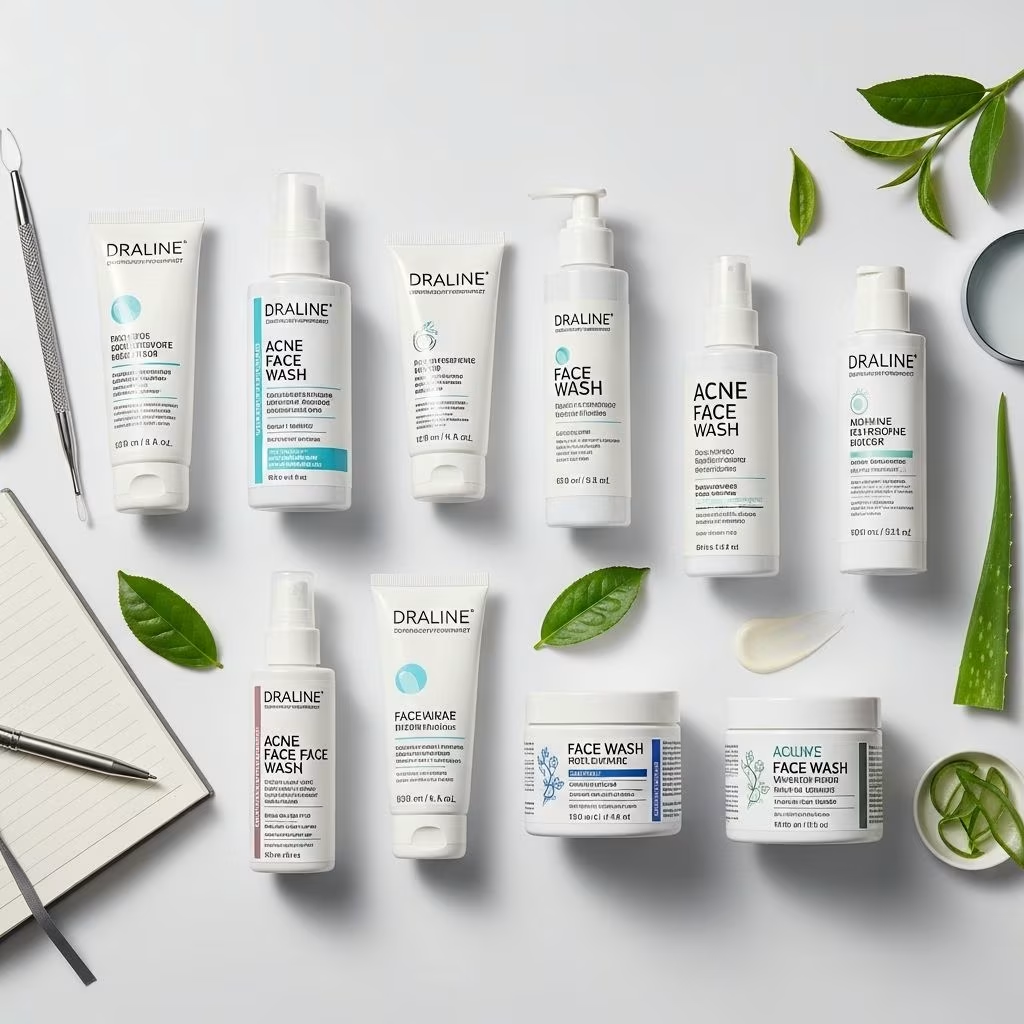
Dealing with acne-prone skin can be frustrating, especially when choosing the right face wash seems like an impossible task. With countless products claiming to be the ultimate solution, it’s essential to rely on expert recommendations from dermatologists who understand the science behind effective acne treatment. This comprehensive guide presents the top 10 dermatologist-recommended face washes specifically formulated for acne-prone skin, along with expert insights on ingredients, usage, and selection criteria.
Understanding Acne-Prone Skin
Acne-prone skin is characterized by frequent breakouts, including blackheads, whiteheads, papules, pustules, and in severe cases, cysts. This condition occurs when hair follicles become clogged with oil, dead skin cells, and bacteria, particularly Propionibacterium acnes. Several factors contribute to acne development, including hormonal fluctuations, genetics, diet, stress, and improper skincare routines.
The key to managing acne-prone skin lies in maintaining a consistent cleansing routine with products that effectively remove excess oil, unclog pores, and prevent bacterial growth without over-drying or irritating the skin. Dermatologists emphasize the importance of using gentle yet effective formulations that maintain the skin’s natural barrier while addressing acne concerns.
Key Ingredients to Look For
When selecting a face wash for acne-prone skin, dermatologists recommend looking for specific active ingredients that have proven efficacy in treating and preventing breakouts:
Salicylic Acid (Beta Hydroxy Acid): This oil-soluble ingredient penetrates deep into pores to dissolve excess oil and dead skin cells. It provides gentle exfoliation and has anti-inflammatory properties, making it ideal for treating blackheads and whiteheads. Most dermatologist-recommended products contain 0.5% to 2% salicylic acid.
Benzoyl Peroxide: This powerful antibacterial ingredient kills acne-causing bacteria and helps prevent new breakouts. Available in concentrations ranging from 2.5% to 10%, benzoyl peroxide is particularly effective for inflammatory acne. However, it can be drying and may cause irritation in sensitive individuals.
Glycolic Acid and Other AHAs: Alpha hydroxy acids help remove dead skin cells from the surface, promoting cell turnover and preventing clogged pores. They also help improve skin texture and reduce post-acne marks.
Niacinamide: This form of vitamin B3 helps regulate oil production, reduce inflammation, and strengthen the skin barrier. It’s particularly beneficial for those with sensitive or combination skin.
Ceramides: These lipid molecules help maintain the skin’s moisture barrier, preventing excessive dryness that can lead to increased oil production and irritation.
Top 10 Dermatologist-Recommended Face Washes for Acne-Prone Skin
1. CeraVe Acne Control Cleanser
This dermatologist-favorite contains 2% salicylic acid, niacinamide, and ceramides. The gentle cream-to-foam formula effectively controls oil and exfoliates without stripping the skin. Hectorite clay helps absorb excess shine, making it perfect for oily and combination skin types. The fragrance-free formula is suitable for sensitive skin and maintains the skin’s natural barrier.
2. Neutrogena Oil-Free Acne Wash
A classic drugstore option featuring 2% salicylic acid, this cleanser effectively dissolves dead skin cells and unclogs pores. Board-certified dermatologists praise its ability to reduce excess oil while remaining gentle enough for daily use. The affordable price point makes it accessible to most consumers, though some may find the fragrance irritating.
3. PanOxyl Acne Foaming Wash (10% Benzoyl Peroxide)
Recommended for severe cystic acne, this powerful cleanser contains the maximum over-the-counter concentration of benzoyl peroxide. It effectively kills acne-causing bacteria and prevents new breakouts. However, it can be quite drying, so dermatologists recommend starting with lower concentrations and gradually building tolerance.
4. La Roche-Posay Effaclar Medicated Gel Cleanser
This French pharmacy favorite contains 2% salicylic acid and is specifically formulated for hormonal acne. The gel texture creates a rich lather that removes impurities without over-drying. Thermal spring water provides soothing benefits, making it suitable for sensitive, acne-prone skin.
5. EltaMD Foaming Facial Cleanser
Ideal for dry, acne-prone skin, this gentle cleanser contains enzymes that provide mild exfoliation. It’s oil-free, fragrance-free, and pH-balanced, making it suitable for sensitive skin. Dermatologists often recommend this for patients using prescription acne medications that may cause dryness.
6. Differin Daily Deep Cleanser
Featuring 5% benzoyl peroxide, this cleanser offers antibacterial benefits with less irritation than higher concentrations. It’s aluminum-free and sulfate-free, making it gentler on sensitive skin. The lower benzoyl peroxide concentration makes it an excellent option for those new to this ingredient.
7. CeraVe Hydrating Facial Cleanser
Perfect for those with both acne and eczema, this non-foaming cleanser contains hyaluronic acid and ceramides. While it doesn’t contain active acne-fighting ingredients, it effectively removes makeup and impurities without disrupting the skin barrier, making it ideal for very sensitive, acne-prone skin.
8. Cetaphil Daily Facial Cleanser
This gentle, soap-free cleanser is recommended for combination skin types. It removes dirt, oil, and makeup without over-drying, making it suitable for daily use. The fragrance-free formula is non-comedogenic and won’t clog pores.
9. Bioré Charcoal Acne Daily Cleanser
Formulated with 2% salicylic acid and charcoal, this cleanser is particularly effective for blackheads and enlarged pores. The charcoal helps draw out impurities, while salicylic acid provides exfoliation. It’s best suited for oily skin types.
10. Glytone Mild Gel Cleanser
Safe for pregnancy and featuring glycolic acid, this cleanser provides gentle exfoliation suitable for adult acne. The mild formula won’t irritate sensitive skin and helps improve skin texture over time. It’s particularly beneficial for those dealing with post-acne marks and uneven skin tone.
How to Choose the Right Face Wash for Your Skin
Selecting the perfect face wash depends on several factors that dermatologists consider when making recommendations:
Skin Type Assessment: Determine whether your skin is oily, dry, combination, or sensitive. Oily skin can tolerate stronger formulations with higher concentrations of active ingredients, while dry or sensitive skin requires gentler options with moisturizing components.
Acne Severity: Mild acne with occasional breakouts may respond well to salicylic acid cleansers, while severe, cystic acne might require benzoyl peroxide formulations. Those with hormonal acne should look for ingredients that help regulate oil production.
Ingredient Tolerance: Some individuals may be sensitive to fragrances, dyes, or specific active ingredients. Always patch test new products and start with lower concentrations when trying new active ingredients.
Concurrent Treatments: If you’re using prescription acne medications like retinoids or topical antibiotics, choose a gentle cleanser that won’t cause additional irritation or interfere with your treatment regimen.
| Skin Type | Recommended Ingredients | Products to Consider |
|---|---|---|
| Oily | 2% Salicylic Acid, Benzoyl Peroxide | CeraVe Acne Control, PanOxyl |
| Dry/Sensitive | Ceramides, Hyaluronic Acid | CeraVe Hydrating, EltaMD Foaming |
| Combination | Mild Salicylic Acid, Niacinamide | Cetaphil Daily, La Roche-Posay Effaclar |
| Severe Acne | Benzoyl Peroxide 5-10% | PanOxyl, Differin Daily Deep |
Proper Usage Tips for Maximum Effectiveness
Dermatologists emphasize that proper usage is just as important as choosing the right product. Follow these expert-recommended guidelines for optimal results:
Frequency: Start with once daily use, preferably in the evening, and gradually increase to twice daily if your skin tolerates it well. Over-cleansing can strip the skin and actually worsen acne by triggering increased oil production.
Application Technique: Use lukewarm water and gently massage the cleanser onto damp skin for 30-60 seconds. Avoid scrubbing or using rough washcloths, which can irritate acne-prone skin and spread bacteria.
Follow-up Care: Always apply a non-comedogenic moisturizer after cleansing, even if your skin is oily. This helps maintain the skin barrier and prevents excessive dryness that can lead to more breakouts.
Sun Protection: Many acne treatments increase photosensitivity, making daily sunscreen application essential. Choose oil-free, non-comedogenic formulations specifically designed for acne-prone skin.
Common Mistakes to Avoid
Even with the right products, certain mistakes can sabotage your skincare routine and worsen acne:
Over-cleansing: Washing your face more than twice daily or using multiple acne products simultaneously can cause irritation and compromise the skin barrier, leading to more breakouts.
Skipping Moisturizer: Many people with acne-prone skin avoid moisturizer, fearing it will worsen breakouts. However, properly hydrated skin is less likely to overproduce oil and more resistant to irritation from acne treatments.
Expecting Immediate Results: Most acne treatments require 6-12 weeks to show significant improvement. Switching products too frequently can prevent you from seeing results and may irritate your skin.
Using Harsh Physical Exfoliants: Scrubs and brushes can damage acne-prone skin and spread bacteria. Stick to gentle chemical exfoliation with ingredients like salicylic acid or glycolic acid.
Frequently Asked Questions
Q: How often should I wash my face if I have acne-prone skin?
A: Dermatologists recommend washing your face twice daily – once in the morning and once before bed. Over-cleansing can strip the skin’s natural oils and actually worsen acne by triggering increased oil production.
Q: Can I use multiple acne-fighting ingredients in my routine?
A: While it’s possible to use multiple acne ingredients, it’s important to introduce them gradually and monitor your skin’s response. Combining benzoyl peroxide with retinoids or using multiple exfoliating acids can cause irritation. Consult a dermatologist for personalized advice.
Q: Why is my acne getting worse after starting a new face wash?
A: This could be due to several factors: purging (temporary worsening as the product brings existing clogs to the surface), sensitivity to ingredients, or over-use of the product. If the worsening continues beyond 4-6 weeks, discontinue use and consult a dermatologist.
Q: Are expensive face washes better than drugstore options for acne?
A: Not necessarily. Many dermatologist-recommended drugstore products contain the same active ingredients as expensive alternatives. The key is finding a product with proven ingredients that works for your specific skin type and concerns.
Q: Should I avoid all oils if I have acne-prone skin?
A: No, not all oils are comedogenic (pore-clogging). Some oils like jojoba or squalane can actually benefit acne-prone skin. However, avoid heavy, comedogenic oils like coconut oil or cocoa butter on your face.
Q: How long does it take to see results from a new acne face wash?
A: Most people begin to see improvement within 6-8 weeks of consistent use. However, it may take up to 12 weeks to see the full benefits. Be patient and consistent with your routine for best results.
Choosing the right face wash for acne-prone skin doesn’t have to be overwhelming. By understanding your skin type, selecting products with proven ingredients, and following proper usage guidelines, you can effectively manage breakouts and achieve clearer, healthier skin. Remember that consistency is key, and if over-the-counter options aren’t providing adequate results after 12 weeks, consult a dermatologist for additional treatment options including prescription medications that may be necessary for your specific skin concerns.
References
- https://skyatransdermic.com/blogs/news/top-10-dermatologist-recommended-face-wash
- https://www.healthline.com/health/15-face-washes-for-acne
- https://www.womenshealthmag.com/beauty/g43923860/best-salicylic-acid-cleansers/
- https://skintypesolutions.com/collections/affordable-cleansers-recommended-by-dermatologists
- https://www.cerave.com/skincare/cleansers/acne-salicylic-acid-cleanser


