


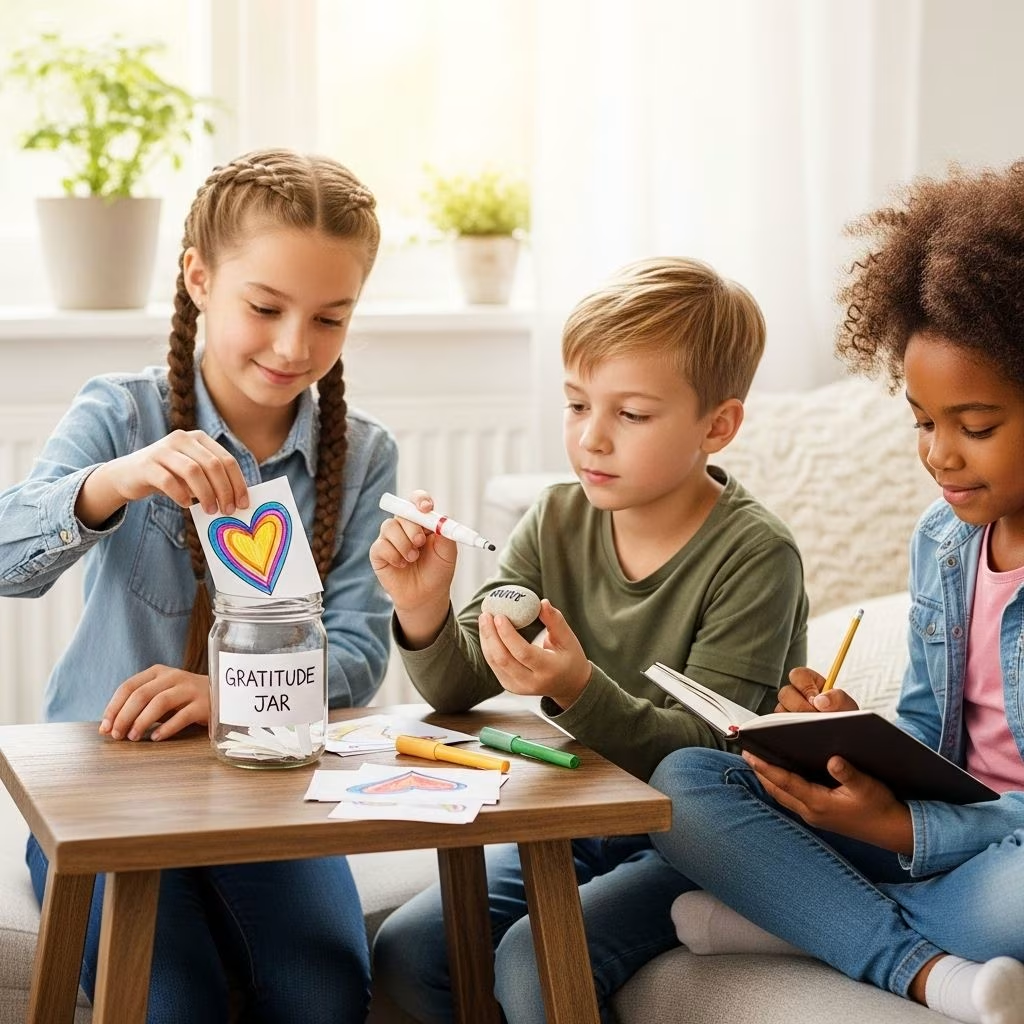
Introduction to Mindful Gratitude
Mindfulness and gratitude are fundamental values that can profoundly impact a child’s emotional and social development. By incorporating mindful practices into daily routines, parents can help their children cultivate a deep sense of gratitude and appreciation for life’s blessings. This article explores ten practical ways to teach gratitude mindfully to kids, helping them develop a positive outlook and a resilient mindset.
Why Gratitude Matters
Gratitude is linked to numerous benefits, including increased happiness, improved relationships, and better mental health. When children learn to appreciate the good things in their lives, they become more empathetic, resilient, and content. Mindfulness, combined with gratitude, enhances this effect by encouraging children to live in the present and appreciate the small joys that often go unnoticed.
10 Mindful Gratitude Activities for Kids
### 1. Model Gratitude
Children often mimic their parents’ behavior, so modeling gratitude is crucial. Express appreciation for small things, like family dinners or help with chores. This demonstrates to children that gratitude is a natural part of life.
### 2. Create a Gratitude Ritual
Establish a daily or weekly ritual where everyone shares something they are thankful for. This can be done before meals or bedtime. Using a gratitude journal is another effective way to solidify this practice.
### 3. Thankful ABC Activity
This activity involves listing things you are thankful for using each letter of the alphabet. It’s a fun way to encourage creativity and reflection on blessings.
### 4. My Gratitude Walk
Take a walk with your child and encourage them to notice and appreciate the sights, sounds, and smells around them. This activity helps them connect with nature and value the present moment.
### 5. Gratitude Scavenger Hunt
Create a list of items to find that represent things your child is grateful for. This could include a favorite toy or a family photo. As they find each item, they can share why it’s meaningful to them.
### 6. Gratitude Collage
Create a collage using pictures from magazines or newspapers that represent things your child is thankful for. This activity combines creativity with mindfulness.
### 7. Thankful Hearts
Have children write or draw what they are thankful for on heart-shaped paper. Then, display the hearts to create a visual reminder of gratitude.
### 8. Gratitude Yoga
Integrate gratitude into yoga sessions by encouraging children to reflect on their blessings during poses. This combines physical movement with mindfulness.
### 9. Gratitude Journals
Encourage children to write in a gratitude journal regularly. This could be done daily or weekly, focusing on the good things that happened during that time.
### 10. Gratitude Books
Read stories that highlight the value of gratitude. This can help children understand and appreciate the concept through relatable characters and narratives.
Mindful Breathing Techniques
Mindfulness and gratitude often go hand in hand with breathing exercises. Activities like the “5-finger breathing technique” can help children focus on the present moment and calm their minds.
Encourage Acts of Kindness
Teach children that gratitude is not just about receiving but also about giving. Encourage them to show appreciation by performing acts of kindness, such as sharing toys or helping with chores.
Frequently Asked Questions (FAQs)
Q: How do I start teaching gratitude to my children?
A: Begin by modeling gratitude yourself and establishing a simple gratitude ritual, like a daily or weekly sharing of things you are thankful for.
Q: What age is appropriate for teaching gratitude to children?
A: Children as young as 3 years old can start learning about gratitude through simple activities like reading books or pointing out things they should be thankful for.
Q: How can I make gratitude activities fun for my child?
A: Use creative activities like the Thankful ABC or Gratitude Collage to make learning about gratitude enjoyable and engaging.
Conclusion
Teaching gratitude mindfully to children is a valuable investment in their emotional well-being and social development. By incorporating these activities into your daily routine, you can help your child develop a lifelong appreciation for the good things in life. Remember to be patient and consistent, celebrating small victories along the way.
References
- https://parentingmattersfl.org/teaching-children-gratitude-mindfulness/
- https://mentalhealthcenterkids.com/blogs/articles/gratitude-activities-for-kids
- https://blissfulkids.com/5-awesome-mindful-gratitude-activities-for-kids/
- https://www.waterford.org/resources/mindfulnes-activities-for-kids/
- https://www.villagecommunityschool.org/items/bluejay-blog/single-blog/~board/bluejay-blog/post/nurturing-gratitude-10-proven-ways-to-instill-a-deep-sense-of-thankfulness-in-your-child
- https://www.allforkids.org/news/blog/how-to-teach-the-value-of-gratitude-to-children/
- https://www.mindful.org/four-ways-to-foster-gratitude-in-children/
- https://positivepsychology.com/gratitude-tree-kids/
- https://www.teachercreatedmaterials.com/free-spirit-publishing/blog/mindfulness-for-kids


