


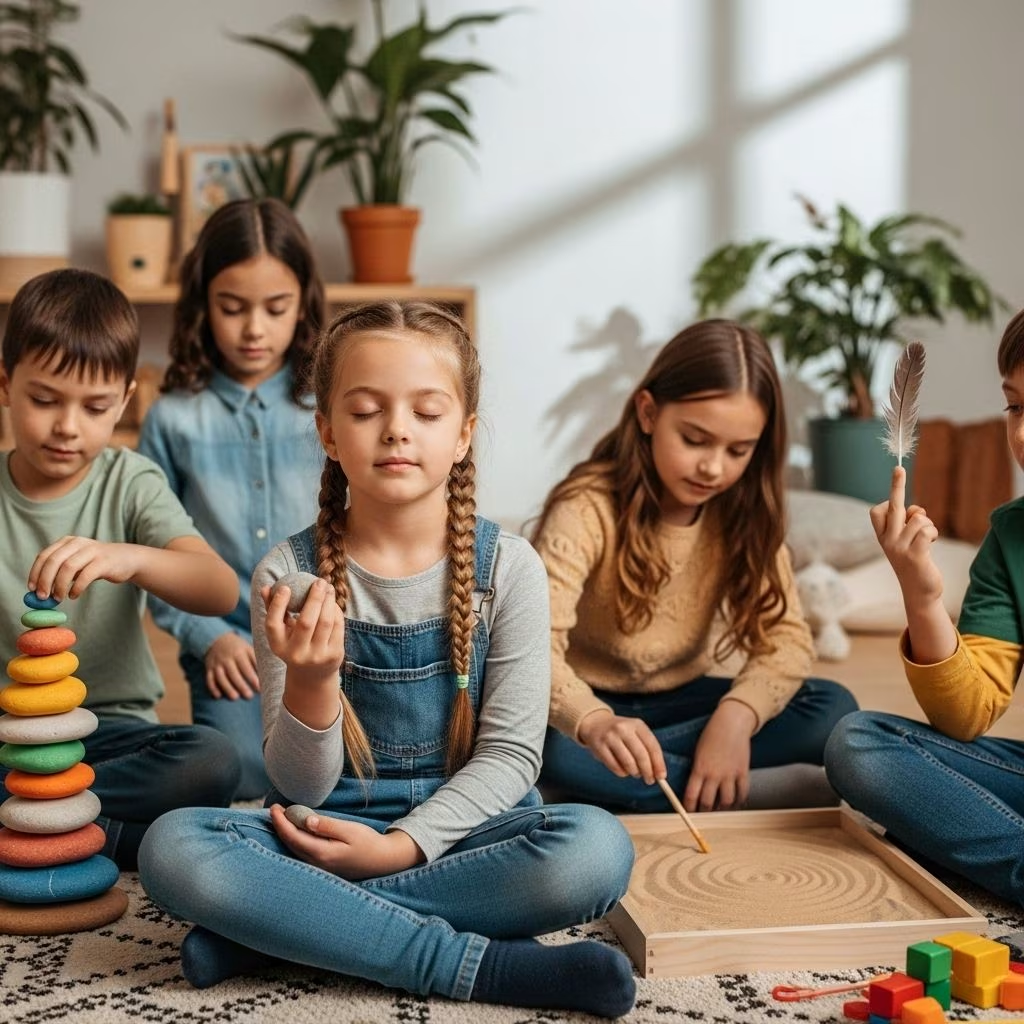
Helping kids cultivate mindfulness isn’t just about teaching them to sit still—it’s about sparking curiosity, connection, and calm through playful, accessible experiences. These 15 simple mindfulness games for kids encourage self-awareness, focus, and emotional balance, all while keeping things fun, light, and imaginative. Designed for use at home, in the classroom, or outdoors, these activities combine movement, breath, observation, and creative play, making mindfulness both joyful and sustainable for children of all ages.
Why Mindfulness Matters for Kids
Mindfulness—the practice of paying attention, on purpose, in the present moment, and without judgment—has profound benefits for children:
- Reduces anxiety and worry, supporting emotional resilience
- Improves focus, concentration, and memory—key for learning and growth
- Develops self-awareness and empathy, fostering healthy relationships
- Builds skills for self-regulation, helping kids manage strong feelings calmly
- Encourages joy, curiosity, and presence in everyday life
These benefits are especially valuable in early childhood and elementary years, when kids are rapidly developing social and emotional skills.
15 Fun and Easy Mindfulness Games for Children
These mindfulness games require little to no equipment and can be played in almost any environment. Each game is designed to cultivate a mindful skill—such as focusing attention, observing sensations, practicing compassion, or moving with awareness.
1. Eagle Flying
Skill focus: Mindful breathing, visualization, body movement
How to play: Ask children to stand with eyes closed and imagine turning into eagles. They visualize feathers, claws, wings. When ready, they open their eyes and “fly” slowly around, moving arms as wings. With each wing beat up, breathe in deeply; with each beat down, breathe out. This synchronizes movement with breath, settling both mind and body.
Tip: Encourage imaginative details—how does it feel to be an eagle?
2. Animal Dancing
Skill focus: Releasing tension, expressing emotion, playful movement
How to play: One child leads by naming an animal, and everyone moves and “acts” like that animal (e.g., hopping like frogs, roaring like lions). After a minute, the leader swaps and picks a new animal. Emphasize silly sounds and playful imitation. This game helps release pent-up energy and brings bodies and minds into the present moment.
3. Rainbow Walk
Skill focus: Awareness of surroundings, mindful observation
How to play: Go for a short walk and challenge children to find and name an object for every color of the rainbow (red, orange, yellow, green, blue, indigo, violet). This game encourages mindful walking and sharpens noticing skills.
Variation: Play indoors by spotting colored objects in the room.
4. Teddy Breathing
Skill focus: Deep breathing, body awareness, relaxation
How to play: Each child lies down with a teddy or soft toy on their belly. Instruct them to breathe slowly and deeply, watching the toy rise and fall. Try fast breaths, slow breaths, holding the breath, and encourage noticing how the teddy moves. It also works well at bedtime for calming down.
5. Bubble Bounce
Skill focus: Visual focus, patience, mindful looking
How to play: Blow a few bubbles into the air. Ask kids to watch a bubble, tracking it with their eyes until it pops or lands. Guide them to notice colors, shapes, and their breath as they follow the bubble. This activity quietly centers attention and promotes calm observation.
6. Bunny Breathing
Skill focus: Mindful breath, playfulness
How to play: Invite children to pretend to be rabbits, sniffing the air. Demonstrate how to take three quick “sniff” breaths through the nose and then exhale slowly (like a bunny’s twitching nose). Repeat several times, turning heads in different directions, making it fun and interactive.
7. Feather Ninja
Skill focus: Attention, body control, fine motor skills
How to play: In pairs, one is the ninja and the other drops a light feather from above. The ninja must catch the feather gently on their palm, foot, or even forehead without grabbing. The feather moves slowly, requiring patience, focus, and delicate effort. Try different levels of difficulty and switch roles for extra challenge.
Supplies: Buy small colorful craft feathers for best results.
8. Pinwheel Breathing
Skill focus: Controlled breathing, visual feedback
How to play: Sit with pinwheels and take long, slow breaths to make the pinwheel spin. Guide children to notice the speed of the pinwheel in response to fast or slow exhalations. This game connects breath with immediate visual feedback, making breath control engaging.
DIY: Make pinwheels using craft paper and a stick.
9. Snow Globe Minds
Skill focus: Visualization, emotion settling, calm awareness
How to play: Use a snow globe or a clear jar with glitter and water. Shake it up and invite children to watch the glitter settle. Explain that “feelings and thoughts are like glitter—we can watch them settle if we are patient.” This game helps kids visualize how busy minds become calmer over time.
10. Mindful Listening Sound Game
Skill focus: Attention to sound, auditory awareness
How to play: Ring a bell or chime. Ask children to listen carefully to the sound and raise a hand when they no longer hear it. Repeat with various sounds—a ticking clock, bird song, clapping. Pause and ask questions: “What did you notice?” “Was it easy or hard to pay attention?”
11. Anchor Game
Skill focus: Anchoring attention, concentration practice
How to play: Ask children to sit comfortably and place a hand on their tummy or chest, focusing on the gentle rise and fall as they breathe. Offer playful instructions: “If your mind goes wandering, gently bring it back to your anchor—the feeling of the breath.” Use fun props like a small beanbag instead of the hand.
12. Mindful Monkeys (Chain of Thoughts)
Skill focus: Thought awareness, letting go
How to play: Using small toy monkeys or cars, create a “chain” where each monkey represents a different thought or feeling. As children add to the chain, talk about how thoughts come and go. Encourage noticing, naming, and then letting each “monkey thought” move along the chain, teaching detachment from passing ideas.
13. Red Light, Green Light (Mindful Movement)
Skill focus: Self-control, observation, movement awareness
How to play: Play as usual with one child calling “green light” (go) and “red light” (stop). Add the twist—players must become statues and notice their bodies, feelings, and thoughts when stopping. Afterward, share: “What did you notice about stopping suddenly?” “How did it feel?”
14. Mindful Yoga Poses
Skill focus: Embodiment, balance, mindful movement
How to play: Choose simple poses like tree, cat-cow, or butterfly. Hold each pose for several slow breaths. Encourage children to feel each movement, noticing bodily sensations, balance, and breathing. Use stories to guide—”Stand tall as a tree! Sway gently in the wind.”
15. Mindfulness Bingo
Skill focus: Integrating diverse mindfulness practices, peer sharing
How to play: Create a bingo sheet with different mindfulness activities (mindful walk, gratitude moment, calm breath, noticing sounds, yoga pose, etc.). Over a week, children complete activities to win bingo. Celebrate completion with group reflection: “Which activity felt best?”
Tips for Teaching Mindfulness to Kids
- Keep it playful—Frame mindfulness as an adventure, not a chore.
- Use imagination—Role-play and visualize to engage young minds.
- Be patient and flexible—Children may squirm or laugh; that’s part of the process.
- Start with short sessions (2-5 minutes) and slowly increase over time.
- Model mindfulness—Show your own practice through words and actions.
- Celebrate efforts—Notice and praise children’s attempts at awareness, not just results.
Make mindfulness a natural part of daily routines, weaving it into transitions, playtimes, or even chores.
Frequently Asked Questions (FAQs)
Q: At what age can children start practicing mindfulness games?
Children as young as 3–4 years old can enjoy simple mindfulness activities, especially play-based ones focusing on movement, breath, and sensory awareness. Adapt language and goals depending on developmental level.
Q: How long should mindfulness activities last for kids?
Begin with just 2–5 minutes. As focus and interest build, lengthen sessions to 10–15 minutes, or repeat games throughout the day. Short, frequent activities are best for younger children.
Q: Are mindfulness games suitable for children with anxiety or special needs?
Yes—most mindfulness games can be adapted for kids with anxiety, ADHD, or sensory needs. Use extra visual aids, props, or story-based scenarios. Let children move at their own pace and offer breaks if they become overwhelmed.
Q: Can mindfulness games be played in the classroom?
Absolutely. These games are perfect for classrooms, helping students refocus, build community, and unwind. Try group activities as morning warmups or transitions between lessons.
Q: What should I do if my child resists mindfulness activities?
Stay patient and make activities playful and voluntary—never force participation. Try new games, incorporate favorite toys or music, and join the activities yourself to model interest.
Quick Reference Table: Mindfulness Games, Skills, and Materials
| Game | Mindfulness Skill | Materials Needed |
|---|---|---|
| Eagle Flying | Breath & Movement | Open space |
| Animal Dancing | Body Awareness, Expression | None |
| Rainbow Walk | Observation | Outdoors/Indoors |
| Teddy Breathing | Deep Breathing | Soft toy |
| Bubble Bounce | Visual Focus | Bubbles |
| Bunny Breathing | Breath Awareness | None |
| Feather Ninja | Fine Motor, Patience | Feathers |
| Pinwheel Breathing | Controlled Breathing | Pinwheels |
| Snow Globe Minds | Visualization | Snow globe or glitter jar |
| Mindful Listening | Attention to Sound | Bell, chime or timer |
| Anchor Game | Concentration | Hand or beanbag |
| Mindful Monkeys | Thought Awareness | Toy monkeys or cars |
| Red Light, Green Light | Movement Control | Open space |
| Mindful Yoga Poses | Bodily Awareness | Mat (optional) |
| Mindful Bingo | Routine Integration | Bingo sheet |
By inviting your child or students into these engaging, simple mindful games, you’re helping them establish positive habits for life—cultivating calm, kindness, and confidence with every breath and playful moment.
References
- https://earlyimpactlearning.com/16-mindfulness-activities-for-preschoolers/
- https://susankaisergreenland.com/mindful-games-activity-cards
- https://blissfulkids.com/mindfulness-games-for-kids-feather-ninja/
- https://www.waterford.org/resources/mindfulnes-activities-for-kids/
- https://positivepsychology.com/mindfulness-for-kids/
- https://www.childsplayinaction.com/listening-fun-play-mindfulness-game/
- http://www.unm.edu/~unmvclib/gamification/cards/mindfulgamescards.pdf
- https://www.youtube.com/watch?v=UEuFi9PxKuo


