


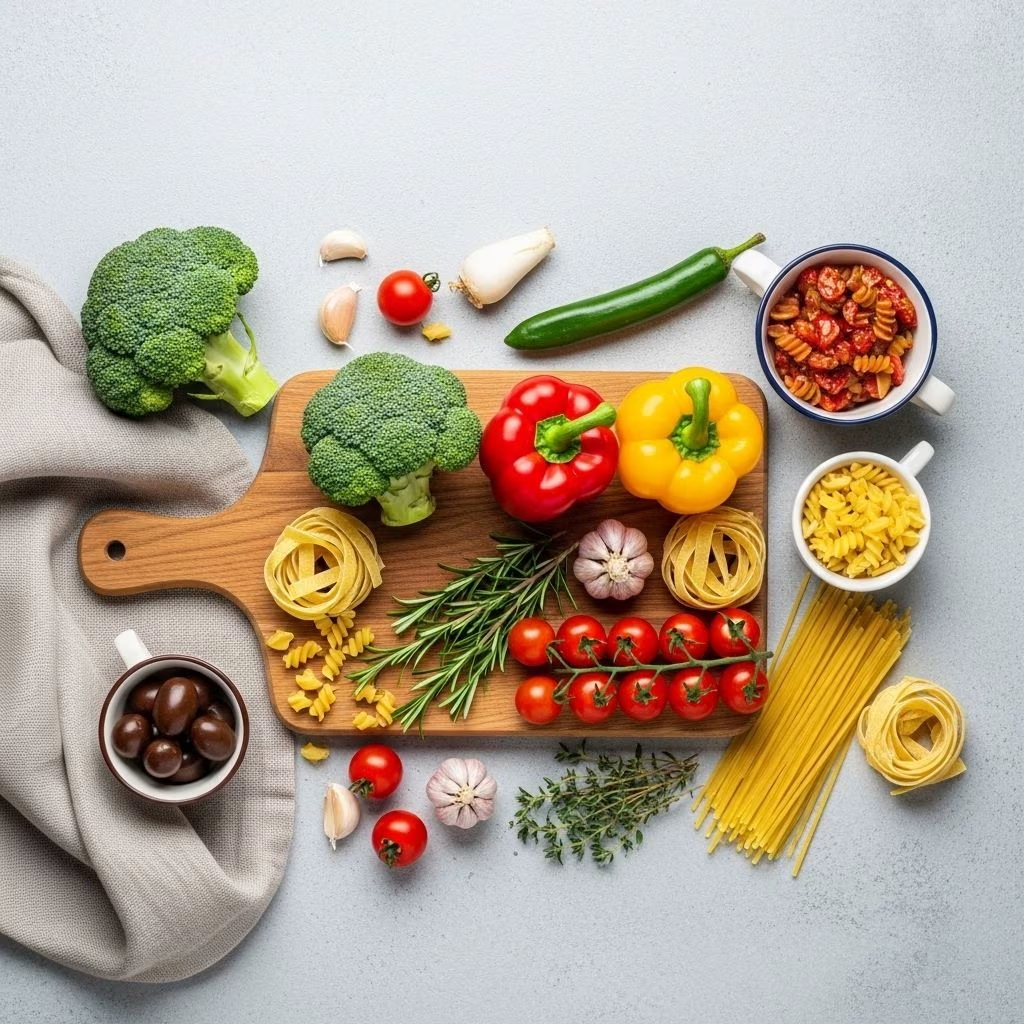
Meal planning is a practical approach to ensure nutritious, cost-effective, and stress-free eating, no matter your schedule or dietary needs. By understanding the various methods available, you can tailor your meal planning routine to best fit your lifestyle and goals. This guide explores five of the most common meal planning methods—from batch cooking to flexible models—empowering you to take control of your meals and make the process enjoyable and sustainable.
Introduction: Why Meal Planning Matters
Meal planning involves organizing your meals in advance, usually for the week ahead or longer. This practice not only saves time and reduces mealtime stress, but it also supports healthier eating habits, minimizes food waste, and helps you stick to a budget.
With a variety of methods to choose from, there’s a meal planning style suitable for every person, whether you love routines, crave flexibility, or need meals ready in minutes.
1. Batch Cooking
Batch cooking is a method where you prepare large quantities of food at once, then portion and store them for future meals. This approach is especially useful for busy individuals, families, or anyone seeking to streamline their weekday cooking routine.
How Batch Cooking Works
- Choose recipes that scale well—such as soups, stews, casseroles, or grain bowls.
- Shop for ingredients and cook in bulk, usually dedicating a few hours on a weekend or free evening.
- Portion meals into containers for the fridge (for use over the next few days) or freezer (for longer storage).
- Grab pre-made meals to reheat on busy days.
Benefits
- Saves daily cooking time and reduces decision fatigue.
- Enables portion control and healthy eating.
- Minimizes food waste by using up ingredients all at once.
- Ideal for those with fixed or unpredictable schedules.
Best For
- Busy professionals
- Families with differing meal times
- Anyone focused on health or portion control
Pro Tips
- Invest in high-quality airtight containers for optimal storage.
- Label portions with dates for easy rotation.
- Rotate recipes each week to avoid meal fatigue.
Batch cooking overlaps with freezer meal prep, where meals are stored in the freezer to last for weeks or months.
2. Theme Nights
Theme nights organize your meal plan by assigning a theme to each night of the week—such as “Meatless Monday,” “Taco Tuesday,” or “Soup Sunday.” This structure streamlines meal planning and can make weeknight dinners more fun.
How Theme Nights Work
- Select a theme for each day of the week
- Plan dishes that fit the theme (e.g., Italian for Wednesdays, stir-fry for Fridays)
- Rotate recipes within each theme to keep things fresh
Sample Week of Theme Nights
- Monday: Meatless meals (vegetarian or vegan)
- Tuesday: Mexican cuisine (tacos, enchiladas, burrito bowls)
- Wednesday: Pasta night
- Thursday: Stir-fry or Asian-inspired
- Friday: Pizza night or build-your-own flatbread
- Saturday: Grill or barbecue
- Sunday: Soup or slow cooker night
Benefits
- Makes meal planning easier by narrowing choices
- Adds variety and excitement to weekly meals
- Helps families establish routines children can look forward to
Best For
- Families with children
- Anyone who gets overwhelmed by too many options
Pro Tips
- Involve the whole family in choosing themes
- Switch up or rotate themes each month
- Combine with batch cooking for maximum efficiency
3. Monthly or Long-Term Meal Planning
Monthly (or long-term) meal planning involves outlining all your meals for a month in advance. This approach minimizes shopping trips, saves planning time in the long run, and can offer significant cost savings.
How Monthly Meal Planning Works
- Draft a calendar with meal assignments for each day
- Repeat favorite family meals to fill the month quickly
- Create bulk grocery lists and do large, infrequent shopping trips
- Portion fresh produce for early in the month, and shelf-stable or freezer meals for later
Benefits
- Reduces grocery visits
- Encourages bulk purchasing and cost savings
- Allows for more strategic nutritional planning
Best For
- Those with highly structured routines
- Anyone aiming to reduce shopping frequency
- The budget-conscious
Pro Tips
- Maintain a digital or printed copy of your monthly menu
- Allow for a few “flex nights” for dining out or surprise leftovers
- Batch cook and freeze several portions for later in the month
4. Recipe-Based Meal Planning
The recipe-based method involves selecting specific recipes—new or family favorites—to fill your meal plan. Each week or month, you decide in advance which recipes to use, then make shopping lists accordingly.
How Recipe-Based Planning Works
- Select a mix of tried-and-true meals and new dishes to keep things interesting
- Assign recipes to specific days or keep them unassigned for flexibility
- Create a detailed grocery list based on selected recipes
- Review and adjust based on ingredients you have on hand
Benefits
- Great for adventurous eaters and home cooks
- Ensures variety and exploration of new cuisines
- Reduces risk of meal repetition fatigue
Best For
- Home cooks who enjoy trying new recipes
- Foodies and culinary explorers
Pro Tips
- Limit yourself to one or two new recipes per week to avoid overwhelm
- Keep a “back pocket” list of fast, easy go-to recipes for busy days
- Make notes on what worked and what didn’t for future meal planning
5. Staple/Ingredient-Based Meal Planning (Flexible Planning)
The staple or ingredient-based model—also called flexible meal planning—focuses on stocking your kitchen with versatile staple ingredients and improvising meals based on what you have on hand. You prep building blocks for meals (e.g., cooked grains, assorted proteins, chopped veggies), then mix and match throughout the week based on taste and time.
How the Staple Model Works
- Keep a regularly updated list of staple foods (beans, grains, eggs, dairy, frozen veggies, proteins, etc.)
- Prep common ingredients in advance for quick assembly
- Let availability, cravings, or sales inspire your meals
Benefits
- Offers maximum flexibility and adaptability
- Reduces food waste by using up what’s available
- Encourages creativity and less routine
Best For
- Experienced cooks comfortable improvising
- People with unpredictable schedules
- Anyone who loves variety and spontaneous meals
Pro Tips
- Rotate staples regularly and try new combinations
- Maintain an organized pantry and refrigerator
- Grow your repertoire of quick, staple-based meal ideas
Comparison Table: Pros & Cons of Meal Planning Methods
| Meal Planning Method | Main Features | Best For | Challenges |
|---|---|---|---|
| Batch Cooking | Cook large amounts at once, portion for the week | Busy individuals, families, health-focused | Requires upfront time; can get repetitive |
| Theme Nights | Assign themes to days | Families, routine-lovers, beginners | May require more planning to ensure variety |
| Monthly/Long-Term | Plan meals for a whole month | Budget-focused, those reducing shopping trips | Less adaptable to changing tastes/schedules |
| Recipe-Based | Pick specific recipes | Home cooks, foodies | Time required for planning/shopping; risk of overcomplicating |
| Staple Model | Stock basics, improvise meals | Creative cooks, spontaneous eaters | May lack structure; not ideal for novices |
Expert Tips for Successful Meal Planning
- Start Small: If new to meal planning, begin by planning 2-3 dinners each week and build up as you find what works for you.
- Stay Flexible: Allow room for occasional spontaneity and don’t be afraid to swap meals as needed.
- Prep Ingredients: Even if not batch cooking whole meals, pre-chop veggies and proteins for fast assembly.
- Review What You Have: Use up pantry and fridge staples before buying more.
- Get Input: Involve your household in meal selection to ensure everyone’s preferences are represented.
- Make It Enjoyable: Play music, involve kids, or treat meal prep as a family bonding time.
Frequently Asked Questions (FAQs)
Q: Which meal planning method is best for absolute beginners?
A: Theme nights and batch cooking are often easiest for newcomers, offering straightforward routines and helping to minimize daily meal decisions.
Q: Can I combine meal planning methods?
A: Absolutely—in fact, many people find greatest success with a hybrid approach, such as using batch cooking for lunches and theme nights for dinners.
Q: How can meal planning help save money?
A: By planning in advance, you can buy items in bulk, reduce expensive takeout purchases, and ensure you use up perishable foods before they spoil, which lowers food waste and grocery bills.
Q: What tools help with meal planning?
A: Digital tools like phone apps or spreadsheets, printable meal planners, grocery list generators, and even old-fashioned notepads all work. Using airtight meal prep containers and a reliable set of basic recipes also helps.
Q: Is it possible to meal plan for special diets (vegetarian, gluten-free, etc.)?
A: Yes! All five methods can be tailored for special diets. Focus on recipes or ingredients that fit your needs and seek inspiration from blogs or meal planning resources in your dietary niche.
References
- Erin Condren: Meal Planning Tips for Beginners
- Simply Rebekah: 10 Different Meal Planning Methods
- Heinen’s Grocery: The Rules & Models of Meal Planning
- Luxford Nutrition: Types of Meal Planning
- MyPlate.gov: Meal Planning
References
- https://www.erincondren.com/inspiration-center-meal-planning-tips-for-beginners
- https://simplyrebekah.com/meal-planning-methods/
- https://www.heinens.com/stories/the-rules-models-of-meal-planning/
- https://luxfordnutrition.com/types-of-meal-planning/
- https://nutritionsource.hsph.harvard.edu/meal-prep/
- https://pmc.ncbi.nlm.nih.gov/articles/PMC4501369/
- https://www.myplate.gov/tip-sheet/meal-planning
- https://www.mayoclinic.org/healthy-lifestyle/nutrition-and-healthy-eating/in-depth/healthy-meals/art-20546806


