


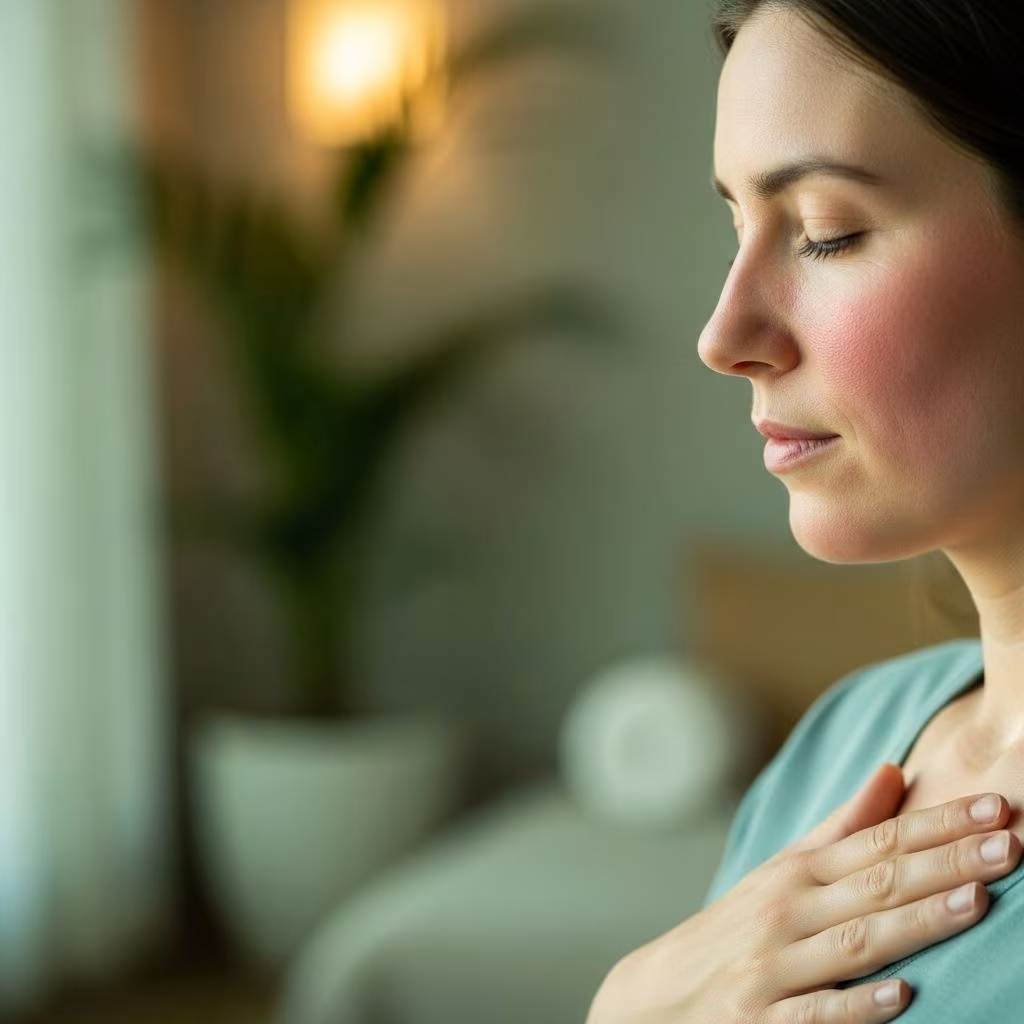
Rosacea, a chronic skin condition characterized by facial redness, flare-ups, and visible blood vessels, can feel unpredictable and uncomfortable. For millions worldwide, the symptoms not only impact skin health but also daily confidence. Medical research and patient experiences consistently show that stress is a leading trigger for rosacea flare-ups. Fortunately, learning effective 5-minute breathing exercises may help calm the mind and body, break the stress-rosacea cycle, and provide immediate skin relief without medication or invasive therapies.
Understanding Rosacea and Its Triggers
Rosacea is a chronic skin disorder, most common among adults between ages 30 and 50, especially those with light skin. Symptoms often include:
- Redness and flushing on the cheeks, nose, chin, or forehead
- Visible blood vessels
- Bumps and pimples that resemble acne
- Sensitivity, burning, or stinging
The condition cycles between periods of remission and flare-ups, which may last from a few days to several weeks or months. According to dermatologists and patient surveys, major triggers for flare-ups include:
- Emotional stress
- Heat exposure and hot beverages
- Spicy foods and alcohol
- Direct sun or wind exposure
- Certain skincare products
Stress, in particular, can trigger or intensify symptoms by increasing body temperature and inflammatory mediators in the skin, making managing stress a cornerstone of rosacea control.
Why Breathing Exercises Work for Rosacea
Breathing exercises, especially deep and mindful techniques, are among the most recommended non-pharmaceutical methods for controlling both stress and the physiological responses associated with rosacea. Here’s how conscious breathing can support clearer, calmer skin:
- Reduces stress hormones: Deep breathing has been shown to lower cortisol (the body’s major stress hormone), which can decrease inflammation and sensitivity in rosacea-prone skin.
- Regulates body temperature: Slower breathing helps reins in autonomic nervous system activity, stabilizing body heat—an important factor, since overheating can provoke flare-ups.
- Improves blood flow: Controlled inhalation and exhalation can support healthy circulation without the sudden rush of blood that leads to flushing.
- Encourages mindfulness and relaxation: Regular breathing routines bolster emotional resilience, making it easier to manage the anxiety, embarrassment, or frustration that sometimes accompanies rosacea.
5-Minute Breathing Exercises for Rosacea Flare-Ups
The following five breathing exercises, each lasting about five minutes, are both simple and effective for calming rosacea flare-ups. Try them at the first sign of flushing or incorporate them as a daily preventive habit. Select the one that best matches your preference, or alternate between them:
1. Slow Deep Breathing (The 10-Second Breath)
This exercise is specifically recommended by dermatologists for rosacea sufferers when stressed.
- Sit comfortably, with your back supported and feet flat on the floor.
- Inhale gently through your nose to a slow count of 10.
- Pause briefly (1-2 seconds), focusing on the feeling of fullness in your lungs.
- Exhale slowly through your mouth or nose to a slow count of 10.
- Repeat for at least five full breath cycles (about 5 minutes).
This technique calms both the body and mind quickly, helping to interrupt the stress cascade that worsens rosacea.
2. Box Breathing (Four-Square Breathing)
This method, popular among nurses and athletes, is designed to regulate breathing and increase resilience to stressors:
- Inhale gently through your nose for a count of 4.
- Hold your breath for a count of 4.
- Exhale slowly and smoothly through your mouth for a count of 4.
- Pause and hold for 4 counts before inhaling again.
- Repeat the cycle for 5 minutes.
Box breathing is ideal for moments when you need fast anxiety control or when a flare-up feels imminent.
3. Diaphragmatic (Belly) Breathing
This foundational technique maximizes oxygen intake, lowers heart rate, and enhances overall relaxation:
- Sit or lie down comfortably. Place one hand on your chest and the other on your abdomen.
- Inhale deeply through your nose, letting your abdomen expand (your lower hand should rise, chest remains relatively still).
- Exhale slowly through pursed lips, feeling your abdomen fall.
- Continue at a slow, steady pace for 5 minutes, focusing on the gentle movement of your belly.
Try using this exercise before sleep or in the morning to reduce overall stress levels.
4. 4-7-8 Breathing
This technique, developed by Dr. Andrew Weil, helps activate the parasympathetic (rest-and-digest) nervous system, reducing flush and anxiety:
- Inhale gently through your nose for a count of 4.
- Hold your breath for a count of 7.
- Exhale slowly and completely through your mouth for a count of 8.
- Repeat the cycle four times (this generally takes about 5 minutes).
4-7-8 breathing is particularly effective for calming intense emotions and immediate skin reactivity.
5. Mindful Counting or Observation Breathing
For individuals who find structured techniques stressful, simply observing the breath can restore calm and break the flare-up cycle:
- Close your eyes and direct your attention to the natural flow of your breath.
- Count each inhale and exhale up to 10, then repeat.
- If your mind wanders, gently redirect your focus without judgment.
- Continue for 5 minutes, noticing subtle changes in your mind and skin’s sensation.
Tips and Techniques: Getting the Most from Breathing Practice
For breathing to have a meaningful impact on rosacea flare-ups, consistency and gentle adaptability are key. Here are expert-backed strategies to maximize results:
- Incorporate twice daily: Practice one of these exercises every morning and evening, as part of your skin care or relaxation routine, to proactively reduce baseline stress.
- Respond to triggers: Use a breathing technique as soon as you sense a trigger (stressful event, heat, embarrassment) to minimize the risk or severity of a flare-up.
- Pair with soothing skin care: Apply a cool compress or gentle moisturizer before breathing for additional comfort.
- Stay cool and hydrated: Drink cold water before or during breathing practice to further stabilize body temperature.
- Track your progress: Log episodes and what techniques worked best to refine your personal flare-up toolkit.
Lifestyle Strategies to Complement Breathing Exercises
While 5-minute breathing is an accessible and effective tool, controlling rosacea involves a wider lifestyle approach. Integrate these practices for best long-term results:
- Identify and avoid your triggers: These commonly include sunlight, wind, heat, spicy foods, alcohol, and cosmetic irritants.
- Optimize your skin care: Use non-irritating, fragrance-free cleansers and moisturizers designed for sensitive skin. Avoid harsh exfoliants, alcohol-based products, and menthol.
- Protect your skin every day: Apply a broad-spectrum SPF 30+ sunscreen formulated for sensitive skin, wear hats, and use protective scarves against wind or cold.
- Stay physically cool: Use fans, cold packs, and avoid hot showers. During exercise, stick to lower-intensity routines indoors or in cool environments.
- Manage overall health: Ensure regular sleep, balanced nutrition, adequate hydration, and gentle movement (yoga, slow walks).
Support your self-care routines with regular check-ins from your dermatologist, especially for persistent or severe symptoms. Combining professional guidance with daily relaxation habits is the smartest way to keep rosacea under control.
Frequently Asked Questions (FAQs)
Q: Can stress and anxiety really cause rosacea to flare up?
A: Yes, stress and anxiety are well-documented triggers for rosacea, according to dermatology research. They increase body temperature and inflammatory mediators, making skin more prone to redness and flushing.
Q: How quickly do breathing exercises work to calm a rosacea flare?
A: Most people notice a sense of calm and some reduction in flushing within five minutes when using deep, mindful breathing exercises. The key is to respond promptly when symptoms begin.
Q: Should I do breathing exercises only during a flare-up, or can they prevent symptoms?
A: Breathing exercises can be both preventive (when practiced daily) and therapeutic (during a flare). Regular practice reduces overall stress reactivity and the likelihood of flare-ups.
Q: What should I do if breathing exercises and self-care are not enough?
A: Persistent or severe rosacea may require medical treatment, including topical medications or oral therapies prescribed by a dermatologist. Always seek professional advice if your symptoms interfere with quality of life.
Q: Are there specific times of day that are best for breathing exercises?
A: Many experts recommend practicing in the morning to set a calm tone for the day and in the evening to wind down. Additionally, use breathing anytime you notice flushing or stress rising.
Summary Table: Quick Guide to 5-Min Breathing for Rosacea
| Technique | How to Do | Main Benefit |
|---|---|---|
| Slow Deep Breathing | Inhale/Exhale for 10 counts each | Rapid calming, easy at work/home |
| Box Breathing | 4 counts in, hold, out, hold | Balances mind and body |
| Diaphragmatic Breathing | Belly rises/falls with each gentle breath | Reduces stress long-term |
| 4-7-8 Breathing | 4 in, 7 hold, 8 out | Quick reduction in anxiety/redness |
| Mindful Breath Counting | Notice and count each natural breath | Increases mindfulness, accessible for all |
Final Thoughts
Rosacea may be a lifelong companion, but it does not have to control your skin or your days. Simple, consistent 5-minute breathing exercises can break the stress-flare-up cycle and offer tangible relief while supporting your broader journey to healthy, confident skin. Remember to personalize practices, combine with sensitive skin care, and consult with your dermatologist for lasting success.
References
- https://www.healthline.com/health/how-long-does-a-rosacea-flare-up-last
- https://www.rosacea.org/press/2016/march/lifestyle-tips-help-keep-rosacea-at-bay
- https://dermatologyseattle.com/rosacea-flare-up-triggers-and-treatment/
- https://www.aad.org/public/diseases/rosacea/triggers/prevent
- https://www.eastondermatology.com/blog/7-lifestyle-habits-to-help-minimize-rosacea-flares
- https://drarielostad.com/3-common-rosacea-triggers-and-how-to-treat-it/
- https://theskinartistry.com/mindfulness-practices-for-rosacea-relief/
- https://www.hinesdermatologyassociates.com/blog/7-simple-ways-to-reduce-rosacea-flare-ups


