


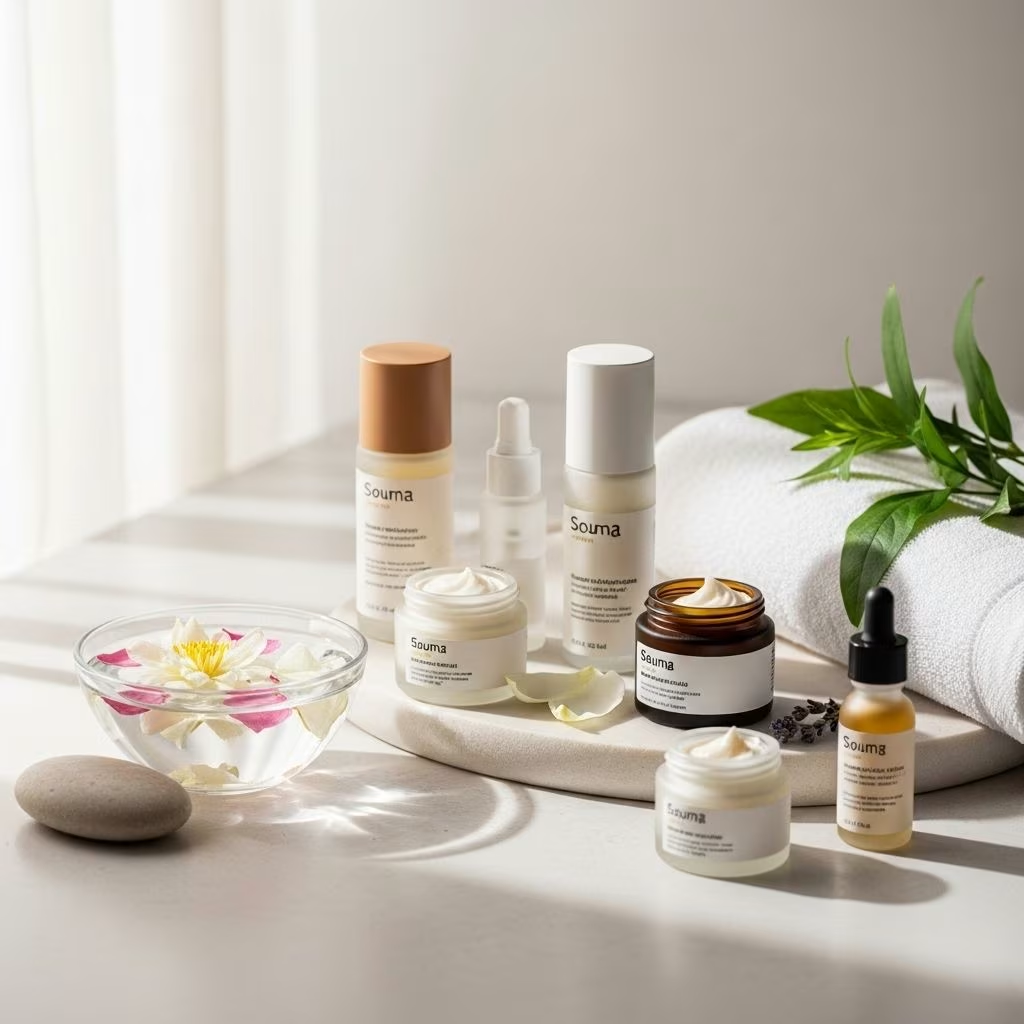
Understanding the interplay between mindfulness and skincare can unlock both visible and profound changes in how our skin looks, feels, and ages. Dermatologists increasingly recognize that stress, emotional well-being, and daily rituals directly influence the skin’s health. Integrating mindfulness techniques into skincare routines empowers individuals not only to achieve healthier complexions but also to nurture their overall mental and physical wellness.
Why Mindfulness Matters for Skin Health
Modern dermatology acknowledges the crucial link between mental well-being and skin health. Mindfulness—the practice of being present and fully engaged in the moment—can greatly influence the skin’s condition by reducing stress-related inflammation and supporting optimal healing and resilience. Routinely practicing mindfulness has been shown to:
- Lower stress hormones (including cortisol), which are known to worsen inflammatory skin conditions.
- Enhance blood flow to the skin, improving oxygenation and nutrient delivery.
- Support emotional balance, improving self-confidence and body image.
- Reduce symptoms of conditions such as acne, psoriasis, and eczema.
The Science: Mind-Body Connections in Dermatology
The skin is the body’s largest organ and is uniquely sensitive to emotional and psychological states. Research demonstrates several key pathways by which psychological stress and emotional distress affect skin:
- Neuroendocrine Response: Stress activates the hypothalamic-pituitary-adrenal (HPA) axis, leading to increased cortisol production and inflammation in the skin.
- Immune Function: Chronic stress can lower immunity, impair skin barrier function, and trigger flare-ups of inflammatory conditions.
- Quality of Life: Visible skin conditions often result in anxiety, social withdrawal, and depression, creating a feedback loop that worsens the skin.
In a prominent study, higher levels of mindfulness correlated with lower reported anxiety, depression, skin shame, and significantly better quality of life in patients with visible dermatological conditions.
How Stress Impacts Your Skin
Stress doesn’t simply affect your internal state—it visibly alters your skin. Elevated stress hormones have been linked to:
- Exacerbated Acne: Increased sebum production, inflammation, and slower healing.
- Poor Skin Barrier: Greater transepidermal water loss, leading to dryness and irritation.
- Flares of Chronic Conditions: Psoriasis, eczema, and rosacea can all worsen during times of emotional turmoil[10].
- Premature Aging: Chronic stress contributes to collagen breakdown, reducing skin elasticity and leading to fine lines.
By reducing stress and bringing awareness to both mind and body during daily routines, many individuals notice improvements in both flare frequency and baseline skin quality.
Mindful Skincare Routines: Practical Steps
Transforming your daily skincare into a mindful ritual offers benefits both for your complexion and your peace of mind. Here’s how to shift from autopilot to purposeful self-care:
- Create the Space: Set aside distraction-free time. Dim the lights, light a candle, or use calming music or essential oils to signal a moment just for you.
- Engage the Senses: Focus on the sensations as you cleanse—note the water’s temperature, the texture of your cleanser, the aroma of your moisturizer.
- Breathe with Intention: Take deep, slow breaths. Inhaling as you apply serum, exhaling as you smooth a moisturizer, visualizing tension melting away.
- Slow the Pace: Move deliberately, massaging each product in gentle, mindful motions. The point is not speed, but nourishment and presence.
- Practice Self-Compassion: Be kind to yourself, releasing judgment about imperfections. Mindfulness invites acceptance, which is healing both emotionally and physically.
Approaching skincare in this way enhances product absorption and maximizes therapeutic outcomes.
The Pillars of Mindful Skincare
| Aspect | Mindful Approach | Dermatologist’s Perspective |
|---|---|---|
| Product Application | Apply with intention, focus on touch and breath | Gentle massages enhance blood flow & product delivery |
| Routine Consistency | Develop a ritual, not a chore | Regular routines support skin healing & barrier strength |
| Self-Observation | Notice how products make your skin feel—without judgment | Helps identify triggers and manage conditions proactively |
| Emotional Response | Recognize and accept thoughts & feelings about appearance | Mood improvement strengthens adherence and confidence |
Meditation Techniques for Improved Skin
Meditation is a core mindfulness tool with proven skin benefits. Dermatologists increasingly encourage patients to integrate meditative practices into skincare, noting the following techniques as especially effective:
- Basic Breathwork (Pranayama): Focused breathing soothes the nervous system. Slow inhales and exhales during cleansing can reset stress responses and foster clarity of mind and complexion.
- Guided Visualization: Meditating on imagery of healing, clear skin can subconsciously reinforce wellness. Listening to guided meditations designed for skin health helps reinforce positive neural patterns.
- Body Scanning: During your routine, mentally check in with each part of your body, observing physical and emotional sensations with acceptance. This increases self-awareness and can identify where tension and skin symptoms may coincide.
- Gratitude and Self-Compassion Meditation: End your regimen by expressing gratitude for everything your skin does, shifting attention from criticism to appreciation.
A clinical example: In studies, patients receiving mindful meditation while undergoing phototherapy for psoriasis experienced faster skin clearance and greater improvement in mood than those relying solely on standard treatment.
Mindfulness-Based Stress Reduction (MBSR) & Skin Conditions
Mindfulness-Based Stress Reduction (MBSR) is a structured, evidence-backed approach proven to alleviate psychological and dermatological symptoms. Its relevance in dermatology clinics has grown, especially for conditions such as psoriasis, eczema, and acne, often complicated by stress.
An Overview of MBSR Programs
- Include weekly group sessions, typically over 8 weeks
- Incorporate mindfulness meditation, body scan, and yoga
- Teach practical skills to manage stress in daily life
- Provide resources for ongoing self-practice and reflection
Skin Health Improvements from MBSR
Clinical studies found that patients with psoriasis and other chronic conditions reported:
- Accelerated skin clearing when mindfulness was integrated with standard therapies (e.g., phototherapy).
- Decreased anxiety and depression linked to skin symptoms.
- Enhanced dermatology-specific quality of life and self-confidence.
The evidence suggests that MBSR complements traditional dermatological treatments, supporting both skin and mental health.
Holistic Self-Care and Dermatology
A holistic approach to skincare recognizes the interplay of body, mind, emotions, and environment[10]. Dermatologists now often encourage:
- Mindful Eating: Savoring balanced, nutrient-dense meals reduces inflammation and supports skin repair.
- Regular Exercise: Yoga, tai chi, and other mindful movement practices relieve stress and support blood flow and detoxification.
- Self-Massage: Gentle facial massage improves lymphatic drainage, reduces puffiness, and has a calming effect.
- Aromatherapy and Sensory Support: Using essential oils and creating calming environments can enhance both mood and product absorption.
- Social and Emotional Support: Group therapy, peer support, and educational workshops focused on skin health and mindfulness foster empowerment and resilience.
Blending self-care, medical interventions, and emotional awareness may result in clearer skin and a more balanced, confident mindset.
Frequently Asked Questions (FAQs)
Q: Can mindfulness actually treat skin diseases?
A: Mindfulness is not a replacement for medical dermatological treatment, but it is a valuable adjunct. Studies demonstrate that mindfulness practices can help reduce flare-ups and lessen symptoms in conditions like psoriasis, eczema, and acne by lowering stress and supporting better emotional regulation.
Q: How often should I practice mindfulness for the skin?
A: Benefits can be noticed with even a few minutes of mindfulness daily. Integrating mindfulness with every skincare routine—or practicing short guided meditations two to three times per week—has shown to help in reducing stress and improving overall skin health.
Q: What if my skin doesn’t seem to improve with mindfulness?
A: While many people notice improvement, not all results are immediate or dramatic. Some skin conditions are more resistant or may require medication. Mindfulness still offers emotional benefits and may improve how you feel about your skin, even if physical changes are subtle.
Q: Are certain mindfulness practices better for certain skin types?
A: Practices like body scans, loving-kindness meditation, and mindful eating are universally helpful. Those with inflammatory conditions (acne, eczema, psoriasis) may benefit more from stress-relief practices and visualizations focusing on healing and acceptance.
Q: Do dermatologists recommend mindfulness?
A: Yes. Many dermatologists now recommend mindfulness, especially for patients whose skin conditions worsen with stress. They often partner with mental health professionals or suggest MBSR programs as part of a holistic treatment plan.
References
- https://www.inspiredbeautymedspa.com/how-mindfulness-practices-enhance-skin-health/
- https://www.dermatologytimes.com/view/can-you-benefit-mindfulness
- https://www.mysticpores.com/post/mindful-skincare-routines-that-transform-your-skin
- https://pmc.ncbi.nlm.nih.gov/articles/PMC5091630/
- https://www.olanskydermatology.com/the-role-of-self-care-in-dermatology-mindful-skincare-practices/
- https://www.refinery29.com/en-us/mindful-skincare-stress-acne
- https://www.dermsf.com/the-benefits-of-skin-care-routines-on-your-mental-health/
- https://www.englishdermatology.com/the-connection-between-self-care-and-dermatology/
- https://alpinedermclinic.com/the-benefits-of-integrating-holistic-practices-into-your-skincare-routine/
- https://nationaleczema.org/blog/how-to-add-mindfulness-to-skincare-routine/


