


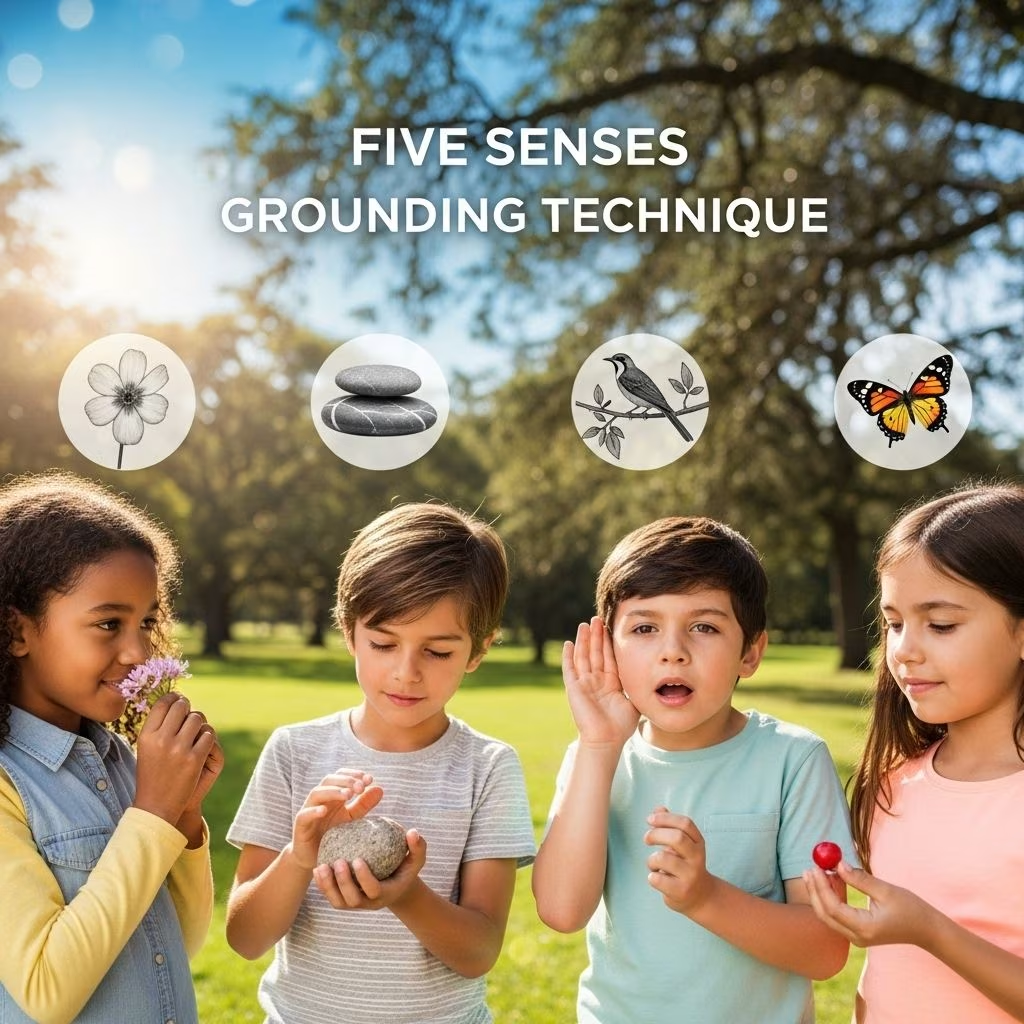
In today’s fast-paced world, children face increasing pressures from school, social situations, and overwhelming emotions they don’t yet have the tools to manage. The five senses grounding technique offers a simple, accessible way for kids to calm their minds and bodies when anxiety, stress, or big feelings take over. This evidence-based mindfulness practice engages sight, touch, hearing, smell, and taste to anchor children firmly in the present moment, helping them regain control and find peace.
Unlike complex meditation practices that require sustained concentration, grounding techniques work perfectly for children’s developing brains. They’re quick, practical, and can be practiced anywhere – whether your child is facing test anxiety at school, feeling overwhelmed at a birthday party, or struggling with bedtime worries. By teaching your child these sensory exercises early, you’re equipping them with lifelong coping skills that promote emotional resilience and mental well-being.
Understanding Grounding Techniques for Children
Grounding techniques are practical mindfulness exercises that help children redirect their attention from distressing thoughts or feelings to their immediate physical surroundings. When a child experiences anxiety, their mind often races with worried thoughts about the future or ruminations about past events. Grounding breaks this cycle by engaging the senses, creating a bridge between the child’s internal emotional state and the external reality around them.
The fundamental principle behind grounding is remarkably straightforward: when children focus their attention on concrete sensory experiences, their nervous system receives signals that they are safe in the present moment. This activates the body’s natural relaxation response, countering the fight-or-flight reaction that anxiety triggers. For children who may not have the vocabulary or cognitive ability to talk through their emotions, sensory grounding provides a tangible, physical pathway to calm.
What makes grounding particularly effective for kids is its simplicity and accessibility. Children don’t need special equipment, a quiet room, or even adult supervision once they’ve learned the technique. A child can practice grounding while sitting at their desk before a test, waiting in line at the cafeteria, or lying in bed when worries keep them awake. This portability and ease of use make grounding an invaluable tool in a child’s emotional regulation toolkit.
The Science Behind Sensory Grounding
Research demonstrates that grounding techniques significantly reduce symptoms of anxiety and stress by interrupting the body’s stress response. When children experience anxiety, their amygdala – the brain’s alarm system – becomes hyperactive, triggering the release of stress hormones like cortisol and adrenaline. These physiological changes prepare the body for danger, but when no real threat exists, they simply make the child feel worse.
Sensory grounding works by engaging the prefrontal cortex, the rational part of the brain responsible for executive functioning and emotional regulation. By deliberately focusing attention on sensory input, children activate neural pathways that calm the amygdala and reduce the production of stress hormones. This neurological shift helps restore balance to the nervous system, moving children from a state of heightened arousal to one of calm alertness.
Studies have shown that individuals who regularly practice grounding techniques develop greater awareness of their body and environment, which contributes to improved emotional resilience over time. For children, this means that consistent practice not only helps in moments of acute distress but also builds their capacity to recognize and manage emotions before they become overwhelming. The technique essentially trains the brain to respond more adaptively to stress.
The 5-4-3-2-1 Technique Explained for Kids
The 5-4-3-2-1 method is the most popular variation of sensory grounding, and it’s perfectly suited for children because it provides clear, sequential steps that are easy to remember. This technique systematically engages all five senses, guiding children through a structured process that anchors them in the present moment. The countdown format also gives kids a sense of progress and completion, which can be particularly comforting when they’re feeling overwhelmed.
Five Things You Can See
Begin by asking your child to look around and identify five things they can see. Encourage them to really observe these objects, noticing details they might normally overlook. They might identify a blue pencil on their desk, a poster on the wall, their shoelaces, a cloud outside the window, and their friend’s backpack. The key is to focus on the visual details – the exact shade of color, the shape, the way light reflects off surfaces. This visual scanning pulls their attention outward and interrupts anxious thought patterns.
Four Things You Can Touch
Next, guide your child to notice four things they can physically touch or feel. This might include the texture of their clothing against their skin, the smooth surface of their desk, the feeling of their feet on the floor, or the temperature of the air on their face. Encourage them to actively touch objects if possible – running their fingers along the edge of a book, squeezing a stress ball, or feeling the fabric of their shirt. Physical touch is particularly grounding because it provides immediate, concrete feedback that confirms their presence in the moment.
Three Things You Can Hear
Ask your child to pause and identify three distinct sounds in their environment. This requires active listening and helps shift focus away from internal worries to external reality. They might hear the hum of an air conditioner, birds chirping outside, distant conversations, their own breathing, or the ticking of a clock. Some sounds will be obvious; others require careful attention to detect. This auditory awareness draws attention away from anxious thoughts and toward the richness of the present moment.
Two Things You Can Smell
Smell is a powerful sense that can instantly ground us in the present because it’s directly connected to the emotional centers of the brain. Ask your child to identify two scents they can detect. This might be more challenging than other senses, especially if they’re indoors. They might notice the smell of pencil shavings, their own soap or shampoo, lunch cooking in the cafeteria, fresh air from an open window, or the pages of a book. If they struggle to detect scents naturally, they can actively seek them out – sniffing a piece of fruit, smelling their hand, or taking a deep breath of fresh air.
One Thing You Can Taste
Finally, have your child focus on one thing they can taste. This might be the lingering flavor of their last meal, the taste of toothpaste, a piece of gum, or simply the neutral taste of their own mouth. If no particular taste is present, they can imagine their favorite flavor or take a sip of water and really focus on how it tastes. The taste component completes the sensory circuit, ensuring all five senses have been engaged in the grounding process.
Adapting Grounding Techniques for Different Age Groups
While the basic 5-4-3-2-1 technique works for most children, adapting it to different developmental stages makes it more effective and accessible. Younger children need simpler, more concrete approaches, while older kids can handle more nuanced variations.
Preschool and Early Elementary (Ages 3-7)
For younger children, simplify the technique by using the 3-3-3 method instead. Ask them to name three things they can see, three things they can hear, and then move three parts of their body (wiggle toes, stretch arms, rotate neck). This shorter version maintains attention better for little ones with limited focus spans. Make it playful by turning it into a game – who can spot the most colorful thing? What’s the quietest sound they can hear? Physical movement is especially important for this age group as it helps discharge nervous energy.
Use simple, concrete language and demonstrate the technique yourself. Young children learn best through modeling, so practice the grounding exercise together during calm moments, not just during times of distress. Create a visual chart with pictures representing each sense, giving them a reference tool they can use independently. Consider incorporating their favorite stuffed animal or toy, having them describe what the toy might see, hear, or feel.
Middle Childhood (Ages 8-12)
Children in this age range can handle the full 5-4-3-2-1 technique and may even enjoy variations that add complexity. Encourage them to be more descriptive in their observations – instead of just identifying a blue chair, they might describe it as a “bright navy blue chair with scratches on the left arm.” This deeper engagement strengthens the grounding effect.
At this age, children can also begin to recognize their own anxiety triggers and initiate grounding exercises independently. Teach them to notice early warning signs of anxiety – butterflies in the stomach, racing heartbeat, sweaty palms – and use these as cues to practice grounding before emotions escalate. Help them create a personalized grounding toolkit that includes favorite objects to touch, calming scents, or playlists of soothing sounds.
Adolescents (Ages 13+)
Teenagers may initially resist grounding techniques, viewing them as childish or ineffective. Present grounding as a practical life skill used by athletes, performers, and professionals to manage performance anxiety. Emphasize the scientific basis and allow them to customize the technique to fit their preferences.
Teens might prefer a more discreet version they can use in social situations without drawing attention. They can practice grounding silently, mentally noting sensory observations rather than speaking them aloud. Encourage them to build grounding into daily routines – using it during study breaks, before presentations, or as a wind-down ritual before bed. At this age, grounding can also be combined with other coping strategies like journaling, deep breathing, or progressive muscle relaxation for enhanced effectiveness.
Teaching Children the Grounding Technique Step by Step
Successfully teaching grounding to children requires patience, practice, and the right approach. The most important principle is to introduce and practice the technique during calm moments, not during the height of anxiety. Trying to teach a new skill when a child is already overwhelmed is like trying to teach someone to swim while they’re drowning – it simply doesn’t work.
Start by explaining why grounding is helpful using age-appropriate language. You might say: “Sometimes our brains get really busy with worried thoughts, and our bodies feel uncomfortable. Grounding is like a superpower that helps us calm down by noticing what’s happening right now around us.” For younger children, you can use metaphors like “our worries are like balloons floating away, and grounding helps us keep our feet on the ground.”
Demonstrate the technique yourself first, walking through each step out loud so your child can observe the process. Then practice together in a relaxed setting, perhaps during a quiet afternoon at home or while sitting in a park. Make it interactive and even fun – turn it into a game where you take turns identifying sensory observations. Celebrate their efforts regardless of how “perfectly” they perform the technique.
Practice regularly, ideally daily, so the technique becomes automatic. Just as we practice fire drills when there’s no fire, children should practice grounding when they’re calm so it’s readily available when anxiety strikes. Incorporate grounding into existing routines – perhaps as part of bedtime, during car rides, or as a morning activity. The more familiar children become with the process, the more naturally they’ll turn to it when needed.
When your child does experience anxiety, gently guide them through the grounding exercise. Your calm presence provides additional reassurance. Speak slowly and softly, pacing your instructions to match their breathing. If they struggle to engage with a particular sense, that’s okay – simply move to the next one. The goal isn’t perfection but rather shifting attention away from distressing thoughts and toward present-moment awareness.
Common Challenges and Solutions
My Child Can’t Focus Long Enough
If your child struggles to maintain focus throughout the full technique, shorten it. Use a 3-2-1 version (three things to see, two to touch, one to hear) or even just focus on a single sense for a minute. Attention builds with practice, so start small and gradually extend the exercise as their capacity grows. For very young or highly anxious children, simply holding and describing a favorite object might be enough.
My Child Says It Doesn’t Work
Remember that grounding isn’t a magic cure that instantly eliminates anxiety; rather, it’s a tool that helps manage it. Set realistic expectations – grounding should reduce anxiety from overwhelming to manageable, not make it disappear entirely. If your child reports it doesn’t work after trying once during a panic attack, explain that it’s a skill that strengthens with practice. Encourage them to try it multiple times in various situations before deciding it’s ineffective.
My Child Resists Practicing
Some children resist grounding because they don’t want to acknowledge their anxiety or they’re skeptical about mindfulness practices. Respect their feelings while gently encouraging experimentation. Avoid forcing the technique, as this creates negative associations. Instead, practice it yourself and casually mention when you’ve used it. Model the behavior you want to see, and many children will become curious and want to try it themselves.
Finding the Right Environment
While grounding can technically be done anywhere, some environments are more conducive than others, especially when first learning. Noisy, chaotic spaces might provide too much sensory input for anxious children. If possible, guide them to a quieter location when teaching or practicing grounding. As they become more skilled, they’ll be able to use the technique even in busy, stimulating environments.
Benefits of Regular Grounding Practice for Kids
The benefits of teaching children grounding techniques extend far beyond managing acute anxiety. Regular practice builds emotional intelligence, self-awareness, and resilience – skills that serve children throughout their lives. When kids learn that they possess internal tools to manage difficult emotions, they develop confidence and self-efficacy. They begin to understand that uncomfortable feelings are temporary and manageable rather than permanent and overwhelming.
Grounding enhances focus and concentration, skills that directly benefit academic performance. Children who can redirect wandering thoughts and anchor their attention in the present moment find it easier to complete homework, listen during lessons, and perform well on tests. This improved focus extends beyond academics to sports, music, and other activities that require sustained attention.
Emotionally, regular grounding practice helps children develop the ability to pause between feeling and reacting. This crucial skill prevents impulsive behaviors driven by strong emotions. A child who can ground themselves when angry is less likely to lash out physically or verbally. A child who grounds themselves when scared can think more clearly about whether a situation is truly dangerous or just uncomfortable.
Grounding also strengthens the mind-body connection, helping children become more aware of how emotions manifest physically. They learn to recognize the tight shoulders that signal stress, the racing heartbeat that accompanies anxiety, or the heavy chest that comes with sadness. This bodily awareness is the first step in emotional regulation – you can’t manage what you don’t notice.
Perhaps most importantly, grounding gives children agency over their emotional experiences. Rather than feeling at the mercy of their feelings, they learn they can influence their internal state. This sense of control is empowering and reduces feelings of helplessness that often accompany childhood anxiety and stress.
Incorporating Grounding into Daily Life
For grounding to be most effective, it should become a natural part of your child’s daily routine rather than something reserved only for crisis moments. Integrate sensory awareness into everyday activities to normalize the practice and strengthen the skill.
Create a “grounding corner” in your home – a designated space with items that engage the senses. Include objects with interesting textures, calming scents like lavender, a small collection of visually appealing items, and perhaps a container of flavored tea or mints. This dedicated space signals to your child that taking time for emotional wellness is valued and important.
Use transitional moments as natural opportunities for brief grounding exercises. Before starting homework, encourage your child to take thirty seconds to notice three things around them. During the ride to school, play a game where everyone in the car identifies different things they can see, hear, or feel. These micro-practices accumulate over time, making grounding an automatic response.
Incorporate grounding into bedtime routines to help children wind down and release the day’s tensions. As they lie in bed, guide them through a gentle body scan where they notice sensations from head to toe, or have them identify the softest sound they can hear in the quiet house. This nighttime grounding promotes better sleep by quieting racing thoughts.
Model grounding yourself and talk about it openly. When you’re stressed, say aloud: “I’m feeling overwhelmed right now. I’m going to take a minute to ground myself.” Then verbally work through the technique. Children learn more from what we do than what we say, so demonstrating your own use of coping skills is incredibly powerful.
When to Seek Professional Help
While grounding techniques are highly effective tools for managing everyday anxiety and stress, they’re not a substitute for professional mental health treatment when children are struggling with severe or persistent emotional difficulties. Grounding works best as part of a comprehensive approach to emotional wellness, sometimes in conjunction with therapy or other interventions.
Consider seeking professional support if your child’s anxiety or stress significantly interferes with daily functioning – if they’re missing school, avoiding activities they once enjoyed, experiencing physical symptoms like frequent stomachaches, or showing signs of depression such as withdrawal, sadness, or loss of interest in life. Grounding can be a helpful complement to therapy but shouldn’t delay necessary professional treatment.
Mental health professionals can teach additional coping strategies, identify underlying causes of anxiety, and provide evidence-based treatments like cognitive-behavioral therapy. Many therapists incorporate grounding techniques into their work with children, but they also address the root causes and thought patterns that maintain anxiety over time.
If you’re unsure whether your child needs professional support, consult with their pediatrician, school counselor, or a child psychologist for an assessment. There’s no shame in seeking help – in fact, teaching children that it’s okay to ask for support when we need it is one of the most valuable life lessons we can provide.
Frequently Asked Questions
Q: At what age can children start learning grounding techniques?
A: Children as young as three or four can begin learning simplified versions of grounding techniques. Preschoolers respond well to shorter exercises focusing on two or three senses with concrete, playful language. The technique can be adapted and expanded as children grow, with most elementary-age children able to practice the full 5-4-3-2-1 method effectively.
Q: How long does it take for grounding to work?
A: The immediate calming effect of grounding can begin within one to two minutes of starting the exercise. However, like any skill, grounding becomes more effective with practice. Children who practice regularly during calm moments will find it works more quickly and powerfully when they truly need it during anxious episodes.
Q: Can grounding techniques help with ADHD?
A: Yes, grounding techniques can be beneficial for children with ADHD by improving focus and attention. The sensory engagement provides structure for scattered thoughts and helps redirect hyperactive mental energy toward concrete observations. Grounding works particularly well when combined with movement for ADHD children.
Q: My child says thinking about their senses makes them more anxious. What should I do?
A: Some children, particularly those with sensory processing differences, may find certain sensory focus uncomfortable. Try focusing on just one or two senses that feel calming rather than all five. For instance, if focusing on body sensations increases anxiety, emphasize external senses like sight and sound instead.
Q: Should grounding replace other anxiety treatments?
A: Grounding techniques are effective tools but should complement, not replace, other treatments when necessary. For children with diagnosed anxiety disorders, grounding works best alongside therapy, and sometimes medication, as part of a comprehensive treatment approach. Always consult with healthcare providers about the best treatment plan for your child.
Q: How can I practice grounding with a child who is resistant or skeptical?
A: Avoid pressuring resistant children, as this creates negative associations with the technique. Instead, practice it yourself openly and mention casually when you’ve found it helpful. You might also present it as a challenge or game rather than a coping skill. Some children respond better when grounding is framed as a focusing exercise for performance improvement rather than anxiety management.
Q: What if we’re in a situation where using all five senses isn’t possible?
A: Grounding is flexible and can be adapted to any situation. If certain senses aren’t accessible, focus more deeply on the ones that are available. Even concentrating on just one sense – perhaps only what your child can see – can provide meaningful grounding. The key is redirecting attention to present-moment sensory experience, regardless of how many senses are engaged.
Conclusion
The five senses grounding technique is a powerful, accessible tool that equips children with practical skills to manage anxiety, stress, and overwhelming emotions. By engaging sight, touch, hearing, smell, and taste, children learn to anchor themselves in the present moment, interrupting cycles of anxious thoughts and activating their body’s natural calming response. This simple yet scientifically supported practice requires no special equipment, works in any environment, and provides children with a sense of agency over their emotional experiences.
Teaching grounding to children is an investment in their lifelong emotional well-being. As they grow and face increasingly complex challenges, these foundational skills will serve them well, helping them navigate stress, build resilience, and maintain emotional balance. The key to success lies in regular practice during calm moments, patience as children develop the skill, and adaptation to meet each child’s unique developmental needs and preferences.
Remember that grounding is just one tool in a comprehensive emotional wellness toolkit. Combined with supportive relationships, healthy lifestyle habits, and professional help when needed, grounding techniques contribute to raising emotionally intelligent, resilient children who understand that difficult feelings are temporary and manageable. Start today by practicing alongside your child, and watch as they develop the confidence and skills to handle whatever life brings their way.
References
- https://www.themindfulnessapp.com/articles/5-senses-grounding-physical-exercises-to-stay-present
- https://amfmtreatment.com/blog/how-to-use-the-5-4-3-2-1-and-3-3-3-grounding-techniques-to-stop-panic-attacks/
- https://www.urmc.rochester.edu/behavioral-health-partners/bhp-blog/april-2018/5-4-3-2-1-coping-technique-for-anxiety
- https://www.healthline.com/health/grounding-techniques
- https://www.hopscotchandharmony.com.au/blog/5-senses-grounding-technique
- https://blisshealth.com/grounding-techniques-engage-your-5-senses-for-mental-health/
- https://www.therapistaid.com/therapy-article/grounding-techniques-article
- https://www.zocdoc.com/blog/the-five-senses-grounding-technique/


