


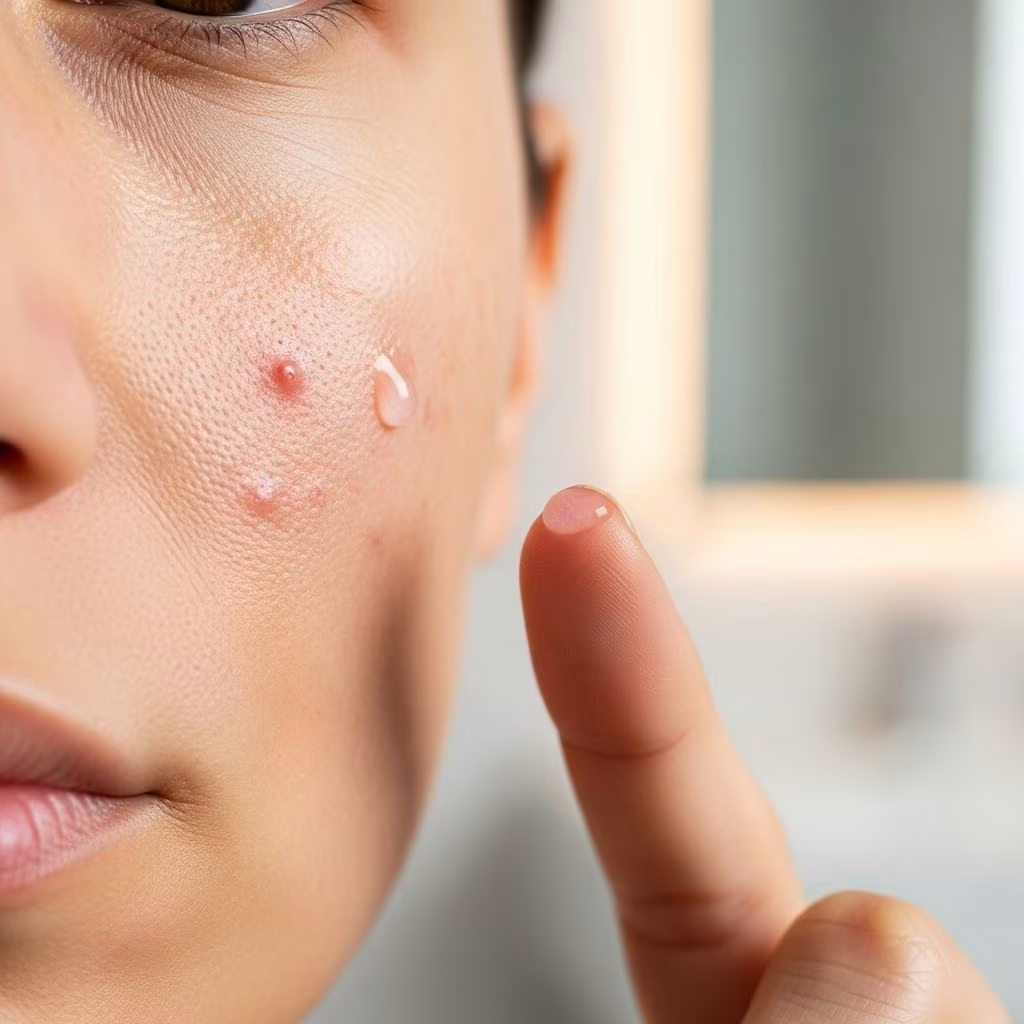
What Is Retinoid Spot Treatment Purging?
Retinoid spot treatment purging is a temporary but often dramatic increase in breakouts that occurs when you first begin using retinoid-based treatments for acne or anti-aging purposes. This phenomenon represents your skin’s initial adjustment period as it responds to the powerful effects of retinoid compounds, which fundamentally alter how your skin cells behave and regenerate.
Unlike typical breakouts, purging specifically occurs in areas where you already tend to develop acne or clogged pores. The breakouts appear suddenly and often seem more numerous than your usual blemishes, leading many people to mistakenly believe their treatment isn’t working or is making their skin worse.
Retinoid purging is actually a sign that the treatment is beginning to work at a cellular level. The increased breakout activity represents existing microcomedones (tiny, invisible clogs forming beneath the skin’s surface) being pushed to the surface more rapidly than usual due to accelerated cell turnover.
The Science Behind Retinoid Purging
Cellular Mechanisms
To understand retinoid purging, it’s essential to grasp how retinoids function at the cellular level. Retinoids are derivatives of vitamin A that undergo a specific conversion process within the skin. When you apply retinol, it first converts to retinaldehyde, which then transforms into retinoic acid – the active form that skin cells actually recognize and respond to.
This conversion process explains why different retinoid types produce varying intensities of purging. Prescription retinoids like tretinoin are already in their active form, while over-the-counter retinol requires multiple conversion steps, resulting in a more gradual but generally more tolerable adjustment period.
Accelerated Cell Turnover
Retinoids primarily work by dramatically increasing the rate of skin cell turnover. Under normal circumstances, skin cells take approximately 28 days to complete their lifecycle from formation to shedding. Retinoids can reduce this timeline significantly, sometimes cutting it in half.
This acceleration serves multiple beneficial purposes: it helps remove dead skin cells more efficiently, prevents pore blockages, reduces hyperpigmentation, and stimulates collagen production. However, during the initial adjustment period, this rapid turnover can overwhelm the skin’s natural processes, leading to the temporary increase in breakouts characteristic of purging.
Microcomedone Acceleration
The most crucial aspect of understanding purging involves recognizing the role of microcomedones. These are microscopic clogs that form deep within pores, representing the earliest stage of acne development. Under normal circumstances, these tiny blockages might take weeks or months to develop into visible blemishes.
When retinoids accelerate cell turnover, they essentially fast-track these existing microcomedones to the surface, causing them to appear as whiteheads, blackheads, or inflammatory papules much sooner than they would naturally. This is why purging breakouts appear in familiar problem areas rather than in completely new locations.
How to Identify Retinoid Purging vs. Other Skin Reactions
Distinguishing between purging, irritation, and regular breakouts is crucial for determining the appropriate response to your skin’s reaction to retinoid treatment. Each type of reaction has distinct characteristics and requires different management approaches.
Characteristics of True Retinoid Purging
Authentic retinoid purging exhibits several specific characteristics that help differentiate it from other skin reactions. The breakouts typically appear within days to two weeks of starting treatment or increasing usage frequency. They manifest as a sudden, dramatic wave of blemishes concentrated in areas where you historically experience acne or clogged pores.
The types of breakouts during purging usually include small whiteheads, blackheads, and occasionally inflamed bumps. These blemishes often appear clustered together and tend to resolve more quickly than your typical breakouts, usually within one to two weeks per individual blemish.
Importantly, during true purging, the rest of your skin generally remains comfortable. You shouldn’t experience widespread redness, stinging, or excessive irritation beyond the areas with active breakouts.
Signs of Irritation vs. Purging
Irritation presents differently from purging and requires immediate attention to prevent barrier damage. Irritation symptoms include widespread redness, a shiny or tight skin surface, visible peeling or flaking, persistent stinging or burning sensations, and sensitivity to other products or even water.
Irritation typically appears in areas where skin is naturally thinner or more sensitive, such as around the eyes, mouth corners, and neck. Unlike purging, which primarily affects your usual breakout zones, irritation can occur anywhere the retinoid was applied.
Regular Breakouts vs. Purging
Regular breakouts unrelated to retinoid use typically follow your normal acne patterns in terms of timing, location, and severity. They may coincide with hormonal fluctuations, dietary changes, stress, or other lifestyle factors. These breakouts don’t necessarily correlate with starting or changing retinoid treatments and may appear in new locations or follow your typical breakout timeline.
Timeline and Duration of Retinoid Purging
Initial Phase (Days 1-14)
The initial phase of retinoid purging typically begins within the first few days to two weeks of starting treatment. During this period, you may notice an increase in small blemishes appearing in your usual problem areas. The severity and timing can vary based on several factors including the strength of your retinoid, application frequency, and your skin’s baseline condition.
Some individuals may experience immediate purging within 2-3 days, while others might not see changes until the second week. The initial phase is often the most concerning for users, as the sudden increase in breakouts can be alarming and may tempt people to discontinue treatment prematurely.
Peak Purging Period (Weeks 2-4)
The peak purging period typically occurs between weeks two and four of consistent retinoid use. During this time, you may experience the highest number of active breakouts as accumulated microcomedones continue to surface. This phase can be particularly challenging psychologically, as it often represents the point where skin appears worst before beginning to improve.
It’s crucial to maintain consistency during this period, as discontinuing treatment will halt the purging process without allowing you to reap the long-term benefits. The breakouts during peak purging should still primarily occur in familiar areas and resolve relatively quickly compared to your typical blemishes.
Resolution Phase (Weeks 4-8)
The resolution phase typically begins around week four and continues through week eight. During this period, new breakouts should gradually decrease while existing blemishes continue to heal. You may begin to notice improvements in overall skin texture, tone, and the frequency of new breakouts.
By the end of week eight, most people should see a significant reduction in purging-related breakouts. If you’re still experiencing new breakouts after eight weeks of consistent use, it may indicate that purging has transitioned into irritation or that your current retinoid strength or frequency needs adjustment.
Management Strategies for Retinoid Purging
Gentle Skincare Routine
Managing retinoid purging successfully requires adopting a gentle, supportive skincare routine that helps your skin navigate the adjustment period without causing additional irritation. The foundation of purging management lies in simplifying your routine and focusing on gentle, non-comedogenic products.
Choose a mild, non-foaming cleanser that won’t strip your skin’s natural barrier. Avoid products containing additional active ingredients like salicylic acid, benzoyl peroxide, or alpha hydroxy acids during the purging phase, as these can exacerbate irritation and prolong the adjustment period.
Moisturizing Strategy
Maintaining adequate hydration is crucial during retinoid purging. Choose a non-comedogenic moisturizer that provides sufficient hydration without clogging pores. Apply moisturizer both morning and evening, and consider using a slightly heavier formulation in areas experiencing increased dryness or peeling.
Some dermatologists recommend applying a thin layer of moisturizer before your retinoid treatment, a technique known as ‘buffering.’ This approach can help reduce irritation while still allowing the retinoid to work effectively, though it may slightly reduce the treatment’s potency.
Sun Protection
Retinoids increase photosensitivity, making diligent sun protection essential throughout the purging process and beyond. Use a broad-spectrum sunscreen with at least SPF 30 daily, regardless of weather conditions or planned activities. Reapply every two hours when spending extended time outdoors.
Consider using physical sunscreens containing zinc oxide or titanium dioxide, as these tend to be less irritating than chemical sunscreens during the sensitive purging period.
Prevention and Minimization Tips
Gradual Introduction Method
The most effective way to minimize retinoid purging is through gradual introduction of the treatment. Start with the lowest available concentration and apply it only once or twice per week for the first few weeks. This allows your skin to slowly adapt to the retinoid’s effects without overwhelming your cellular processes.
As your skin tolerates the initial frequency, gradually increase usage to every other night, then eventually to nightly application if desired. This slow progression can significantly reduce the severity and duration of purging while still achieving the long-term benefits of retinoid therapy.
Proper Application Technique
Using the correct application technique can help minimize purging intensity. Apply retinoids to clean, completely dry skin, as wet skin can increase absorption and potential irritation. Use only a pea-sized amount for your entire face, as more product doesn’t necessarily mean better results and can increase the risk of irritation.
Avoid applying retinoids to the delicate eye area, corners of the mouth, and nostrils unless specifically directed by a dermatologist. These areas are particularly prone to irritation and may not require the same treatment intensity as other facial areas.
Timing and Frequency Considerations
Apply retinoids in the evening, as they can increase photosensitivity and some formulations may be degraded by sunlight. Allow adequate time between cleansing and retinoid application – waiting 15-20 minutes ensures your skin is completely dry and reduces the risk of irritation.
Consider alternating nights with retinoid use and recovery nights with gentle, hydrating treatments. This approach can help maintain skin barrier function while still providing consistent retinoid benefits.
When to Seek Professional Help
Warning Signs
While purging is generally a normal part of retinoid adjustment, certain signs indicate the need for professional evaluation. Seek dermatological guidance if you experience persistent purging beyond eight weeks, signs of severe irritation including widespread redness or burning, development of new breakouts in areas where you’ve never had acne, or worsening of existing skin conditions.
Additionally, if you develop signs of contact dermatitis, such as swelling, severe redness, or blistering, discontinue use immediately and consult a healthcare provider.
Professional Treatment Options
Dermatologists can provide several interventions to help manage severe purging or transition you to more appropriate treatments. These may include adjusting your retinoid strength or formulation, prescribing complementary treatments to manage inflammation, or recommending professional procedures to accelerate skin clearing.
Professional guidance is particularly valuable if you have sensitive skin, a history of severe acne, or other skin conditions that may complicate retinoid therapy.
Common Mistakes to Avoid
Overuse and Product Stacking
One of the most common mistakes during retinoid purging is attempting to speed up the process by using more product or combining multiple active ingredients. This approach typically backfires, leading to increased irritation and potentially prolonging the purging phase.
Avoid using additional acne treatments, exfoliating acids, or harsh cleansers during the purging period. Stick to your simple, gentle routine and trust the process rather than trying to accelerate results through aggressive measures.
Inconsistent Usage
Inconsistent retinoid usage can actually prolong purging and delay the achievement of clear skin. When you stop and start retinoid treatments repeatedly, you essentially reset your skin’s adaptation process, potentially experiencing multiple purging cycles.
Maintain consistent usage according to your planned schedule, even when purging seems severe. The temporary increase in breakouts is necessary to achieve long-term skin improvement.
Premature Discontinuation
Many people discontinue retinoid therapy during the purging phase, mistakenly believing the treatment isn’t working or is making their skin worse. This represents a missed opportunity for significant skin improvement, as the purging phase is actually evidence that the retinoid is working to clear existing problems.
Unless you experience signs of severe irritation or allergic reaction, persist through the purging phase to reap the long-term benefits of retinoid therapy.
Retinoid Types and Their Purging Potential
| Retinoid Type | Strength | Purging Likelihood | Typical Duration | Availability |
|---|---|---|---|---|
| Retinol | Low to Moderate | Moderate | 4-6 weeks | Over-the-counter |
| Retinaldehyde | Moderate | Moderate to High | 4-8 weeks | Over-the-counter |
| Tretinoin | High | High | 6-12 weeks | Prescription only |
| Adapalene | High | Moderate to High | 6-10 weeks | Prescription/OTC |
| Tazarotene | Very High | Very High | 8-12 weeks | Prescription only |
Frequently Asked Questions
Q: How long does retinoid spot treatment purging typically last?
A: Most retinoid purging resolves within 6-8 weeks of consistent use. This timeframe reflects how long it takes for existing microcomedones to surface and clear out as your skin’s turnover rate increases. If you’re still experiencing new breakouts after 8 weeks, consider reducing frequency or concentration.
Q: Is purging a sign that the retinoid is working effectively?
A: Purging can indicate that retinoid is working to accelerate cell turnover and clear existing clogs, but it’s not mandatory for treatment success. Some people may not experience purging at all while still achieving excellent long-term results. The absence of purging doesn’t mean the treatment isn’t working.
Q: Can I use other acne treatments during the purging phase?
A: It’s generally recommended to avoid additional active ingredients during purging to prevent excessive irritation. Stick to gentle, non-comedogenic cleansers and moisturizers. Once your skin adjusts to the retinoid, you may gradually reintroduce other treatments under professional guidance.
Q: Should I stop using retinoids if purging seems severe?
A: Unless you’re experiencing signs of severe irritation (widespread redness, burning, swelling), continue with consistent use but consider reducing frequency. Severe purging may indicate you’re using too strong a concentration or applying too frequently for your skin’s current tolerance level.
Q: How can I tell the difference between purging and regular breakouts?
A: Purging occurs in areas where you typically get acne, appears within 1-2 weeks of starting or changing retinoid use, and breakouts resolve faster than usual. Regular breakouts may appear anywhere, don’t correlate with treatment changes, and follow your normal acne patterns.
Q: What should I do if purging continues beyond 8 weeks?
A: Extended purging beyond 8 weeks suggests your skin may be irritated rather than purging, or the retinoid strength may be too high. Reduce application frequency to 2-3 times per week or consider switching to a lower concentration. Consult a dermatologist if problems persist.
References
- https://chemistconfessions.com/blogs/retinol-purging
- https://www.skinandme.com/the-dose/mythbuster-purging-explained/
- https://www.dermatica.co.uk/skinlab/retinoids-why-skin-purges-and-how-long-it-lasts/
- https://www.medicalnewstoday.com/articles/skin-purging-vs-breakout
- https://www.drdennisgross.com/what-is-retinol-purging.html
- https://www.webmd.com/beauty/skin-purging-causes-signs-and-treatment
- https://www.youtube.com/watch?v=dtDNBnsDchE
- https://pmc.ncbi.nlm.nih.gov/articles/PMC2989803/
- https://www.dermatica.com/skinlab/retinoids-why-skin-purges-and-how-long-it-lasts/


