


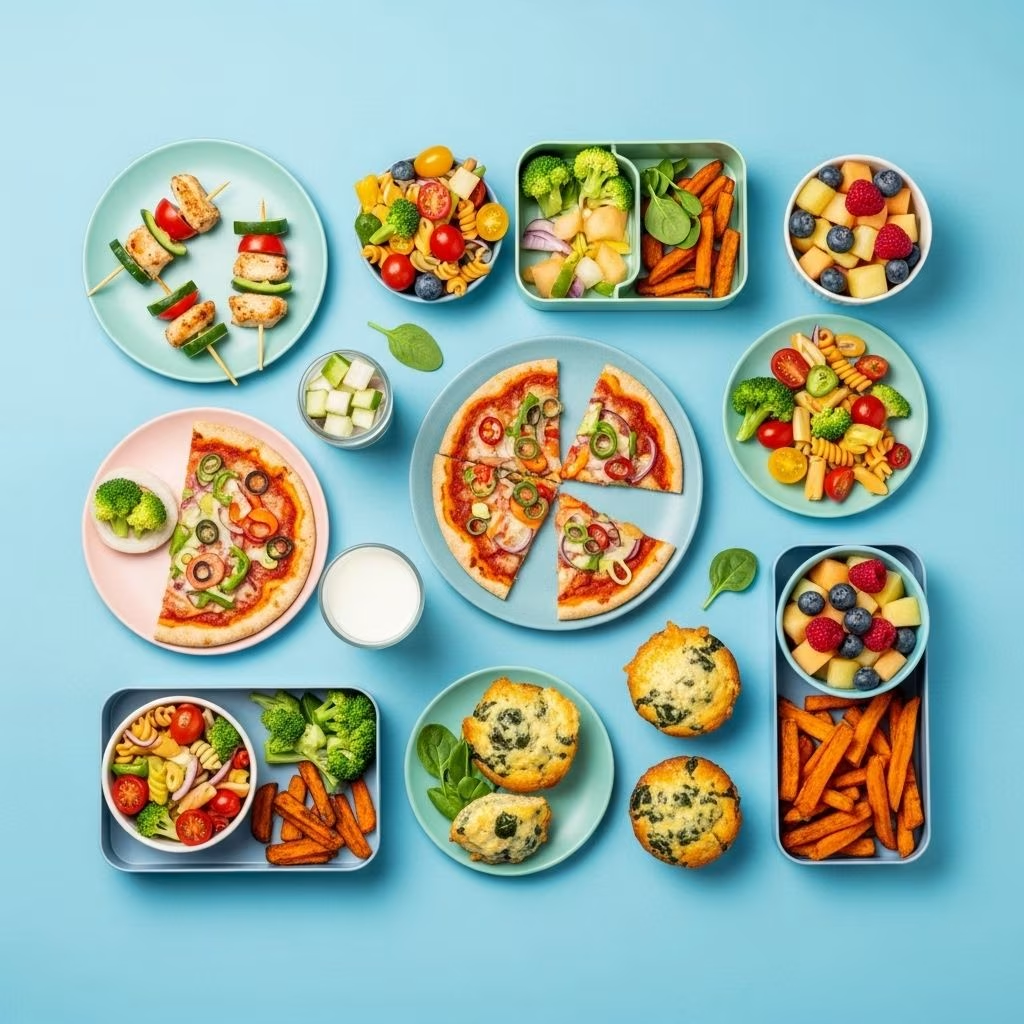
Introduction
Feeding picky eaters can be one of the greatest challenges for parents and caregivers striving to maintain healthy, balanced meals. Whether your child avoids veggies or is suspicious of foods with unfamiliar textures, creating a nutritious meal plan often requires creativity and patience. This seven-day healthy meal plan is designed specifically for families facing these challenges, offering familiar favorites alongside gently introduced new ingredients to make mealtimes both nutritious and enjoyable.
The strategies and recipes in this guide draw from evidence-based nutrition, family-friendly food studies, and expert advice.
Principles of Healthy Eating for Picky Eaters
- Balance: Include sources of protein, healthy fats, complex carbohydrates, and fiber in every day.
- Variety: Gradually introduce new flavors, colors, and textures to expand comfort zones.
- Simplicity: Keep recipes simple, recognizable, and quick to assemble.
- Appeal: Prioritize presentation, fun shapes, and finger foods to entice reluctant eaters.
- Positive Encouragement: Offer praise for trying new foods and avoid pressure or stress during mealtimes.
Successful planning for picky eaters means combining comfort and novelty. Start with familiar ingredients, and add new elements in small, non-intimidating ways. This plan puts variety on the menu in an approachable format.
7-Day Meal Plan Overview
| Day | Breakfast | Lunch | Dinner |
|---|---|---|---|
| Day 1 | Scrambled eggs & whole grain toast | Turkey & cheese wrap; cucumbers | Baked chicken breast; sweet potatoes & broccoli |
| Day 2 | Fruit yogurt parfait; granola | Mini pizzas on whole wheat English muffins | Homemade beef tacos; corn & red pepper strips |
| Day 3 | Oatmeal with banana & chia seeds | Grilled chicken salad; whole grain crackers | Macaroni & cheese; steamed peas |
| Day 4 | Pancakes with berries & greek yogurt | Pita pocket with turkey, lettuce, and cheese | Salmon fillet; rice pilaf & carrots |
| Day 5 | French toast with strawberries | Peanut butter & jelly sandwich; carrot sticks | Homemade pizza; side salad |
| Day 6 | Cereal with milk & banana slices | Tuna salad sandwich; apple slices | Grilled chicken; baked potato & corn |
| Day 7 | Smoothie with banana, yogurt & honey | Macaroni & cheese; green beans | Pork chops; applesauce, sweet potatoes & peas |
Each day incorporates a mix of familiar favorites and gently introduces new vegetables, whole grains, and proteins. All meals are crafted for balanced nutrition and maximum appeal.
Core Grocery List
Organizing your shopping ahead makes sticking to this meal plan effortless. Here’s what you’ll need:
- Dairy & Eggs: Eggs, cheese (cheddar & gouda), milk, Greek yogurt
- Bakery: Whole grain bread, English muffins, sandwich tortillas, pita pockets
- Meats & Seafood: Turkey, chicken breast, beef, salmon, tuna, pork chops, pepperoni
- Fresh Produce: Lettuce, apples, bananas, sweet potatoes, carrots, broccoli, strawberries, cucumbers, red bell peppers, peas, corn, grapes
- Dry Goods & Pantry: Oats, cereal, granola, macaroni, rice, quinoa
- Cans & Jars: Tuna, applesauce, nut butters, jelly, hummus
- Snacks & Healthy Treats: Peanut butter, whole grain crackers, guacamole
- Special Additions: Chia seeds, olive oil, balsamic, whole grain pasta, nuts
With this list, you’ll be able to prepare diverse meals without last-minute shopping hassles. Be sure to adjust for family size or swap out according to allergies and sensitivities.
Detailed Day-to-Day Breakdown
Day 1: Familiar Comforts with a Twist
- Breakfast: Start with scrambled eggs served on whole grain toast for a protein-fueled morning.
- Lunch: Assemble a turkey and cheese wrap with cucumbers on the side. A simple wrap is both portable and customizable.
- Dinner: Oven-baked chicken breast with roasted sweet potatoes and broccoli. Cut broccoli small and season lightly for greater acceptance.
Encourage kids to help sprinkle cheese or arrange food on their plates to make mealtime interactive.
Day 2: Creative Lunch and Familiar Flavors
- Breakfast: Layer a fruit yogurt parfait with granola. Allow kids to choose their favorite fruits for buy-in.
- Lunch: Mini pizzas using whole wheat English muffins topped with marinara, shredded cheese, and mild veggies like bell pepper or diced mushrooms.
- Dinner: Homemade beef tacos with ground beef, lettuce, cheese, corn tortillas, and sliced red bell peppers. Tacos are fun and customizable.
Picky eaters often prefer foods they can help assemble, fostering mealtime independence and openness to new ingredients.
Day 3: Warm and Hearty Choices
- Breakfast: Cook oatmeal and top with banana slices and a sprinkle of chia seeds – high in fiber and gentle in taste.
- Lunch: Grilled chicken salad featuring romaine, shredded carrot, and whole grain crackers on the side.
- Dinner: Homemade macaroni and cheese with a side of steamed peas. Add small portions of peas in the pasta for gradual exposure.
Warm meals and customizable bowls work well for hesitant eaters.
Day 4: Pancakes and Protein-Packed Dinner
- Breakfast: Fluffy whole grain pancakes topped with mixed berries and a dollop of greek yogurt.
- Lunch: Pita pocket filled with turkey, lettuce, and cheese. Cut into triangles for easy handling.
- Dinner: Salmon fillet baked with rice pilaf and sautéed carrots.
Encourage kids to pick pancake toppings; the autonomy increases willingness to try new fruits.
Day 5: Classic Comfort Foods
- Breakfast: French toast made with whole grain bread, topped with strawberries and a light drizzle of maple syrup.
- Lunch: Peanut butter and jelly sandwich on whole grain bread, carrot sticks on the side.
- Dinner: Homemade pizza on whole wheat base with cheese and pepperoni. Side salad (serve dressing separately) for exposure to greens.
Familiar favorites can serve as vehicles for new, nutritious ingredients when modified slightly.
Day 6: Easy, Light, and Nutritious
- Breakfast: Cereal served with milk and banana slices. Choose whole grain, lower sugar options.
- Lunch: Tuna salad sandwich prepared with apple slices on the side.
- Dinner: Grilled chicken breast, baked potato, and corn on the cob.
Often, simple preparations and stovetop grilling work best for picky palates.
Day 7: Wholesome Wrap-Up
- Breakfast: Smoothie with banana, yogurt, and a touch of honey. Optional addition of berries or spinach for extra nutrition.
- Lunch: Classic macaroni and cheese with a side of steamed green beans.
- Dinner: Pork chops paired with applesauce, roasted sweet potatoes, and peas.
Finish the week strong with meals that blend familiar tastes with gentle new exposures.
Smart Snacks and Nutritious Beverage Options
Healthy snacks bridge the gap between meals and are another opportunity to sneak in nutrients:
- Fruit kabobs – intersperse bits of cheese for protein
- Homemade pizza bites on whole grain base
- Peanut butter & jelly triangles
- Mini cheese and grape skewers
- Vegetable sticks with a mild dip like ranch or hummus
- Yogurt popsicles with blended berries
- Whole grain pancakes with customizable toppings
For drinks, water should be the primary beverage. Offer fruit-infused water or smoothies as nutritious alternatives. Avoid sugary sodas and choose natural fruit juices in moderation.
Budget & Prep Tips
Healthy eating for picky eaters doesn’t need to be costly. These strategies keep your kitchen organized and your spending smart:
- Download or create a digital grocery list; organize by store aisle and share with family.
- Plan meals weekly to reduce waste and unnecessary purchases.
- Use leftovers creatively: grilled chicken can be added to wraps, salads, or sandwiches for lunch.
- Bulk cook grains like rice and quinoa to save time throughout the week.
- Shop for frozen produce when out-of-season to save money and boost variety.
Prepping in advance can also provide stress relief and flexibility.
Family Involvement and Positive Mealtime Strategies
Involving picky eaters in meal planning can help break down resistance and build healthier habits:
- Let kids help with grocery shopping and picking new fruits or veggies to try.
- Invite them to participate in simple cooking tasks – stirring, topping, arranging plates – to foster ownership.
- Use descriptive, positive language about food textures and flavors instead of judgment.
- Offer praise when new foods are tried, regardless of reaction.
- Set the tone for experimentation by repeatedly introducing ingredients in different preparations.
Family support and persistent, stress-free exposure is key to broadening the palate of picky eaters.
Frequently Asked Questions (FAQs)
Q: How do I get my picky eater to try new foods?
Start by offering small portions of a new food alongside foods they already enjoy. Present new ingredients several times in different ways (raw, cooked, cut, mashed) and avoid pressuring kids to eat; positive encouragement is more effective.
Q: Are these meals safe for kids with allergies?
This plan includes common allergens (dairy, eggs, wheat, nuts). Substitute as needed for allergies, using alternatives like soy or oat milk, gluten-free breads, or seed butters. Consult your doctor for tailored nutrition guidance.
Q: Can I make ahead or batch prep these meals?
Yes. Many of these recipes can be doubled and stored for later. Cook extra grains, proteins, and bake in portions. Use leftovers for lunches or next-day dinners.
Q: What if my child refuses all vegetables?
Incorporate veggies into dips, smoothies, sauces, and baked goods. Offer repeated exposure in fun formats like kabobs or hidden in cheese or pasta dishes. Never force feed; patience and regular presentation often lead to gradual acceptance.
Q: Are these meals suitable for adults?
Absolutely. This meal plan is balanced and designed for the whole family; simply adjust portions based on age and activity level.
Q: What should I do if mealtime is always a struggle?
Remain consistent with offering a variety of foods, model healthy choices, and keep mealtime stress-free. Consult a pediatrician or pediatric dietitian for support if issues persist.
References
- https://listonic.com/meal-plans/en/7-day-meal-plan-for-picky-eaters
- https://www.signos.com/blog/clean-eating-meal-plan
- https://www.goodhousekeeping.com/food-recipes/healthy/g4357/mediterranean-diet-meal-plan/
- https://www.berrystreet.co/blog/meal-prep-for-picky-eaters
- https://www.momables.com/7-day-clean-eating-plan-food-reset-for-families/
- https://www.familydaily.app/blog/7-day-family-meal-plan
- https://kidseatincolor.com/overwhelmed-mom/
- https://www.lark.com/resources/arfid-meal-plans—healthier-eating-for-picky-eaters


