


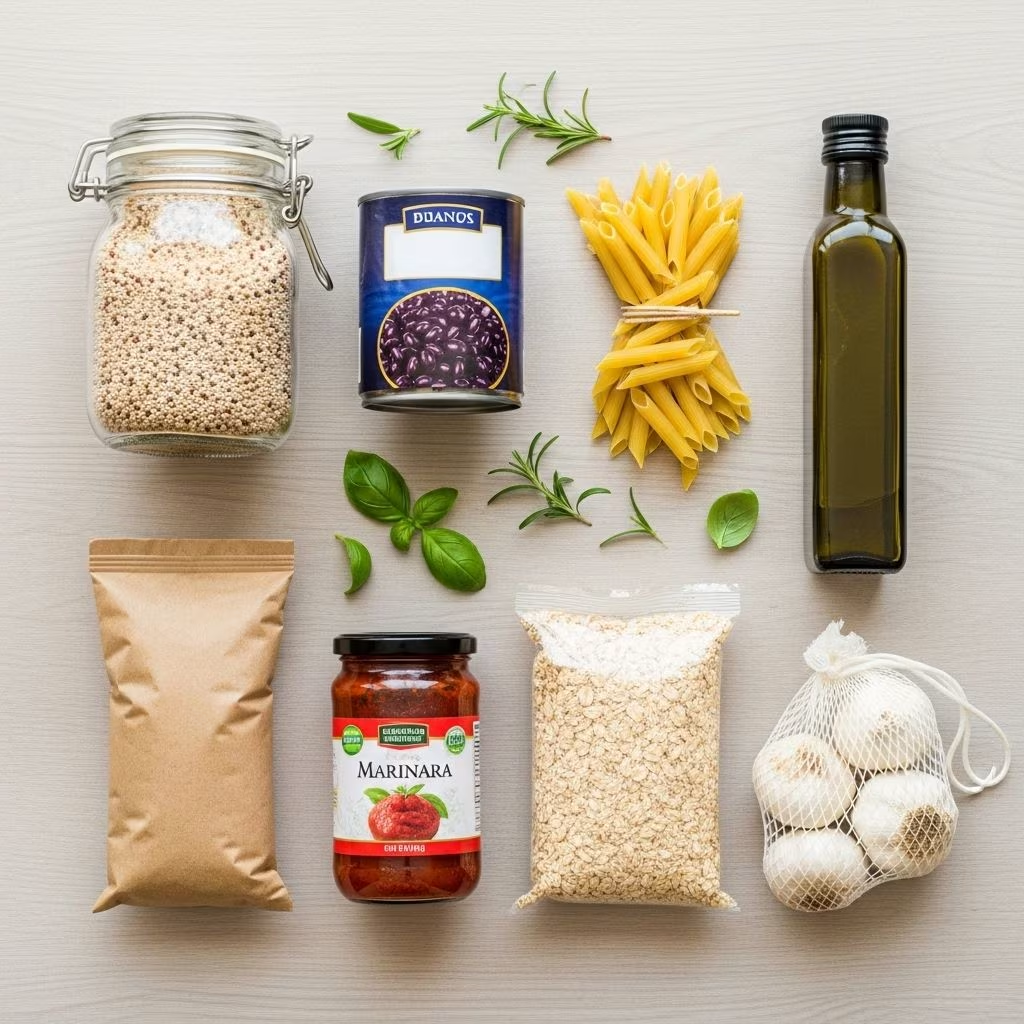
Why Pantry Staples Matter
A well-stocked pantry is the foundation of healthy, quick, and stress-free family meals. When your kitchen is organized with the right ingredients, you can whip up anything from a hearty stew to a light summer salad—without needing to run to the store every time. Pantry staples are typically non-perishable, have a long shelf life, and are versatile enough to be used in a variety of dishes. For families, this means less last-minute stress, lower grocery bills, and the ability to create nutritious meals for everyone, regardless of age or dietary preferences.
Stocking up on essentials also encourages healthier eating habits, reduces reliance on highly processed convenience foods, and helps you make the most of seasonal produce by supplementing with canned or frozen options. Taking the time to audit and organize your pantry ensures nothing goes to waste and that you always have the ingredients you need for quick, wholesome meals.
Grains & Legumes
Whole grains and legumes are the backbone of a nutritious pantry. They are affordable, shelf-stable, and full of essential nutrients.
- Whole grains: Oats, brown rice, quinoa, couscous, bulgur, and whole grain pasta/gnocchi are excellent for easy, filling meals.
- Legumes: Dried or canned beans (black, chickpeas, kidney), lentils, and split peas offer plant-based protein, fiber, and essential minerals.
- Storage tips: Dried grains can last months or even years when stored properly; canned beans keep for several years and are ready to use in a pinch.
These staples can be turned into stews, soups, grain bowls, salads, or stir-fries, making them a go-to for busy weeknights.
| Grain/Legume | Nutritional Benefits | Meal Ideas |
|---|---|---|
| Oats | High in fiber, B vitamins, aids digestion | Oatmeal, granola, smoothie bowls |
| Brown Rice | Rich in B vitamins, fiber, aids heart health | Stir-fries, bowls, stuffed peppers |
| Quinoa | Complete protein, iron, magnesium | Salads, pilafs, breakfast porridge |
| Chickpeas | Protein, fiber, iron, folate | Hummus, stews, curries |
| Lentils | Protein, fiber, folate, iron | Soups, stews, veggie burgers |
Canned & Frozen Foods
Canned and frozen foods are kitchen heroes for making nutritious meals quickly, with minimal prep.
- Canned Foods: Canned fish (tuna, salmon, sardines, mussels), canned beans, diced tomatoes, tomato paste, and vegetable or chicken broth help build flavor and texture in dishes without much effort. Seaweed sheets and vegetarian protein options like canned jackfruit or lentils can add variety.
- Frozen Foods: Frozen vegetables (broccoli, spinach, peas, carrots, cauliflower) and fruits (berries, mango, pineapple) retain most of their nutrients and can be added to smoothies, stir-fries, soups, or bakes. Frozen seafood, such as salmon fillets or shrimp, is a convenient protein source.
These pantry staples help bridge gaps between grocery trips and reduce food waste.
Nuts, Seeds & Their Butters
Nuts and seeds are packed with healthy fats, protein, fiber, and micronutrients. Natural nut and seed butters (peanut, almond, cashew, tahini, sunflower) are versatile for both sweet and savory dishes.
- Storage: Store in a cool, dry place for 1–4 months, or refrigerate for longer shelf life.
- Uses: Add to oatmeal, yogurt, salads, smoothies, or make energy balls, nut butter on toast, and veggie dips.
- Types: Almonds, walnuts, cashews, chia, flax, hemp, pumpkin, and sunflower seeds.
Cooking Oils & Condiments
Quality cooking oils and condiments elevate the nutritional value and flavor of your meals.
- Oils: Extra virgin olive oil, avocado oil, coconut oil, and ghee are healthy fats for cooking and dressings.
- Condiments: Mustard, low-sugar ketchup, mayo, salsa, soy sauce (or tamari), vinegars (apple cider, balsamic), honey, maple syrup, and vinaigrettes add variety and zest.
These ingredients are essential for salad dressings, sautéing, roasting, and marinades.
Protein Sources
Keeping a variety of protein sources ensures balanced meals for the whole family.
- Animal Proteins: Canned fish (tuna, salmon, sardines), frozen seafood, and sustainably raised options like Kvarøy Arctic salmon are rich in omega-3 fatty acids and protein.
- Plant-Based Proteins: Canned beans, lentils, chickpeas, tofu, tempeh, and plant-based protein powders provide vegetarian and vegan options.
- Nuts & Seeds: Peanut butter, almond butter, and mixed nuts are quick protein snacks.
Healthy Snacks & Baking Essentials
Stock your pantry with wholesome snacks and baking basics for both convenience and health.
- Healthy Snacks: Whole-grain crackers (rice, corn, wheat), tortillas (for wraps, quesadillas), granola, trail mix, dried fruit, and seaweed snacks.
- Baking Staples: Flour (all-purpose, whole wheat, almond, coconut), baking powder, baking soda, salt, spices, vanilla extract, and natural sweeteners like honey and maple syrup.
- Fermented Foods: Pickles, sauerkraut, kimchi, and marinated vegetables for gut health and added flavor.
Spices & Herbs
A diverse spice rack is key to healthy, flavorful cooking.
- Essential Spices: Salt, black pepper, chili flakes, cumin, turmeric, paprika, cinnamon, oregano, basil, and garlic powder.
- Storage: Store in airtight containers away from heat and light for maximum flavor and shelf life.
Spices and herbs make meals more exciting and help you cut down on added salt and sugar.
Quick & Healthy Meal Ideas
With the right pantry staples, you can effortlessly create nutritious meals for the whole family.
- Breakfast: Oatmeal with nuts and fruit, smoothie bowls with frozen berries and chia seeds, whole-grain toast with nut butter or avocado.
- Lunch/Dinner: Lentil soup, chickpea or black bean tacos, quinoa salad with canned tuna and veggies, stir-fried rice with frozen vegetables and egg.
- Snacks: Hummus with crackers, trail mix with dried fruit, apple slices with peanut butter, seaweed snacks.
- Baking: Oatmeal bars, whole-grain muffins, energy balls with nuts and seeds.
Audit, Organize & Optimize Your Pantry
Regularly review your pantry to keep it manageable and efficient.
- Audit: Check expiration dates, remove anything spoiled, and make a list of what you need to restock.
- Organization: Group items by category (grains, canned goods, oils, snacks), label shelves, and keep frequently used items accessible.
- Rotation: Practice first-in, first-out (FIFO) to minimize waste.
- Inventory: Maintain a visible checklist or digital note for easy restocking.
An organized pantry saves time, reduces stress, and supports healthier eating habits for the entire family.
Common Questions & Answers
Q: What are the best pantry staples for families?
A: Whole grains (oats, rice, quinoa, pasta), legumes (beans, lentils), canned fish, frozen fruits and vegetables, nuts and seeds, nut butters, quality cooking oils, and a variety of spices are essential for versatile, nutritious family meals.
Q: How long do pantry staples last?
A: Dried beans and grains can last for years; canned goods typically last 2–5 years; nuts and seeds up to 4 months at room temperature, unless refrigerated. Always check expiration dates and storage recommendations.
Q: Can I make healthy meals without fresh produce?
A: Yes! Frozen and canned fruits and vegetables are nutritious alternatives that retain most vitamins and minerals, making healthy meals possible even when fresh produce isn’t available.
Q: How can I get my family to eat more pantry staples?
A: Involve everyone in meal planning, try new recipes together, and experiment with spices and seasonings to make pantry-based meals exciting. Simple, familiar dishes often win kids over.
Q: What’s the easiest way to keep my pantry organized?
A: Group items by category, use clear containers, label everything, and keep a running inventory list. Regularly audit your pantry to avoid waste and manage your stock.
References
- https://www.kvaroyarctic.com/healthy-food-for-the-whole-family-essential-pantry-staples
- https://nourishedbynutrition.com/how-to-stock-a-healthy-pantry/
- https://www.healthline.com/nutrition/healthy-staples
- https://brightland.co/blogs/field-notes/pantry-staples
- https://www.heart.org/en/healthy-living/healthy-eating/cooking-skills/meal-planning/5-pantry-staples
- https://www.youtube.com/watch?v=fjb-Of5_jRs


