


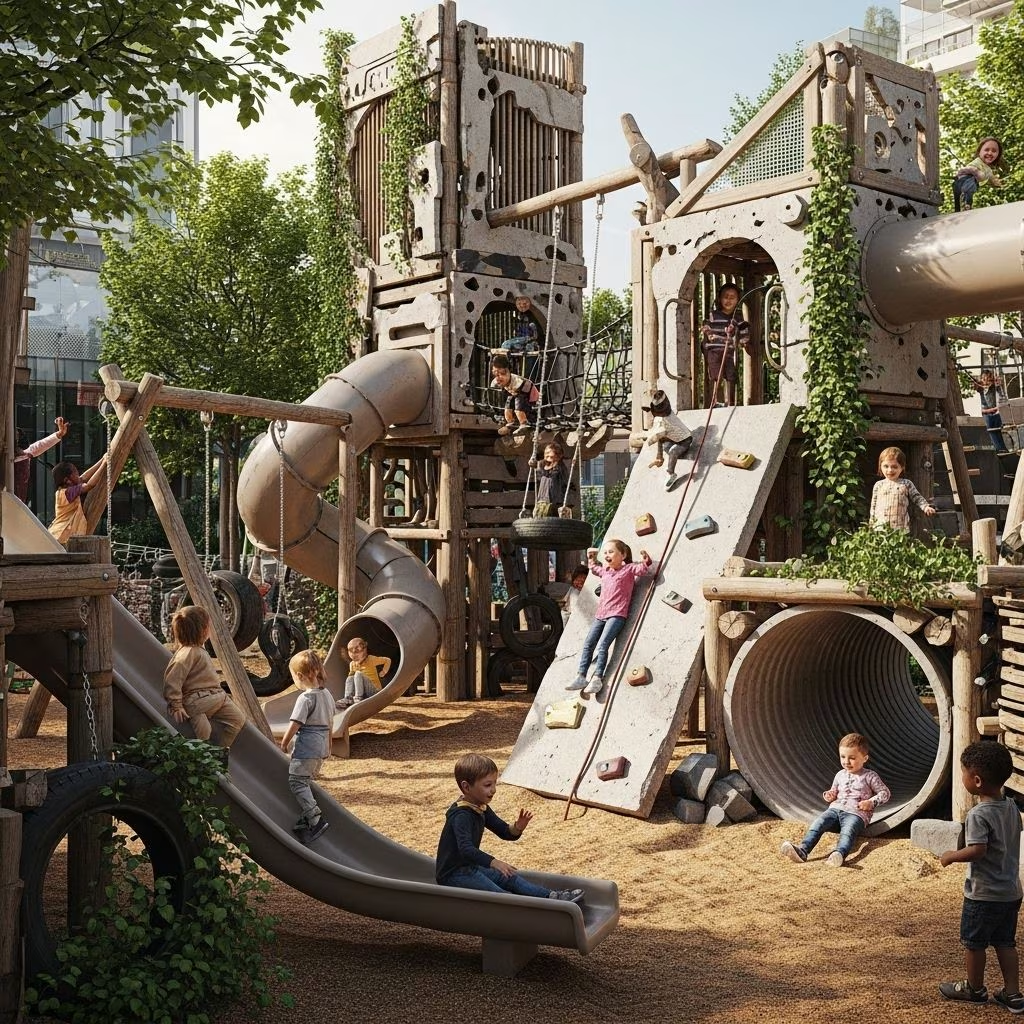
Introduction to Sustainable Playgrounds
Playgrounds are a cornerstone of childhood development, providing children with spaces to engage in physical activity, foster social skills, and connect with nature. Traditionally, playground equipment is made from materials like wood, metal, and plastic, which can be resource-intensive and contribute to environmental degradation. However, there’s a growing trend towards sustainability in playground design—using construction debris to create eco-friendly play structures.
This approach not only reduces waste but also offers a unique opportunity to educate children about environmental stewardship. By repurposing materials that would otherwise end up in landfills, these sustainable playgrounds promote a more environmentally conscious lifestyle while still providing children with engaging and safe play areas.
Types of Construction Debris
Construction debris includes a variety of materials that can be repurposed for playground equipment. Here are some common types:
- Reused Tires: Tires can be transformed into rubber flooring or components of playground equipment, offering a durable and weather-resistant option that reduces waste and provides a soft landing surface for children.
- Recycled Wood: Wood from old buildings or trees can be reused to create natural-looking playground equipment. This not only saves trees but also reduces the energy needed for new wood production.
- Plastic and Metal Scrap: These materials can be melted down and reshaped into components of playground structures, such as swings, slides, and climbing frames.
Design and Implementation of Sustainable Play Structures
Designing play structures from construction debris requires creativity and innovation. Here are steps to consider:
- Material Collection: Gather materials from construction sites, considering the durability and safety of each item.
- Design Conceptualization: Create a design that incorporates the collected materials while ensuring safety and play value.
- Construction Phase: Implement the design, using techniques that preserve the environmental benefits of the materials.
- Testing and Maintenance: Ensure all structures meet safety standards and are regularly inspected for wear.
Benefits and Challenges of Using Construction Debris
Benefits
Using construction debris for playgrounds offers several benefits:
- Environmental Sustainability: Reduces landfill waste and conserves natural resources.
- Cost-Effectiveness: Often cheaper than purchasing new materials.
- Educational Value: Promotes awareness about recycling and environmental stewardship.
Challenges
Challenges include:
- Material Quality: Ensuring materials are safe and durable for play.
- Regulatory Compliance: Meeting safety standards and regulations.
- Public Perception: Overcoming skepticism about using recycled materials.
Future Trends in Sustainable Playground Design
Future trends in sustainable playground design focus on integrating technology and nature more seamlessly:
- Technological Integration: Incorporating tech like augmented reality into play structures to enhance learning and engagement.
- Nature-Based Elements: Incorporating more natural elements to foster a deeper connection with nature.
- Adaptive and Inclusive Designs: Ensuring play structures are accessible and enjoyable for all children.
Frequently Asked Questions
Q: What are the environmental benefits of using construction debris in playgrounds?
A: Using construction debris reduces landfill waste, conserves natural resources, and promotes sustainability.
Q: How do I ensure the safety of playground equipment made from construction debris?
A: Ensure materials are thoroughly cleaned and inspected for any hazards. Regular maintenance is also crucial to uphold safety standards.
Q: Can construction debris playgrounds be as durable as traditional playgrounds?
A: Yes, with proper design and maintenance, playgrounds made from recycled materials can be just as durable as those made from new materials.
Q: How can I get involved in creating sustainable playgrounds in my community?
A: Engage with local community groups or organizations focused on sustainability and playground development. You can also participate in workshops or volunteer for projects that repurpose construction debris.
References
- https://www.aaastateofplay.com/guide-for-natural-playgrounds/
- https://bijoubuild.com/blogs/bijou-blog/creative-outdoor-play-structures-inspiring-design-ideas-for-kids
- https://swingsetnation.com/essential-things-you-need-to-know-about-pvc-playgrounds/
- https://adventureturf.com/article/pros-and-cons-natural-grass-and-soil-for-playground-surfaces/
- https://www.aaastateofplay.com/how-are-playgrounds-made/
- https://www.playgroundequipment.com/wooden-playgrounds-built-for-a-backyard-adventure/
- https://www.miracle-recreation.com/blog/different-playground-equipment-surfaces/
- https://allaboutplaygrounds.com/wood-vs-vinyl-vs-metal-vs-plastic-outdoor-playsets/
- https://superiorplay.com/blog/how-to-determine-the-best-quality-materials-for-your-backyard-playset/


