


Actives and Perioral Dermatitis Flare-Ups: Comprehensive Guide
Perioral dermatitis presents as an inflammatory facial rash, most commonly affecting young women but can appear in children and men as well. Its occurrence and recurrence are often influenced by the use of various skin care actives – concentrated ingredients designed for potent skin benefits – which may inadvertently trigger or exacerbate flare-ups. This guide explores the interplay between actives and perioral dermatitis, covering causes, risk factors, triggers, management, and prevention strategies.
Overview: What is Perioral Dermatitis?
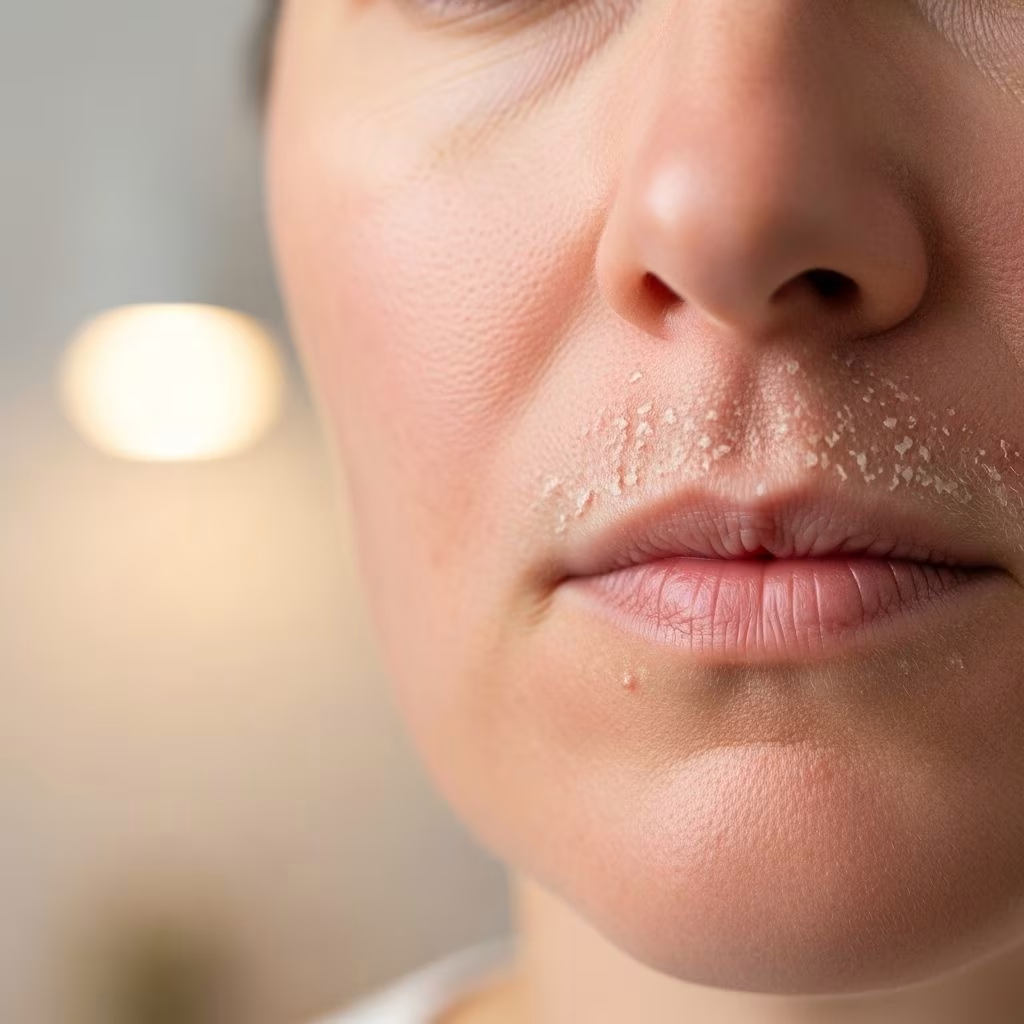
Perioral dermatitis is a facial rash that typically consists of red bumps (papules and pustules), scaly patches, and occasional burning sensations, mainly distributed around the mouth, nose, and sometimes eyes. It is often mistaken for acne or rosacea, but its causes and management are distinct.
While the exact cause remains unclear, the condition is frequently associated with use of topical corticosteroids and other skin treatments. Environmental factors, hormonal changes, and certain oral care or cosmetic products also contribute to its development.
Introduction to Skincare Actives
In dermatology, actives refer to potent ingredients formulated to target specific skin concerns, such as acne, hyperpigmentation, aging, or inflammation. Examples include retinoids, alpha- and beta-hydroxy acids (AHAs and BHAs), vitamin C, niacinamide, benzoyl peroxide, and steroids.
- Topical corticosteroids: Used for treating inflammation but are a major trigger for perioral dermatitis.
- Acids (AHAs/BHAs): Used for exfoliation; excessive use or high concentrations can aggravate sensitive skin.
- Retinoids: Promote skin turnover but may increase irritation in susceptible individuals.
- Benzoyl peroxide: Effective for acne; can cause dryness and irritation.
- Other actives: Niacinamide, azelaic acid, and sulfur may have anti-inflammatory effects but can irritate in higher concentrations.
While actives can be beneficial, inappropriate use can compromise the skin’s barrier, particularly in those prone to dermatitis flare-ups.
How Actives Impact Perioral Dermatitis
The impact of actives on perioral dermatitis is twofold: certain actives can trigger the condition, while others may aid in its management when used correctly. Understanding their effects is essential to prevent and control flare-ups.
Actives That Commonly Trigger Flare-Ups
- Corticosteroids: Both topical and inhaled forms are well-documented triggers; even brief or intermittent use can precipitate flare-ups[10].
- Fluorinated Toothpaste: An often-overlooked culprit; switching to non-fluoridated alternatives may help[10].
- Heavy Cosmetics and Occlusive Skincare: Thick creams, certain sunscreens, and makeup with comedogenic ingredients can aggravate or maintain the rash.
- Exfoliating Acids and Physical Scrubs: Overuse disrupts the skin barrier, causing sensitivity and inflammation.
- Dental Materials and Chewing Gum: Certain ingredients or flavors may provoke symptoms.
- Hormonal Changes: Menstrual fluctuations, birth control, or menopause can affect susceptibility.
Actives Used in Management and Treatment
After discontinuing triggers, certain actives prescribed by dermatologists may help control or resolve perioral dermatitis:
- Topical antibiotics: Metronidazole, erythromycin, clindamycin
- Topical anti-inflammatories: Pimecrolimus, tacrolimus, azelaic acid, sulfur preparations
- Oral antibiotics: Tetracycline derivatives for severe, persistent cases
It is important to seek professional advice before using any of these medications, as inappropriate or self-directed use can result in complications or persistent disease.
Key Triggers for Perioral Dermatitis Flare-Ups
A flare-up is defined as a periodic worsening of symptoms, often following exposure to specific triggers or actives. Recognized triggers include:
- Topical corticosteroid creams or ointments (even over-the-counter hydrocortisone)[10]
- Inhaled or nasal steroid medications
- Fluorinated toothpaste and some oral hygiene products
- Heavy makeup and occlusive skin products
- Physical sunscreens with irritant ingredients
- Environmental irritants: Wind, humidity, UV light, masks, improper CPAP use
- Hormonal fluctuations and oral contraceptives (may worsen or, in some cases, improve symptoms)
- Excessive skin cleaning, scrubbing, or acidic skin treatments
Children may have additional triggers, such as thumb-sucking, drooling, and lip licking.
Symptoms and Diagnosis
Perioral dermatitis manifests as:
- Clusters of red or pink papules around the mouth, nose, and sometimes eyes
- Scaly, peeling areas of skin
- Burning or itching sensations
- Absence of visible blackheads unlike in acne
Symptoms often worsen after discontinuing topical steroids, before improvements begin. Diagnosis is mostly clinical, supported by patient history and exclusion of alternative conditions like acne, rosacea, seborrheic dermatitis, or contact dermatitis.
Diagnostic Distinctions: Perioral Dermatitis vs. Rosacea
| Feature | Perioral Dermatitis | Rosacea |
|---|---|---|
| Typical Distribution | Around mouth, nose, eyes | Central face, cheeks, nose |
| Key Triggers | Steroids, cosmetics, fluoride | Heat, alcohol, spicy food |
| Papule Type | Clustered, small, no comedones | Larger, sometimes pustular, vascular |
| Other Features | May burn, rarely flush | Frequent flushing, visible vessels |
Management of Flare-Ups
Managing perioral dermatitis and its flare-ups focuses on identifying and discontinuing triggers, gentle skincare modifications, and medication under professional guidance[10].
Main Management Steps
- Stop all corticosteroids: Discontinue hydrocortisone, betamethasone, and similar creams; discuss tapering with your provider to reduce rebound flares[10].
- Review oral care: Switch to non-fluoridated toothpaste and avoid irritating mouthwash or chewing gum.
- Streamline skincare: Avoid heavy, occlusive creams and makeup. Use gentle, non-comedogenic moisturizers and cleansers.
- Avoid acidic treatments: Suspend the use of AHAs, BHAs, retinoids, or scrubs during active flares.
- Medication: Dermatologists may prescribe:
- Topical antibiotics (metronidazole, erythromycin, clindamycin)
- Anti-inflammatory creams (pimecrolimus, tacrolimus, azelaic acid, sulfur)
- Oral antibiotics (usually tetracycline drugs for widespread or recalcitrant cases)
Be aware: Symptoms may worsen for several days or weeks after discontinuation of steroids before improvement occurs. Treatment duration may range from weeks to months, with occasional recurrence necessitating ongoing management.
Preventing Flare-Ups: Lifestyle and Skincare Approaches
Reducing the risk of perioral dermatitis flare-ups requires a blend of lifestyle changes and thoughtful skincare:
- Limit actives: Use gentle products free of fragrances, dyes, and unnecessary actives unless prescribed.
- Minimize irritant exposure: Avoid unnecessary topical steroids, aggressive cleansers, and abrasive techniques.
- Protect your skin: Use physical barriers against environmental irritants (wind, sun, pollution).
- Practice gentle hygiene: Cleanse with lukewarm water; avoid scrubbing, and pat dry softly.
- Monitor hormones: Discuss hormonal fluctuations and contraceptive options with your healthcare provider if flares coincide with menstrual changes.
- Consult periodically: Regular dermatological reviews can help adjust treatment and pre-empt recurrences.
Safe Skincare Practices for Sensitive/Flare-Prone Skin
- Avoid layering multiple products
- Do not use harsh exfoliants (acidic or physical)
- Choose simple, hypoallergenic formulations
- Patch test new products
- Opt for mineral-only sunscreens when required
- Limit makeup or use non-comedogenic, fragrance-free options
Frequently Asked Questions
Q: Which actives should I avoid during a flare-up?
A: Topical corticosteroids, exfoliating acids (AHAs, BHAs), retinoids, benzoyl peroxide, and heavy creams or occlusives should be discontinued unless directed by a physician.[10]
Q: Can I use any actives to treat perioral dermatitis?
A: Only certain prescription actives — such as metronidazole, pimecrolimus, tacrolimus, azelaic acid, or sulfur-based topicals — are recommended under medical supervision.
Q: How long do flare-ups last?
A: Flare-ups may persist for several weeks to several months, with visible improvement typically occurring 2-8 weeks after trigger removal and commencement of appropriate therapy.
Q: Will stopping steroids make my rash worse?
A: Yes, withdrawal from topical steroids can cause rebound flaring before improvement. Gradual tapering may be recommended.
Q: Is perioral dermatitis contagious?
A: No, perioral dermatitis is not caused by a transmissible infection and cannot be passed to others.
Summary Table: Common Actives and Their Risks
| Active Ingredient | Potential Outcome | Risk Level for Flare-ups | Comments |
|---|---|---|---|
| Topical corticosteroids | Worsen or trigger dermatitis; rebound flare on withdrawal | High | Avoid except under medical guidance |
| Fluorinated toothpaste | Can provoke or maintain rash | Moderate | Switch to fluoride-free alternatives |
| AHAs, BHAs, retinoids | Increase irritation, compromise barrier | High during active flares | Suspend during flare-ups |
| Heavy cosmetics, thick creams | Occlude skin, maintain inflammation | High | Use sparingly, favor non-comedogenic formulas |
| Metronidazole, erythromycin, pimecrolimus, azelaic acid | Control inflammation and infection | Low (when prescribed) | Safe under medical supervision |
| Oral tetracycline antibiotics | Resolve persistent or severe symptoms | Low (subject to side effects) | Reserved for extensive cases |
Conclusion
Perioral dermatitis and its flare-ups are intimately connected with the use of various actives, particularly topical steroids, exfoliating acids, and heavy skincare products. Careful management — including eliminating triggers, adopting gentle skincare regimens, and using only medically indicated treatments — can result in long-term control and healthy skin. Always seek professional advice before modifying your treatment plan, and remember that improvement may require patience and ongoing diligence.
References
- https://www.usdermatologypartners.com/blog/what-is-perioral-dermatitis/
- https://www.ncbi.nlm.nih.gov/books/NBK525968/
- https://www.medicalnewstoday.com/articles/322181
- https://www.mydermatologyassociates.com/perioral-dermatitis/
- https://my.clevelandclinic.org/health/diseases/21458-perioral-dermatitis
- https://www.health.harvard.edu/diseases-and-conditions/perioral-dermatitis-symptoms-treatment-and-prevention
- https://www.mountsinai.org/health-library/diseases-conditions/perioral-dermatitis
- https://www.midlandskin.co.uk/perioral-dermatitis/
- https://www.healthline.com/health/perioral-dermatitis
- https://www.aad.org/public/diseases/a-z/perioral-dermatitis


