


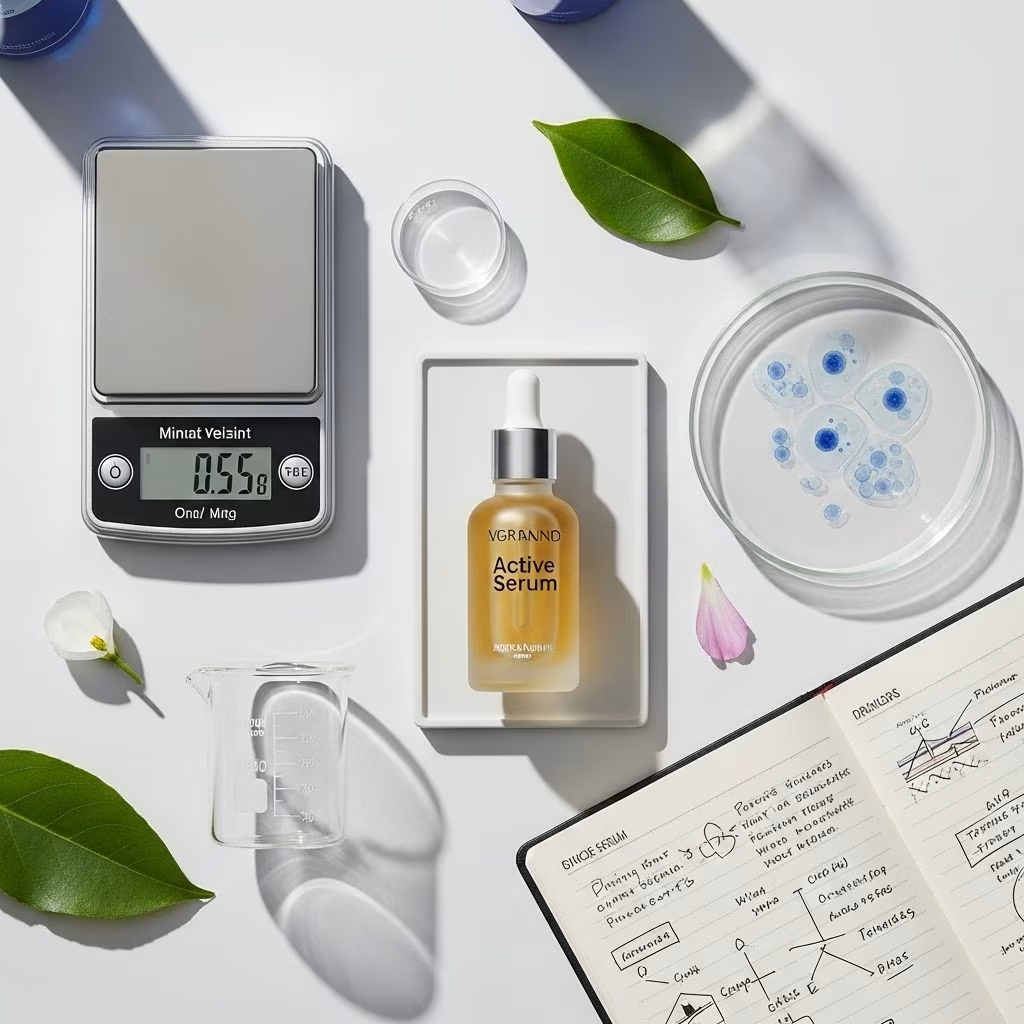
Active serums are a cornerstone of advanced skincare, delivering potent concentrations of ingredients like retinol, vitamin C, peptides, and antioxidants to target specific skin concerns. However, the effectiveness and safety of these products hinge on proper dosing, timing, and application. This guide provides an authoritative roadmap for achieving precision in serum dosing, ensuring optimal skin results while minimizing risks of irritation or ineffectiveness.
Introduction to Serum Dosing
Serums are lightweight, highly concentrated skincare formulas designed to penetrate deeply and deliver potent active ingredients to address concerns like aging, pigmentation, or acne. Unlike moisturizers, serums require careful dosing because both underuse and overuse can compromise results. Precision dosing is essential to harness benefits while avoiding irritation or waste.
Understanding Actives and Dosage
Active serums may contain:
- Vitamin C (L-Ascorbic Acid): Antioxidant, brightening, collagen-boosting.
- Retinol (Vitamin A): Cell turnover, anti-aging, acne control.
- Peptides (Matrixyl, Argireline, etc.): Firming, anti-wrinkle.
- Niacinamide: Brightening, anti-inflammatory, strengthens barrier.
- Hyaluronic Acid: Hydration, plumping.
- Other botanicals or acids (AHAs, BHAs): Exfoliation, texture improvement.
The dosage of these actives—often expressed as a percentage—directly impacts the serum’s efficacy and risk of irritation. For example:
| Active Ingredient | Typical Effective Range |
|---|---|
| Vitamin C | 10% – 20% |
| Retinol | 0.25% – 1% |
| Niacinamide | 2% – 10% |
| Peptides (e.g., Matrixyl, Argireline) | 3% – 10% |
| Hyaluronic Acid | 0.5% – 2% |
Following manufacturer recommendations is critical. Too high a dose can overwhelm the skin barrier, while too low may yield negligible results .
Choosing the Right Serum & Concentration
When selecting a serum, consider:
- Skin sensitivity and medical history. Begin with lower doses if you have sensitive or reactive skin.
- Targeted concern. Select actives best suited for issues such as hyperpigmentation, aging, or acne.
- Product form and manufacturer’s guidelines. Prefilled doses, droppers, pumps, and capsules all standardize amount, but it’s important to read instructions.
- Purity and stability of ingredients.
Some reputable brands provide single-use capsules or pre-measured pumps to eliminate dosing guesswork . If using droppers or custom-mixed serums, refer to provided charts or label instructions for exact dosing per application .
Precision Dosing: Techniques and Measurements
How to Determine the Proper Dose
- Droppers: Most facial serums recommend 3-4 drops per application for full-face and neck coverage .
- Capsules: Each capsule is designed for a single use, delivering a precise dose for one application .
- Pumps: One full pump typically suffices for face and neck.
For DIY or blendable base serums:
- Refer to dose-conversion charts—e.g., a 10% concentration of Matrixyl in a 2 oz serum requires 1 teaspoon of the booster, or 45 drops in a 0.5 oz cream base .
- Powder actives should be weighed for accuracy; 1 teaspoon equals ~5 grams and can be subdivided by percentage needed (see dosing chart below).
Active-to-Base Mixing Chart (by Percentage)
| Desired Concentration (%) | 0.5 oz Base (g) | 1 oz Base (g) | 2 oz Base (g) |
|---|---|---|---|
| 1% | 0.15 g | 0.30 g | 0.60 g |
| 3% | 0.45 g | 0.90 g | 1.80 g |
| 5% | 0.75 g | 1.50 g | 3.00 g |
| 10% | 1.50 g | 3.00 g | 6.00 g |
Tip: Mix only small batches for DIY serums to maintain freshness and prevent contamination .
Step-by-Step Serum Application
- Cleanse thoroughly: Serums absorb best on clean, damp skin .
- Apply toner (optional): Balances skin pH and preps for better absorption.
- Dispense correct dose: Use manufacturer’s recommended amount (e.g., 3-4 drops or one capsule).
- Pat, don’t rub: Gently pat and smooth serum into skin using fingertips in upward, circular motions .
- Include neck and décolletage: These areas benefit from actives too.
- Allow absorption (1 min): Give the serum time to penetrate fully before next step, especially if layering multiple products .
- Continue with moisturizer: Locks in actives and provides hydration.
Frequency: Start slow—apply potent actives such as vitamin C or retinol 1-2 times per week, then gradually increase as tolerated .
Layering and Combining Serums Safely
Often, multiple serums can address distinct skin concerns. Guidelines for safe layering:
- Limit to 2–3 serums: More can overwhelm skin and interfere with absorption .
- Order matters: Apply by consistency—thinnest to thickest (e.g., vitamin C, then peptides, then hydrating serums).
- Check for ingredient conflicts: Avoid layering potentially irritating combinations (e.g., retinol with vitamin C or AHAs).
- Allow absorption between layers: Wait 1–2 minutes before each new serum.
Customizing Dosing to Skin Type & Goals
Dry/Sensitive Skin:
- Use lower concentrations.
- Prioritize hydrating and barrier-repairing actives (hyaluronic acid, peptides).
- Patch test all new serums before regular use .
Oily/Acne-Prone Skin:
- Focus on clarifying actives (niacinamide, salicylic acid, retinol), but begin at the lowest recommended strength to avoid over-drying .
- Layer with lightweight, oil-free hydrators.
Aging/Hyperpigmented Skin:
- Look for moderate doses of antioxidants (vitamin C), peptides, and retinoids, layered judiciously.
- Introduce new actives gradually to monitor responses.
Listen to your skin. Redness, stinging, or flakiness are signs to reduce dose, slow application frequency, or patch test alternatives.
Common Dosing Mistakes to Avoid
- Overusing serum: More is not better—excess product can cause irritation and clog pores.
- Ignoring manufacturer’s guidelines: Always reference the label or brand website for specific dosing .
- Applying serum after moisturizer: Moisturizer forms a barrier, preventing serums from absorbing fully .
- Skipping patch tests: Test new products on a small patch of skin before full facial use, especially for actives like retinol or acids .
- Layering too quickly: Allow time between serum applications for optimal penetration and effectiveness.
Advanced Dosing Guidelines for DIY Mixing
Experienced users occasionally blend actives into custom bases. To do this safely:
- Select a suitable base: Hyaluronic acid or lightweight cream bases are best .
- Determine desired concentration: Refer to conversion charts to translate percentages into grams or drops (see previous tables).
- Use precise measuring tools: Digital scales are ideal for powders; droppers for liquids. For powders, 1 teaspoon = 5 grams.
- Make small batches: Serums without preservatives should be made fresh and stored in the fridge to prevent microbial growth. For longer storage, consider adding a preservative .
- Document your formula: Keep a log of concentrations and ingredient sources for each batch.
- Patch test all homemade blends on skin before facial application.
Refer to the following manufacturer-recommended usage rates for key actives :
| Active | Recommended Usage Rate |
|---|---|
| Matrixyl | Up to 10% |
| Argireline | 3% – 8% (do not exceed 8%) |
| Sodium Silicate | 0.1% – 3% |
| Magnesium Aluminum Silicate | 0.1% – 1.5% |
Frequently Asked Questions (FAQs)
Q: How much serum should I use per application?
A: For most serums, 3–4 drops covers the face and neck. For pre-measured capsules or pumps, one unit is the intended dose. Always consult the product label for specifics .
Q: Can I layer multiple serums at once?
A: Yes, but limit to 2–3 serums per routine. Apply from thinnest to thickest and ensure actives don’t have adverse interactions (e.g., avoid layering vitamin C with retinol). Allow each serum to absorb before applying the next .
Q: What’s the best order for my skincare routine?
A: Cleanser → (Toner) → Serum → Moisturizer → Sunscreen (AM) or Eye Cream (optional). Always apply serum before moisturizer to maximize absorption .
Q: How do I know if my dosage is too high?
A: Signs of overdosing include redness, persistent stinging, peeling, or breakouts. Reduce application frequency or concentration and patch test before next use .
Q: How do I mix actives into my own serum base?
A: Refer to dose-conversion charts; weigh powders or use sterilized droppers for liquids. Start with small quantities, label all creations, and store appropriately (refrigerated if preservative-free) .
Tip: Always consult with a dermatologist or skin expert when trying new actives, especially if you have skin conditions or are using prescription products.
Conclusion: Precision = Results
Precision is the key to achieving transformative results with active serums while protecting skin health. Whether following a ready-made regimen or crafting a custom formula, adhere closely to guidelines for dosage, pairing, and timing. With care and scientific attention to detail, every drop of serum brings you closer to your skin goals.
References
- https://www.naturalorganicskincare.com/pages/product-instructions-for-serum-boosters
- https://www.provenskincare.com/blog/how-to-apply-serum-on-face
- https://www.isclinical.com/products/active-serum
- https://www.cosmopolitan.com/style-beauty/beauty/a25372431/what-order-to-apply-skincare-products/
- https://drlongwillskincare.com/is-clinical-active-serum/
- https://www.lancome.com.au/beauty-magazine/how-to-layer-multiple-super-serums.html
- https://graziamagazine.com/articles/elizabeth-arden-ceramide-capsules/
- https://exponentbeauty.com/blogs/dose


