


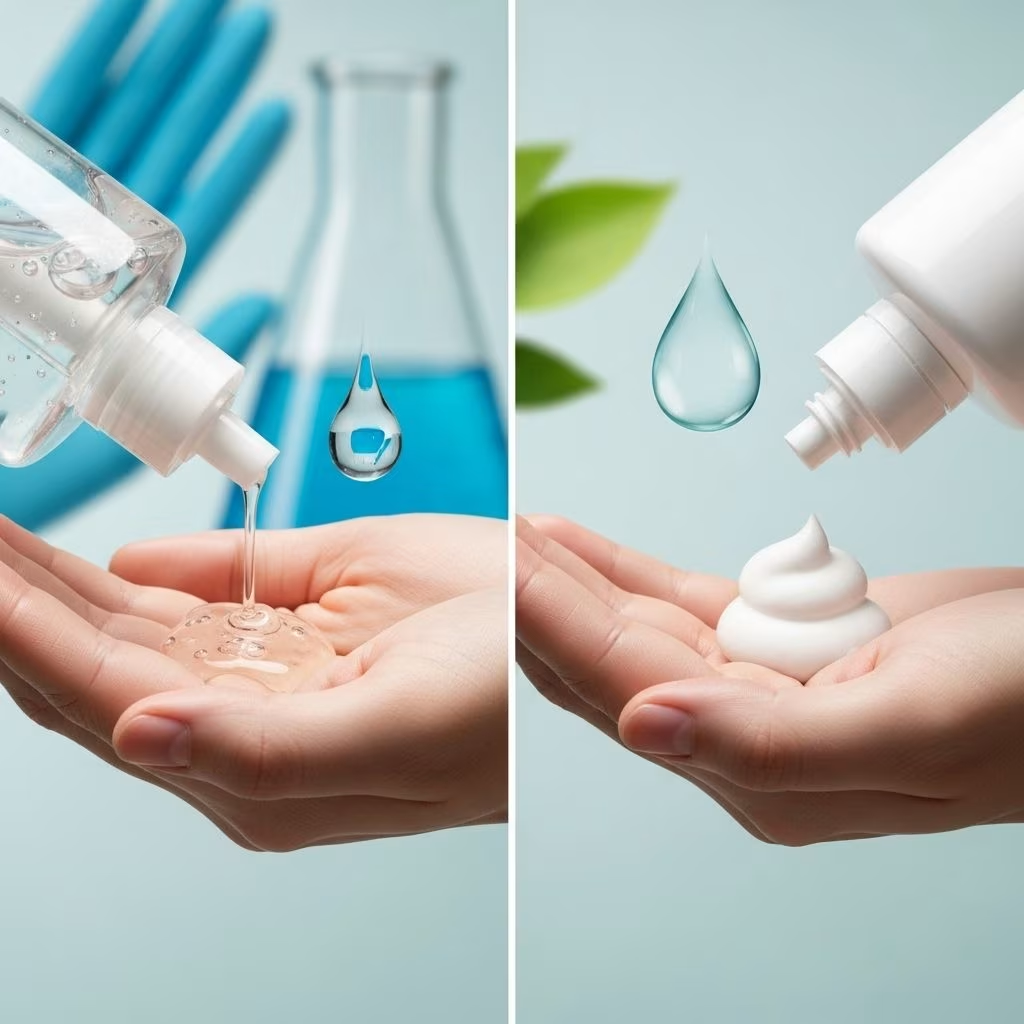
Alcohol-Based vs. Alcohol-Free Hand Sanitizers
Overview: The Role of Hand Sanitizers in Hygiene
Hand sanitizers have become indispensable for maintaining hand hygiene, especially in public spaces, healthcare settings, workplaces, and schools. They provide a quick and effective alternative when washing with soap and water is not feasible. The two main categories—alcohol-based and alcohol-free hand sanitizers—offer different mechanisms, benefits, and limitations for germ protection and user safety.
Key Ingredients in Alcohol-Based and Alcohol-Free Hand Sanitizers
Alcohol-Based Hand Sanitizer formulations typically include:
- Ethanol (Ethyl Alcohol)
- Isopropanol (Isopropyl Alcohol)
- Water
- Humectants and Emollients (e.g., glycerin)
- Sometimes fragrances or skin conditioners
Alcohol-Free Hand Sanitizer ingredients commonly include:
- Benzalkonium Chloride (a quaternary ammonium compound)
- Triclosan (less common due to regulatory limitations)
- Other quaternary ammonium compounds (QACs)
- Water, moisturizers, and conditioning agents
Alcohol-based options usually come as gels, foams, or liquids, while alcohol-free sanitizers are almost always foams or sprays.
How Do Hand Sanitizers Work?
The mode of action depends on the active ingredient:
- Alcohol-Based Hand Sanitizers kill bacteria and viruses by denaturing proteins and disrupting lipid membranes. The CDC and WHO recommend a minimum alcohol content of 60% for sanitizers to be effective against most germs.
- Alcohol-Free Hand Sanitizers use antimicrobial agents such as benzalkonium chloride, which disrupts the cell membranes of germs. These agents may offer residual antimicrobial activity, remaining on the skin longer than alcohol.
Choosing the most suitable sanitizer depends on how quickly and efficiently it kills germs and how long it continues to protect the skin.
Effectiveness Against Germs: Scientific Comparison
Alcohol-Based Hand Sanitizer:
- Kills 99.9% of bacteria and viruses when concentration is 60% or higher.
- Effective against a wide range of pathogens, including influenza, SARS-CoV-2 (COVID-19), E. coli, and more.
- Considered the standard in hospitals and healthcare settings, second only to proper hand washing.
Alcohol-Free Hand Sanitizer:
- Depends on the active ingredient, usually benzalkonium chloride.
- Studies show mixed results regarding efficacy—some show comparable reduction in bacterial load, while others indicate a narrower spectrum of action or shorter duration.
- Often less effective against certain viruses (including norovirus) than alcohol-based types.
Antimicrobial resistance is a concern with repeated use of quaternary ammonium compound-based sanitizers, though research is ongoing. Overall, alcohol-based products are still favored for pandemic-level infection control.
Safety Considerations and Side Effects
Alcohol-Based Sanitizers:
- Can cause skin dryness and irritation with frequent use due to stripping natural oils.
- Highly flammable, posing a risk near open flames or hot surfaces.
- Toxic if ingested (particularly hazardous for young children); risk of acute alcohol poisoning.
- May cause burns if it gets into the eyes; caution required with young users.
- Can damage surfaces, causing stains or corrosion where spills occur.
Alcohol-Free Sanitizers:
- Generally less drying and less irritating, preferred for sensitive skin or frequent use.
- Lower toxicity risk if accidentally swallowed, making them better suited for children or vulnerable populations.
- Possible allergic reactions or skin sensitization depending on the formulation.
- The rare possibility of bacterial resistance developing with prolonged use of benzalkonium chloride-based products.
Suitable Settings and User Groups
- Healthcare and manufacturing: Alcohol-based is preferred for high infection risk and regulated environments.
- Schools and child facilities: Alcohol-free may be favored to minimize accidental ingestion risks and skin irritation.
- Workplaces and offices: Decision should balance effectiveness, safety, and user profile.
- Personal use: Depends on skin sensitivity, presence of children, underlying health conditions, and personal preference.
Compliance with local safety and health regulations is important wherever hand sanitizer is used. Always confirm products are approved and authorized for use by relevant health agencies such as the FDA or CDC.
Detailed Pros and Cons Table
| Feature | Alcohol-Based Sanitizers | Alcohol-Free Sanitizers |
|---|---|---|
| Efficacy Against Germs | Highly effective (kills 99.9% bacteria/viruses) | Variable; effective against many bacteria, less so for viruses |
| Onset of Action | Immediate and rapid | Immediate (with residual effect possible) |
| Residue | No residue; evaporates quickly | May leave a slight residue (due to surfactants/moisturizers) |
| Drying Effect | Frequent use causes dryness, flaking | Less drying, gentler on skin |
| Safety (Ingestion Risk) | Hazardous; risk of alcohol poisoning | Lower risk (but not 0); preferred for children |
| Flammability | High; flammable | Non-flammable |
| Approval/Regulation | Highly regulated (FDA/CDC guidelines) | Increasing regulation; essential to check efficacy claims |
| Cost | Moderate to high | Usually moderate |
Choosing the Right Hand Sanitizer: A Practical Guide
Consider these five criteria when selecting a hand sanitizer for your home, workplace, or facility:
- Effectiveness: Opt for products with proven efficacy against a broad spectrum of pathogens (at least 60% alcohol or verified claims for alcohol-free alternatives).
- User Profile: Consider children, sensitive skin, or vulnerable users who may benefit from alcohol-free formulations.
- Safety: Evaluate risk of ingestion, skin reactions, flammability, and suitability for high-risk environments.
- Compliance: Confirm that products meet regulatory standards (FDA- or CDC-approved) and match workplace or health regulations.
- Packaging and Application: Choose convenient formats (spray, gel, foam) and secure dispensers to prevent spills or tampering.
Always read the label instructions carefully and store hand sanitizers out of reach of young children.
Frequently Asked Questions
Q: Are alcohol-free hand sanitizers as effective as alcohol-based?
A: Studies show variable results. Some alcohol-free sanitizers are effective against specific bacteria but may have reduced efficacy against certain viruses and limited duration of action compared to alcohol-based options.
Q: Is it safe to use alcohol-based sanitizers on children’s hands?
A: Alcohol-based sanitizers can be safe with adult supervision but pose ingestion and skin sensitivity risks. Alcohol-free options are generally preferred for young children.
Q: Which type is recommended by health authorities for virus outbreaks?
A: The CDC and WHO recommend alcohol-based sanitizers with at least 60% alcohol as the best alternative to soap and water for controlling viral outbreaks.
Q: Can repeated use lead to skin problems?
A: Yes, frequent application—especially of alcohol-based sanitizers—can cause dryness and irritation. Alcohol-free options often contain moisturizers to reduce these effects.
Q: Are there concerns about bacterial resistance with alcohol-free hand sanitizers?
A: Some studies suggest that repeated use of benzalkonium chloride-based sanitizers could promote resistance in bacteria, but more research is needed to clarify the risk.
Conclusion: Finding the Best Fit for Your Hygiene Needs
Both alcohol-based and alcohol-free hand sanitizers play important roles in personal and public hygiene. The selection should be based on efficacy, safety, environment, and user profile. For most high-risk settings, alcohol-based is the gold standard, but alcohol-free offers valuable benefits for sensitive groups and specific environments. Always check regulatory approvals and product labels to safeguard health and maximize germ protection.
References
- https://www.citronhygiene.com/resources/alcohol-vs-alcohol-free-hand-sanitizer/
- https://blog.zogics.com/alcohol-based-vs-alcohol-free-hand-sanitizers/
- https://journals.stmjournals.com/rtid/article=2024/view=175238/
- https://munglobal.com.au/knowledge-hub/alcohol-free-or-alcohol-based-hand-sanitiser-which-is-better/
- https://pmc.ncbi.nlm.nih.gov/articles/PMC10772474/
- https://envirodri.com/News/196-/Difference-between-alcohol-and-alcohol-free-hand-sanitisers
- https://www.healthline.com/health/ethyl-alcohol-vs-isopropyl-alcohol
- https://www.imperialdade.com/blog/hand-sanitizers-why-alcohol-is-preferred-when-to-consider-non-alcohol-formulations


