


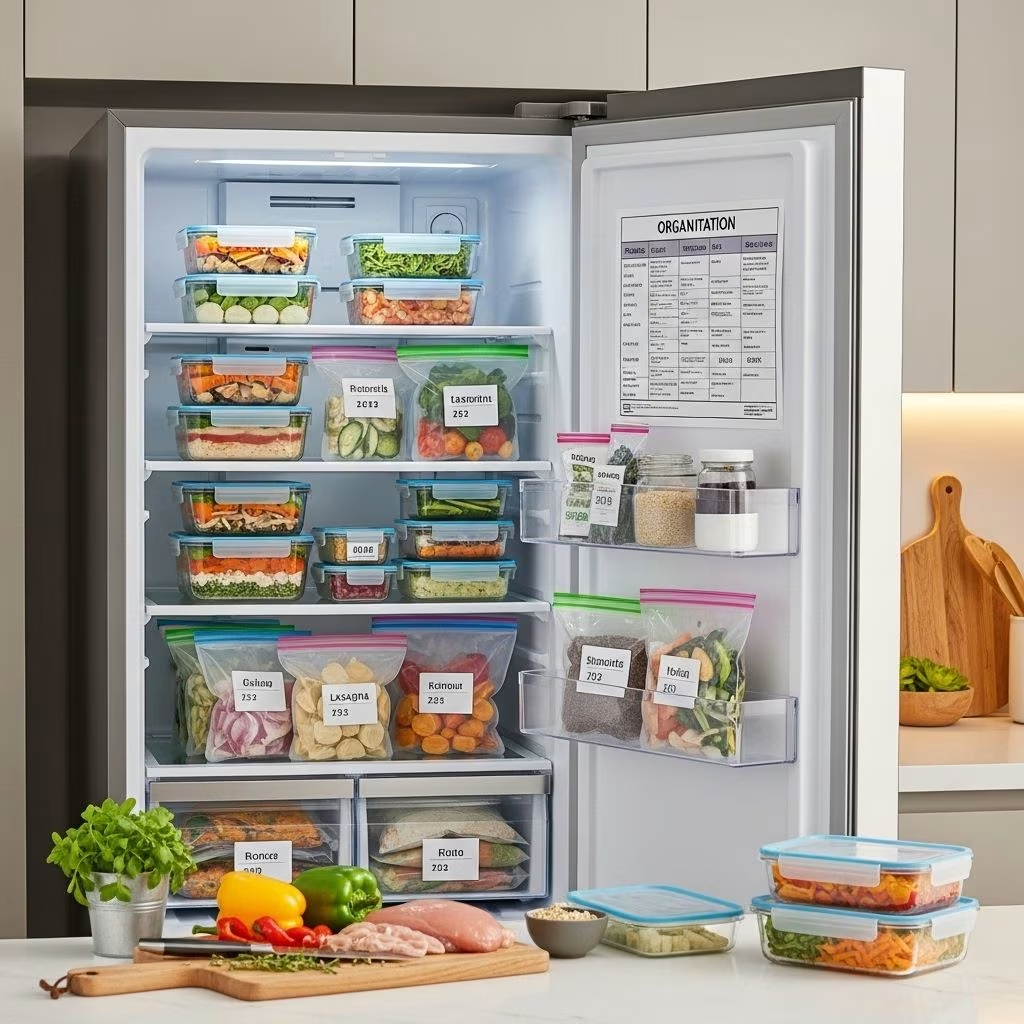
For busy parents juggling work, children’s activities, household responsibilities, and countless other commitments, the nightly question of “What’s for dinner?” can feel overwhelming. While meal planning and preparation are essential strategies for managing family nutrition, they require significant time and energy that many parents simply don’t have. This is where freezer meal swaps emerge as a revolutionary solution that combines efficiency, variety, and community support.
A freezer meal swap transforms the solitary task of meal preparation into a collaborative effort that multiplies your results while dividing your work. Instead of preparing seven different meals for your family each week, imagine preparing just one recipe in multiple batches and exchanging those portions with other parents who have done the same. The result is a freezer stocked with diverse, ready-to-cook meals that require minimal effort on busy weeknights.
What is a Freezer Meal Swap
A freezer meal swap is a collaborative cooking arrangement where multiple families each prepare several portions of a single recipe and then exchange those meals with one another. The fundamental concept is brilliantly simple yet remarkably effective. Instead of one parent making five different meals throughout the week, each participant makes five or six batches of the same meal, keeps one portion for their own family, and trades the remaining portions with other participants.
The beauty of this system lies in its efficiency. When you prepare multiple batches of the same recipe simultaneously, you streamline your shopping, reduce preparation time through bulk processing, and minimize cleanup. Rather than chopping vegetables five separate times for five different meals, you chop once in larger quantities. Rather than assembling ingredients from scratch multiple times, you create an assembly line process that significantly reduces active cooking time.
The swap itself typically occurs at a designated meeting where participants bring their prepared meals in coolers or insulated bags to keep everything properly frozen. At this gathering, families exchange their meals according to predetermined arrangements, ensuring everyone leaves with a variety of different dishes to stock their freezer. What took each participant perhaps two to three hours of focused preparation time yields five to six completely different meals ready for their family.
Benefits of Freezer Meal Swaps for Busy Parents
The advantages of participating in freezer meal swaps extend far beyond simple convenience, touching multiple aspects of family life, household management, and personal wellbeing. Understanding these benefits helps explain why this approach has become increasingly popular among time-strapped parents seeking practical solutions.
Significant Time Savings: The most immediate and obvious benefit is the dramatic reduction in daily cooking time. Instead of spending 30 to 60 minutes preparing dinner each evening, parents can simply transfer a frozen meal to the slow cooker in the morning or pop it in the oven after work. The time invested in preparing multiple batches of one recipe is substantially less than preparing that same number of different meals individually throughout the week.
Financial Benefits Through Bulk Purchasing: When preparing multiple batches of the same recipe, you naturally buy ingredients in larger quantities, which typically offers better per-unit pricing. Purchasing a family pack of chicken breasts or a large bag of frozen vegetables costs less per pound than buying smaller quantities. Additionally, buying in bulk reduces the number of shopping trips required, saving both time and the temptation to make impulse purchases.
Expanded Culinary Variety: One of the most delightful aspects of freezer meal swaps is the exposure to new recipes and cooking styles. Each participant brings their own favorite dishes, family recipes, and culinary traditions to share. This means your family enjoys meals you might never have thought to prepare yourself, expanding everyone’s palate and introducing new flavors without requiring you to research and test numerous recipes.
Reduced Decision Fatigue: The mental load of deciding what to cook every single day exhausts many parents. With a freezer stocked with pre-planned meals, that daily decision is already made. You simply select from your available options, eliminating the stress and mental energy required for constant meal planning.
Community Building and Support: Freezer meal swaps naturally foster relationships among participants. The planning meetings, recipe sharing, and regular interactions create a support network of parents facing similar challenges. These connections often extend beyond meal swapping, developing into genuine friendships and mutual support systems.
Waste Reduction: Preparing meals in batches and freezing them immediately helps minimize food waste. Ingredients are purchased with specific purposes and used efficiently, and frozen meals maintain their quality for months, eliminating the problem of forgotten leftovers spoiling in the refrigerator.
Organizing Your First Freezer Meal Swap
Starting a freezer meal swap group requires thoughtful organization and clear communication, but the process is more straightforward than many parents initially imagine. The key is establishing clear expectations and guidelines from the beginning to ensure all participants understand their commitments and the group operates smoothly.
Identifying Potential Participants: Begin by reaching out to parents in your existing social circles who might be interested in this arrangement. Natural places to find participants include parent groups from your children’s school, neighbors in your community, colleagues at work, members of religious organizations, or friends from activity groups. Start with a smaller group of four to six families for your first swap to keep logistics manageable while you establish your system.
Assessing Interest and Commitment: Before formally organizing the swap, have informal conversations with potential participants to gauge genuine interest and availability. Explain the concept clearly, including the time commitment required for meal preparation and attendance at swap meetings. It’s essential that all participants understand and can fulfill their obligations, as the system only works when everyone contributes their agreed-upon meals.
Establishing Group Size: The ideal group size typically ranges from five to seven families. This number provides good variety in meal options without becoming overwhelming to coordinate. Smaller groups work well for beginners, while experienced swap groups might comfortably accommodate more participants. Consider that each additional participant increases both the variety you receive and the number of meal portions you must prepare.
Planning Meeting Essentials
The planning meeting serves as the foundation for a successful freezer meal swap. This gathering, which should occur two to three weeks before the actual swap date, allows participants to discuss logistics, share expectations, and make collective decisions about how the group will operate.
Setting the Swap Date and Time: Choose a date that provides adequate preparation time without being so far in the future that excitement wanes or participants lose track of their commitment. Two to three weeks typically strikes the right balance. Select a time that accommodates most participants’ schedules, keeping in mind that the actual swap should be relatively brief since frozen meals need to return to freezers promptly.
Determining Meal Specifications: The group must agree on several important parameters that ensure fairness and satisfaction for all participants. Decide whether each meal should be complete with protein, vegetables, and starch, or whether meal components like marinated meats or prepared sauces are acceptable. Establish portion sizes by agreeing that each meal should feed a family of four to six people, adjusting quantities based on your group’s specific family sizes.
Addressing Dietary Restrictions and Preferences: Create an open dialogue about food allergies, dietary restrictions, and strong preferences within the group. If someone has a severe nut allergy, all participants must commit to preparing nut-free meals. Discuss preferences regarding spice levels, ingredient types, and cooking methods to ensure everyone can comfortably consume the meals they receive.
Discussing Packaging Requirements: Agree on acceptable packaging methods, typically gallon-sized freezer bags for slow cooker meals or disposable aluminum pans for oven-baked dishes. Some groups allow reusable containers with the understanding that containers will be returned at the next swap. Establish labeling requirements, including what information must appear on each package such as meal name, cooking instructions, ingredients list, and preparation date.
Introducing Freezer Meal Basics: For participants new to freezer cooking, provide education about proper freezing techniques, safe thawing methods, and suitable recipes. Discuss which ingredients freeze well and which should be avoided or added fresh after thawing. Share resources about freezer meal preparation to ensure everyone produces safe, high-quality meals.
Choosing the Perfect Recipes for Your Swap
Recipe selection significantly impacts both your preparation experience and the overall success of your freezer meal swap. The ideal swap recipe balances ease of preparation, freezing quality, reheating success, and broad appeal to different taste preferences.
Prioritizing Simplicity: For your first swap especially, choose recipes that don’t require extensive preparation time or complicated techniques. Remember that you’re multiplying your effort by the number of portions you’re making. A recipe that takes 15 minutes to assemble becomes much more manageable when preparing six batches than one requiring 45 minutes of active work. Slow cooker recipes excel in swap situations because they typically involve simple assembly with minimal cooking required before freezing.
Selecting Freeze-Friendly Options: Not all recipes freeze equally well. Ideal candidates include soups, stews, casseroles, marinated meats, chilis, and pasta dishes with cream-based or tomato-based sauces. Avoid recipes with ingredients that don’t freeze well, such as raw potatoes, mayonnaise-based sauces, or dishes with high water content vegetables like cucumbers or lettuce. Cream-based dishes can separate during freezing but usually reconstitute well with stirring during reheating.
Considering Reheating Methods: Choose recipes compatible with cooking methods all participants possess. If you plan to make slow cooker meals, confirm that everyone owns a slow cooker. Similarly, oven-based meals require participants to have functioning ovens with adequate space. Some families prefer dump-and-go slow cooker meals that can be started in the morning, while others might prefer oven-ready casseroles that cook in under an hour.
Balancing Flavors and Variety: While you’re only responsible for one recipe, consider what others might contribute to ensure the group achieves good variety. If you’re making a chicken-based dish, others might prepare beef, pork, or vegetarian options. Communication during planning prevents everyone from showing up with similar meals, which defeats the purpose of seeking variety.
Preparation and Packaging Tips
Proper preparation and packaging ensure your freezer meals maintain quality, remain safe to eat, and reheat successfully. Following best practices protects your investment of time and money while guaranteeing satisfaction for the families receiving your meals.
Assembly Line Efficiency: Set up your workspace like a production line to maximize efficiency when preparing multiple batches. Layout all your ingredients in order of use, prepare components in bulk (chop all vegetables at once, brown all meat together, mix all sauces simultaneously), and then portion everything into your packaging. This assembly line approach significantly reduces total preparation time compared to making each meal individually from start to finish.
Cooling Before Freezing: If your recipe involves any cooking before freezing, allow everything to cool completely before packaging and freezing. Placing hot food directly in the freezer raises the freezer’s temperature, potentially affecting other frozen items and creating ice crystals that damage food quality. Cool hot components in shallow containers in the refrigerator before final packaging.
Removing Excess Air: When using freezer bags, remove as much air as possible before sealing to prevent freezer burn and maximize storage space. For liquid-based meals in bags, partially seal the bag, press out air, and finish sealing. Alternatively, use the water displacement method by partially sealing the bag and slowly lowering it into a bowl of water, allowing water pressure to push air out before completing the seal.
Labeling Comprehensively: Clear, complete labeling prevents confusion and ensures meals are prepared correctly. Include the meal name, preparation date, cooking method, cooking time and temperature, any ingredients that need to be added after thawing, and a complete ingredient list for allergy awareness. Write directly on freezer bags with permanent marker or attach printed labels to containers and pans.
Flash Freezing Considerations: For items like meatballs, cookie dough, or other small components, consider flash freezing on a baking sheet before packaging. This prevents pieces from freezing together in one solid mass, allowing recipients to remove portions as needed rather than thawing the entire package.
Swap Day Execution
The actual swap day brings together all the planning and preparation into a organized exchange that should run smoothly with proper coordination. Keeping the event efficient ensures meals remain properly frozen and participants can quickly return home to stock their freezers.
Transportation Requirements: Bring your meals in coolers or insulated bags with ice packs to maintain proper temperature during transport. Plan to spend minimal time at the swap location since frozen items begin thawing once removed from freezers. If the swap location is more than 30 minutes away, add extra ice packs and consider a higher-quality cooler that maintains temperature longer.
Exchange Process: Organize the actual exchange systematically to avoid confusion. One effective method is having each participant place their meals on a designated table or area, then taking turns selecting meals from the offerings. Another approach is pre-assigning which meals each person receives to ensure even distribution. The host might prepare a distribution chart ahead of time showing exactly which meals go to which families.
Recipe and Instruction Sharing: Provide copies of your recipe and detailed cooking instructions to all participants receiving your meal. Some groups maintain a shared digital document with all recipes, while others attach printed instruction cards to each meal. Include any special tips for best results, such as “stir halfway through cooking” or “add fresh herbs just before serving.”
Quick Meeting for Next Swap: Before everyone disperses, spend a few minutes scheduling the next swap date and discussing what worked well or needs adjustment. Maintain momentum by setting the next meeting date while everyone is together and motivated. This is also an opportunity to welcome new members if the group wants to expand.
Cost Management Strategies
Managing costs fairly ensures all participants feel the arrangement is equitable and sustainable long-term. Transparent financial tracking prevents resentment and misunderstandings that could damage the group dynamic.
Calculating Meal Costs: Keep detailed records of your grocery expenses for the meals you prepare, including the portion you keep for your own family. Include costs for ingredients, freezer bags, aluminum pans, and any other supplies used specifically for the swap meals. Most groups exclude negligible amounts like a teaspoon of salt or garlic, but count significant quantities of spices or oils.
Cost Equalization Methods: At the swap, participants share their total costs and calculate the average cost per meal. Those who spent less than average pay the difference to those who spent more, ensuring everyone’s net cost equals the group average. Many groups use payment apps for quick digital transfers. This system allows participants to choose any recipe without worrying about cost disparities, as expenses are balanced at the end.
Setting Budget Guidelines: Some groups establish spending limits per meal to keep costs reasonable for all participants. For example, agreeing that each meal should cost approximately $15 to $20 helps participants select appropriate recipes and prevents anyone from feeling pressured to spend beyond their means. This approach works well for groups with diverse financial situations.
Tracking Systems: Designate someone to maintain financial records for the group, tracking average costs per swap and identifying trends. This information helps with future planning and budgeting. A shared spreadsheet accessible to all members promotes transparency and allows everyone to see the financial aspects of the arrangement.
Healthy Recipe Ideas for Freezer Meal Swaps
Selecting nutritious recipes ensures your freezer meal swap supports your family’s health goals while still providing convenient, delicious dinners. The following categories offer excellent options that freeze well and appeal to various preferences.
Protein-Rich Slow Cooker Meals: Slow cooker recipes excel in freezer meal swaps because they require minimal preparation and cook unattended while you work or manage other responsibilities. Turkey black bean chili provides lean protein and fiber while delivering satisfying flavor. Beef with lime and cilantro offers a fresh, zesty profile that brightens winter meals. Cranberry pork roast combines savory and slightly sweet notes that appeal to diverse palates. These meals typically involve placing pre-portioned ingredients in freezer bags, then dumping the frozen contents directly into the slow cooker on cooking day.
Hearty Soups and Stews: Soups and stews rank among the best freezer meal options because they maintain quality excellently through freezing and reheating. Lentil soup delivers substantial nutrition with plant-based protein and complex carbohydrates. Chicken chili provides a lighter alternative to traditional beef chili while remaining filling and flavorful. Beef stew offers classic comfort food that feeds families well. Italian wedding soup brings elegance and variety with its meatballs, greens, and pasta in flavorful broth. Butternut squash soup provides a creamy, nutrient-dense option that works beautifully for fall and winter months.
Family-Friendly Casseroles: Casseroles offer complete meals in single dishes, making them convenient for busy evenings. Chicken tetrazzini combines pasta, chicken, and vegetables in a creamy sauce that reheats beautifully. Lasagna remains a perennial favorite that can be customized with various vegetables, meats, or vegetarian preparations. Enchiladas provide adjustable spice levels and work well with chicken, beef, or bean fillings. Chicken pot pie delivers ultimate comfort food with vegetables and protein in flaky crust.
Versatile Meal Components: Not every swap meal needs to be completely assembled. Prepared components offer flexibility for busy families to customize their dinners. Pre-seasoned and marinated meats like
References
- https://thefamilyfreezer.com/2013/04/18/how-to-organize-a-freezer-meal-swap/
- https://www.realmomnutrition.com/how-to-start-a-freezer-meal-co-op/
- https://thefamilyfreezer.com
- https://www.perdue.com/the-table-blog/solutions/packing/freezer-meal-hacks-for-busy-parents
- https://www.youtube.com/watch?v=PuVN7ITUgvU
- https://daytonmomcollective.com/around-dayton/freezer-meal-swap-101/
- https://food52.com/story/23691-freezer-friendly-meal-ideas-for-weeknight-dinners


