


Introduction
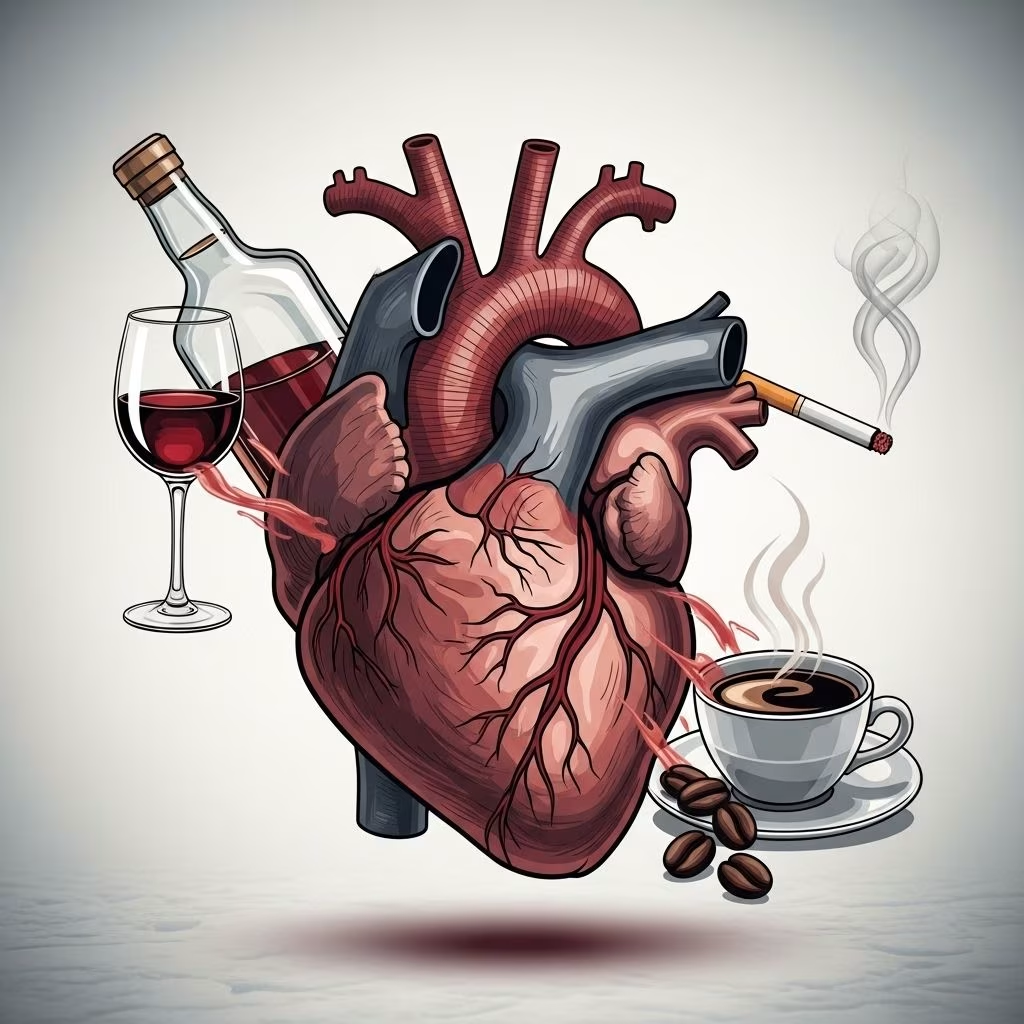
The relationship between lifestyle substances and heart health has been a subject of extensive medical research for decades. Alcohol, smoking, and caffeine represent three of the most commonly consumed substances worldwide, each with distinct and sometimes contradictory effects on cardiovascular health. While millions of people consume these substances daily, understanding their individual and combined impacts on heart health is crucial for making informed decisions about personal wellness.
Cardiovascular disease remains the leading cause of death globally, making it essential to understand how our daily habits contribute to or protect against heart problems. The effects of these substances on the cardiovascular system are complex, involving multiple mechanisms including blood pressure regulation, heart rate variability, cholesterol levels, and inflammation pathways.
Alcohol and Heart Health
The Paradox of Moderate Alcohol Consumption
Research has revealed a complex relationship between alcohol consumption and cardiovascular health, often described as a J-shaped curve. Studies indicate that moderate alcohol consumption may offer some cardiovascular benefits, while excessive drinking clearly increases heart disease risk.
Recent research involving 93,676 postmenopausal women found that consuming 5-15 grams of alcohol daily (approximately one drink) was associated with a reduced risk of sudden cardiac death compared to minimal consumption. This protective effect was most pronounced when analyzing the most recent alcohol intake patterns rather than historical consumption.
Mechanisms of Alcohol’s Cardiovascular Effects
Alcohol affects the cardiovascular system through several pathways:
Positive Effects:
Moderate alcohol consumption can increase high-density lipoprotein (HDL) cholesterol, often called “good cholesterol,” which helps protect against atherosclerosis. It may also have anti-inflammatory effects and improve insulin sensitivity, potentially reducing the risk of coronary artery disease.
Negative Effects:
Excessive alcohol consumption can lead to cardiomyopathy, arrhythmias, and hypertension. Heavy drinking is associated with increased triglyceride levels, elevated blood pressure, and higher risk of stroke. Chronic alcohol abuse can weaken the heart muscle, leading to dilated cardiomyopathy and heart failure.
Gender and Age Considerations
The cardiovascular effects of alcohol vary significantly between men and women, and across different age groups. Women generally experience both benefits and risks at lower consumption levels than men due to differences in body composition and alcohol metabolism. Postmenopausal women, who face increased cardiovascular risk, may experience different effects compared to premenopausal women.
Smoking and the Cardiovascular System
Immediate and Long-term Cardiovascular Damage
Smoking tobacco is unequivocally harmful to cardiovascular health, with both immediate and long-term consequences. Unlike alcohol and caffeine, there is no “safe” level of smoking when it comes to heart health.
The harmful effects of smoking on the cardiovascular system include:
Immediate Effects:
Smoking causes immediate increases in heart rate and blood pressure due to nicotine’s stimulant effects on the sympathetic nervous system. Carbon monoxide from cigarette smoke reduces the blood’s oxygen-carrying capacity, forcing the heart to work harder to deliver adequate oxygen to tissues.
Long-term Damage:
Chronic smoking accelerates atherosclerosis, increases blood clotting tendency, and promotes inflammation throughout the cardiovascular system. Smokers have a significantly higher risk of coronary artery disease, stroke, peripheral artery disease, and sudden cardiac death.
Mechanisms of Smoking-Related Heart Disease
Tobacco smoke contains over 4,000 chemicals, many of which directly damage the cardiovascular system. Nicotine stimulates the release of catecholamines, increasing heart rate and blood pressure. Other compounds promote endothelial dysfunction, increase oxidative stress, and accelerate atherosclerotic plaque formation.
The carbon monoxide in cigarette smoke binds to hemoglobin more readily than oxygen, reducing the blood’s oxygen-carrying capacity and forcing the heart to pump harder to meet the body’s oxygen demands.
Caffeine and Cardiac Effects
Acute vs. Chronic Effects of Caffeine
Caffeine’s impact on cardiovascular health depends heavily on consumption patterns, individual tolerance, and the amount consumed. Recent studies have shown that chronic high caffeine consumption may pose significant cardiovascular risks.
Research presented at ACC Asia 2024 found that consuming more than 400 mg of caffeine daily (equivalent to about four cups of coffee) on most days of the week could increase cardiovascular disease susceptibility in otherwise healthy individuals. The study revealed that chronic caffeine consumption significantly impacts the autonomic nervous system, leading to elevated heart rate and blood pressure over time.
Cardiovascular Mechanisms of Caffeine
Caffeine affects the cardiovascular system through multiple mechanisms:
Adenosine Receptor Blockade:
Caffeine blocks adenosine receptors, preventing the natural calming effects of adenosine on the heart and blood vessels. This leads to increased heart rate and blood pressure.
Sympathetic Nervous System Stimulation:
Caffeine stimulates the release of stress hormones like epinephrine and norepinephrine, which increase heart rate and blood pressure. Regular caffeine consumption can disturb the parasympathetic system, leading to sustained cardiovascular stimulation.
Individual Variability and Tolerance
People metabolize caffeine at different rates due to genetic variations in liver enzymes. Fast metabolizers may experience fewer cardiovascular effects, while slow metabolizers may be more susceptible to caffeine’s cardiac stimulant effects. Regular caffeine consumers develop tolerance to many acute effects, but chronic high consumption can still pose cardiovascular risks.
Combined Effects of All Three Substances
Synergistic and Antagonistic Interactions
When consumed together, alcohol, nicotine, and caffeine can have complex interactions that may amplify or modify their individual cardiovascular effects. Research examining the combined effects of these substances has revealed important insights into their interactions.
Studies involving healthy volunteers have shown that different combinations produce varying cardiovascular responses:
| Combination | Blood Pressure Effect | Heart Rate Effect | Overall Cardiovascular Impact |
|---|---|---|---|
| Alcohol alone | Decreased diastolic BP | Variable | Mixed effects |
| Alcohol + Nicotine | Decreased diastolic BP | Elevated | Complex interaction |
| Coffee + Alcohol + Nicotine | Variable | Maintained elevation | Concerning interaction |
Real-World Consumption Patterns
Many people consume these substances in combination, particularly in social settings. Coffee and cigarettes are often consumed together, as are alcohol and cigarettes. Understanding these real-world consumption patterns is crucial for assessing cardiovascular risk.
The combination of caffeine and nicotine is particularly concerning, as both are stimulants that can have additive effects on heart rate and blood pressure. When alcohol is added to this combination, the cardiovascular system faces multiple conflicting signals that can strain the heart.
Safe Consumption Guidelines
Evidence-Based Recommendations
Based on current research, healthcare organizations have established guidelines for safe consumption of these substances:
Alcohol Guidelines:
For those who choose to drink, moderate consumption is defined as up to one drink per day for women and up to two drinks per day for men. One standard drink contains approximately 14 grams of pure alcohol. Some research suggests that 5-15 grams daily may offer cardiovascular benefits, but this should be discussed with healthcare providers.
Caffeine Guidelines:
The FDA considers up to 400 mg of caffeine daily safe for most healthy adults. However, recent research suggests that chronic consumption at this level may increase cardiovascular risk. Individuals with existing heart conditions should consume significantly less or avoid caffeine entirely.
Smoking Recommendations:
There is no safe level of smoking. Complete cessation is the only way to eliminate smoking-related cardiovascular risks. Even light or occasional smoking significantly increases heart disease risk.
Special Population Considerations
Certain groups face higher risks and should follow more restrictive guidelines:
Pregnant Women: Should avoid alcohol and limit caffeine to 200 mg daily. Smoking cessation is essential for maternal and fetal health.
Individuals with Heart Disease: Should work closely with healthcare providers to determine safe consumption levels, if any.
Elderly Adults: May be more sensitive to all three substances and should consider lower consumption limits.
Frequently Asked Questions
Q: Is red wine really good for heart health?
A: While some studies suggest moderate red wine consumption may offer cardiovascular benefits due to antioxidants like resveratrol, any potential benefits must be weighed against the risks of alcohol consumption. The cardioprotective effects can be obtained through other means like consuming grapes or taking supplements.
Q: How much caffeine is too much for heart health?
A: Recent research suggests that consuming more than 400 mg of caffeine daily (about 4 cups of coffee) on most days may increase cardiovascular disease risk. Individuals with existing heart conditions should consume much less or avoid caffeine entirely.
Q: Can electronic cigarettes affect heart health?
A: Yes, e-cigarettes contain nicotine, which has cardiovascular effects including increased heart rate and blood pressure. While potentially less harmful than traditional cigarettes, e-cigarettes are not safe for cardiovascular health.
Q: Do the benefits of moderate alcohol consumption outweigh the risks?
A: This depends on individual risk factors, age, and overall health status. While some studies show cardiovascular benefits from moderate consumption, alcohol also increases risks for other conditions including certain cancers and liver disease. Consult with healthcare providers for personalized advice.
Q: How quickly do cardiovascular benefits appear after quitting smoking?
A: Cardiovascular improvements begin within 24 hours of quitting smoking. Heart rate and blood pressure drop, circulation improves within weeks, and heart disease risk decreases significantly within one year of cessation.
Conclusion
The relationship between alcohol, smoking, caffeine, and heart health is complex and highly individualized. While moderate alcohol consumption may offer some cardiovascular benefits for certain populations, these potential benefits must be carefully weighed against risks. Smoking remains unequivocally harmful to cardiovascular health with no safe consumption level.
Caffeine presents a nuanced picture, with moderate consumption generally safe for most people, but chronic high consumption potentially increasing cardiovascular disease risk. The combination of these substances can create complex interactions that may amplify cardiovascular risks.
The most important takeaway is that individual factors including age, gender, existing health conditions, and genetic variations significantly influence how these substances affect cardiovascular health. Anyone concerned about their heart health should work closely with healthcare providers to develop personalized guidelines for consumption or cessation of these substances.
Making informed decisions about alcohol, smoking, and caffeine consumption requires understanding both the research evidence and your individual risk factors. While the research continues to evolve, prioritizing heart health through lifestyle modifications, regular medical care, and evidence-based consumption guidelines remains the best approach for long-term cardiovascular wellness.
References
- https://pmc.ncbi.nlm.nih.gov/articles/PMC3652927/
- https://www.acc.org/About-ACC/Press-Releases/2024/08/15/14/46/New-Study-Finds-Chronic-High-Caffeine-Consumption-May-Heighten-Risk-for-Cardiovascular-Disease
- https://pmc.ncbi.nlm.nih.gov/articles/PMC3621324/
- https://www.nature.com/articles/s41598-022-15611-x
- https://academic.oup.com/eurheartj/article/46/8/749/7928425
- https://journals.plos.org/plosone/article?id=10.1371%2Fjournal.pone.0017584


