


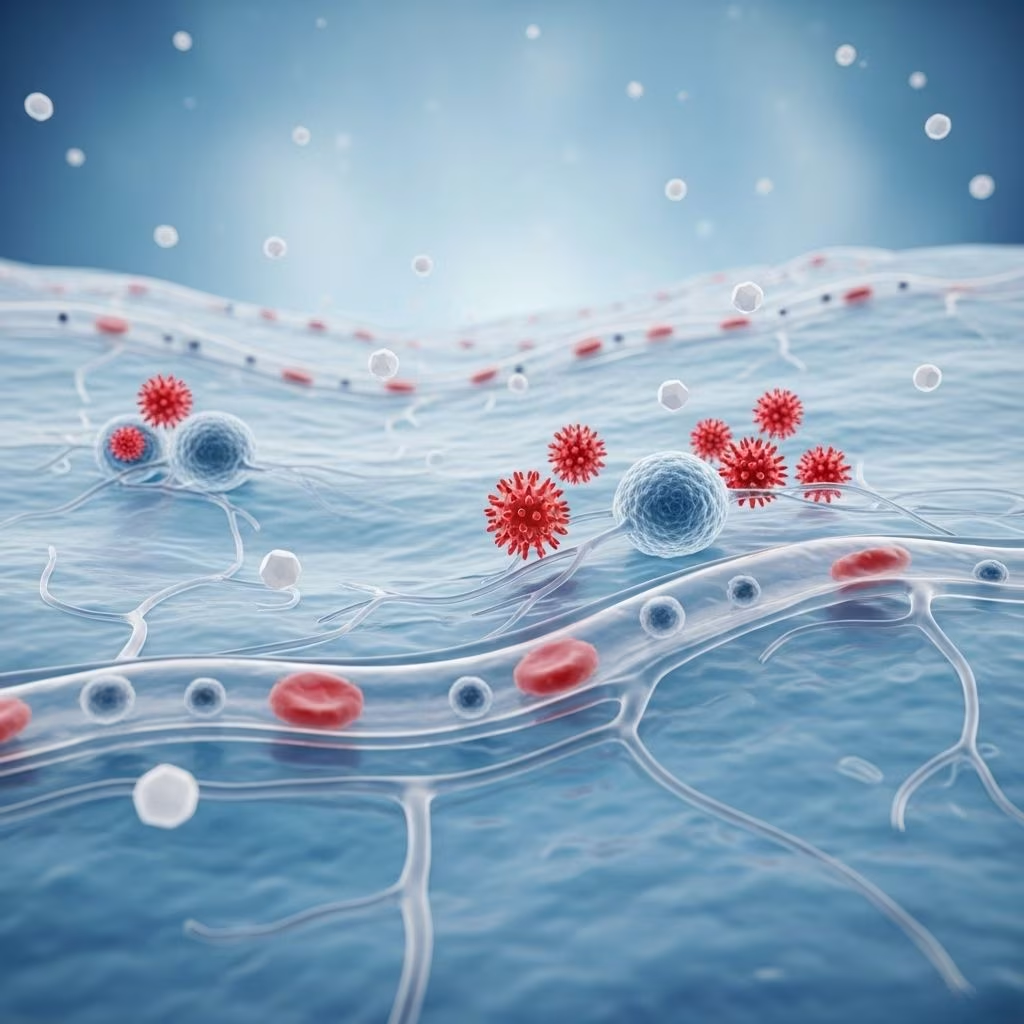
Allergy season brings with it a cascade of uncomfortable symptoms—but scientific research reveals that the interplay between allergies, histamine release, and fluid balance in the body is far more intricate than most people realize. This comprehensive article explores the underlying immune mechanisms, histamine’s actions, how hydration and electrolytes affect allergic reactions, and provides practical strategies for managing allergies by optimizing fluid balance.
What Are Allergies?
Allergies are hypersensitive immune responses to ordinarily harmless foreign substances called allergens. Common allergens include pollen, pet dander, dust mites, certain foods, and insect stings. When exposed to these triggers, a susceptible individual’s immune system reacts inappropriately, often resulting in an overproduction of immune mediators—including histamine—that generate typical allergy symptoms.
- Itchy eyes, nose, or throat: Often caused by histamine acting on nerve endings.
- Runny or blocked nose: Enhanced mucus production and vascular permeability.
- Sneezing and coughing: Body’s reflex to expel irritants.
These defensive actions, while initially protective, become problematic when triggered in absence of real danger, leading to chronic symptoms that impair quality of life.
Histamine in Immune Response
Histamine is a biogenic amine stored in granules inside mast cells and basophils, specialized immune cells distributed throughout connective tissue, skin, and mucosal linings of the body. When allergens bind to immunoglobulin E (IgE) antibodies on the surface of these cells, histamine—and other inflammatory mediators—are released in a process called degranulation.
Histamine’s primary roles in allergic reactions include:
- Vasodilation and increased vascular permeability: Causes blood vessels to become leakier, leading to swelling, redness, nasal congestion, and watery eyes.
- Stimulation of nerve endings: Responsible for the itching, tingling, and irritation often felt in the skin and mucous membranes.
- Smooth muscle contraction: Can lead to bronchoconstriction in the lungs (asthma symptoms), and, in the intestines, pain and diarrhea.
- Mucous secretion: Heightens the body’s ability to trap and expel allergens but also aggravates nasal and respiratory symptoms.
While these functions are part of the body’s normal defense against parasites, in allergic individuals, they are triggered by harmless substances, resulting in excessive symptoms.
Fluid Balance and Allergy Symptoms
Fluid balance refers to the body’s maintenance of an optimal equilibrium between water intake and output, critical for organ health, immune function, and tissue homeostasis. Research has revealed a profound link between hydration status and allergy severity.
- Dehydration can intensify allergy symptoms by promoting higher levels of histamine release.
- Thicker, stickier mucus results from low fluid availability, leading to greater mucus plugging and more severe nasal congestion.
- Proper hydration helps thin mucus, facilitating easier clearance of allergens from the airways and sinuses.
A study in the Journal of Allergy and Clinical Immunology found that low hydration is associated with increased histamine production, heightened inflammation, and exacerbated allergy symptoms. Keeping the body well-hydrated supports efficient clearance of toxins and allergens and moderates immune hypersensitivity.
Fluid Shifts and Vascular Permeability
When histamine is released, it causes blood vessels to dilate and become more permeable, resulting in “leakage” of plasma into surrounding tissues. This leads to tissue swelling (edema), runny eyes and nose, and—when severe—life-threatening symptoms of anaphylactic shock due to a profound drop in blood pressure.
Thus, fluid balance not only modulates allergy symptom severity but is actively perturbed by histamine during allergic responses.
Electrolytes and Their Influence on Histamine
Electrolytes are minerals—such as sodium, potassium, calcium, and magnesium—that dissolve in body fluids and are essential for regulating water movement in and out of cells, nerve signaling, and muscle contraction.
Electrolyte imbalances influence allergy reactions in several ways:
- Regulating Fluid Retention: Sodium and potassium balance help retain fluids, countering dehydration-induced histamine release that worsens allergy symptoms.
- Reducing Inflammation: Magnesium is known to moderate inflammatory responses, and adequate levels may decrease histamine’s inflammatory impact on tissues.
- Supporting Immune Function: Optimal electrolyte and fluid levels help immune cells function efficiently in clearing allergens and managing tissue repair.
Loss of electrolytes through sweating (during allergy-related fever or respiratory symptoms) or inadequate intake can further disrupt the body’s ability to maintain fluid balance, making allergy symptoms harder to control.
Histamine Receptors and Their Actions
Histamine acts by binding to four types of receptors (H1R–H4R), each of which mediates specific physiological and pathological processes:
| Receptor | Locations | Main Effects Relevant to Allergies and Fluid Balance |
|---|---|---|
| H1 | Nerves, respiratory epithelium, vascular smooth muscle | Vasodilation, increased permeability (fluid leakage), bronchoconstriction, itching |
| H2 | Stomach, heart, vascular smooth muscle | Gastric acid secretion, increased heart rate |
| H3 | Central nervous system | Neurotransmission, regulation of wakefulness |
| H4 | Bone marrow, immune cells | Immune regulation, chemotaxis, inflammation |
The H1 receptor is mainly responsible for the acute symptoms of allergy—including swelling, redness, itch, and bronchospasm—by increasing vascular permeability and stimulating sensory nerves. Antihistamine drugs primarily block H1R to relieve common allergic symptoms.
Hydration Strategies for Allergy Relief
Based on current evidence, optimizing hydration may play a critical role in managing allergies and supporting immune function. Key recommendations include:
- Drink sufficient water throughout the day (adults: 2–3 liters/day, adjust for heat or activity).
- Consume electrolyte-rich fluids (e.g., sports drinks, electrolyte tablets) during periods of high fluid loss to help retain water and decrease risk of dehydration-induced histamine surge.
- Monitor urine color: Dark yellow urine often indicates dehydration. Aim for light straw coloration.
- Limit diuretics (caffeine, alcohol) in allergy season, as they can promote fluid loss.
Persons with chronic allergies, asthma, or histories of anaphylaxis should be especially attentive to their hydration status and electrolyte balance.
Histamine Intolerance and Fluid Homeostasis
Histamine intolerance is characterized by an impaired ability to metabolize dietary or endogenous histamine, resulting in pseudoallergic symptoms that closely resemble classic allergies.
- Symptoms include flushing, headache, rhinitis, hives, and in some cases, diarrhea or low blood pressure.
- Excessive histamine can augment vascular permeability, leading to episodic fluid shifts and edema.
- People with histamine intolerance may benefit from hydration and avoidance of high-histamine foods to stabilize symptoms.
It’s essential to differentiate histamine intolerance from true IgE-mediated allergy, as management strategies can differ.
Clinical Insights and Recent Research
- Studies confirm that dehydration increases histamine levels, which can worsen allergy symptoms such as sneezing, fatigue, congestion, and swelling.
- Research on mast cell activation shows that histamine also stimulates release of cytokines and chemokines, contributing to chronic allergic inflammation and impacts on fluid distribution in tissues.
- Antihistamines remain the mainstay for symptomatic relief as they block the effects of histamine, but their efficacy may be enhanced with optimal hydration.
- Electrolyte supplementation is emerging as a potential adjunct for allergy management, particularly in the setting of substantial fluid loss or when hydration is difficult to maintain.
Frequently Asked Questions (FAQs)
Q: Can drinking more water really reduce allergy symptoms?
A: Yes, adequate hydration can help thin mucus, promote clearance of allergens, and may reduce histamine release triggered by dehydration. However, hydration is best used alongside other allergy treatments.
Q: Do electrolyte drinks help with allergies?
A: Electrolyte-rich fluids help maintain fluid balance, supporting healthy mucus production and may moderate some inflammatory symptoms, but they are not substitutes for antihistamines or prescribed allergy medications.
Q: What foods are high in natural histamine?
A: Fermented foods (cheese, sauerkraut), cured meats, aged fish, alcohol, and certain fruits (strawberries) are high in histamine. If you have histamine intolerance, reducing these may relieve symptoms.
Q: What should I do if I have severe allergy symptoms affecting breathing or blood pressure?
A: Immediate emergency care is necessary. Severe reactions (anaphylaxis) require an epinephrine injection and urgent medical attention.
Q: How do antihistamines work?
A: Antihistamines block H1 receptors, preventing histamine from triggering swelling, itching, runny nose, and other allergy symptoms.
Summary
Allergies, histamine activity, and fluid balance are linked in a complex web of immune reactions and physiological responses. Understanding how hydration and electrolytes influence allergy severity and how histamine alters the distribution of fluids in the body offers practical strategies for symptom relief and improved quality of life. Prioritizing hydration, considering electrolyte balance, and seeking appropriate medical care remain fundamental to managing allergies and minimizing their impact.
References
- https://www.bubsnaturals.com/blogs/electrolytes-hydration/do-electrolytes-help-with-allergies-exploring-the-connection-between-hydration-and-allergy-relief
- https://medlineplus.gov/medlineplus-videos/histamine-the-stuff-allergies-are-made-of/
- https://pmc.ncbi.nlm.nih.gov/articles/PMC6099187/
- https://my.clevelandclinic.org/health/articles/24854-histamine
- https://pmc.ncbi.nlm.nih.gov/articles/PMC8945898/
- https://healthinmenopause.co.uk/histamine-intolerance/
- https://en.wikipedia.org/wiki/Histamine_intolerance
- https://www.elsevier.es/en-revista-allergologia-et-immunopathologia-105-articulo-histamine-histamine-intoxication-intolerance-S0301054615000932


