


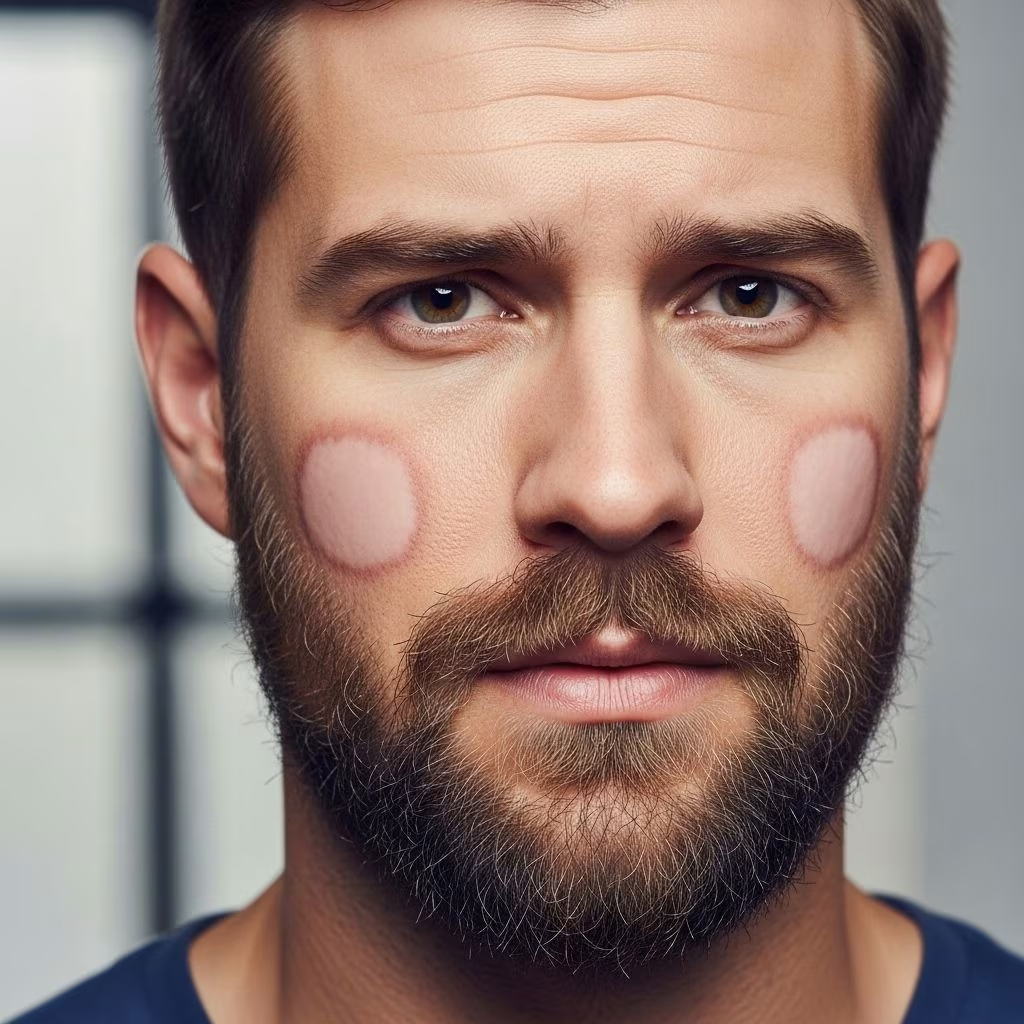
Alopecia barbae is a distinct and often distressing form of hair loss that specifically targets the beard area, leading to patchy bald spots on the face. This guide explores the causes, symptoms, diagnostic steps, and both established and emerging treatment options for this unique autoimmune condition.
What is Alopecia Barbae?
Alopecia barbae is a specific type of alopecia areata—an autoimmune disorder—characterized by sudden, round, or oval patches of hair loss within the beard region. Unlike male pattern baldness or generalized alopecia areata, alopecia barbae is localized and affects the coarse facial hair.
The onset is often rapid, although the extent and longevity of hair loss varies widely from person to person. In some cases, the hair regrows spontaneously over time; in others, the process can be relapsing or chronic, and regrowth may be incomplete or absent.
Causes and Risk Factors
The precise cause of alopecia barbae is unknown, but the condition is understood to be an autoimmune reaction. The body’s immune system mistakenly targets and attacks its own hair follicles, leading to inflammation and disrupted hair growth.
Key Contributing Factors
- Genetics: A family history of autoimmune disorders, including alopecia areata, increases risk.
- Other Autoimmune Conditions: Higher prevalence among individuals with conditions like diabetes, lupus, or thyroid disease.
- Stress: Emotional or physical stress is often a reported trigger, though not always present.
- Environmental Factors: Certain infections or trauma to the skin might act as catalysts.
Risk can increase with age (often presenting in men aged 30-40), but onset is possible at any age.
Symptoms and Clinical Presentation
Alopecia barbae manifests as sudden, sharply defined, round or oval bald spots within the beard area. The affected skin often appears smooth and normal, although in some cases mild redness or irritation can occur. Uncommonly, tingling or mild discomfort may precede hair loss.
Characteristic Signs
- Round, patchy bald spots in the beard.
- Absence of scarring, scaling, or infection.
- “Exclamation mark” hairs (tapered at the base) at the edges of patches.
- Variation in regrown hair color or texture—sometimes lighter or white compared to surrounding beard.
- Hair loss can range from a single patch to multiple, merging areas across the cheeks, chin, jaw, and neck.
Facial hair loss is sometimes accompanied by similar patches on scalp, brows, or elsewhere, indicating a broader type of alopecia areata.
Diagnosis of Alopecia Barbae
Diagnosis is primarily clinical, based on visual assessment of the beard area and personal or family medical history. In cases where the cause is unclear or alternative diagnoses are considered, additional investigations may be warranted.
Diagnostic Steps
- Physical Examination: Dermatologist assesses pattern, distribution, and extent of hair loss.
- History: Inquiry into recent illnesses, stressors, autoimmune symptoms, or family history.
- Trichoscopy (dermatoscope examination): May reveal characteristic “exclamation mark” hairs and normal follicular openings.
- Laboratory Tests: Thyroid function, blood glucose, and autoimmune markers may be tested if systemic disease suspected.
- Skin Biopsy (rare): In unclear cases, to confirm disruption of follicles consistent with alopecia areata.
Early and accurate diagnosis is essential, as treatment outcomes are generally better when initiated promptly.
Treatment Options for Alopecia Barbae
There is currently no permanent cure for alopecia barbae, and regrowth cannot be guaranteed for all individuals. However, several treatments—ranging from topical medications to advanced therapies—may stimulate hair regrowth and suppress the underlying immune reaction.
Overview of Main Treatments
| Treatment | How It Works | Typical Use/Notes |
|---|---|---|
| Topical Corticosteroids | Reduces local inflammation and immune activity | First-line; creams/ointments, low-to-moderate potency on the face |
| Intralesional Corticosteroid Injections | Suppresses immune cells locally by direct injection | Deeper or persistent spots; every 4-6 weeks; risk of skin thinning |
| Minoxidil | Stimulates hair follicle growth | OTC foam/solution; off-label for beard, used individually or combined with steroids |
| Topical Immunotherapy | Provokes mild allergic reaction to ‘distract’ immune system | Diphencyprone (DPCP) or squaric acid; for resistant cases with frequent monitoring |
| Platelet-Rich Plasma (PRP) Therapy | Delivers growth factors to follicles | Injections from patient’s own blood; experimental but promising |
| JAK Inhibitors | Blocks specific immune pathways involved | New FDA-approved oral options for severe, stubborn cases |
| Hair Transplantation | Replaces follicles in bald areas | For very resistant, long-standing patches; surgical, invasive |
Detailed Treatment Modalities
1. Topical and Intralesional Corticosteroids
- Topical corticosteroids are often the first choice, especially for small patches. Creams/ointment should be low to moderate potency (as the facial skin is sensitive), and are applied once or twice daily for several weeks.
- Intralesional corticosteroid injections (such as triamcinolone acetonide) are reserved for small to moderate-sized, well-demarcated patches. The steroid is injected directly into the bald patch every 4 to 6 weeks. Results are variable, and some individuals may notice regrowth within a few months.
2. Topical Minoxidil
- Minoxidil (2% or 5%) solution or foam, commonly used for scalp hair regrowth, is sometimes used off-label for alopecia barbae. Applied twice daily, results may be seen after 3-6 months. Use is often combined with topical corticosteroids for added effect. Side effects can include irritation, rash, or dryness.
3. Topical Immunotherapy
- Diphencyprone (DPCP) or squaric acid dibutyl ester (SADBE) are applied to the skin to deliberately create a mild allergic reaction, which ‘distracts’ immune cells and can allow hair follicles to recover. Sessions are repeated over months and are monitored by a dermatologist due to potential reactions—redness, swelling, itching.
4. Platelet-Rich Plasma (PRP) Therapy
- PRP involves drawing blood, concentrating its platelets, and injecting this processed serum into the beard’s bald patches. Platelets release growth factors that may awaken dormant follicles. Studies and case reports show some promise, especially for resistant cases, though it is an out-of-pocket, experimental treatment.
5. JAK Inhibitors
- Janus kinase (JAK) inhibitors such as baricitinib (Olumiant), ritlecitinib (Litfulo), and deuruxolitinib (Leqselvi) target the immune pathways responsible for follicle attack. Oral medications, they are reserved for severe or treatment-resistant alopecia areata, with mounting evidence in alopecia barbae. They require monitoring for potential side effects, including increased infection risk.
6. Hair Transplantation
- Hair transplantation surgically relocates individual hair follicles from elsewhere (often scalp) to beard patches. It is costly, invasive, and generally a last-resort option for those with long-standing, stable alopecia barbae refractory to medical therapies.
7. Alternative/Adjunctive Treatments
- Microneedling: Creates micro-punctures to induce wound healing and growth factor release—sometimes combined with minoxidil or PRP.
- Anthralin: A tar-like immunomodulatory cream sometimes prescribed for patchy cases; applied for a set period and washed off.
- Systemic immunosuppressants: Rarely used due to risk profile; reserved for severe or generalised cases.
Emerging and Adjunctive Therapies
- Nutritional Support: Deficiencies in key vitamins and minerals (especially biotin, zinc, iron, and vitamin D) may hamper hair regrowth. Supporting a balanced diet may be helpful, though supplementation should only be undertaken under medical advice.
- Oral antibiotics: For rare infectious causes or if secondary bacterial infection complicates the patches.
- Lifestyle Modifications: Addressing chronic stress, improving sleep, and maintaining skin hygiene may help overall health and hair growth.
Lifestyle and Home Care Tips
- Avoid shaving too close or using irritating beard care products during active hair loss.
- Keep beard skin moisturized and protected from harsh weather.
- Consider camouflaging patches with temporary beard dyes or makeup if self-consciousness arises.
- Reduce stress through mindfulness, yoga, or regular exercise, as stress is a known trigger for autoimmune activity.
- Eat a balanced diet rich in protein, antioxidants, and essential nutrients.
- Consult a dermatologist about new or concerning symptoms promptly.
Coping With Alopecia Barbae
For many men, beard loss has a profound impact on self-image and confidence. Coping strategies may include:
- Seeking professional counseling or support groups to share experiences.
- Exploring new beard styles or clean-shaven looks as a positive change rather than a loss.
- Using cosmetic solutions (like beard pencils or fibers) for special occasions.
- Remembering that spontaneous regrowth is possible, and periods of hair loss may be temporary.
Frequently Asked Questions (FAQs)
Q: Can alopecia barbae resolve without treatment?
A: In some cases, hair regrowth occurs spontaneously within 6–12 months, but this is not guaranteed. Many opt for therapies to accelerate or maximize regrowth.
Q: How effective are current treatments?
A: Response varies. Small patches often respond well to steroids or minoxidil, while extensive or chronic cases are more challenging and sometimes require advanced therapies like JAK inhibitors or PRP.
Q: Is beard alopecia contagious or a sign of poor hygiene?
A: No. Alopecia barbae is autoimmune, not infectious nor related to cleanliness.
Q: Can lifestyle changes improve outcomes?
A: Managing stress, supporting nutrition, and avoiding irritants may promote improved wellbeing and potentially aid regrowth, but they are not treatments on their own.
Q: Will the hair always grow back the same?
A: Hair may grow back patchy, with a different color or texture. Sometimes, regrowth is not complete.
Conclusion
Alopecia barbae can present unique psychological and cosmetic challenges, but various medical and non-medical approaches exist to manage symptoms and encourage regrowth. Consultation with a board-certified dermatologist is recommended to develop an individualized treatment plan, track progress, and access new therapies as research evolves.
References
- https://metrobostoncp.com/blogs/alopecia-barbae/
- https://www.treatmentroomslondon.com/beard/alopecia-barbae-what-you-need-to-know/
- https://www.healthline.com/health/alopecia-barbae
- https://pmc.ncbi.nlm.nih.gov/articles/PMC10381635/
- https://dermatrials.medicine.iu.edu/blogs/what-is-alopecia-barbae
- https://www.naaf.org/navigation-toolkit/available-treatments/
- https://www.aad.org/public/diseases/hair-loss/types/alopecia/treatment
- https://wimpoleclinic.com/blog/alopecia-barbae-causes-diagnosis-treatment/
- https://my.clevelandclinic.org/health/diseases/12423-alopecia-areata


