


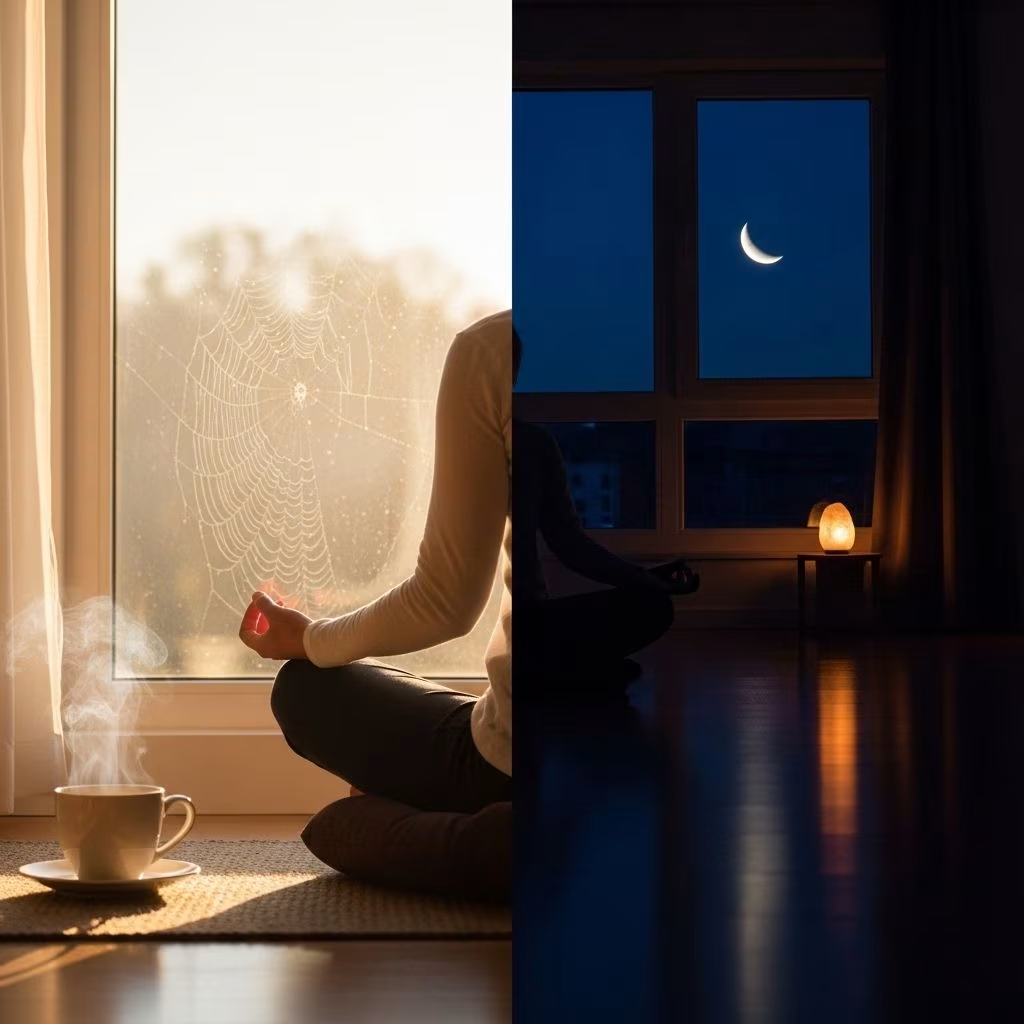
The question of when to meditate has puzzled practitioners for centuries, with passionate advocates on both sides of the morning versus evening debate. While some swear by the clarity and energy that comes from dawn meditation, others find their deepest peace in evening practice. The truth is that both timing options offer unique advantages, and the best choice depends on your personal circumstances, goals, and lifestyle.
The Power of Morning Meditation
Morning meditation has long been considered the gold standard by many spiritual traditions and contemporary practitioners alike. The early hours offer a unique window of opportunity when the mind is naturally quieter and more receptive to contemplative practices.
Enhanced Mental Clarity and Focus
Starting your day with meditation creates a foundation of mental clarity that can last throughout your waking hours. During the morning, your mind hasn’t yet been bombarded with the day’s stressors, decisions, and distractions. This pristine mental state allows for deeper concentration and more effective meditation sessions.
Research indicates that morning meditation practitioners often experience improved cognitive functions, including better problem-solving abilities and enhanced decision-making skills. The clarity gained during morning practice tends to carry over into daily activities, making you more present and focused in your work and relationships.
Energy Boost and Vitality
Contrary to what some might expect, meditation doesn’t necessarily make you drowsy or relaxed to the point of lethargy. Morning meditation can actually energize both mind and body, providing a natural alternative to caffeine for those seeking alertness without jitters.
Many practitioners report feeling invigorated and more alert after their morning sessions, particularly beneficial for those who typically struggle with morning fatigue or sluggishness. This energy boost comes from the activation of your body’s natural rhythms and the mental refreshment that meditation provides.
Consistency and Routine Building
One of the strongest arguments for morning meditation is the ease of establishing and maintaining consistency. Morning hours are typically less likely to be disrupted by unexpected events, meetings, or social obligations that can derail evening plans.
By incorporating meditation into your morning routine, you create a sacred space for self-care that’s protected from the day’s demands. This consistency is crucial for developing a sustainable practice, as irregular meditation schedules often lead to abandoned practices.
Setting Daily Intentions
Morning meditation provides an excellent opportunity to set intentions for the day ahead. This practice of mindful intention-setting can significantly impact your emotional state, decision-making, and overall approach to daily challenges.
When you begin your day with meditation, you’re essentially programming your mind for mindfulness, compassion, and awareness. This intentional start can lead to more positive interactions with others and a generally more optimistic outlook throughout the day.
The 4 AM Advantage
Some advanced practitioners advocate for extremely early morning meditation, particularly around 4 AM. The theory suggests that during these pre-dawn hours, the earth’s energy is less disturbed, creating optimal conditions for deep spiritual practice.
While 4 AM meditation isn’t practical for everyone, those who embrace this timing often report experiencing profound states of consciousness and developing exceptional discipline that benefits all areas of their lives. The quiet solitude of these early hours can indeed provide an unmatched environment for contemplative practice.
Evening Meditation Benefits
Evening meditation offers its own compelling set of advantages, particularly for stress relief and preparing the mind and body for restorative sleep. As the day winds down, meditation can serve as a bridge between the active energy of daytime and the peaceful surrender of night.
Stress Relief and Decompression
After a full day of work, responsibilities, and various stressors, evening meditation provides an essential opportunity to decompress and release accumulated tension. This practice can be particularly valuable for those in high-stress occupations or dealing with challenging life circumstances.
Evening meditation allows you to process the day’s experiences consciously, letting go of worries, frustrations, and mental clutter that might otherwise follow you into sleep. This conscious release can prevent stress from building up over time and affecting your long-term well-being.
Improved Sleep Quality
One of the most significant benefits of evening meditation is its positive impact on sleep quality. Regular evening practice can help quiet the mind’s chatter, making it easier to fall asleep and achieve deeper, more restorative rest.
The relaxation response triggered by meditation naturally prepares your body for sleep by lowering heart rate, reducing blood pressure, and activating the parasympathetic nervous system. This physiological shift creates ideal conditions for healthy sleep cycles.
Reflection and Integration
Evening hours provide a natural time for reflection and integration of the day’s experiences. Through meditation, you can process emotions, insights, and lessons learned, fostering personal growth and emotional intelligence.
This reflective quality of evening meditation can lead to greater self-awareness and emotional maturity over time. By regularly examining your thoughts, reactions, and behaviors through the lens of mindfulness, you develop a deeper understanding of yourself and your patterns.
Flexible Timing Options
Evening meditation offers more flexibility in timing compared to rigid morning schedules. You can meditate after dinner, before bedtime, or whenever your evening routine allows, making it easier to adapt to varying daily schedules.
For those with unpredictable work schedules or family obligations, this flexibility can be the difference between maintaining a consistent practice and abandoning meditation altogether.
What Research Tells Us
Scientific research on meditation timing reveals fascinating insights about the effectiveness of different practice schedules. A comprehensive 2022 study compared morning versus evening meditation and found remarkable results that challenge some common assumptions.
Key Research Findings
The 2022 comparative study discovered that meditation at either time of day decreased anxiety, increased mindfulness, improved sleep quality, and enhanced overall mental well-being. This finding suggests that consistency of practice may be more important than specific timing.
Research also shows that mindfulness practices like meditation dampen activity in the amygdala and increase connections between the amygdala and prefrontal cortex. These neurological changes help practitioners become less reactive to stressors and recover more effectively from stressful situations, regardless of when the meditation occurs.
Cumulative Effects
Studies indicate that meditation has cumulative effects, meaning that if you meditate during the day, you’ll still experience benefits at night, including improved sleep. This finding supports the idea that any meditation is better than no meditation, regardless of timing.
The cumulative nature of meditation benefits also suggests that practitioners shouldn’t stress too much about finding the “perfect” time, but rather focus on establishing and maintaining a regular practice.
How to Choose the Right Time
Selecting the optimal meditation time requires honest self-assessment and consideration of multiple factors. Rather than following rigid rules, successful practitioners learn to align their practice with their natural rhythms and life circumstances.
Assess Your Chronotype
Your natural sleep-wake cycle, known as your chronotype, plays a crucial role in determining the best meditation time. Morning larks naturally feel most alert and energetic in the early hours, making dawn meditation feel natural and sustainable. Night owls, conversely, may find evening meditation more aligned with their energy patterns.
Consider your energy levels throughout the day and identify when you feel most mentally clear and emotionally balanced. This awareness can guide you toward the timing that will yield the most benefits.
Evaluate Your Schedule
Practical considerations matter significantly in establishing a sustainable practice. Examine your daily routine and identify periods that are consistently available and unlikely to be interrupted.
Morning meditation requires earlier wake-up times and consistent sleep schedules, while evening meditation needs protection from social obligations, work demands, or family responsibilities. Choose the time that feels most realistic and sustainable for your lifestyle.
Consider Your Goals
Your meditation objectives can influence optimal timing choices. If your primary goal is stress relief and better sleep, evening meditation might be more suitable. If you’re seeking increased focus, energy, and intentional living, morning practice could be more beneficial.
For those dealing with anxiety throughout the day, morning meditation might provide better protection against daily stressors. For individuals processing work stress or relationship challenges, evening practice might offer more relevant benefits.
Meditation Timing Strategies
Successful meditation practitioners often develop sophisticated timing strategies that maximize benefits while maintaining consistency. These approaches can help you develop a practice that serves your unique needs and circumstances.
The Dual Practice Approach
Many experienced meditators practice both morning and evening meditation, creating bookends for their day. This approach combines the advantages of both timing options: morning clarity and intention-setting with evening stress relief and sleep preparation.
A dual practice doesn’t require equal time investment at each session. You might do a longer morning practice with a shorter evening session, or vice versa, depending on your needs and schedule.
Flexible Consistency
Rather than rigid timing, some practitioners develop flexible consistency, always meditating at the same relative time in their routine rather than at the exact same clock time. For example, always meditating immediately after waking up, regardless of the specific hour.
This approach maintains the benefits of routine while accommodating schedule variations and lifestyle changes.
Stress-Responsive Timing
Research supports meditating when you feel stressed, regardless of the time of day. Developing the ability to turn to meditation during challenging moments can be incredibly powerful for emotional regulation and stress management.
This approach treats meditation as both a daily practice and an emergency tool, providing maximum flexibility and immediate benefits when needed most.
Seasonal Adjustments
Consider adjusting your meditation timing with seasonal changes. Longer summer days might make early morning meditation more appealing, while shorter winter days might favor evening practice when natural light is limited.
Seasonal adjustments help maintain alignment with natural rhythms and can prevent practice stagnation or seasonal mood challenges.
Overcoming Common Challenges
Both morning and evening meditation present unique challenges that can derail even well-intentioned practitioners. Understanding and preparing for these obstacles increases your chances of maintaining a consistent practice.
Morning Meditation Challenges
Difficulty Waking Early: Start gradually by waking just 10-15 minutes earlier than usual, slowly extending the time as your body adjusts. Ensure adequate sleep by adjusting your bedtime accordingly.
Morning Grogginess: If you feel too sleepy to meditate effectively, try gentle movement, stretching, or even a brief walk before sitting down to practice. Some practitioners find that splashing cold water on their face helps increase alertness.
Time Pressure: Begin with very short sessions, even just 5 minutes, to establish the habit without creating time stress. Consistency matters more than duration in the early stages of practice.
Evening Meditation Challenges
Too Tired to Focus: Choose more relaxing meditation styles in the evening, such as body scans or gentle breathing exercises rather than concentration-intensive practices. The goal is relaxation rather than intense focus.
Distractions and Interruptions: Create a consistent evening routine that signals to family members or roommates that you’re entering meditation time. Consider using a “do not disturb” sign or establishing clear boundaries.
Falling Asleep During Practice: If you consistently fall asleep during evening meditation, try practicing in a chair rather than lying down, or meditate earlier in the evening when you’re still alert.
Universal Solutions
Regardless of timing, certain strategies benefit all practitioners. Create a dedicated meditation space that feels peaceful and inviting. Start with realistic expectations and shorter sessions, gradually building duration and complexity.
Remember that perfect conditions don’t exist, and flexibility in your approach will serve you better than rigid adherence to ideal scenarios. The best meditation practice is the one you actually do consistently.
Frequently Asked Questions
Q: Can I meditate at both morning and evening?
A: Absolutely! Many practitioners find that incorporating both morning and evening meditation allows them to experience the unique benefits of each timing. You might do a longer session at your preferred time and a shorter session at the other time.
Q: How long should I meditate?
A: If you’re new to meditation, start with just 5-10 minutes and gradually increase the duration as you become more comfortable. Consistency is more important than length, especially when establishing a new practice.
Q: What if I can only find time to meditate irregularly?
A: Any meditation is better than no meditation. If trying to figure out the perfect time is causing stress, give yourself permission to meditate whenever it fits into your schedule. Focus on establishing the habit first, then work toward consistency.
Q: Should I meditate before or after exercise?
A: This depends on your goals and energy levels. Some people find meditation helps them focus and prepare mentally for exercise, while others prefer to meditate after physical activity when their body is naturally more relaxed.
Q: What if my mind is too busy in the morning to meditate?
A: A busy mind is exactly why meditation can be so beneficial in the morning. Start with simple breathing exercises or guided meditations to help focus your attention. Remember that noticing your busy mind is part of the practice, not a failure.
Q: Is it better to meditate on an empty or full stomach?
A: Most practitioners find it easier to meditate on an empty or lightly satisfied stomach. Heavy meals can cause drowsiness or discomfort during practice. If you’re hungry, a light snack 30 minutes before meditation is usually fine.
Q: How do I stay consistent with my meditation practice?
A: Choose a realistic time that fits your natural schedule and stick with it. Start small, track your progress, and consider finding a meditation buddy or joining a group for accountability and support. Remember that building any new habit takes time and patience.
Ultimately, the best time to meditate is when you can do so consistently and with genuine intention. Whether you choose the clarity of morning practice, the peace of evening meditation, or a flexible approach that adapts to your changing needs, the key is to begin and maintain your practice. As research shows, both morning and evening meditation offer significant benefits for mental health, stress reduction, and overall well-being. Trust your intuition, experiment with different timings, and allow your practice to evolve naturally as your life circumstances and goals change.
References
- https://cymbiotika.com/blogs/health-hub/should-you-meditate-before-bed-or-in-the-morning-exploring-the-optimal-time-for-your-practice
- https://www.sleepadvisor.org/meditate-before-sleep/
- https://www.eastwesticism.org/morning-vs-evening-meditation/
- https://pmc.ncbi.nlm.nih.gov/articles/PMC10131734/
- https://www.headspace.com/articles/the-best-time-of-day-to-meditate
- https://faseb.onlinelibrary.wiley.com/doi/abs/10.1096/fasebj.2022.36.S1.L7631
- https://www.themindfulcounselor.me/blog/meditate-morning-night


