


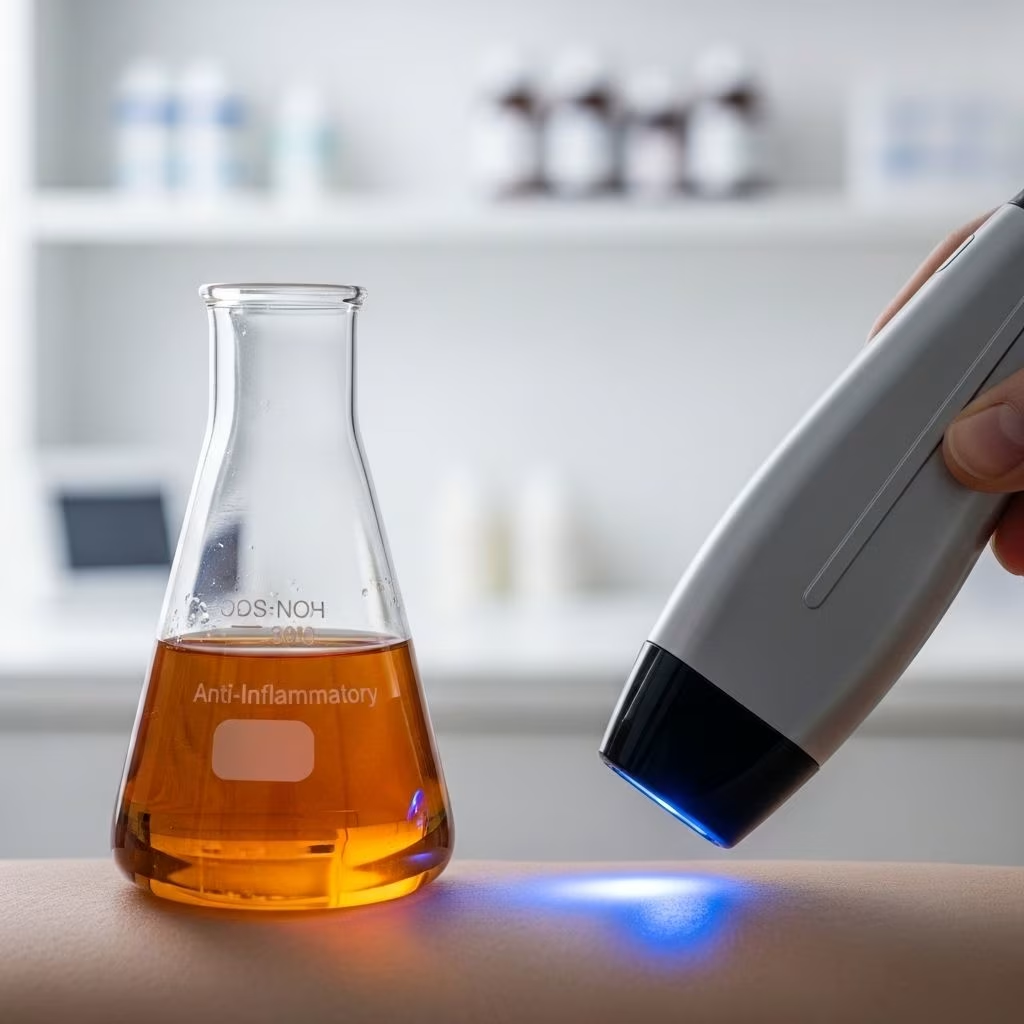
Anti-Inflammatory Drugs & Laser Recovery Time
Laser treatments are widely utilized in dermatology and cosmetic medicine for skin resurfacing, hair removal, and management of vascular lesions. Recovery after these procedures varies by the type and intensity of the laser, as well as individual patient factors. Anti-inflammatory drugs—including nonsteroidal anti-inflammatory drugs (NSAIDs) and corticosteroids—are often considered by patients for pain and inflammation management. Understanding the effects and interactions of these drugs with laser recovery is essential for optimal healing and patient safety.
Overview of Laser Treatments
Laser skin therapies use focused light energy to target various skin tissues, offering solutions for scars, wrinkles, pigmentation, and unwanted hair. Laser classifications include:
- Ablative Lasers (e.g., CO2, Erbium): Remove outer skin layers, promote collagen formation, require longer recovery times.
- Nonablative Lasers: Heat tissue without removing skin layers, usually shorter recovery periods.
- Fractional Lasers: Treat only fractions of the skin surface, balancing efficacy and downtime.
- Low-Level Laser Therapy (LLLT): Low energy lasers for healing and pain control, increasingly used in postoperative protocols.
Laser procedures can be performed for:
- Skin rejuvenation
- Acne scar reduction
- Elimination of vascular lesions
- Hair removal
- Treatment of stretch marks and pigmentation
Typical Laser Recovery Times
Recovery time post-laser therapy depends on the modality used and patient-specific factors. General timelines are:
- ClearLift / Nonablative lasers: No downtime; mild redness or tightness, quickly resolves.
- AFT Laser Therapy (IPL): 1–3 days for visible redness/swelling.
- iPixel Erbium Laser: 3–5 days for new skin to re-epithelialize.
- CO2 Fractionated Laser: 5–7 days initial healing; full cosmetic recovery may take several weeks.
- Fully Ablative CO2 Laser: Back to work after 2 weeks; skin texture and redness may settle over 3 months[10].
- General laser resurfacing: New skin forms in 7–10 days; full recovery and return to normal skin activities in a month or longer.
Post-procedure, redness, swelling, discomfort, and transient pigmentation changes are common. Healing is influenced by age, health status, skin type, and adherence to aftercare instructions.
Role of Anti-Inflammatory Drugs in Recovery
Anti-inflammatory drugs are considered for controlling pain and swelling after laser procedures. The main classes include:
- NSAIDs (e.g., ibuprofen, naproxen): Reduce inflammation and pain, commonly self-administered post-operatively.
- Corticosteroids (oral, topical): Potent anti-inflammatories, used less frequently due to risks of delayed wound healing and infection.
- Paracetamol (acetaminophen): Analgesic, lacks significant anti-inflammatory action; frequently recommended due to lower impact on bleeding and healing.
Proper pain management is crucial; inadequate control can impair mobility and negatively affect recovery, yet excessive inflammation suppression may impede natural healing processes vital for optimal results.
NSAIDs in Laser Recovery
NSAIDs specifically target prostaglandins, which mediate inflammation and discomfort. Their use post-procedure is common, but recommendations are nuanced:
- Benefits: Effective for pain and mild swelling management.
- Risks: Potentially increased bleeding, delayed wound healing, risk of masking infection symptoms.
- Recommendations: Typically avoided for 1–2 weeks before and after ablative laser procedures to minimize bleeding and promote optimal skin regeneration.
Corticosteroids in Laser Recovery
- Benefits: Strong anti-inflammatory action, can reduce severe swelling.
- Risks: Impaired collagen formation, increased infection risk, delayed epithelialization.
- Clinical Use: Reserved for cases of excessive inflammation or medical necessity, only under physician guidance.
In general, pain is managed with acetaminophen, which has fewer effects on bleeding and wound healing, and prescribed medications tailored to the patient’s needs.
Risks Involved with Anti-Inflammatories During Recovery
NSAIDs and aspirin inhibit platelet aggregation, which can increase the risk of post-procedural bleeding. This is a particular concern in facial and vascular laser treatments, which involve deliberate micro-injury to skin layers to stimulate regeneration.
- Use of NSAIDs/aspirin is discouraged for two weeks before and after laser procedures.
- Some supplements (e.g., ginkgo, garlic, ginseng, vitamin E in high doses) also increase bleeding risk and are best avoided in the peri-procedural period.
After ablative treatment, excessive inflammation suppression can delay the normal wound healing cascade, affecting collagen deposition and skin regeneration. This can lead to suboptimal cosmetic results, infection, or persistent erythema.
Evidence on Drug-Laser Interactions
Clinical studies have evaluated the interplay between anti-inflammatory drugs and laser recovery. Key findings include:
- Post-laser pain and inflammation are typically managed conservatively with cold compresses, elevation, and analgesics such as acetaminophen.
- Low-level laser therapy (LLLT) itself has anti-inflammatory benefits, demonstrated to reduce swelling and pain following surgical procedures without pharmacologic intervention.
- A clinical trial found swelling and jaw opening normalized within 24 hours of first LLLT application after oral surgery, with significant pain reduction by day three.
- In many protocols, antibiotics are prescribed to minimize infection risk after ablative procedures, while anti-inflammatories that impact bleeding are avoided.
Comparative Table: Drug & Recovery Impacts
| Drug Type | Main Effect | Risks in Laser Recovery | Typical Recommendation |
|---|---|---|---|
| NSAIDs (Ibuprofen, Naproxen) | Pain relief, anti-inflammatory | Increased bleeding, delayed healing | Avoid peri-procedurally |
| Aspirin | Pain relief, anti-inflammatory | Bleeding risk | Avoid peri-procedurally |
| Acetaminophen | Pain relief | Safe, no significant bleeding risk | Recommended for post-laser pain |
| Corticosteroids | Potent anti-inflammatory | Delayed healing, infection risk | Limited use, physician-guided |
| Supplements (Ginkgo, Garlic, Ginseng, Vitamin E) | Various | Elevated bleeding risk | Avoid peri-procedurally |
Recommended Post-Laser Care Strategies
Optimal healing and cosmetic outcomes require adherence to best practices in post-laser care. Key recommendations supported by clinical guidelines:
- Rest & Elevation: Sleep with head elevated to minimize swelling, especially after facial procedures.
- Topical Moisturization: Maintain a moist wound environment using prescribed ointments to accelerate epithelialization and prevent crusting.
- Pain Management: Use acetaminophen as needed; take prescribed pain medications as directed. Avoid narcotics unless necessary.
- Antibiotics: Begin as indicated by your provider to reduce infection risk.
- Ice Packs: Apply cold compresses for swelling; follow provider’s instructions.
- Avoid Bleeding Risks: Refrain from using NSAIDs, aspirin, or supplements that increase bleeding for two weeks before and after procedure.
- Physical Activity: Restrict strenuous activities, heavy lifting, or bending to minimize facial pressure and bleeding risk during the first week.
- Sun Protection & Skin Care: Avoid cosmetic skin products and sun exposure until fully healed. Use broad-spectrum sunscreen thereafter.
Follow all surgeon and provider instructions diligently for the safest and most effective healing process.
Frequently Asked Questions (FAQs)
Q: Can I take ibuprofen or aspirin after my laser treatment?
A: It is advised to avoid NSAIDs like ibuprofen and aspirin for 1–2 weeks before and after ablative laser treatments, as they can increase bleeding and potentially slow healing. Use acetaminophen (paracetamol) if pain relief is needed and always follow your provider’s instructions.
Q: How long does it take for my skin to fully recover after laser resurfacing?
A: Initial healing (new skin formation) is typically complete in 7–10 days for moderate ablative treatments, but full recovery and cosmetic results can take several weeks to months, depending on laser type and personal factors[10].
Q: Why do some providers suggest not using anti-inflammatory medications?
A: Anti-inflammatory drugs (NSAIDs, aspirin) can impair blood clotting and tissue healing, increasing bleeding and risking delayed recovery after procedures that intentionally cause micro-injury to stimulate collagen and skin regeneration.
Q: Are there alternatives to anti-inflammatory drugs for pain and swelling?
A: Yes, cold compresses, elevation, topical ointments, and acetaminophen are preferred. Some protocols incorporate low-level laser therapy, which has direct anti-inflammatory and analgesic effects without drug risks.
Q: What should I do if my pain or swelling is excessive post-procedure?
A: Contact your provider. Excessive pain or swelling may indicate complications—such as infection or hematoma—that require medical assessment. Do not self-medicate without guidance.
References
- Dr. Cory Torgerson: Recovery Time After Laser Skin Therapy
- Mayo Clinic: Laser Resurfacing
- National Center for Biotechnology Information: Anti-inflammatory and analgesic effects of low-level laser therapy
- Virginia Facial Plastic Surgery: Laser Skin Resurfacing Post Operative Instructions
- Feinstein Dermatology: ERBIUM Laser Pre & Post-Care Instructions
References
- https://drtorgerson.com/non-surgical-procedures/laser-treatments-toronto/recovery-time-after-laser-skin-therapy/
- https://www.mayoclinic.org/tests-procedures/laser-resurfacing/about/pac-20385114
- https://pmc.ncbi.nlm.nih.gov/articles/PMC4499952/
- https://www.virginiafacialplasticsurgery.com/operation-instructions/laser-skin-resurfacing-post-operative-instructions-outpatient
- https://feinsteindermatology.com/care-instructions/erbium-laser/
- https://www.mskcc.org/cancer-care/patient-education/how-to-care-for-your-skin-after-your-vascular-laser-treatment
- https://www.usdermatologypartners.com/blog/post-laser-treatment-skin/
- https://www.grangermedical.com/wp-content/uploads/2018/08/76401-Granger-Dr-Rodrigues-Laser-Resurfacing.pdf
- https://www.rebeccafitzgeraldmd.com/los-angeles-laser-treatments/halo/treatment-guidelines/
- https://www.drhconsult.co.uk/treatments/laser-resurfacing/ablative-co2/


