


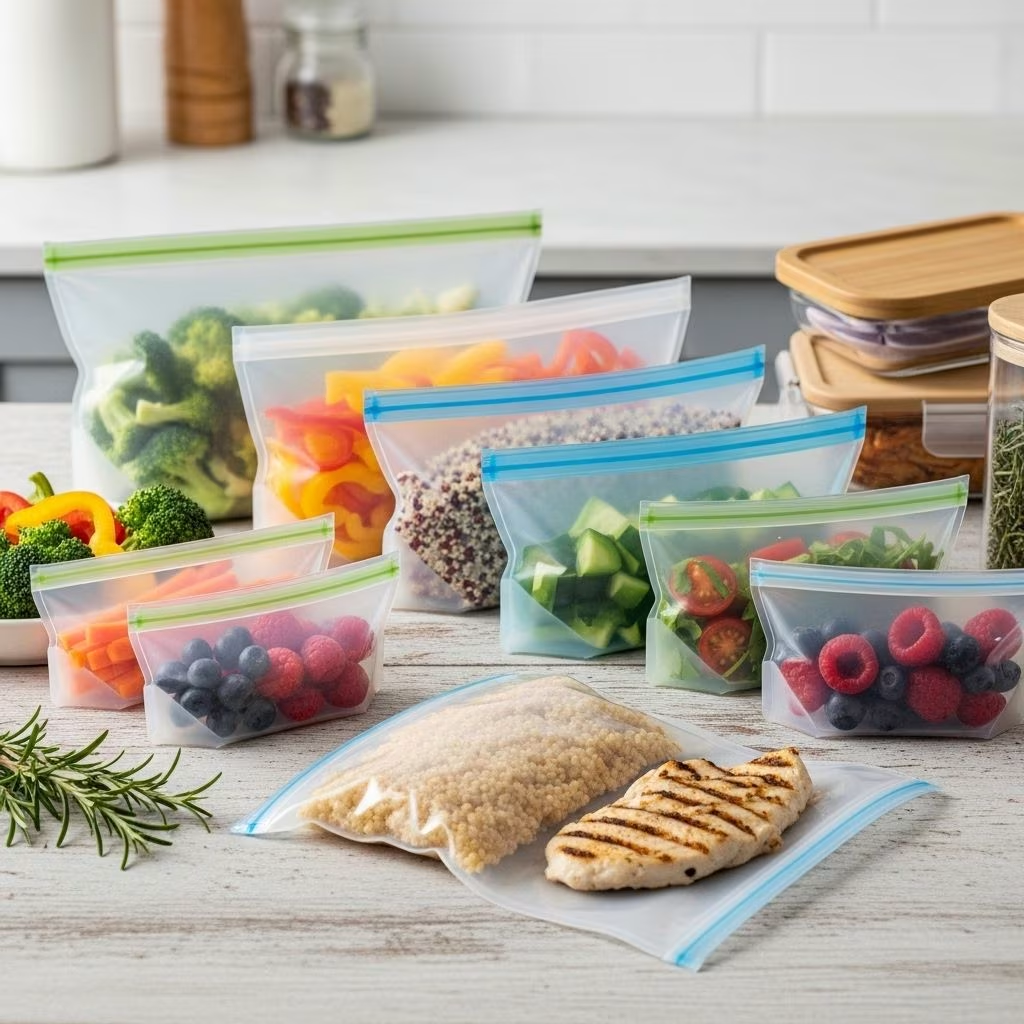
Meal prepping is surging in popularity among busy households, health enthusiasts, and sustainability-minded families. In this comprehensive review, we’ll explore the practicality, safety, environmental significance, and long-term value of silicone reusable bags for meal prep. Are they the modern kitchen must-have or a passing eco-friendly trend? Read on for a detailed look at how silicone bags perform for weekly meal prep, freezer storage, sous vide cooking, and daily use.
Overview: The Rise of Silicone Reusable Bags
The global push to reduce single-use plastics has created a significant demand for alternatives in every part of our lives—especially the kitchen. In the U.S. alone, over 4 million tons of plastic food storage bags and wraps are discarded annually, a figure that underscores the urgent need for sustainable substitutes.
Silicone reusable bags have quickly emerged as one of the most reliable replacements for traditional plastic baggies, with key brands like Stasher and Saffron Goods leading the market.
Why Choose Silicone? Composition and Safety
Silicone bags are made from food-grade silicone, a synthetic polymer derived from silica, the main component of sand. Unlike flexible plastics (LDPE, PEVA), silicone offers several appealing properties:
- Non-toxic: Verified by the FDA as generally safe for food storage and free from BPA, phthalates, and other harmful chemicals.
- Heat and cold resistant: Safe for use in freezers, microwaves, ovens (typically up to 400°F/204°C), dishwashers, and even sous vide cooking.
- Durable and tear-resistant: Far more robust than most plastics, withstanding repeated stretching, folding, and washing.
- Non-porous: Does not readily absorb food odors or colors, especially if cleaned and dried correctly.
Buyers should always verify that bags are labeled “food grade” and meet regulatory standards, as not all silicone products are created equal.
Performance for Meal Prep
How do silicone bags measure up in real-world meal prep scenarios? Let’s break down the essentials.
Capacities and Sizing
Most silicone bags are sold in sizes ranging from sandwich-sized (about 1/2 quart/liter) up to large gallon-sized (almost 4 liters) versions, accommodating anything from snacks and salads to entire freezer meals. Some brands, like Saffron Goods, offer extra-large options (up to 1500ml/6 cups).
Usability Features
- Easy filling: Stand-up bags hold their shape well and can be filled hands-free, though thinner/flat versions require support when adding liquids or bulky contents.
- Leak-proof seals: Most notable brands offer tight, secure closures. For example, the Stasher bag’s thick silicone and press-seal mechanism protect against spills and leaks through freezing, jostling, and even the occasional drop.
- Versatile uses: Excellent for packing lunches, pre-portioning snacks, marinating proteins, storing fruits and veggies, and even baking or steaming (when oven safe).
- Transparency: Many silicone bags are clear or semi-translucent, making it easy to see contents at a glance.
Meal prepping with silicone bags generally involves the same process as plastic—simply fill, seal, and store. The bags’ flexibility makes it easy to press out excess air for freezing or sous vide, though puffy or very thick silicone can sometimes be tricky to submerge.
Sous Vide and Cooking Applications
Silicone bags hold up beautifully for sous vide and simple steam-bath cooking. Brand testers found the best silicone bags to maintain a tight vacuum seal better than most reusable plastics, and competent bags kept food submerged and reheated evenly.
| Feature | Silicone Bags | Plastic Bags |
|---|---|---|
| Usable in Freezer | Yes | Yes |
| Microwave/Oven Safe | Yes | Typically No |
| Boil/Sous Vide Eligible | Yes | Limited/No |
| Leakproof | Excellent (most brands) | Good (until punctured) |
| Reusable | 100s of cycles | Few to several cycles |
Freezing and Storage Comparison
Silicone bags excel in freezer storage for meal preppers, offering robust resistance to freezer burn and odor retention. Reviewers who compared meals frozen in both plastic and silicone bags found:
- Less ice buildup: Silicone bags had less internal frosting compared to traditional freezer bags.
- Comparably easy thawing: Placing bags in water for a few minutes was sufficient to loosen food for transfer to slow cookers or pans.
- Airtightness: Foods stayed fresher and better protected from dehydration and flavor loss.
- No lingering stains or odors: While tomato sauces and curries may briefly stain, letting the bags sit in the sun can restore their clarity.
For best results, users should avoid overfilling and press out as much air as possible before sealing.
Cleaning, Maintenance, and Longevity
Dishwasher safe is a major selling point for silicone bags. Bags can typically be turned inside out and placed on the top rack. Larger, stand-up designs clean more thoroughly as they stay open and allow water to flow in. For flat, thin bags, stretching them over multiple tines or using a dedicated drying rack yields best results.
In most cases:
- Stains and odors are rare and can be removed by sunbathing the bags or washing with baking soda and vinegar.
- Bags resist tears and punctures with normal use, but aggressive handling can damage them.
- Cycle life: High-quality silicone bags can last for hundreds of uses before showing significant wear.
Compared to plastic bags, which often break or degrade after just a few cycles, silicone proves exceptionally cost-effective over time.
Environmental Impact and Sustainability
The main environmental advantages of silicone reusable bags include:
- Reduces single-use plastics: Each bag can replace hundreds of plastic baggies per year.
- No microplastics: Silicone does not degrade into harmful microplastics as it ages.
- Recyclability: End-of-life recycling is more challenging, but some brands offer take-back programs.
- Water and energy use: Bag cleaning uses similar resources to washing plates and cutlery, significantly less than recurring plastic manufacturing.
Silicone vs. Plastic and Other Alternatives
For meal prepping, there are three main bag types to consider:
| Feature | Silicone Reusable Bags | Plastic Freezer Bags | Glass Containers |
|---|---|---|---|
| Reusability | 100s of times | 3-5 times (if washed carefully) | Unlimited |
| Freezer Burn Resistance | High | Moderate | Excellent |
| Microwave/Oven Safe | Yes | No (typically) | Yes (remove plastic lids) |
| Space Efficiency | High – flexible | High | Low – bulky |
| Leakproof | Excellent | Depends on seal | Excellent (with good lids) |
| Portability | Excellent | Excellent | Poor (fragile and heavy) |
| Eco-Friendliness | High | Very Low | High |
| Initial Cost | Moderate | Low | Moderate/High |
While glass containers are unmatched for durability and oven-to-table functionality, silicone bags win for their versatility, flexibility, and portability, especially for portioned meals and snacks.
User Experiences and Brand Comparisons
Real-world users report overwhelmingly positive outcomes:
- Brands like Stasher, Saffron Goods, and Always Fresh are highly rated for durability, leakproof seals, and innovative sizing.
- Most negative feedback concerns small bag size (especially for popular sandwich bags), but half-gallon and gallon sizes solve most meal prep needs.
- Reviews note that stand-up bags are easier to use for liquids and messy foods, and also to clean in the dishwasher.
- Rare downsides include faint odor lingering after pungent meals, easily countered with a baking soda soak or sun exposure.
- No significant issues with food safety, even after repeated freezing, thawing, and reheating.
Testimonial Highlights
- “I used Saffron Goods silicone bags for this test because they are the biggest ones that I’ve found … Overall, the reusable silicone bags worked just as well as, if not better than, plastic freezer bags.”
- “Stasher’s thick silicone and airtight seal make these bags best for protecting frozen goods from freezer burn … No smell remained after cleaning in the dishwasher.”
- “The half gallon size allows me to slide in a sandwich. It also is good for deli meats … The bags work well for keeping baked goods fresh and freezing soups.”
Practical Tips for Getting the Most from Silicone Bags
- Filling: Use stand-up bags when filling with liquids; otherwise, support the sides to prevent spills.
- Freezing: Remove as much air as possible to reduce the risk of freezer burn and maximize freshness.
- Cleaning: Turn the bag inside out for thorough cleaning, especially after storing oily or brightly colored foods.
- Odor removal: Give bags a sun bath or soak in baking soda solution after pungent or spicy meals.
- Storage: Dry bags completely before stacking to avoid mildew.
- Labeling: Use a washable marker or sticky labels to keep track of meal dates and contents.
Frequently Asked Questions (FAQs)
Q: Are silicone meal prep bags microwave and oven safe?
A: Yes. High-quality, food-grade silicone bags are safe for microwaves and most ovens (usually up to 400°F/204°C). Always check the manufacturer’s temperature limits before use.
Q: Do silicone bags stain or retain odors?
A: Foods with strong pigments or spices (like tomato sauce, curry) may temporarily stain. This usually fades after sun exposure or thorough washing. Persistent odors can be eliminated with baking soda soaks.
Q: Are silicone bags truly leakproof?
A: Most premium brands are reliably leakproof owing to robust seals. Overfilling or improper closing can, however, cause spills—especially with old or damaged bags.
Q: Can I use silicone bags for sous vide?
A: Yes. Their heat resistance and ability to expel air make them an excellent choice for sous vide, though thick bags may require weighing down if they float.
Q: How long do silicone bags last?
A: With normal use and care, high-quality silicone bags can last for hundreds of cycles, making them a durable investment for most meal preppers.
Conclusion: Are Silicone Bags Worth It?
If you’re looking to minimize waste, cook smarter, and simplify your meal prep routine, silicone reusable bags are a clear winner. They outperform single-use plastic bags in safety, sustainability, and performance, especially when you invest in reputable brands and care for them properly.
While the up-front cost is higher, the longevity, eco-friendliness, and unmatched versatility of silicone meal prep bags make them one of the best investments for a modern, sustainable kitchen. For families, meal planners, and anyone striving to reduce plastic waste, these innovative bags are more than just a trend—they’re an essential tool for everyday living.


