


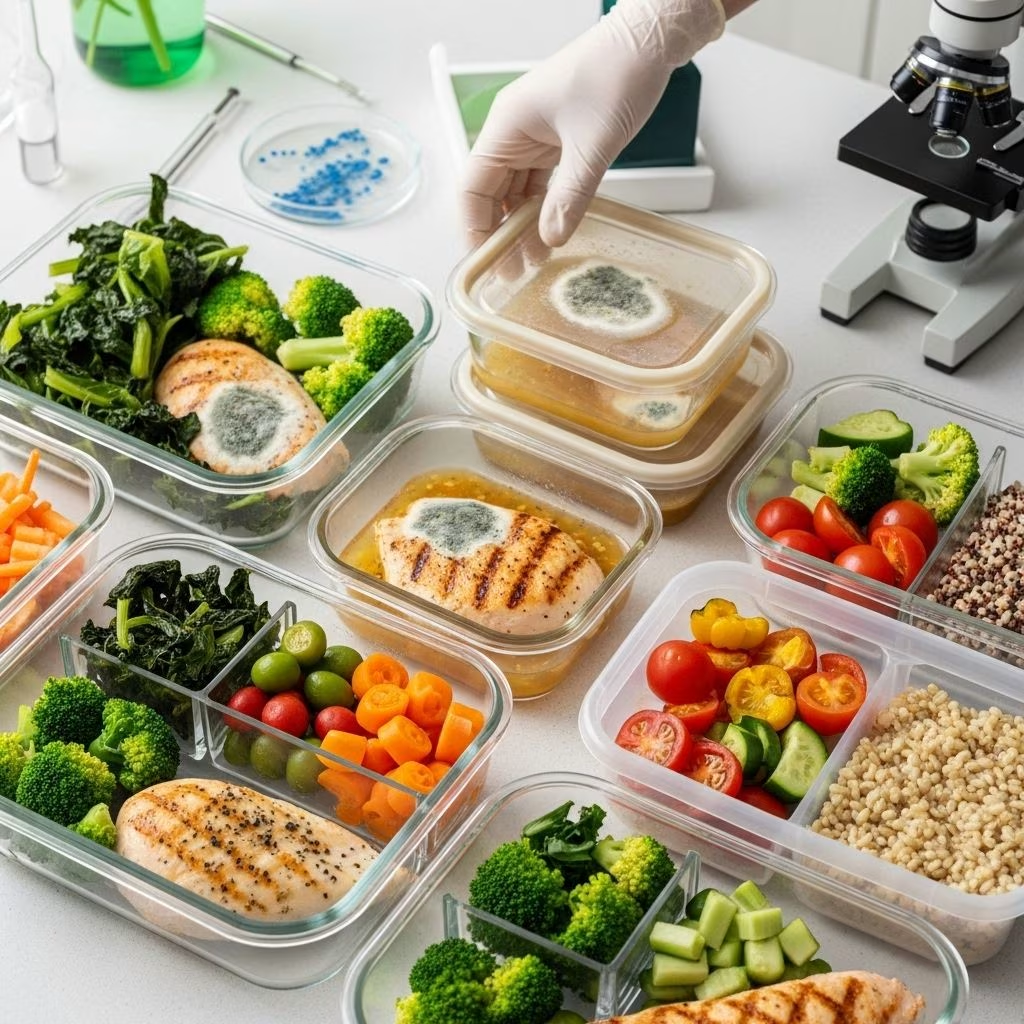
Meal prepping is a staple strategy for busy individuals seeking nutritious, homemade meals without daily cooking. Yet, many encounter a frustrating issue: food spoiling or losing quality after only three days, well before the week is out. This article offers a comprehensive troubleshooting guide grounded in food safety, nutrition, and meal planning principles so you can maximize your meal prep’s shelf life and minimize waste.
Introduction: The Challenge of Short-Lived Meal Prep
Many home cooks report that their prepped meals seem fresh for only three days, despite expectations that meal prep should last four or even five days in the fridge. Why the discrepancy? Food safety guidelines, fridge temperatures, ingredient choices, and handling practices all play crucial roles – and a single misstep can sharply reduce how long your meals remain safe and appetizing.
Common Causes: Why Does Meal Prep Spoil After 3 Days?
- Bacterial Growth: Most bacteria thrive between 40°F and 140°F. Fridge temperatures above 40°F substantially hasten spoilage.
- Moisture Accumulation: Excess moisture in containers fosters microbial growth, particularly in chopped produce.
- Ingredient Shelf Life: Meal prep typically fails when the shortest-lived ingredient (e.g., fish or soft-cooked eggs) determines the meal’s lifespan.
- Poor Storage Practices: Containers that aren’t airtight, failure to cool foods before storing, or storing food in warm spots within the fridge contribute to faster spoilage.
- Cross-contamination: Unclean prep environments transfer bacteria, reducing meal safety.
Shelf Life of Different Foods in Meal Prep
How long your meal prep lasts depends largely on the type of food and how it’s handled. Below is a reference table indicating typical safe durations in the refrigerator:
| Food Type | Safe Refrigerator Shelf Life | Notes |
|---|---|---|
| Cooked chicken/lean meats | 3–4 days | Store in airtight containers, cool promptly |
| Red meat, poultry, seafood | 3–5 days | Lower fat cuts may last longer; seafood usually 3 days |
| Cooked vegetables | 3–7 days | Starchier veggies last longer; leafy greens 3–5 days |
| Rice, pasta, potatoes | 3–5 days | Keep dry and in airtight container |
| Dairy and cooked eggs | 3 days | Eat quickly for best texture and flavor |
| Raw salads with dressing | 1–2 days | Store dressings separately |
Always plan your meal prep around the ingredient with the shortest shelf life for safety and quality.
Storage Strategies for Fresher Meal Prep
- Airtight Containers: Essential for minimizing exposure to bacteria and preventing moisture accumulation. Glass containers work best for soups and moist foods, while plastic is suitable for protein and grains.
- Rapid Cooling: Ensure meals are cooled quickly before refrigeration to prevent bacterial growth. Never leave cooked foods at room temperature for over two hours.
- Paper Towels for Produce: Line containers with paper towels to absorb moisture and keep produce fresher.
- Placement in Fridge: Store items in the coldest part (usually the back or bottom shelf), away from doors where temperature fluctuates.
- Optimal Fridge Temperature: Keep fridge at 35°F to 38°F (never above 40°F) to slow bacterial growth.
- Container Sizing: Avoid overfilling; circulate air around items for even cooling.
Troubleshooting Checklist: Signs Your Meal Prep Has Gone Bad
- Off or sour smell
- Discolored or slimy texture
- Unusual taste (if in doubt, discard after a small test)
- Bubbles or gas build-up in containers
- Visible mold
“Sniff test” is helpful but not foolproof—if in doubt, throw it out.
Choosing Ingredients for Longer-Lasting Meals
- Sturdy Veggies: Opt for carrots, sweet potatoes, bell peppers, and broccoli over lettuce or spinach, which spoil faster.
- Grains: Rice, quinoa, and pasta perform well for four days—avoid adding creamy sauces until serving.
- Low-Moisture Proteins: Chicken breast, lean beef, or pork last longer; seafood and eggs should be consumed quickly.
- Limit Dairy and Dressings: Add only before eating, as sauces and dressings can degrade other components.
Advanced Tips: How to Safely Extend Meal Prep Shelf Life
- Double Batch & Freeze: Freeze portions for meals beyond 3–4 days. Most meal-prepped foods are safe in the freezer for up to three months.
- Vacuum Sealing: Removes air to further reduce spoilage. Helpful for proteins and cooked grains.
- Cook/Chill Separation: Prepare some ingredients (like raw produce) separately and combine right before eating.
- Avoid Cross-Contamination: Use dedicated utensils and sanitize surfaces between handling raw and cooked foods.
- Label and Date: Always note the prep date and ingredient shelf lives to ensure safe consumption.
When to Use the Freezer Versus Refrigerator
| Storage Option | Best For | Typical Shelf Life |
|---|---|---|
| Refrigerator | Meals for the next 2–4 days | 3–5 days, varies by ingredient |
| Freezer | Meals for +4 days, bulk prepping | Up to 3 months for most foods |
Not all foods freeze well. Cooked grains and proteins generally do; salads, dairy, and creamy sauces may separate or become watery.
Essential Tools and Containers
- High-quality airtight containers: Glass with locking lids for durability and odor resistance; BPA-free plastic for lighter loads.
- Vacuum sealer: Optional, for longer freezer storage.
- Thermometer: Monitor fridge temperature, maintain below 40°F.
- Labels & marker: Date and ingredient tracking.
Frequently Asked Questions
Q: Why does my meal prep always seem to go bad after only three days?
A: Meal prep may spoil early due to fridge temperature above 40°F, high moisture content, short-lived ingredients, or poor container sealing.
Q: Can I safely prep five days’ worth of meals?
A: It depends on ingredients and storage. Most proteins and grains last three to four days; salads and seafood spoil faster. Freeze portions beyond day three for safety.
Q: How do I know if my meal prep has gone bad?
A: Always check for off-smells, discoloration, bubbling, or sliminess. If uncertain, discard to avoid risk.
Q: What are the best containers for meal prep?
A: Glass containers with airtight lids are optimal; BPA-free plastics are suitable for lighter fare and freezer-safe use.
Q: How does freezer storage change things?
A: Freezer halts bacterial growth, providing safety for up to three months. However, some foods—leafy greens, dairy sauces—lose texture when thawed.
Q: Should I use preservatives or additives to make prep last longer?
A: Instead of additives, maximize freshness with proper food handling, airtight containers, and rapid cooling.
Conclusion
If your meal prep routinely goes bad after three days, chances are one or more food safety principles are being missed. The key lies in understanding the limits set by your ingredients, strictly maintaining cold chain integrity, investing in quality containers, and considering freezer use for anything beyond three days. With these troubleshooting strategies, you can confidently save time and nourish yourself all week long.
References
- https://www.berrystreet.co/blog/how-long-can-meal-prep-last-in-the-freezer
- https://www.joyjolt.com/blogs/all_blogs/how-long-can-you-keep-your-prepped-meals-fresh-a-joyful-guide-to-savoring-your-efforts-longer
- https://www.mealvillage.com/blog/store-meal-prep-food-tips.jsp
- https://afmeals.com/blog/prep-it-up-is-it-safe-to-meal-prep-for-5-days
- https://workweeklunch.com/how-long-meals-last/
- https://www.foodsafety.gov/food-safety-charts/cold-food-storage-charts


