


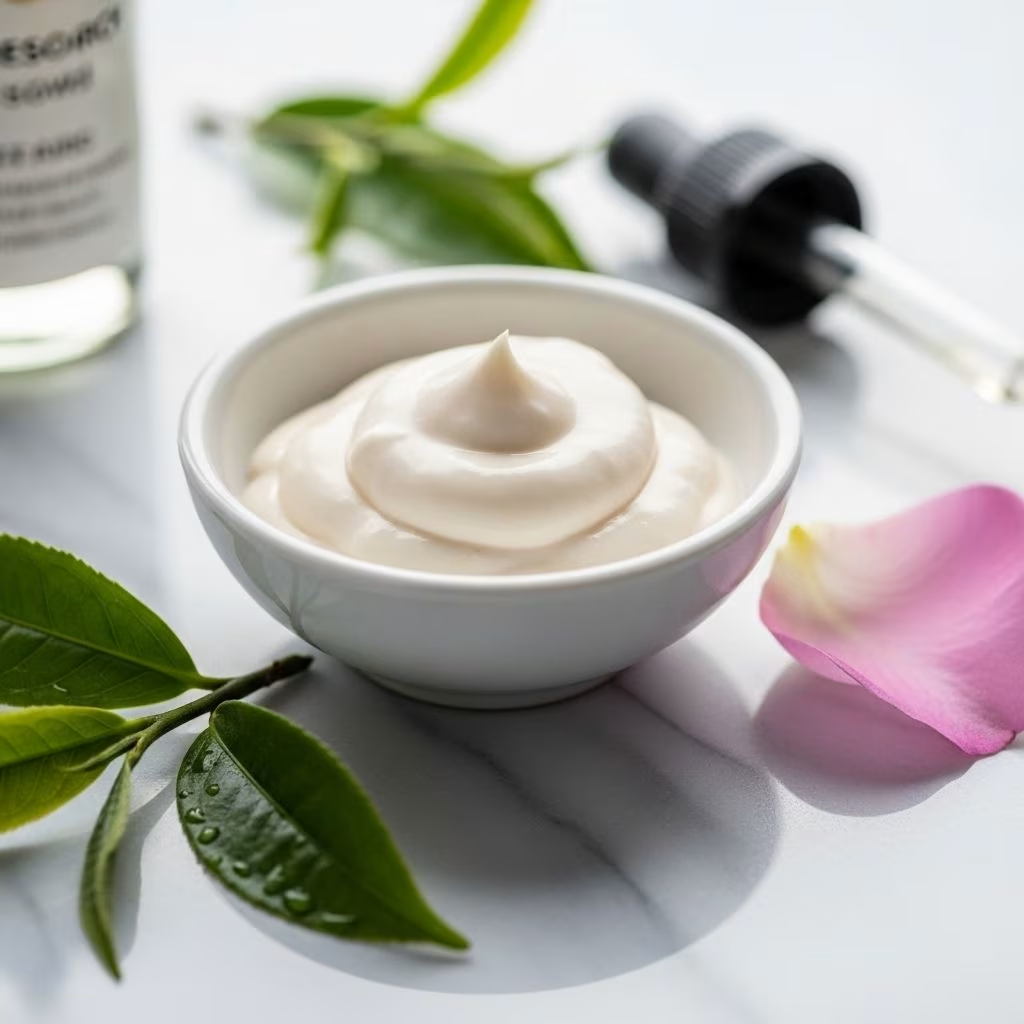
Azelaic Acid Actives for Rosacea-Prone Skin: Insights, Benefits, and Clinical Guidance
Rosacea-prone skin presents unique challenges: persistent redness, sensitivity, and recurrent acne-like bumps can significantly impact confidence and comfort. Among the growing arsenal of dermatological solutions, azelaic acid stands out for its multi-functional, clinically-validated effectiveness and a favorable safety profile for sensitive, easily-reactive complexions. This article delivers an extensive, research-based guide to understanding azelaic acid, its benefits, mechanisms, usage protocols, safety, and practical tips for those managing rosacea.
Introduction to Rosacea and Skincare Needs
Rosacea is a common, chronic inflammatory skin condition primarily affecting the central face—nose, cheeks, chin, and forehead. Hallmarks include flushing, persistent redness (erythema), visible blood vessels (telangiectasia), and papulopustular lesions that mimic acne. The cause is not fully understood, but involves immune, vascular, and neurological factors. Management focuses on symptom control, flare prevention, and restoring skin barrier health.
Effective solutions are gentle, anti-inflammatory, and appropriate for prolonged use, due to the lifelong nature of rosacea.
What is Azelaic Acid?
Azelaic acid is a naturally occurring dicarboxylic acid, originally derived from grains and produced by yeast. In dermatology, it is most commonly formulated as a topical gel, foam, cream, or lotion, with FDA approval for both acne vulgaris and papulopustular rosacea. It has broad utility, showing efficacy in:
- Rosacea (papulopustular subtype)
- Acne vulgaris
- Melasma and post-inflammatory hyperpigmentation
Azelaic acid enjoys popularity due to its versatility, low irritation profile, and ability to address several pathophysiological features simultaneously.
Mechanisms of Action: How Azelaic Acid Works
Azelaic acid employs multiple mechanisms relevant to rosacea management:
- Anti-inflammatory effects: Reduces reactive oxygen species, helping calm ongoing inflammation and mitigate redness and swelling.
- Antibacterial action: Selectively targets Cutibacterium acnes and other bacteria implicated in papulopustular lesions and acne.
- Keratolytic (exfoliating) activity: Normalizes skin cell turnover, preventing pore blockages and smoothing skin texture.
- Tyrosinase inhibition: Suppresses melanin overproduction, reducing hyperpigmentation and evening the skin tone.
- Antioxidant protection: Neutralizes free radicals, supporting skin resilience and barrier integrity.
Key Benefits for Rosacea-Prone Skin
Azelaic acid offers clinically-proven advantages specifically for those with rosacea-prone skin:
- Reduces redness and inflammatory lesions: Multiple studies cite a 70-80% symptom improvement rate for erythema and papules/pustules after consistent use.
- Soothes irritation: Its anti-inflammatory profile calms underlying flare triggers, helping sensitive skin feel more comfortable.
- Decreases acne-like bumps: Through antibacterial and exfoliating effects, azelaic acid clears pores and hinders new breakouts.
- Improves post-inflammatory hyperpigmentation: By targeting excess melanin, azelaic acid helps fade dark spots left by previous inflammation.
- Non-irritating for sensitive skin: At recommended concentrations, azelaic acid is well-tolerated and triggers few adverse effects compared to harsh actives.
- Safe for long-term and pregnancy use: It is one of the few actives considered suitable for use in pregnancy and lactation, unlike retinoids or strong exfoliants.
Clinical Evidence Table: Azelaic Acid Benefits for Rosacea
| Benefit | Clinical Outcome | Supporting Source |
|---|---|---|
| Reduces redness and papules/pustules | 70-80% improvement over weeks | PubMed, WebMD |
| Soothes irritation | Less burning and stinging reported | Dr Sam’s, Debra Jaliman MD |
| Kills acne-causing bacteria | Reduces new breakouts | PMC, WebMD |
| Fades hyperpigmentation | Improved skin tone over months | Debra Jaliman MD |
| Tolerability | Few adverse effects, safe for sensitive skin | Mayo Clinic, Cleveland Clinic |
Usage Guidelines and Application Techniques
Azelaic acid formulations range from 5% to 20%. The most common prescription strength is 15% gel, commonly used for rosacea. Over-the-counter options tend to be lower-strength (10%). Here is a stepwise guide to using azelaic acid:
- Wash hands before and after use.
- Cleanse facial skin gently and pat dry.
- Apply a thin layer to affected areas (nose, cheeks, chin, forehead) once or twice daily, as directed.
- Gently massage in and allow the product to absorb fully.
- Follow with a gentle moisturizer; always apply sunscreen in the morning.
For those new to azelaic acid, start with one daily application, increasing frequency as tolerated. Using it in combination with other anti-inflammatory agents (like niacinamide) is often well-tolerated, but avoid layering with strong exfoliants (retinoids, AHAs/BHAs) unless advised by a dermatologist.
Safety, Side Effects, and Contraindications
Azelaic acid is widely considered safe for most skin types, including sensitive, rosacea-prone skin and for use during pregnancy. Common mild side effects may include:
- Mild stinging
- Temporary dryness
- Minor itching or tingling
These generally fade with continued use or after dose adjustment. Rare reactions like severe irritation, rash, or allergic response warrant discontinuing the product and consulting a health provider. It should not be used in or near the eyes, mouth, or mucous membranes.
Formulation Options and How to Choose
Azelaic acid is available in several formats:
- Prescription gel/foam/cream (15-20%)
- Over-the-counter gels/serums (5-10%)
Prescription-strength formulations deliver faster, more substantial results for moderate to severe symptoms. Lower over-the-counter concentrations are ideal for mild redness, maintenance, or sensitive beginners.
Choosing the Right Product
- Assess symptom severity with your dermatologist.
- Consider product texture—gels tend to be lighter and less occlusive, suitable for oily or acne-prone skin.
- Review ingredient lists for potential irritants or beneficial add-ons (niacinamide, ceramides).
Integration in Skincare Routines
For optimal effect in rosacea care, integrate azelaic acid thoughtfully:
- Use after gentle cleansing, before moisturizer, sunscreen, or makeup.
- Avoid strong exfoliants (retinol, glycolic acids) unless tolerated and recommended by a dermatologist.
- Pair with other non-irritating, barrier-supportive agents (ceramides, hyaluronic acid).
- Monitor for adverse reactions and adjust, consulting your provider as needed.
- Be patient, as visible improvement may take several weeks.
Frequently Asked Questions (FAQs)
Q: How long until I see results with azelaic acid for rosacea?
Most users report noticeable reductions in redness and bumps within 4 to 8 weeks, with continued improvement over 15 weeks. Consistency is critical.
Q: Can I use azelaic acid during pregnancy?
Yes. Azelaic acid is considered safe for use during pregnancy and lactation, offering a valuable alternative for treating rosacea and acne when other actives are contraindicated.
Q: Is azelaic acid suitable for dark skin tones?
Yes. Azelaic acid does not increase sun sensitivity or risk of discoloration on pigmented skin. In fact, it helps reduce hyperpigmentation and post-inflammatory marks.
Q: What should I do if azelaic acid causes irritation?
Mild stinging or dryness is normal at first and usually resolves. Reduce frequency or use a lower concentration if persistent; discontinue and consult a professional if severe irritation occurs.
Q: Can I combine azelaic acid with other active ingredients?
Often yes, especially with soothing or hydrating ingredients (e.g., niacinamide, ceramides). Caution is required with strong acids or retinoids to avoid excess irritation unless medically supervised.
Conclusion
For those with rosacea-prone skin, azelaic acid represents an exceptional blend of scientific credibility, clinical effectiveness, and user-friendly tolerability. Its anti-inflammatory, antibacterial, exfoliating, and pigment-balancing actions address the core challenges of rosacea and associated concerns, while its gentle profile makes it appropriate for long-term use—even in pregnancy. As with all topicals, expert guidance, gradual introduction, and careful routine integration optimize results and minimize risk. In the evolving landscape of skincare solutions, azelaic acid stands as a cornerstone of rosacea care.
References
- https://drsambunting.com/en-us/blogs/sam-bunting/azelaic-acid-101-how-to-use-it-what-are-the-benefits
- https://pubmed.ncbi.nlm.nih.gov/18803456/
- https://pmc.ncbi.nlm.nih.gov/articles/PMC11512533/
- https://www.dermatologist-nyc.com/blog/what-does-azelaic-acid-do-for-your-skin-43766/
- http://www.webmd.com/skin-problems-and-treatments/what-to-know-about-azelaic-acid-skin
- https://my.clevelandclinic.org/health/drugs/18644-azelaic-acid-gel
- https://www.mayoclinic.org/drugs-supplements/azelaic-acid-topical-route/description/drg-20062084
- https://medlineplus.gov/druginfo/meds/a603020.html


