


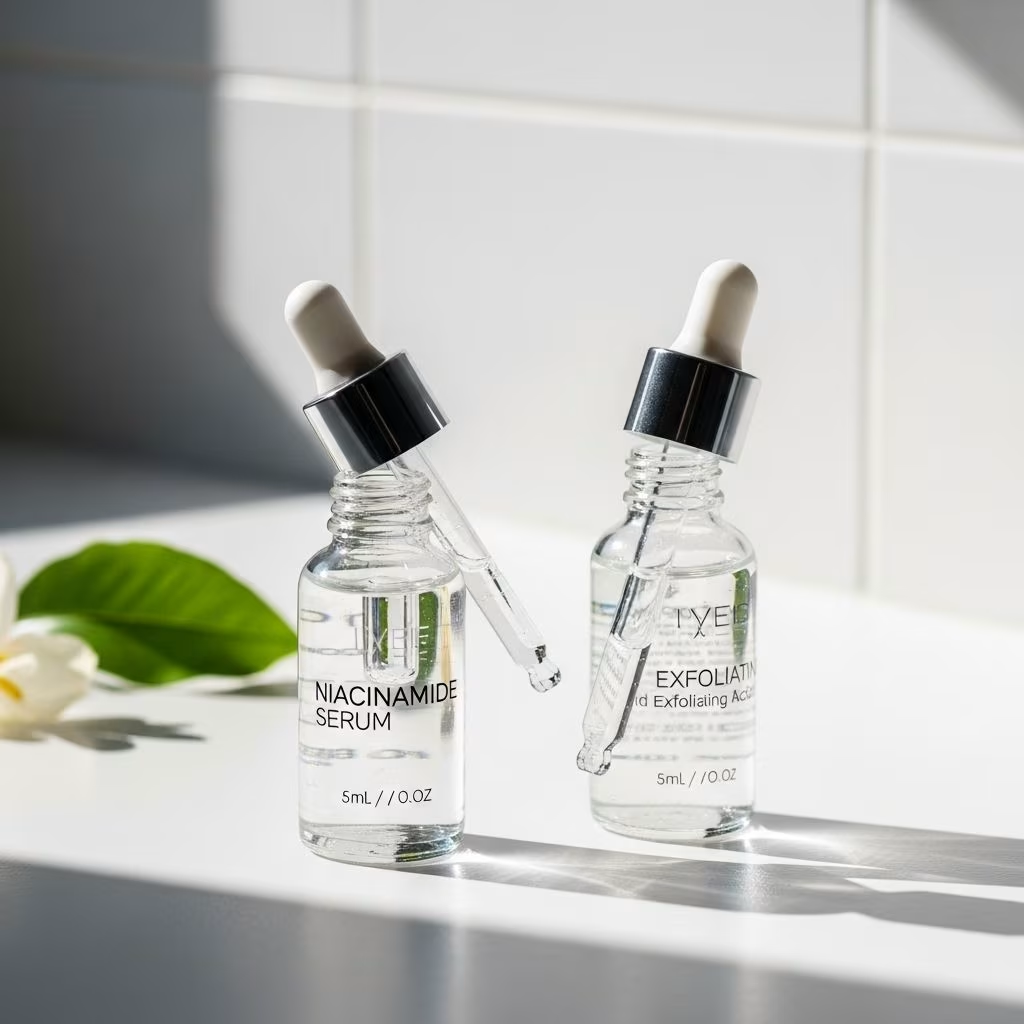
Building an effective skincare routine involves understanding how different ingredients interact and complement each other. Among the most popular and versatile skincare ingredients are niacinamide and exfoliating acids. While both offer remarkable benefits individually, learning to layer them correctly can transform your skin’s appearance and health. This comprehensive guide explores everything you need to know about combining these powerhouse ingredients safely and effectively.
Understanding Niacinamide in Skincare
Niacinamide, also known as vitamin B3, has earned its reputation as skincare’s ultimate multitasker. This water-soluble vitamin addresses multiple skin concerns simultaneously, making it a cornerstone ingredient in many effective skincare routines. Its gentle nature and proven efficacy make it suitable for virtually all skin types, including sensitive skin.
The magic of niacinamide lies in its versatility. It helps regulate sebum production, making it beneficial for those struggling with oily or combination skin. Simultaneously, it strengthens the skin’s natural barrier by promoting the production of ceramides and other protective lipids. This dual action helps maintain optimal hydration levels while preventing moisture loss.
One of niacinamide’s most celebrated benefits is its ability to minimize the appearance of enlarged pores. It also works to fade post-inflammatory hyperpigmentation and dark spots by inhibiting melanosome transfer, the process by which pigment is distributed throughout the skin. Additionally, niacinamide possesses anti-inflammatory properties that help calm redness and irritation, making it an excellent companion to more potent active ingredients.
Research demonstrates that niacinamide delivers noticeable results at concentrations around five percent. While ten percent formulations have gained popularity in recent years, they don’t necessarily provide superior benefits and may increase the risk of irritation for some users. The ingredient’s stability is another significant advantage, as it remains effective regardless of when you apply it in your routine or whether it’s formulated in a serum, cream, or other product type.
Exfoliating Acids Explained
Exfoliating acids represent a category of ingredients that work to remove dead skin cells, revealing fresher, more radiant skin underneath. These acids are classified into two main groups: alpha-hydroxy acids and beta-hydroxy acids, each with distinct properties and benefits.
Alpha-Hydroxy Acids (AHAs)
Alpha-hydroxy acids are water-soluble molecules derived from various natural sources. The most common AHAs used in skincare include glycolic acid, derived from sugar cane, and lactic acid, which comes from milk. These acids work primarily on the skin’s surface, breaking down the bonds that hold dead skin cells together.
AHAs excel at smoothing fine lines and wrinkles, evening out skin texture and tone, and boosting hydration. Glycolic acid, with its small molecular size, penetrates deeply and provides robust exfoliation, making it ideal for addressing signs of photoaging. Lactic acid offers gentler exfoliation and additional humectant properties, attracting moisture to the skin while it exfoliates.
When used consistently, AHAs can help promote a more youthful appearance by encouraging cell turnover and stimulating collagen production. They’re particularly effective for dry or sun-damaged skin, though they can increase photosensitivity, making daily sunscreen application essential.
Beta-Hydroxy Acids (BHAs)
Beta-hydroxy acids, primarily represented by salicylic acid, are oil-soluble molecules that can penetrate into pores. This unique characteristic makes BHAs particularly effective for addressing concerns related to congested or acne-prone skin. Salicylic acid dissolves the debris and excess sebum trapped within pores, helping to prevent and treat blackheads, whiteheads, and inflammatory acne.
BHAs generally provide gentler exfoliation compared to AHAs, making them suitable for sensitive skin types. Beyond unclogging pores, salicylic acid possesses anti-inflammatory properties that help calm existing breakouts and reduce redness. Its ability to work within the pore structure makes it the preferred choice for those dealing with oily skin, enlarged pores, or acne.
Benefits of Combining Niacinamide and Acids
The combination of niacinamide and exfoliating acids creates a synergistic effect that addresses multiple skin concerns simultaneously. While acids work to exfoliate and renew the skin’s surface, niacinamide provides soothing, barrier-strengthening, and brightening benefits that complement and enhance the acids’ effects.
When layered properly, this combination can significantly improve skin texture and clarity. The exfoliating acids remove the buildup of dead skin cells that can make skin appear dull and uneven, while niacinamide works to minimize pore appearance and regulate oil production. Together, they create an environment that promotes healthier, more radiant skin.
For those dealing with acne and post-inflammatory hyperpigmentation, this combination proves particularly powerful. Salicylic acid addresses active breakouts by keeping pores clear, while niacinamide reduces inflammation and helps fade the dark marks left behind by previous blemishes. Both ingredients inhibit different mechanisms in melanogenesis, providing complementary brightening effects.
The barrier-strengthening properties of niacinamide become especially valuable when using exfoliating acids. While acids renew the skin, they can sometimes compromise the moisture barrier if used too aggressively. Niacinamide helps counteract potential dryness and irritation by reinforcing the skin’s protective lipid layer and reducing inflammatory responses.
Proper Layering Techniques
Successfully layering niacinamide with exfoliating acids requires understanding the proper order of application and timing. Following these guidelines ensures maximum efficacy while minimizing the risk of irritation.
The General Layering Rule
As a fundamental principle, apply your acid-based product first, followed by niacinamide. This order allows the exfoliating acid to work directly on the skin’s surface where it’s most effective. Acids need direct contact with the skin to break down the bonds between dead cells and perform their exfoliating action.
After applying your acid product, allow it to absorb completely before proceeding to the next step. Waiting a few minutes ensures the acid has adequate time to work at the optimal pH level. This pause also allows your skin’s pH to normalize slightly before introducing niacinamide, which works effectively at a neutral pH.
Step-by-Step Application Process
Begin by cleansing your skin thoroughly with a gentle cleanser appropriate for your skin type. Leave your skin slightly damp after cleansing, as this can help with product absorption and provide additional hydration.
Apply your acid-based product next. Whether you’re using an AHA toner, BHA serum, or acid-infused treatment, dispense the appropriate amount and apply it evenly across your face, avoiding the eye area. Allow the product to sit on your skin for at least three to five minutes. This waiting period is crucial for allowing the acid to perform its exfoliating function effectively.
Once the acid has absorbed and the waiting period has elapsed, apply your niacinamide product. This could be a dedicated niacinamide serum or a moisturizer containing niacinamide. Gently pat or smooth the product over your skin, ensuring even coverage.
Complete your routine with additional moisturizer if needed, and always apply broad-spectrum sunscreen during the day. Exfoliating acids increase photosensitivity, making sun protection non-negotiable when incorporating these ingredients into your regimen.
Texture-Based Considerations
When layering multiple products, the general rule is to apply thinner, more watery products before thicker, creamier ones. If both your acid and niacinamide products have similar textures, prioritize the acid first. However, if your acid product is significantly thicker than your niacinamide serum, you may need to adjust the order slightly, though this is uncommon with most formulations.
Specific Acid and Niacinamide Combinations
Different types of exfoliating acids pair with niacinamide in slightly different ways, each combination offering unique benefits for specific skin concerns.
Niacinamide and Glycolic Acid
Glycolic acid, the smallest and most penetrating AHA, pairs excellently with niacinamide for addressing signs of aging and uneven texture. Glycolic acid smooths fine lines, boosts collagen production, and improves overall skin texture, while niacinamide enhances these benefits by strengthening the skin barrier and providing additional anti-aging effects.
Apply glycolic acid first, allowing it to work for several minutes before following with niacinamide. This combination works well for those seeking to address photoaging, dullness, and textural irregularities. Consider using this pairing in your evening routine, as glycolic acid can increase sun sensitivity.
Niacinamide and Lactic Acid
Lactic acid offers gentler exfoliation compared to glycolic acid, making it suitable for sensitive or dry skin types. When combined with niacinamide, this pairing provides hydration alongside gentle exfoliation. Lactic acid’s humectant properties complement niacinamide’s barrier-strengthening effects, creating an ideal combination for dry or dehydrated skin.
Layer lactic acid first, wait a few minutes, then apply niacinamide. This combination can be used more frequently than stronger acid pairings, potentially even daily for those with resilient skin. The gentleness of this duo makes it an excellent starting point for those new to acid exfoliation.
Niacinamide and Salicylic Acid
The combination of salicylic acid and niacinamide is particularly powerful for acne-prone and oily skin types. Salicylic acid penetrates pores to dissolve congestion and prevent breakouts, while niacinamide regulates sebum production and reduces inflammation. Both ingredients also help fade post-acne marks through different mechanisms.
Apply salicylic acid first, allowing it to sit on the skin for a few minutes before layering niacinamide on top. This combination can be used daily by those with oily, resilient skin, though those with sensitive skin may want to start with alternate-day application and gradually increase frequency as tolerance builds.
Niacinamide and Azelaic Acid
While azelaic acid is technically not an AHA or BHA, it’s worth mentioning due to its excellent compatibility with niacinamide. Both ingredients address acne, redness, and hyperpigmentation through complementary mechanisms. Azelaic acid prevents the buildup of dead skin cells and reduces free fatty acid production, while niacinamide inhibits melanosome transfer and strengthens the skin barrier.
This combination is particularly gentle and suitable even for sensitive skin. Both ingredients possess anti-inflammatory properties, making this pairing ideal for those dealing with inflammatory acne, rosacea, or post-inflammatory hyperpigmentation. You can apply these ingredients in either order, though starting with azelaic acid followed by niacinamide is generally recommended.
Niacinamide and Polyhydroxy Acids (PHAs)
Polyhydroxy acids represent the gentlest category of chemical exfoliants, making them perfect for sensitive skin or those new to acids. PHAs like gluconolactone and lactobionic acid have larger molecular sizes, so they work primarily on the skin’s surface without penetrating deeply. They also function as humectants and antioxidants.
When combined with niacinamide, PHAs provide gentle exfoliation and hydration while niacinamide strengthens the barrier and addresses concerns like pores and uneven tone. This is the mildest acid and niacinamide combination, suitable for daily use even on sensitive skin. Apply the PHA product first, followed by niacinamide after a brief waiting period.
Common Mistakes to Avoid
While layering niacinamide and exfoliating acids is generally safe and beneficial, several common mistakes can compromise results or cause irritation.
Over-Exfoliation
The most frequent mistake is using acids too frequently or at concentrations that are too high for your skin’s tolerance level. Over-exfoliation can compromise the skin barrier, leading to increased sensitivity, redness, dryness, and even breakouts. Start conservatively with acid exfoliation, perhaps two to three times weekly, and gradually increase frequency as your skin adapts.
Skipping Sunscreen
Exfoliating acids increase photosensitivity by removing the protective layer of dead skin cells that shield living cells from UV damage. Failing to apply broad-spectrum sunscreen daily when using acids can lead to increased sun damage, hyperpigmentation, and accelerated aging. Make sunscreen application a non-negotiable final step in your morning routine.
Incorrect Application Order
Applying niacinamide before acids reduces the effectiveness of both ingredients. Niacinamide can create a barrier that prevents acids from accessing the skin’s surface, while the higher pH of niacinamide products can neutralize the acid’s effectiveness. Always apply acids first, wait for absorption, then follow with niacinamide.
Neglecting the Waiting Period
Rushing through your routine and applying niacinamide immediately after acids doesn’t allow the exfoliating ingredients adequate time to work. The waiting period of three to five minutes is essential for optimal acid efficacy. Use this time to brush your teeth, prepare for bed, or engage in another part of your routine.
Using Too Many Actives Simultaneously
While niacinamide and acids work well together, adding multiple other active ingredients like retinoids, vitamin C, or additional acids in the same routine can overwhelm the skin. If you use multiple actives, consider alternating them on different days or using some in the morning and others at night.
Ignoring Skin Signals
Every skin type responds differently to active ingredients. If you experience persistent redness, stinging, increased breakouts, or excessive dryness, these are signs that you need to adjust your routine. Reduce the frequency of acid use, lower the concentration, or give your skin a break to recover before reintroducing these ingredients.
Building Your Routine
Creating an effective routine with niacinamide and exfoliating acids requires consideration of your specific skin type, concerns, and tolerance level.
For Oily and Acne-Prone Skin
Those with oily, acne-prone skin benefit most from combining niacinamide with salicylic acid. Use a BHA cleanser or toner in the evening, wait several minutes, then apply a niacinamide serum followed by a lightweight, oil-free moisturizer. This combination can be used daily once tolerance is established. During the day, focus on oil-free hydration and mandatory sunscreen.
For Dry and Aging Skin
Dry or mature skin types should consider pairing niacinamide with lactic acid or PHAs. These gentler acids provide exfoliation without excessive drying. Apply your acid product in the evening, wait, then layer niacinamide followed by a rich, nourishing moisturizer. You might use this combination three to four times weekly, alternating with other hydrating or anti-aging treatments.
For Sensitive Skin
Sensitive skin requires the gentlest approach. Start with PHAs or low-concentration lactic acid paired with niacinamide. Begin with once or twice weekly application, gradually increasing frequency as tolerance develops. Always prioritize barrier repair and hydration, using soothing ingredients alongside your actives.
For Combination Skin
Combination skin can benefit from strategic application of different acids and consistent use of niacinamide. You might use salicylic acid on oilier areas like the T-zone while applying lactic acid to drier areas. Apply niacinamide across the entire face to help balance oil production and strengthen the overall barrier.
Maximizing Results
To achieve optimal results from layering niacinamide and exfoliating acids, consistency is key. These ingredients deliver cumulative benefits over time rather than overnight transformations. Commit to your routine for at least six to eight weeks before evaluating its effectiveness.
Keep your routine simple and focused. Rather than incorporating every trendy ingredient, select products that address your specific concerns and work well together. A streamlined routine with proven ingredient combinations often outperforms complex regimens with conflicting actives.
Pay attention to product formulation and concentration. Higher concentrations aren’t always better, especially when combining multiple actives. Well-formulated products at moderate concentrations often deliver superior results with less irritation than extremely high-concentration formulas.
Document your progress with photos taken in consistent lighting conditions. Skin improvements can be gradual, making them difficult to notice day-to-day. Regular progress photos help you objectively assess whether your routine is working.
Frequently Asked Questions
Can I use niacinamide and acids together every day?
It depends on your skin type and the specific acids you’re using. Those with resilient, oily skin might tolerate daily use of niacinamide with gentler acids like salicylic acid or PHAs. However, most people benefit from using stronger acids like glycolic acid only a few times weekly. Start conservatively and increase frequency gradually as your skin adapts.
Should I use acids in the morning or evening?
Evening application is generally recommended for exfoliating acids, as it allows your skin time to recover overnight and reduces the risk of sun exposure immediately after exfoliation. You can use niacinamide both morning and evening, as it’s gentle and provides benefits throughout the day, including oil control and barrier protection.
How long should I wait between applying acid and niacinamide?
Wait at least three to five minutes after applying your acid product before layering niacinamide. This waiting period allows the acid to work at its optimal pH and ensures it has adequate contact time with your skin. Waiting also allows your skin’s pH to begin normalizing before introducing niacinamide.
Can I mix niacinamide and acids in the same product?
Yes, many skincare products successfully combine niacinamide with various acids in the same formulation. When formulated together by reputable brands, these ingredients are pH-balanced to work synergistically. However, if you’re layering separate products, follow the proper application order with acids first, then niacinamide.
What should I do if my skin becomes irritated?
If you experience irritation, immediately reduce the frequency of acid use or take a complete break from acids for several days. Focus on gentle cleansing, hydration, and barrier repair. Once irritation subsides, reintroduce acids at a lower concentration or reduced frequency. Consider consulting a dermatologist if irritation persists or worsens.
Do I need to use a separate niacinamide product if my moisturizer contains it?
Not necessarily. If your moisturizer contains an effective concentration of niacinamide (typically around five percent), you don’t need a separate niacinamide serum. This approach can actually simplify your routine and reduce the risk of using too high a concentration. Check your moisturizer’s ingredient list to confirm niacinamide appears in the first several ingredients.
Can I use vitamin C with niacinamide and acids?
While it’s possible to use all three ingredients, it requires careful planning. Consider using vitamin C in the morning and acids with niacinamide in the evening to avoid overwhelming your skin. Alternatively, rotate these ingredients on different days. Start with mastering the acid and niacinamide combination before adding vitamin C to your routine.
Is it normal for my skin to tingle after applying acids?
A slight tingling sensation immediately after applying acids is normal and typically subsides within a minute or two. However, prolonged stinging, burning, or visible redness indicates the product may be too strong for your skin. If discomfort persists beyond a few minutes, rinse the product off and consider using a gentler acid or lower concentration.
Mastering the art of layering niacinamide with exfoliating acids opens the door to transformative skincare results. By understanding how these ingredients work, following proper application techniques, and listening to your skin’s responses, you can create a routine that addresses multiple concerns while maintaining a healthy, resilient skin barrier. Remember that skincare is highly individual, so don’t hesitate to adjust these guidelines based on your unique needs and experiences. With patience, consistency, and the right approach, the combination of niacinamide and exfoliating acids can help you achieve your clearest, most radiant skin.
References
- https://naturium.com/blogs/the-lab-journal/how-to-layer-acid-active-pairings-that-pack-a-punch
- https://protocol-lab.com/blogs/skincare-routine/how-to-layer-niacinamide-and-acid-in-your-skincare-routine
- https://www.skincare.com/product-picks/all-product-picks/can-you-mix-niacinamide-with-aha-bha
- https://theordinary.com/en-us/blog/skincare-layering-guide.html
- https://www.dermaclara.com/blogs/news/layering-your-skincare-with-niacinamide
- https://www.youtube.com/watch?v=XB44trvtMJ0
- https://sublimelife.in/blogs/sublime-stories/how-to-layer-acids-to-get-maximum-results
- https://www.lorealparisusa.com/beauty-magazine/skin-care/skin-care-essentials/what-to-mix-with-niacinamide
- https://skinpharm.com/blogs/blog/hyaluronic-acid-or-retinol-first


