


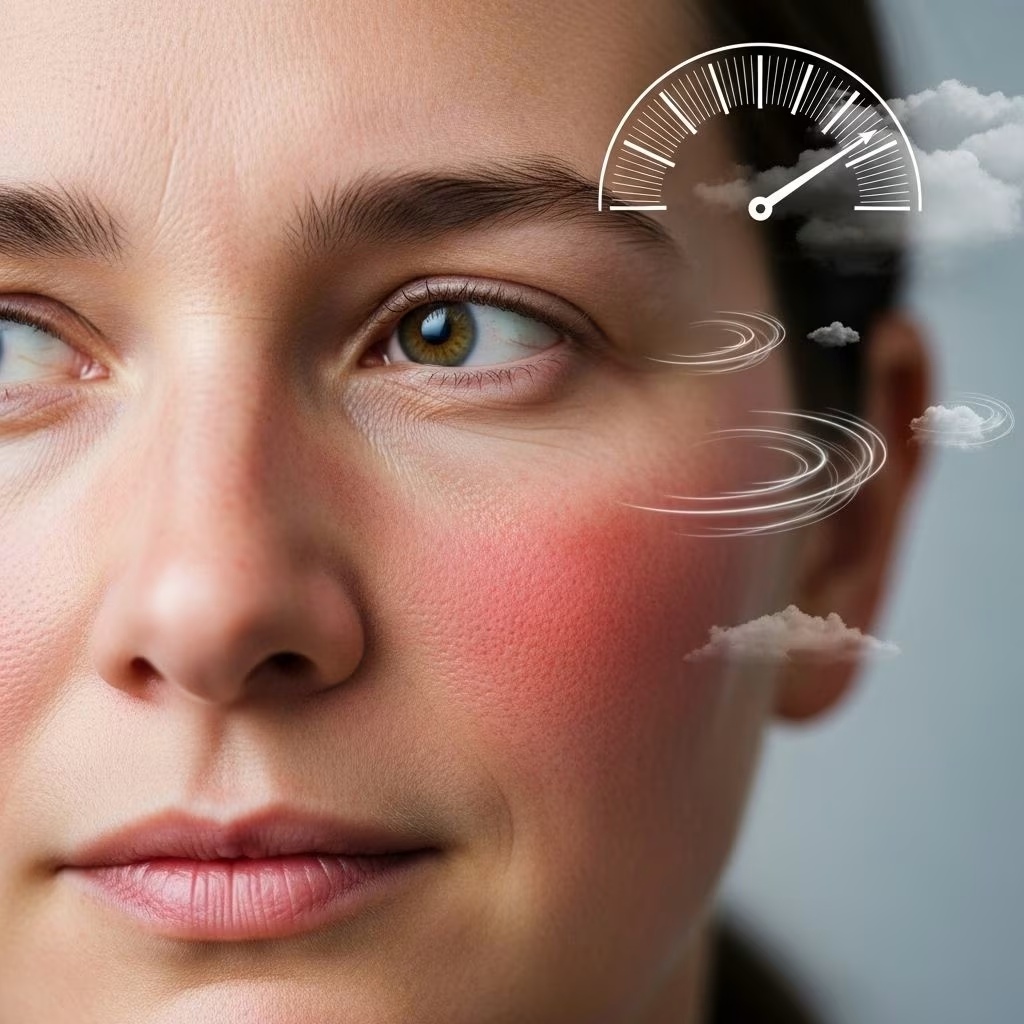
Barometric pressure—the atmospheric pressure exerted by the Earth’s atmosphere—has a nuanced yet notable influence on human health, particularly for individuals with chronic inflammatory skin conditions like rosacea. Fluctuations in weather, temperature, and air quality are frequently cited triggers by people with rosacea, often resulting in facial redness, bumps, and discomfort. This in-depth resource examines the scientific evidence linking barometric pressure and rosacea flare-ups, analyzes the underlying mechanisms, and presents practical care strategies for minimizing symptom occurrence and severity throughout seasonal changes.
Understanding Rosacea
Rosacea is a chronic, inflammatory skin disorder characterized primarily by persistent facial redness, visible blood vessels, and in some cases, acne-like bumps. While its full pathogenesis remains under investigation, it is widely recognized as a condition influenced by genetic, immunological, vascular, and environmental factors. Triggers tend to vary among individuals but often include dietary, psychological, and environmental elements.
- Common Symptoms: Persistent facial redness, flushing, visible blood vessels, bumps, pimples, burning or stinging, dry or rough skin, and, in some cases, eye irritation.
- Prevalence: Rosacea is estimated to affect over 16 million Americans and millions more worldwide.
- Course: The course of the disease fluctuates over time, with periods of remission and flare-ups commonly mentioned in relation to environmental stressors.
What is Barometric Pressure and Why Does it Matter?
Barometric pressure (also called atmospheric or air pressure) is the force exerted by the Earth’s atmosphere at a given point. It varies with altitude and as weather systems shift. Low-pressure systems (often associated with storms, humidity, and rapid temperature change) and high-pressure systems (linked to clear, dry weather) can prompt physiological changes in the body, affecting vascular tone and skin sensitivity—factors that are critically important in rosacea.
- Fluctuations: Rapid drops in barometric pressure can precede storms, whereas rising pressures often signal clear weather.
- Physiological Impact: Changes in barometric pressure influence blood flow, trigger inflammatory pathways, and alter environmental humidity, all of which can stress sensitive skin conditions.
How Weather & Barometric Pressure Affect Rosacea
Many patients report heightened rosacea symptoms—often facial flushing and increased sensitivity—during periods of marked weather fluctuation. Barometric pressure changes may act as a trigger by influencing skin blood vessels and inflammatory mediators. Weather factors likely to provoke flares include:
- Sudden temperature shifts
- High humidity (common during low pressure)
- Cold, dry conditions (more likely under high pressure)
- Harsh winds (often correlated with pressure transitions)
- Exposure to sunlight (UV and infrared), often coinciding with pressure and temperature rises
The National Rosacea Society highlights that nearly 90% of surveyed rosacea patients cited weather changes as a strong influence on their symptom severity, with each season posing distinct challenges—from winter wind and cold to summer heat and humidity.
Scientific Evidence: Barometric Pressure & Weather Triggers
Temperature Change and Rosacea Activity
Recent research utilizing large-scale search behavior (Google Trends) and meteorological data demonstrates a close relationship between temperature fluctuations and rosacea activity:
- Abrupt temperature changes correlate with spikes in online searches and presumably flare-ups of rosacea.
- In the United States and the United Kingdom, search interest in rosacea consistently peaks during months when temperatures are changing most rapidly (March–April), suggesting a physiological impact tied to quick climate transitions.
- Sudden barometric pressure shifts frequently accompany these seasonal temperature changes.
Air Quality and Atmospheric Triggers
An extensive cohort study from Taiwan found that increased exposure to poor air quality—often correlated with weather system and barometric changes—raises the risk of rosacea:
- Each incremental rise in the Air Quality Index (AQI) correlates with a 5% increased risk of rosacea onset. Groups exposed to the highest AQI levels exhibited up to 7.22-fold higher risk compared to those with the lowest exposure.
- Exposure to fine particulate matter (PM2.5), sulfur dioxide, and carbon monoxide—pollutants that can surge during certain barometric conditions—was specifically associated with greater rosacea risk.
These findings underscore the importance of considering the complex interaction between weather, atmospheric pressure, air pollution, and skin *inflammatory* responses.
Summary Table: Weather, Pressure, and Rosacea Triggers
| Weather/Pressure Factor | How It Affects Rosacea |
|---|---|
| Rapid temperature fluctuations | Increases risk of flushing, swelling, and flare-ups; raises interest in treatment and support |
| Low barometric pressure | Often increases humidity and storm risk; may trigger vascular changes, swelling, and sensitivity |
| High barometric pressure | Associated with cooler, drier air; can dehydrate skin, causing irritation and flare-ups |
| Poor air quality (pollution) | Elicits inflammatory cutaneous responses, directly increasing rosacea incidence and severity |
Mechanisms Behind Weather-Related Flare-Ups
Several physiological changes linked to barometric pressure and environmental shifts have been studied as factors underlying rosacea flare-ups:
- Vasodilation: Changes in barometric pressure alter vascular tone, triggering flushing in genetically predisposed individuals. Sudden pressure drops—frequent before storms or temperature swings—may prompt a release of neuropeptides and inflammatory mediators.
- Cutaenous blood flow changes: Rosacea patients demonstrate exaggerated cutaneous blood flow compared to healthy controls when exposed to heat or abrupt weather changes, contributing to the burning sensation, swelling, and prolonged redness.
- Increased demodex mite activity: Research suggests demodex mites, implicated as one factor in rosacea’s pathogenesis, proliferate and migrate more at higher temperatures—effectively amplifying flare risk during weather and pressure changes.
- Humidity and barrier disruption: Variable atmospheric humidity alters skin hydration. Both high and low humidity can disrupt the skin’s delicate protective barrier, predisposing the host to inflammatory reactions, stinging, and dryness exacerbations.
Seasonal Risk Periods and Environmental Challenges
Rosacea flare-ups frequently result from environmental transitions rather than any single weather state. The following seasonal periods can intensify rosacea symptoms due to rapid barometric and meteorological changes:
- Early spring: Accelerating temperature rises, increased sunlight exposure, fluctuating air quality, and alternating humidity patterns may provoke heightened flushing and swelling.
- Autumn: Falling temperatures combined with wind and volatile pressure promote dryness and vascular sensitivity.
- Winter: Cold air, indoor heating, and gusty winds (often seen after sudden pressure increases) dry and irritate already sensitive facial skin.
- Storm seasons: Severe weather events (thunderstorms, hurricanes) rapidly reduce barometric pressure, often precipitating flare-ups via direct vascular and immune activation.
Rosacea patients may also notice symptom peaks during periods of poor air quality, whether due to environmental pollution, pollen, or wildfire smoke—conditions sometimes triggered or worsened by shifts in atmospheric pressure.
Managing Rosacea During Barometric and Weather Fluctuations
Self-Monitoring & Trigger Identification
- Maintain a symptom diary noting weather patterns, barometric pressure changes (available on most weather apps), activity, diet, and rosacea flares.
- Identify and avoid other common triggers, such as extreme heat/cold, sun exposure, hot beverages, spicy foods, alcohol, and emotional stress.
- Note time of year and environmental conditions preceding each flare for personalized care planning.
Indoor Comfort Strategies
- Use a humidifier in winter or dry climates to maintain optimal indoor humidity (ideally 30–50%).
- Avoid direct exposure to heating/cooling vents or strong indoor drafts.
- Dress in layers to allow gradual adaptation to indoor/outdoor temperature changes.
Clothing and Outdoor Protection
- Wear a broad-brimmed hat and sunglasses to reduce wind and sun exposure during pressure/weather fluctuations.
- Shield the face with scarves or lightweight masks in windy or cold conditions.
- Opt for soft, non-irritating, and breathable materials to prevent skin friction and sweating.
Travel Considerations
- If traveling to a different climate, prepare skin with moisturizer and avoid abrupt exposure to new environmental factors. Allow gradual acclimatization to local conditions.
- Monitor local weather apps for pressure and humidity forecasts.
Comprehensive Care & Prevention Strategies
Beyond environmental modification, a multifaceted approach to rosacea management is most effective for minimizing weather-related flare-ups. The following practices are recommended by leading dermatology organizations and scientific studies:
Daily Skin Care Routines
- Cleanse with a gentle, non-soap cleanser twice daily. Avoid hot water, scrubs, and products with fragrances or detergents.
- Apply a non-irritating, fragrance-free moisturizer immediately after washing, especially in dry or cold weather.
- Use broad-spectrum sunscreen (SPF 30+) every day, including overcast and cold days, as UV rays exacerbate rosacea severity all year.
- Test new products on a small area before full application. Avoid known irritants.
Professional Medical Management
- Consult a dermatologist for a tailored regimen, which may include topical treatments, oral medications, or light-based therapies.
- Ask about medications that manage flushing (for example, brimonidine gel) and anti-inflammatory options during peak seasons.
- Ensure other skin and systemic conditions, such as seborrheic dermatitis, allergies, high blood pressure, or menopause, are evaluated, as they may contribute to symptoms.
Diet, Hydration, and Lifestyle
- Stay well-hydrated, particularly in dry or windy weather.
- Follow a balanced diet and minimize foods known to trigger symptom worsening (e.g., spicy or hot foods, alcohol, high-histamine foods).
- Engage in regular stress reduction practices, such as mindfulness, yoga, or deep breathing, as emotional stress is a widely acknowledged rosacea trigger.
Monitor Air Quality and Pollution
- Track daily AQI and minimize outdoor activity when air pollution is elevated.
- Use HEPA air filters at home to help reduce indoor particulate buildup on high-pollution days.
- Wash face and exposed skin after spending time outdoors in polluted environments.
Frequently Asked Questions (FAQs)
Q: Can I directly measure barometric pressure at home to predict rosacea flares?
A: Yes, many household weather stations provide current barometric pressure readings, and most weather apps also supply this information. For some, tracking barometric trends alongside symptom diaries helps anticipate personal flare patterns.
Q: Are certain types of rosacea more sensitive to barometric or weather changes?
A: People with the erythematotelangiectatic (redness/flushing) subtype often report greater weather and pressure sensitivity, though all forms can be affected under the right conditions.
Q: Can air conditioners, heating, or air purifiers help with weather-related rosacea flares?
A: Yes, when used correctly. Air conditioners and purifiers can moderate indoor climate and particulate exposure. Humidifiers help balance dry indoor air during fall and winter, but avoid over-humidification, which may foster mold or dust mites.
Q: Is barometric pressure the most important weather trigger?
A: It’s a significant contributor but interacts with temperature, humidity, air quality, and individual biological sensitivity. Most flares result from several factors acting together.
Conclusion
Barometric pressure fluctuations—particularly when combined with changes in temperature, humidity, and air pollution—frequently ignite rosacea symptoms in those genetically or biologically predisposed. Through a combination of vigilant self-monitoring, scientifically informed lifestyle modification, and collaboration with dermatological professionals, rosacea patients can substantially reduce the frequency and intensity of weather-induced flares. Remaining alert to atmospheric cues and making seasonal skin care adjustments are proactive steps toward calmer, healthier skin throughout the year.
References
- https://pubmed.ncbi.nlm.nih.gov/39067059/
- https://pmc.ncbi.nlm.nih.gov/articles/PMC7992462/
- https://www.rosacea.org/tags/weather
- https://www.rosacea.org/patients/materials/coping-with-rosacea/coping-with-common-triggers
- https://www.aad.org/public/diseases/rosacea/triggers/prevent
- https://lifemd.com/learn/barometric-pressure-and-sinuses
- https://www.webmd.com/skin-problems-and-treatments/identifying-your-rosacea-triggers


