


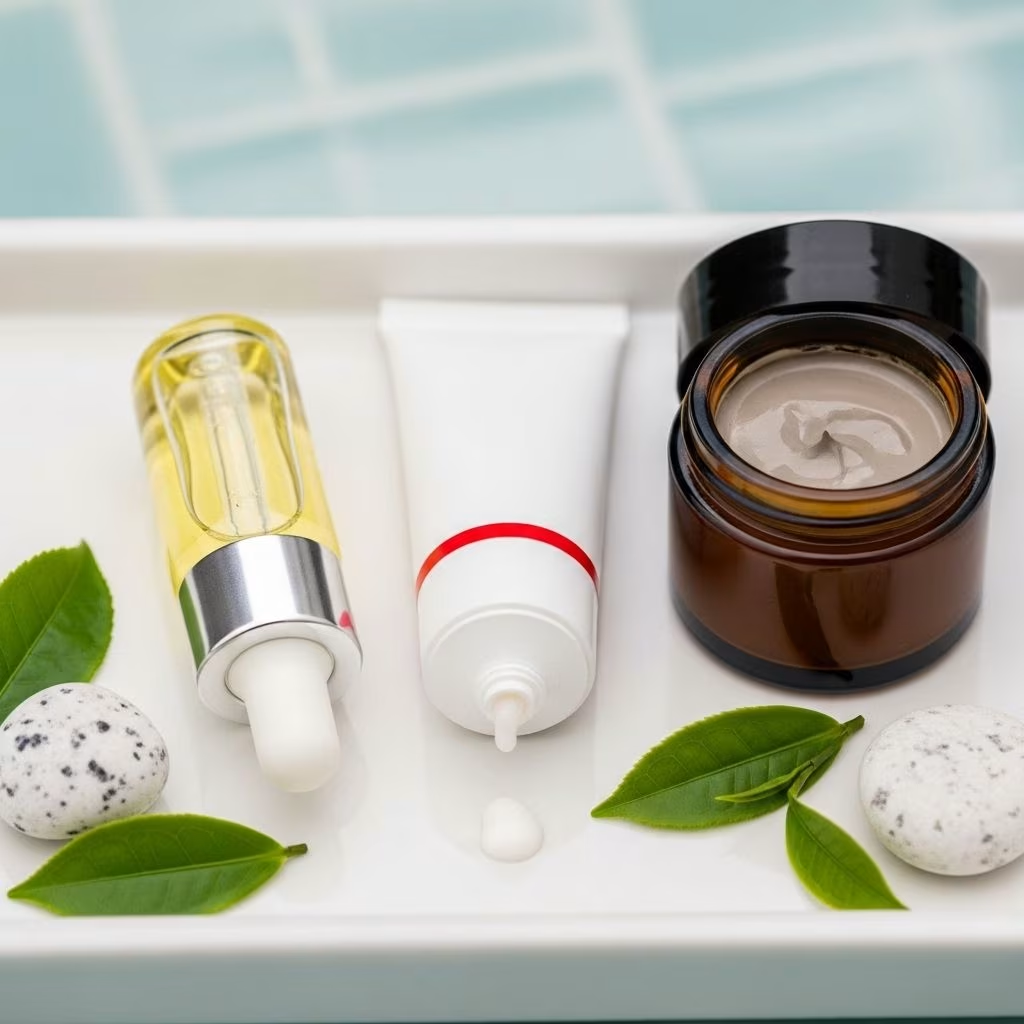
Introduction to Spot Treatment Options
When a stubborn pimple appears seemingly overnight, the quest for the perfect spot treatment begins. The modern skincare market offers numerous options, but three stand out as the most effective and popular choices: benzoyl peroxide, sulfur, and pimple patches. Each approach tackles acne through different mechanisms, making the choice between them crucial for achieving optimal results.
Acne affects an estimated 9.4% of the global population, making it one of the most common skin conditions worldwide. While comprehensive acne treatment often requires a multi-faceted approach, spot treatments serve as targeted solutions for individual blemishes, offering quick relief and preventing further inflammation.
Understanding the science behind each treatment option empowers consumers to make informed decisions based on their skin type, acne severity, and lifestyle preferences. This comprehensive analysis examines the effectiveness, benefits, drawbacks, and optimal use cases for each treatment modality.
Benzoyl Peroxide: The Antibacterial Powerhouse
How Benzoyl Peroxide Works
Benzoyl peroxide functions as a potent antibacterial agent that penetrates deep into follicles to eliminate Propionibacterium acnes, the primary bacteria responsible for inflammatory acne. This oxidizing agent releases oxygen into the pore environment, creating conditions hostile to anaerobic bacteria while simultaneously providing keratolytic effects that help unclog pores.
Concentrations and Formulations
Available concentrations typically range from 2.5% to 10%, with higher percentages not necessarily providing superior results. Research indicates that 2.5% benzoyl peroxide can be as effective as stronger concentrations while causing less irritation. Popular formulations include gels, creams, and leave-on treatments.
Benefits of Benzoyl Peroxide
Rapid Action: Many users report visible improvement within 24 hours of application, making it ideal for emergency spot treatment situations.
Proven Efficacy: Extensive clinical research supports its effectiveness against both inflammatory and non-inflammatory acne lesions.
No Bacterial Resistance: Unlike antibiotic treatments, bacteria cannot develop resistance to benzoyl peroxide’s oxidizing mechanism.
Accessible and Affordable: Available over-the-counter in various price ranges, from budget-friendly drugstore options to premium formulations.
Drawbacks and Considerations
Bleaching Properties: Benzoyl peroxide can cause permanent staining of fabrics, towels, and pillowcases, requiring careful application and protection of surrounding materials.
Potential Dryness: Strong formulations may cause excessive dryness, peeling, and irritation, particularly in individuals with sensitive skin.
Initial Purging: Some users experience temporary worsening of acne during the first few weeks of treatment as the product brings deeper impurities to the surface.
Sulfur: The Gentle Giant
Mechanism of Action
Sulfur works through multiple pathways to combat acne. Its keratolytic properties help remove dead skin cells and prevent pore blockage, while its antimicrobial effects reduce bacterial populations on the skin surface. Additionally, sulfur helps absorb excess oil production, making it particularly beneficial for those with oily skin types.
Modern Sulfur Formulations
Contemporary sulfur treatments often combine this traditional ingredient with complementary actives like niacinamide, salicylic acid, or zinc oxide to enhance effectiveness while minimizing the characteristic sulfur odor. These sophisticated formulations maintain therapeutic benefits while improving user experience.
Advantages of Sulfur Treatment
Gentle on Sensitive Skin: Sulfur typically causes less irritation than benzoyl peroxide or salicylic acid, making it suitable for individuals with reactive or sensitive skin types.
Anti-inflammatory Properties: Beyond antibacterial effects, sulfur helps reduce redness and inflammation associated with active breakouts.
Oil Control: Excellent for managing excess sebum production, which is often a contributing factor in acne development.
Suitable for Rosacea: Unlike many acne treatments, sulfur can be beneficial for individuals dealing with both acne and rosacea symptoms.
Limitations of Sulfur
Distinctive Odor: The characteristic smell of sulfur can be off-putting, though modern formulations have significantly reduced this issue.
Slower Results: Sulfur typically requires longer treatment periods to show visible improvements compared to more aggressive options.
Limited Availability: Fewer product options available in mainstream retail compared to benzoyl peroxide treatments.
Pimple Patches: Modern Innovation
Technology Behind Patches
Pimple patches utilize hydrocolloid technology, originally developed for wound care. These patches create a moist environment that promotes healing while drawing out pus and impurities from active blemishes. Advanced formulations may incorporate additional active ingredients like salicylic acid, tea tree oil, or niacinamide.
Types of Pimple Patches
Basic Hydrocolloid Patches: Simple, clear patches that focus solely on extraction and protection.
Medicated Patches: Enhanced with active ingredients for additional therapeutic benefits.
Microneedle Patches: Featuring tiny dissolvable needles that deliver active ingredients deeper into the skin.
Benefits of Patch Technology
Hands-Off Healing: Prevents picking and touching, reducing risk of scarring and bacterial spread.
Visible Results: Users can see extracted impurities on the patch, providing satisfying visual confirmation of effectiveness.
Convenience: Easy application with minimal mess or preparation required.
Protection: Creates a barrier against environmental irritants and makeup application over active blemishes.
Patch Limitations
Limited Scope: Most effective on surface-level whiteheads and pustules; less effective on deeper cystic acne.
Cost per Use: Can be expensive for regular use compared to traditional spot treatments.
Adhesion Issues: May not stay in place for extended periods, particularly on oily skin or curved facial areas.
Comprehensive Comparison
| Factor | Benzoyl Peroxide | Sulfur | Pimple Patches |
|---|---|---|---|
| Speed of Results | 24-48 hours | 3-7 days | 6-12 hours |
| Skin Sensitivity | Moderate to High | Low to Moderate | Very Low |
| Cost Effectiveness | High | Moderate | Low |
| Ease of Use | Moderate | Moderate | High |
| Acne Type Effectiveness | All types | Mild to Moderate | Surface lesions |
| Potential Side Effects | Dryness, bleaching | Odor, mild dryness | Minimal |
| Long-term Use | Excellent | Good | Limited |
How to Choose the Right Treatment
Skin Type Considerations
Sensitive Skin: Sulfur treatments or hydrocolloid patches offer the gentlest approach with minimal risk of irritation.
Oily Skin: Benzoyl peroxide excels at managing excess oil production and preventing future breakouts.
Combination Skin: A strategic combination of treatments may be most effective, using different options for different facial areas.
Mature Skin: Sulfur treatments provide anti-aging benefits alongside acne treatment, making them ideal for adult acne.
Acne Severity Guidelines
Mild Acne: Pimple patches and sulfur treatments provide sufficient strength without over-treating the skin.
Moderate Acne: Benzoyl peroxide offers the necessary antimicrobial power to address more persistent breakouts.
Severe Acne: Professional consultation recommended, though benzoyl peroxide may serve as an adjunct to prescription treatments.
Lifestyle Factors
Consider your daily routine, wardrobe preferences, and time availability when selecting treatments. Benzoyl peroxide requires careful handling around fabrics, while patches offer discreet daytime wear options.
Expert Recommendations and Clinical Evidence
Clinical research consistently demonstrates that oral isotretinoin remains the most effective acne treatment overall, followed by combination therapies incorporating topical retinoids, benzoyl peroxide, and antibiotics. For spot treatment specifically, benzoyl peroxide shows superior efficacy in clinical trials, with concentrations as low as 2.5% providing significant benefits.
Dermatologists frequently recommend starting with benzoyl peroxide due to its proven track record and comprehensive mechanism of action. The Mayo Clinic specifically endorses beginning acne treatment with products containing benzoyl peroxide or adapalene, citing their effectiveness and accessibility.
Sulfur treatments receive particular recognition for sensitive skin applications and combination acne-rosacea conditions. The anti-inflammatory properties of sulfur make it valuable for individuals who cannot tolerate more aggressive treatments.
Emerging research on hydrocolloid patches shows promising results for surface-level lesions, with studies indicating significant reduction in lesion size and healing time when used appropriately.
Application Tips and Best Practices
Benzoyl Peroxide Application
Start with lower concentrations and gradually increase if needed. Apply to clean, dry skin and allow complete absorption before applying additional products. Use white or old towels and pillowcases to prevent staining. Always follow with sunscreen during daytime use.
Sulfur Treatment Protocol
Apply a thin layer to affected areas, avoiding the eye region. Evening application is often preferred due to potential odor concerns. Can be layered under other skincare products once fully absorbed. Consistent daily use yields better results than sporadic application.
Patch Application Technique
Ensure the blemish has a visible whitehead for optimal extraction. Clean and dry the area thoroughly before application. Press firmly around all edges to ensure proper adhesion. Leave in place for recommended duration, typically 6-12 hours.
Potential Side Effects and Precautions
Common Side Effects
Benzoyl Peroxide: Initial redness, peeling, and dryness are common during the adjustment period. Fabric bleaching is inevitable without proper precautions.
Sulfur: Mild skin dryness and the characteristic odor represent the primary concerns. Rare allergic reactions may occur in sensitive individuals.
Pimple Patches: Occasional skin irritation from adhesive components, particularly with extended use or sensitive skin types.
Safety Precautions
Perform patch tests before first use, especially for sulfur products. Avoid combining multiple active ingredients without professional guidance. Discontinue use if severe irritation develops and consult a dermatologist for persistent or worsening acne conditions.
Frequently Asked Questions
Q: Can I use multiple spot treatments at the same time?
A: While possible, it’s generally not recommended to layer different active treatments simultaneously as this increases irritation risk. Choose one primary treatment and allow your skin to adjust before considering combinations.
Q: How long should I try a spot treatment before switching?
A: Give each treatment at least 2-4 weeks of consistent use before evaluating effectiveness. Some treatments require time to show full benefits, and switching too quickly prevents proper assessment.
Q: Are expensive spot treatments necessarily better?
A: Not always. Many effective spot treatments are available at drugstore prices. The key is finding the right active ingredient concentration and formulation for your skin type rather than focusing solely on price point.
Q: Can I use spot treatments during pregnancy?
A: Benzoyl peroxide and sulfur are generally considered safe during pregnancy, while some patch ingredients should be verified with your healthcare provider. Always consult your doctor before starting new skincare treatments during pregnancy.
Q: What’s the difference between spot treatments and full-face acne products?
A: Spot treatments typically contain higher concentrations of active ingredients and are formulated for targeted use on individual blemishes, while full-face products are gentler and designed for broader application areas.
Conclusion
The battle between patches, sulfur, and benzoyl peroxide ultimately depends on individual skin characteristics, acne severity, and personal preferences. Benzoyl peroxide emerges as the most clinically proven option for comprehensive acne treatment, offering rapid results and broad-spectrum effectiveness. Sulfur provides an excellent alternative for sensitive skin types and those seeking gentler intervention, while pimple patches excel in convenience and targeted extraction for surface-level blemishes.
Success with any spot treatment requires consistent application, realistic expectations, and patience during the adjustment period. Consider starting with one treatment option and monitoring your skin’s response before making changes. For persistent or severe acne, professional dermatological consultation remains the best approach to developing an effective, personalized treatment strategy.
Remember that spot treatments work best as part of a comprehensive skincare routine that includes gentle cleansing, appropriate moisturizing, and consistent sun protection. The most effective approach often involves finding the right balance of active ingredients that address your specific skin needs without causing excessive irritation or disruption to your skin barrier.
References
- https://miiskin.com/acne/acne-spot-treatment/
- https://www.harpersbazaar.com/beauty/skin-care/g43941404/best-acne-spot-treatments/
- https://pmc.ncbi.nlm.nih.gov/articles/PMC10365865/
- https://www.mayoclinic.org/diseases-conditions/acne/in-depth/acne-treatments/art-20045814
- https://pmc.ncbi.nlm.nih.gov/articles/PMC11266290/


