


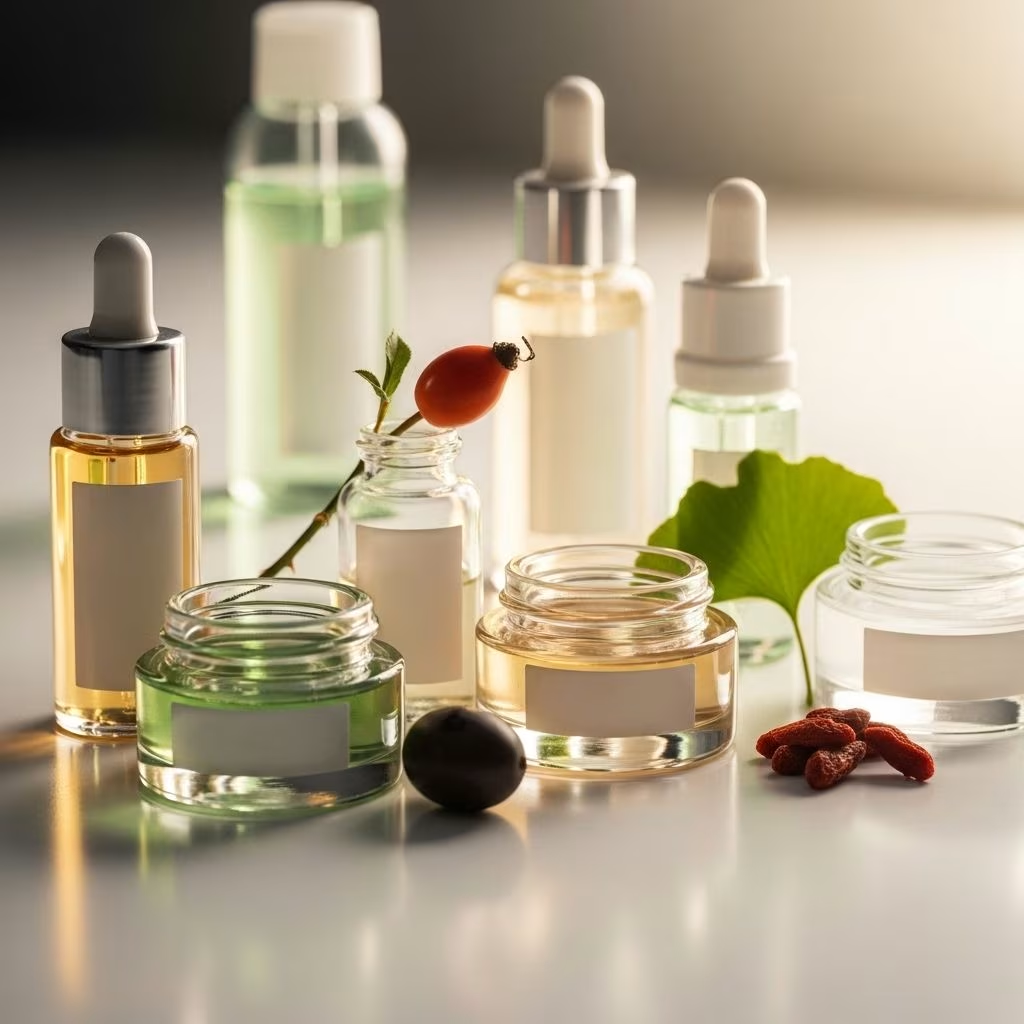
Actives for Mature Skin: Anti-Aging Toolkit
Mature skin requires a strategic, evidence-based approach to maintain radiance, firmness, and overall skin health. With years of research and dermatological advances, numerous active ingredients have been proven to visibly combat aging signs such as wrinkles, loss of elasticity, uneven skin tone, and dehydration. This comprehensive guide explores the most effective actives, how they work, best formulations, and how to build your personalized anti-aging toolkit for mature skin.
Introduction: Understanding Mature Skin & Aging
Mature skin is typically characterized by a decrease in collagen and elastin production, slower cell turnover, diminished hydration, and increased susceptibility to environmental stressors. These changes can lead to visible concerns such as fine lines, wrinkles, sagging, dryness, and hyperpigmentation. The right combination of active ingredients not only targets these concerns but also promotes overall skin resilience and radiance.
Key factors affecting mature skin:
- Reduced collagen & elastin: Leads to loss of firmness and elasticity.
- Slower cell turnover: Results in dullness and uneven texture.
- Decreased moisture retention: Causes dryness and crepiness.
- Cumulative sun damage: Accelerates the appearance of age spots and deep wrinkles.
- Weakened skin barrier: Heightens risk of irritation and sensitivity.
Top Science-Backed Actives for Mature Skin
The following ingredients have proven efficacy in addressing key aging concerns. Multiple studies and dermatological guidelines recommend incorporating these actives into a mature skin regimen:
- Retinoids (e.g. retinol, retinaldehyde, prescription retinoic acid)
- Peptides (including copper peptides and matrixyl)
- Vitamin C (ascorbic acid)
- Hyaluronic Acid
- Niacinamide (Vitamin B3)
- Ceramides
- Alpha Hydroxy Acids (AHAs, e.g. glycolic acid, lactic acid)
- Bakuchiol
- Antioxidants (including vitamin E, coenzyme Q10, polyphenols)
- Growth Factors (EGF)
- Tranexamic Acid, Azelaic Acid (for discoloration)
Ingredient Profiles: How Each Active Works
Retinoids: The Gold Standard
Function: Boosts collagen, accelerates cell turnover, fades age spots, and reduces wrinkles.
Best For: Fine lines, wrinkles, rough texture, uneven pigmentation.
Usage Tips: Start with low concentrations to minimize irritation. Use at night and pair with sunscreen daily.
Common Forms: Retinol (OTC), retinaldehyde, retinoic acid (prescription), bakuchiol (plant-based alternative for sensitive skin and pregnancy).
Peptides: The Building Blocks
Function: Stimulates natural collagen and elastin production, improves firmness and smooths wrinkles.
Best For: Loss of elasticity, sagging, lines.
Types: Copper peptides, matrixyl, argireline. Peptides are used in creams and serums and are suitable for most skin types.
Vitamin C: Brightening & Protection
Function: Powerful antioxidant, boosts collagen, fades dark spots, evens skin tone, protects against sun and pollution damage.
Best For: Dullness, pigmentation, photoaging.
Usage Tips: Use stable forms (e.g., L-ascorbic acid) in air-tight, opaque packaging. Pair with SPF for enhanced results.
Hyaluronic Acid: Hydration Hero
Function: Attracts and retains moisture (up to 1,000 times its weight in water), plumps the skin, smooths fine lines.
Best For: Dryness, dehydration, loss of fullness.
Usage Tips: Incorporate as a serum before moisturizer for maximum hydration.
Niacinamide: Multi-Tasking B3
Function: Strengthens skin barrier, reduces redness, regulates oil, improves texture, fades pigmentation.
Best For: Sensitive skin, enlarged pores, uneven tone.
Usage Tips: Gentle enough for use with retinoids and vitamin C. Apply twice daily.
Ceramides: Barrier Boosters
Function: Restores and maintains skin’s protective barrier, locks in moisture, defends against external irritants.
Best For: Dry, sensitive, or barrier-compromised skin.
Usage Tips: Use ceramide-infused moisturizers to replenish lipids and reduce trans-epidermal water loss.
Alpha Hydroxy Acids (AHAs): Gentle Exfoliation
Function: Removes dead cells, stimulates new cell growth, improves skin texture and radiance.
Best For: Dull, rough, uneven skin, age spots.
Types: Glycolic acid, lactic acid are best-studied and effective at low to moderate concentrations.
Bakuchiol: Nature’s Retinol Alternative
Function: Promotes cell turnover, improves texture, fades discoloration, gentle for sensitive skin and safe during pregnancy.
Best For: Wrinkle reduction without retinol side effects.
Other Noteworthy Actives
- Antioxidants: Vitamin E, coenzyme Q10, polyphenols—help neutralize free radicals, prevent oxidative stress, and support repairing processes.
- Growth Factors (EGF): Promote cell regeneration for rejuvenation.
- Tranexamic Acid and Azelaic Acid: Treat stubborn discoloration, melasma, and persistent spots gently without irritation.
Building Your Anti-Aging Skincare Routine
To maximize benefits, combine synergistic actives, avoiding ingredient clashes that can compromise efficacy or irritate your skin.
- Cleansing: Use gentle, non-foaming cleansers.
- Exfoliate: AHAs two or three times weekly (not with retinol on the same nights).
- Serums: Apply antioxidant or hydrating serums (Vitamin C, hyaluronic acid) in the morning.
- Targeted Treatments: Use retinoids, peptides, bakuchiol, or niacinamide at night.
- Moisturizing: Seal everything in with ceramide-rich or peptide-infused moisturizers.
- Sunscreen: Essential every morning, SPF 30 or higher—protects from photoaging and maximizes anti-aging results.
Product Application Tips for Maximum Efficacy
- Introduce new actives gradually; patch test if sensitive.
- Layer thinnest to thickest: serum, then cream, then oil (if used).
- Retinoids/Vitamin C: Avoid using at the same time to minimize irritation. Separate by morning/evening.
- Moisturize immediately after hydrating serums for enhanced plumping.
- Always follow actives with sunscreen during the day.
Comparison Table: Most Effective Anti-Aging Actives
| Ingredient | Main Benefits | Best For | Common Formulation |
|---|---|---|---|
| Retinoids | Collagen boost, wrinkles, cell renewal | Wrinkles, uneven texture, age spots | Creams, serums |
| Peptides | Firmness, elasticity, texture | Loss of tone, lines | Creams, serums |
| Vitamin C | Brightening, antioxidant, pigment correction | Dullness, discoloration | Serums |
| Hyaluronic Acid | Hydration, plumping | Dryness, fine lines | Serums, creams |
| Niacinamide | Barrier support, pore minimization, calm | Sensitivity, redness | Serums, moisturizers |
| Ceramides | Moisture retention, barrier repair | Dry, sensitive skin | Moisturizers |
| AHAs | Exfoliation, cell turnover | Dullness, roughness | Cleansers, serums, masks |
| Bakuchiol | Anti-aging, gentle renewal | Retinol sensitivity | Serums, creams |
Frequently Asked Questions (FAQs)
Q: What is the single most effective anti-aging ingredient for mature skin?
A: Dermatologists widely agree that retinoids (including retinol and retinoic acid) are the gold standard for addressing wrinkles, texture, and signs of photoaging. They stimulate collagen production and accelerate cell turnover for noticeable results.
Q: How should I layer my anti-aging products?
A: After cleansing, apply water-based serums first (e.g., vitamin C, hyaluronic acid), followed by retinoids or peptides (if using), then moisturizers with ceramides or peptides, and sunscreen every morning. Avoid layering retinoids and AHAs on the same night to minimize irritation.
Q: Can I use multiple actives together?
A: Yes, but introduce them gradually and monitor for irritation. Popular pairings include vitamin C (morning), niacinamide (morning or night), hyaluronic acid (anytime), retinoids (night), ceramides (night). Avoid using retinoids and AHAs at the same time.
Q: Is vitamin C safe for sensitive skin?
A: Vitamin C is generally safe, but opt for lower concentrations or buffered formulations if you have sensitive skin. Pair with niacinamide or ceramides to reduce the risk of irritation.
Q: How often should I exfoliate mature skin?
A: Gentle exfoliation using AHAs 2–3 times per week helps slough off dead skin and promote a brighter complexion. Over-exfoliation can worsen dryness and sensitivity—adjust frequency based on your tolerance.
Q: What is bakuchiol and can it replace retinol?
A: Bakuchiol is a plant-based alternative to retinol that mimics many of its cell-renewing effects but is gentler and suitable for those with sensitive skin or during pregnancy.
Expert Advice & Final Considerations
- Establish a consistent routine: The best results come from regular use.
- Personalize your regimen: Not every active suits every skin type—patch test and seek professional advice if needed.
- Sun protection is non-negotiable: UV exposure accelerates aging and diminishes effectiveness of actives.
- Avoid harsh physical exfoliators that can micro-tear mature skin; opt for gentle chemical exfoliation.
- Consult with a dermatologist for personalized recommendations and before starting prescription-grade actives.
- Hydration, sleep, nutrition, and stress management all complement topical strategies for aging gracefully.
Empowering your skincare with these proven anti-aging actives allows mature skin to glow with health, resilience, and true radiance at any age. Building the right anti-aging toolkit starts with knowledge—and ends with self-care, science, and results you can see and feel.
References
- https://nikolbeauty.com/blogs/news/the-best-skin-care-ingredients-for-mature-skin-what-to-look-for-and-why
- https://www.youtube.com/watch?v=kyCwA5lryMk
- https://www.naturabisse.com/us/en/blog/post/the-5-most-effective-rejuvenating-ingredients
- https://www.mayoclinic.org/diseases-conditions/wrinkles/in-depth/wrinkle-creams/art-20047463
- https://www.health.harvard.edu/staying-healthy/skin-care-for-aging-skin-minimizing-age-spots-wrinkles-and-undereye-bags
- https://scrubalildeepa.com/blogs/scrub-a-dub-blog/8-powerful-anti-aging-ingredients-that-transform-your-skin


