


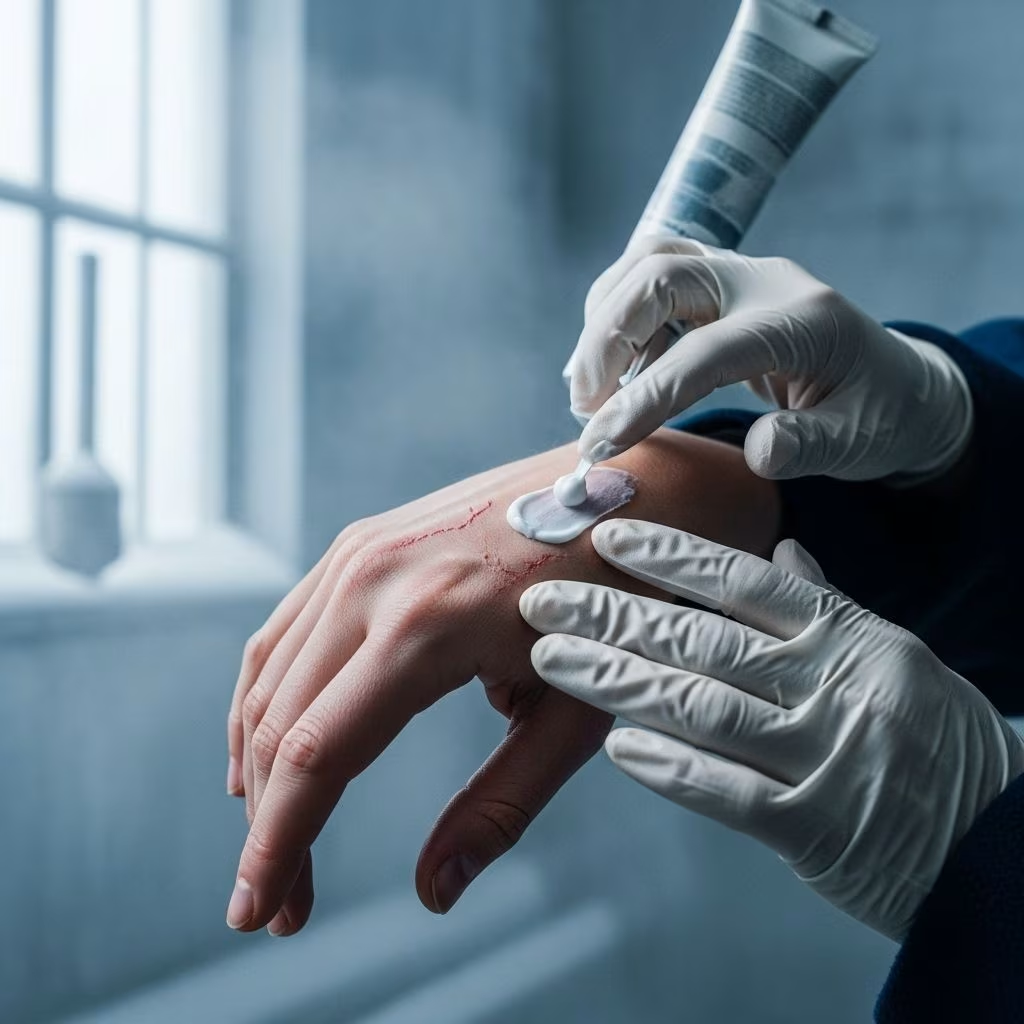
Introduction
Industrial workers often face the dual challenge of frequent exposure to harsh solvents and prolonged periods in cold weather. These conditions combine to create a hostile environment for skin health, leading to dryness, irritation, and even more severe conditions such as dermatitis. A targeted approach to hand care, centering on the use of hand creams formulated for industrial solvents, is essential for maintaining occupational comfort, safety, and productivity.
Risks of Industrial Solvent Exposure in Cold Weather
Industrial solvents, including aromatic, chlorinated, and ketone types, are prevalent in sectors like manufacturing, construction, printing, and laboratory work. These solvents are effective for cleaning and degreasing, but they aggressively strip the skin of its natural oils, increasing transepidermal water loss and making the skin more susceptible to dryness and irritation. In cold weather, these hazards multiply:
- Reduced humidity: Cold air holds less moisture, intensifying skin dehydration.
- Compromised lipid barrier: Solvent exposure removes lipids, while cold air impairs barrier recovery, raising risk of cracking.
- Delayed healing: Micro-injuries from solvents are slower to resolve in cold conditions.
- Increased dermatitis risk: Combined stressors heighten risk of occupational dermatitis, characterized by redness, soreness, and inflammation.
Occupational hand creams are thus not just a comfort product but a vital protective measure in such circumstances.
How Hand Cream Functions for Industrial Solvents
Specialized industrial hand creams are engineered to serve three primary functions:
- Barrier Formation: Creating a flexible, invisible layer that shields skin from solvents, oils, and powders.
- Moisture Retention: Maintaining hydration with emollients and humectants to counteract dryness and cracking.
- Soothe and Repair: Providing restorative agents to encourage recovery after exposure and prevent inflammation.
This protective layer reduces direct contact with hazardous materials, simplifies skin cleaning at shift end, and preserves the skin’s resilience to stress and temperature.
Special Considerations for Cold Weather
In cold weather, hand creams must address additional challenges beyond solvent protection:
- Enhanced occlusivity: The cream should provide robust protection against wind and low humidity.
- Non-greasy feel: Quick absorption is desirable, as greasy creams can impair grip or interfere with manual tasks.
- Frequent application: Due to more rapid moisture loss, workers may need to reapply creams after washing or exposure.
- Compatibility with gloves: Creams should not degrade glove material or cause slippage and should be suitable for use underneath protective clothing.
- pH balance: A pH-neutral formula minimizes risk of irritation from already-stressed skin.
Well-formulated creams contribute not only to comfort, but also to reduced absenteeism and improved safety in the workplace.
Key Ingredients in Industrial Hand Creams
Effective hand creams for industrial and cold-weather use tend to contain specific active and supportive ingredients:
| Ingredient | Function | Benefit for Workforce |
|---|---|---|
| Emollients (Shea Butter, Lanolin) | Soften and smooth skin, repair micro-cracks, anti-inflammatory | Immediate comfort, restores flexibility |
| Barrier Agents (Dimethicone, Paraffin Wax) | Create an occlusive shield to block solvents and wind | Prevents penetration, facilitates easy cleaning |
| Humectants (Glycerin, Propylene Glycol) | Draw moisture into upper skin layers, prevent dehydration | Boosts hydration, reduces cracking risk |
| Proteins & Vitamins (Panthenol, Vitamin E) | Repair, replenish, and protect cell function | Accelerates healing, strengthens skin |
| Antioxidants (Aloe, Green Tea) | Reduce oxidative stress from chemical exposure | Counteracts environmental damage |
| PH-neutral bases | Prevent acid/base irritation for already-stressed skin | Minimizes inflammatory reactions |
| Silicone-free options | For use in paint shops to avoid surface contamination | Safe for technical applications |
Manufacturers often balance occlusivity, moisturization, and non-transfer properties to suit industrial environments. Hypoallergenic and fragrance-free options increase tolerance for workers with sensitive skin.
Best Practices for Application
- Pre-Work: Apply barrier cream before starting tasks involving solvents or cold exposure for maximum protection.
- Under Glove Use: Ensure compatibility with glove material (latex, nitrile, PVC) and apply thin layer for better insulation and moisture maintenance.
- Post-Exposure: Wash hands with mild, non-stripping cleanser before reapplying restorative hand cream. Repeat after each break and at shift end.
- Nighttime Intensive: Use richer formulations at home, possibly with cotton gloves overnight for deep hydration.
- Attention to cuts and cracks: Avoid creams with irritants or alcohol on broken skin. Opt for wound-friendly creams with gentle ingredients.
Industrial Hand Cream Product Comparison Table
| Product | Protection Offered | Key Ingredients | Unique Features |
|---|---|---|---|
| Ultra Clean Hands Solvent Resistant Barrier Cream | Solvents, oil, petrol, metal dust, chemicals | Moisturizers, pH balanced agents | No silicone transfer, assists in dermatitis prevention |
| Ply 9 Barrier Gel | Aromatic/chlorinated solvents, epoxy, resin | Emulsified emollients in water | Invisible flexible film, for hands/arms/face |
| Fingertens Solvent Resistant Barrier Cream | Solvents, glues, bitumen, incidental contact | Emollients, dry non-oily film | No silicone, fast drying, velvety feel |
| WhiskGuard 525 MAN-O Pre-Work Skin Cream | Coolants, adhesives, dyes, epoxy, solvents | Skin barrier supporters | Easier removal of contaminants, pre-work application |
| Barricade Protective Barrier Hand Cream | Acids, alkalis, solvents, corrosive chemicals | Emollients, lubricants, silicone | Water-based, aerosol form, keeps skin cleaner |
| Sir Safety System Waterproof Protective Cream | Solvents, petrol, resins, oils | Strong occlusive agents | ‘Invisible glove’ effect, for aquatic and chemical environments |
Criteria for Selecting the Right Hand Cream
- Industrial relevance: Choose creams designed for your specific solvent exposures and work environment demands.
- Moisturizing Capacity: Pick products with both occlusive and humectant ingredients for maximal hydration and protection.
- Non-transfer: Especially crucial for work in electronics, painting, food handling—silicone-free as needed.
- pH balance and hypoallergenicity: Essential for sensitive or damaged skin.
- Fast absorption: Non-greasy finish prevents slippage and maintains grip.
- Application method: Tubes, pumps, and aerosols provide varying convenience and dosage control.
- Cost and availability: Bulk supply for workplace consumption versus personal tubes for home use.
Consult product Safety Data Sheets (SDS) and user instructions for compatibility and any limitations, especially in safety-critical applications.
Solutions for Sensitive and Damaged Skin
For those prone to irritation or with existing hand damage, modifications are necessary:
- Fragrance-Free Options: Prevents additional irritation.
- Natural/organic formulations: Reduces risk of allergic reactions, using plant-based emollients like shea butter or calendula.
- Frequent, gentle cleansing: Avoid hot water and aggressive detergents; use mild cleansers.
- Overnight repair: Rich creams or ointments applied before bed with gloves for enhanced healing.
- Allergen and irritant avoidance: Patch test new products before widespread application.
Employees concerned about skin reactions or who regularly handle hazardous chemicals should be encouraged to report symptoms early and seek occupational health guidance if problems persist.
Frequently Asked Questions (FAQs)
Q: Can I use industrial hand cream under gloves?
A: Yes, most industrial hand creams are designed for use both alone and beneath gloves, providing an extra layer of insulation and moisture retention.
Q: How often should I reapply hand cream when working with solvents in cold weather?
A: Apply before starting work, after each hand wash, after breaks, and at shift end. Cold weather and repeated solvent contact both increase the need for frequent application.
Q: What ingredients should I avoid if I work in painting or electronics?
A: Choose silicone-free hand creams, as silicone can contaminate surfaces and interfere with paint application or electronics manufacturing.
Q: Are barrier creams the same as moisturizers?
A: No. Barrier creams form a protective film against chemicals, while moisturizers restore hydration and soothe damage. Many products now combine both functionalities.
Q: What should I do if my hands are already cracked or bleeding?
A: Discontinue use of heavily fragranced or chemical-laden creams and choose products formulated for damaged skin, focusing on emollients and wound-friendly ingredients. Consider occupational health consultation if healing is slow.
Conclusion
Hand creams tailored for exposure to industrial solvents and cold weather are vital elements of workplace health, combining barrier technology, moisturization, and repair mechanisms to keep skin safe, comfortable, and productive. Features such as non-greasy texture, hypoallergenic formulations, and adaptability to glove use make these products practical for a range of industries. Choosing the right hand cream—with attention to both ingredient profile and use pattern—is an investment in worker well-being, performance, and safety, particularly where solvent hazards and cold climatic conditions intersect.
References
- https://www.alphafirstaid.com.au/product/barrier-cream-500ml-pump
- https://www.unitedindustrialsales.com/product/hand-creams.aspx
- https://www.fingertens.com.au/product-guides/brochures/solvent-resistant-barrier-cream/
- https://www.whiskproducts.com/whiskguard-525-MAN-O-barrier-cream.html
- https://www.sirsafety.com/waterproof-strong-protective-hand-cream
- https://www.ebay.com/itm/297197453523
- https://questspecialty.com/products/5890-Barricade-Protective-Barrier-Hand-Cream.html
- https://homecourt.co/blogs/hand-cream/tips-on-choosing-the-best-hand-cream-for-dry-and-cracked-hands
- https://www.jdindustrialsupply.com/skcacrco.html


