


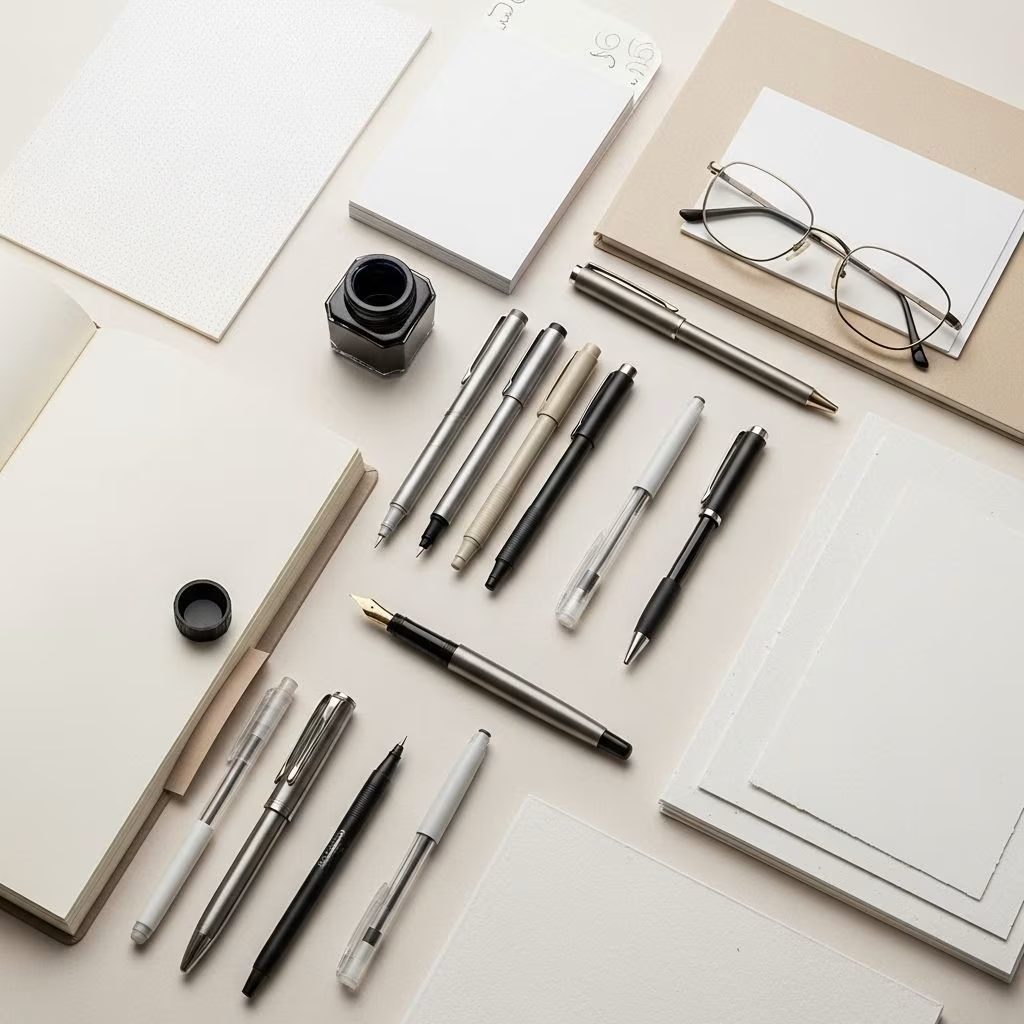
Whether you’re an avid bullet journaler, creative writer, or simply looking to elevate your daily reflections, choosing the right pen and paper can transform your journaling experience. This comprehensive guide compares the best journaling pens and top-rated paper options, so you can build your ideal writing toolkit for 2025.
Why Pen and Paper Choice Matters in Journaling
The joy and success of a journaling habit often hinges on the tactile satisfaction of putting pen to paper. Using the right pen increases comfort and consistency, while compatible paper prevents bleed-through, smudging, and frustration. A well-chosen pen and notebook can:
- Reduce hand fatigue during long sessions
- Enhance creativity and organization with color and crisp lines
- Encourage practice and mindfulness through smooth, deliberate writing
- Protect your work from fading, bleeding, or accidental tampering
Top Journaling Pens Compared (2025)
We evaluated dozens of pens based on smoothness, ink quality, comfort, quick-drying performance, and archival reliability. Here are the leading choices for all journaling needs:
| Pen Model | Type | Key Features | Best For |
|---|---|---|---|
| Pilot G2 Retractable Gel | Gel Pen | Smooth, consistent, 0.7mm tip, vibrant ink, widely available | Everyday journaling, students, planners |
| Lamy Safari Fountain | Fountain Pen | Ergonomic grip, high ink flow, easy to maintain | Mindful writers, fountain pen beginners |
| Sakura Pigma Micron | Fineliner | Archival pigment ink, skip-free, multiple nib sizes & colors | Artists, bullet journalists, archivists |
| Uni-ball Signo 207 | Gel Pen | Pigmented, quick-dry, fraud-resistant ink | Secure records, left-handers, fast writers |
| Zebra Sarasa Clip | Gel Pen | Quick-dry, smooth, many colors | Bullet journaling, artistic notes |
| Staedtler Triplus Fineliner | Fineliner | Triangular barrel, water-based, minimal ghosting | Long writing, color coding |
| Pentel EnerGel RTX | Liquid Gel Pen | Hybrid ink, smooth, no smear | Fast writing, clean lines |
| Faber-Castell Loom | Fountain Pen | Consistent flow, premium build | Luxury journaling, smooth writers |
Evaluating Top Pen Types for Journaling
- Gel Pens: Renowned for their smooth, low-pressure writing and vivid, consistent ink. Minimal skipping makes them favorites for both text and decorative entries.
- Fineliners: Excellent for detailed work, drawing, and ultra-precise writing. They’re generally archival safe, ideal for important records.
- Fountain Pens: Offer flexibility and a sensory, mindful writing experience. Modern designs are beginner-friendly and easily maintained.
- Ballpoint Pens: Durable and versatile, ballpoints are cost-effective, although they may lack the vibrancy and smoothness of gel or fountain pens.
Specialist Pen Types and Their Benefits
Quick-Dry Formula Pens for Left-Handed Writers
Left-handed writers face unique challenges, as smudging is common with slow-drying inks. Zebra Sarasa Clip and Pentel EnerGel RTX feature advanced quick-drying gel formulas that maximize productivity without compromising on vibrancy or smoothness.
- Reduces waiting time between writing and page-turning
- Minimizes drag-and-smear for southpaw writers
Archival-Quality & Fraud-Resistant Ink
For journals intended as keepsakes—or records requiring permanence—choose archival pigment inks like Sakura Pigma Micron or fraud-resistant options like Uni-ball Signo 207. These ensure your writings are tamper-evident and last for decades without fading or bleeding.
Colored Pens for Creative Journaling
- Multiple colors (offered by Zebra, Staedtler, Stabilo, and Paper Mate Flair) can enhance organization and stimulate creativity for bullet journals and art-inspired entries
- Colored coding aids memory, makes task blocks visible, and brings layouts to life
Luxury and Artistic Pens
For creative professionals and enthusiasts, consider premium options like Faber-Castell Loom or Lamy Safari. These combine ergonomic designs with a satisfying ink flow that transforms journaling into a meditative ritual.
Top Journal Paper Brands and Their Performance
No matter how good your pen is, poor paper can spoil the journaling experience. Bleeding, ghosting, and rough textures affect readability and aesthetics. Here are the leading paper options for 2025, noted for their performance and compatibility with popular pen types:
| Brand | GSM (Thickness) | Paper Type | Best Pens | Notes |
|---|---|---|---|---|
| Leuchtturm1917 | 80 | Acid-free, smooth, dotted/ruled/plain | Fineliners, gel, fountain (with care) | Minimal ghosting, variety of formats, classic bullet journal pick |
| Rhodia | 90 | Premium vellum, ultra-smooth | Fountain, gel, fineliner | Superb for ink-heavy pens, fountain pen friendly |
| Archer & Olive | 160 | Ultra-thick, bright white | Any (including markers & paint pens) | No bleeding/ghosting, ideal for creative/art journals |
| Moleskine | 70 | Classic off-white | Ballpoint, gel, light fineliner | Can show ghosting with heavy inks, great for portability |
| Midori MD Notebook | 80 | Smooth Japanese paper | Gel, fountain, ballpoint | Exceptional for fountain pens, minimalist design |
How GSM and Texture Influence Pen Performance
- GSM (grams per square meter): Higher GSM means thicker paper, which resists bleeding and ghosting—ideal for heavy inks, art pens, and layering colors.
- Finish: Smooth paper boosts gel pen and fountain pen performance, while slight tooth or texture is better for pencil and light ballpoint work.
Archival and Environmental Considerations
- Look for acid-free, archival-grade paper to ensure your journals last for years without yellowing
- Top brands frequently offer recycled and responsibly sourced options for environmentally conscious journalers
How to Pair Pens and Paper for the Best Results
Matching the right pen with compatible paper enhances writing comfort, reduces issues like feathering and bleed-through, and helps preserve your journal for years. Here are proven combos:
- Gel Pens + Leuchtturm1917 or Rhodia: Smooth, no smear, excellent for note-taking and bullet journaling. Test for minimal ghosting if layering multiple colors or using highlighters.
- Fineliners + Archer & Olive: Art journalers love this duo, as extra-thick paper ensures even heavy layering won’t bleed.
- Fountain Pens + Rhodia or Midori MD: Best for smooth, consistent ink flow—minimal feathering, no skipping or pooling. Choose fine/extra-fine nibs for lower GSM paper.
- Ballpoint Pens + Moleskine: Light, portable, and versatile for quick, everyday writing.
Factors to Consider When Pairing
- Dry Time: Choose quick-dry pens for left-handed writers or rapid journaling sessions.
- Paper Finish: Ensure the paper is smooth enough for gel and fountain pens, or has mild texture for pencils/felt-tips.
- Color and Ink Preservation: Use archival inks and acid-free paper for memory keeping or art journals intended to last years.
Frequently Asked Questions (FAQs)
What is ‘ghosting’ and how can I avoid it?
Ghosting refers to the faint visibility of ink from the front of a page on its reverse. To avoid, select paper with at least 80 GSM thickness and use fast-drying pens or fine nibs.
Which pen is best for bullet journaling?
The Sakura Pigma Micron is highly recommended due to its variety of nib sizes, fade-resistant pigment ink, and skip-free lines, perfect for structured trackers and artistic flourishes.
What paper is recommended for fountain pens?
Choose paper brands like Rhodia or Midori MD, which handle wet inks well and minimize feathering or bleeding, especially when paired with fine or medium nibs.
How do I prevent ink bleeding?
Opt for acid-free, high-GSM journals, use fast-dry gel pens, or fineliners as they tend to lay down less wet ink. When using fountain pens, avoid highly absorbent paper which draws ink too quickly.
Should I choose dotted, lined, or blank notebooks for journaling?
Personal preference, but dotted notebooks strike a balance for structure and creative layouts, while lined is best for extensive writing, and blank allows for full artistic expression.
Key Takeaways for the Perfect Journaling Setup
- Experiment: Test different pen and paper combinations to match your journaling style.
- Prioritize Comfort: Ergonomic pens and smooth paper reduce hand fatigue for longer sessions.
- Invest in Quality: Archival inks and acid-free papers protect your writing for years to come.
- Consider Organization: Use multiple pen colors to enhance creativity and structure in your journals.
- Green Choices: Many premium brands offer eco-conscious papers for sustainable journaling habits.
With the right pens and paper, every journaling session can become a source of joy, mindfulness, and creativity—so choose tools that inspire you and fit your routines.
References
- https://journalinginsights.com/top-10-best-pens-for-journaling-in-2025/
- https://pageflutter.com/bullet-journal-pens/
- https://getorganizedhq.com/best-pens-for-writing-in-planners/
- https://www.gentlemanstationer.com/best-pens-2025
- https://www.youtube.com/watch?v=4Lao-QLQFo0
- https://printsmitten.com/blogs/news/the-best-pens-for-journaling-and-scrapbooking


