


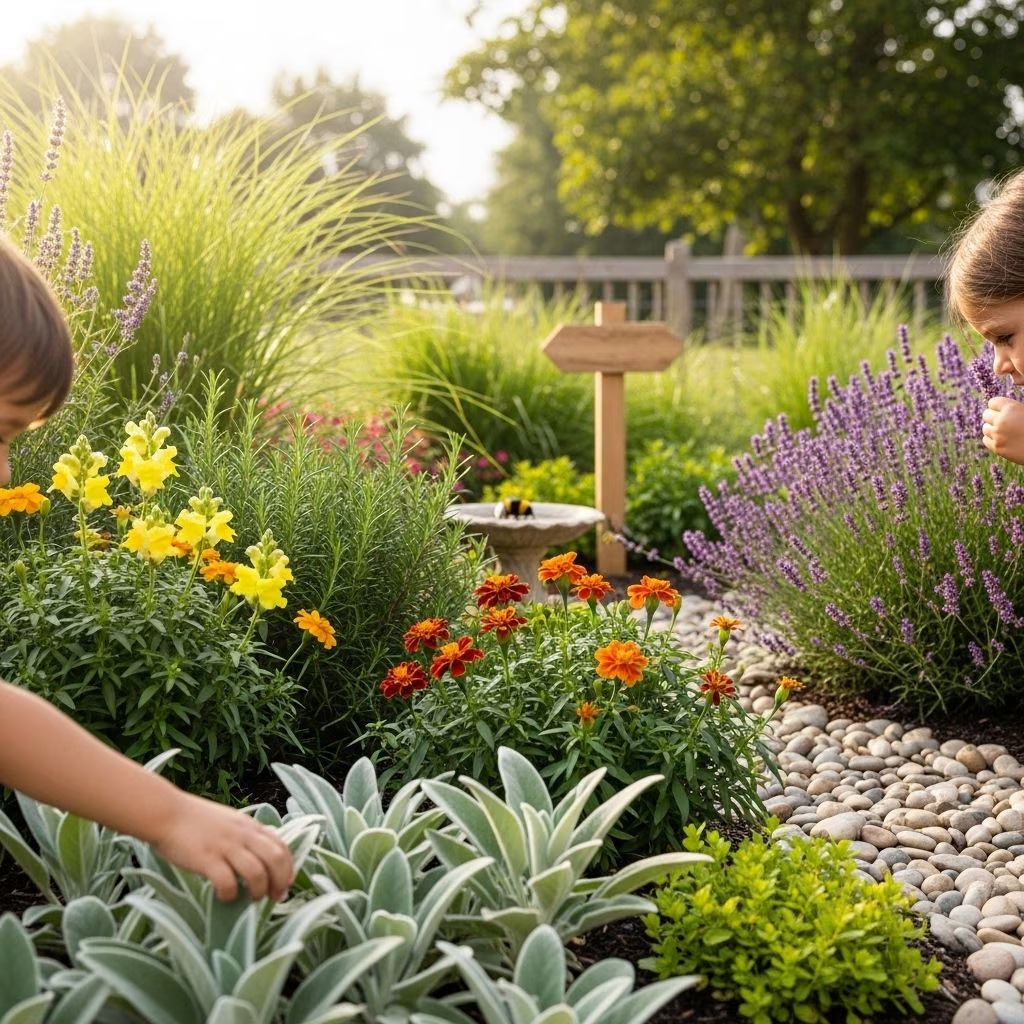
Best Plants for Children’s Outdoor Sensory Garden
Designing an outdoor sensory garden tailored for children creates an environment where nature stimulates, calms, and inspires. By selecting the right plants, you can weave together vibrant color, intriguing textures, relaxing scents, delicious flavors, and lively sounds, transforming the garden into an immersive classroom and playground. This guide covers the most effective plants to engage every sense, key design principles, and frequently asked questions about creating child-friendly sensory gardens.
Introduction: Why Sensory Gardens Matter
A sensory garden is designed to engage all five senses, making it an ideal setting for children to explore the natural world. Unlike traditional gardens, sensory gardens promote hands-on learning and wellbeing, helping children build foundational experiences that support emotional health, cognitive development, and curiosity about the environment.
According to educational and horticultural experts, sensory gardens connect to science, mindfulness, and creativity, making them valuable in schools and homes.
Key Outcomes include:
- Enhanced perception through multisensory activities
- Promotion of mindfulness and stress reduction
- Development of motor skills via planting, harvesting, and exploring
- Improved understanding of biodiversity and seasonal change
Five Senses and Key Benefits
Each sense plays a unique role in children’s engagement with the garden. Choosing plant varieties with diverse shapes, colors, fragrances, textures, and gustatory qualities amplifies the benefits:
| Sense | Benefit | Plant Examples |
|---|---|---|
| Sight | Visual stimulation, pattern recognition | Sunflowers, Tulips, Heuchera, Swiss Chard |
| Sound | Listening skills, awareness | Grasses, Bamboo, Mahonia, Buddleia |
| Touch | Fine motor skills, texture awareness | Lamb’s Ear, Feather Reed Grass, Daisy, Snapdragons |
| Smell | Olfactory memory, emotional regulation | Lavender, Rosemary, Hyacinth, Pine |
| Taste | Healthy eating, palate exploration | Peas, Carrots, Lettuces, Mint |
Best Plants for Sight
Bold colors, dramatic shapes, and changing seasonal displays attract children’s attention and offer endless opportunities for observation and creativity. Research recommends using a variety of hues and visual contrasts to stimulate young eyes as they develop, making the garden fun and educational.
Top visual plants:
- Sunflowers (Helianthus annuus) – Towering yellow blooms rapidly grow, fascinating children with their impressive height and size .
- Tulips (Tulipa) – Provide a splash of spring color, ranging from bold reds and pinks to calming whites .
- Heuchera (Cultivars in vibrant hues) – Offers foliage in shades from lime green to deep purple, enhancing visual variation .
- Swiss Chard, ‘Bright Lights’ (Beta vulgaris) – Edible, with neon stems and glossy leaves; a dual-purpose beauty for sight and taste .
- Purple Pixie® Dwarf Weeping Loropetalum – Rich purple foliage and pink spring flowers, suitable for groundcovers and containers .
- ‘Sunshine’ Ligustrum – Golden-yellow shrub, striking beside purple and red .
- Obsession™ Nandina – Foliage shifts from bright red to changes in green and orange, offering seasonal color change .
- Ornamental Cherry Trees (Prunus serrulata) – Pink and white blossoms signal spring.
- Acers (Maples) – Vivid autumn colors.
Tips for Maximizing Visual Impact
- Layer plants from ground cover to shrubs and trees for depth.
- Group contrasting colors for bold displays.
- Rotate plants seasonally for year-round stimulation.
Best Plants for Sound
Sound is often an overlooked sense in gardens. Welcoming plants that rustle, buzz, or attract wildlife creates a lively and interactive atmosphere. The whisper of leaves and hum of pollinators are not just pleasant—they build listening skills and curiosity.
- Ornamental Grasses (e.g., Feather Reed Grass, Calamagrostis) – Rustling leaves and seed heads catch wind and amplify ambient sound .
- Bamboo – Hollow stalks knock and echo in gusts.
- ‘Soft Caress’ Mahonia – Produces berries for birds; its flowers attract humming pollinators and fluttering wings .
- Butterfly Towers™ Magenta Buddleia – Its long flower spikes attract butterflies and hummingbirds .
Sound Enhancement Ideas
- Cluster pollinator-friendly species for constant bee and bird activity.
- Use large leaf plants or bamboo to create wind “music.”
- Add a water feature or wind chimes for extra sensory input.
Best Plants for Touch
Texture is critical for children’s tactile development. Inviting touch through plants with soft, fuzzy, rough, prickly, or bouncy characteristics helps children build motor skills and learn about the diversity of plant surfaces.
- Lamb’s Ear (Stachys byzantina) – Silky and furry leaves, possibly the most popular tactile plant .
- Yarrow (Achillea millefolium) – Stiff, clustered flowers and soft foliage .
- Daisies (Bellis perennis) – Petals are easy to pluck, encouraging gentle touch .
- Snapdragons (Antirrhinum) – Children can open and close the “mouths” .
- Cockscomb (Celosia) – Velvety blooms; some varieties resemble brains, adding curiosity value .
- Irish moss (Chondrus crispus) – Bouncy and soft groundcover .
- Spider flowers/Jewelweed – Seed pods explode upon touch, offering surprise and delight .
- Ornamental Grasses – Fluffy seed heads are springy and enjoyable to stroke .
Design Tip
- Mix stones and hardscaping among plants for contrast: smooth stones, rough bark, and spiky seed pods.
Best Plants for Smell
Fragrance stimulates memory and emotion, making aromatic plants a cornerstone of sensory gardens for children. Space these plants apart to avoid overwhelming young noses, and use a mix of herbaceous, woody, and floral scents for diversity.
- Lavender (Lavandula) – Calming scent, perfect for borders and pollinators .
- Rosemary (Rosmarinus officinalis) – Pungent foliage, culinary and sensory use .
- Pine (Pinus) – Fresh resinous aroma.
- Hyacinth (Hyacinthus orientalis) – Sweet, intense spring scent.
- Creeping Thyme (Thymus serpyllum) – Aromatic groundcover activated when walked on.
- Lemon Verbena, Chocolate Mint – Edible herbs with distinct smells.
- Nasturtium (Tropaeolum majus) – Delicate aroma; edible flowers.
- Peony (Paeonia) – Heady floral perfume.
- Lilac (Syringa vulgaris) – Strong springtime scent.
Smell Stimulation Strategies
- Let children crush leaves, rub petals, or walk on fragrant groundcovers.
- Alternate subtle and strong scents for variety.
- Incorporate aromatic mulch and pine needles.
Best Plants for Taste
Edible plants turn the sensory garden into a source of healthy snacks and encourage children’s curiosity about where food comes from. Always supervise and label edible and non-edible plants.
- Peas, Broad Beans – Sweet pods and flowers; easy to pick and eat .
- Carrots, Radishes – Crunchy roots; colorful and appealing .
- Lettuces, Swiss Chard – Fast-growing, vibrant greens.
- Chocolate Mint, Lemon Verbena – Unique flavors; perfect in teas and snacks.
- Nasturtium – Edible flowers and leaves; peppery taste.
- Creeping Thyme, Rosemary – Culinary and aromatic appeal.
Edible Garden Safety
- Supervise all harvesting to ensure only safe edible plants are consumed.
- Teach plant identification and safety rules.
- Grow edible plants in separate beds if space permits.
Sensory Garden Design Tips
A well-designed sensory garden balances safety, accessibility, and multisensory plant groupings. For child-friendly layouts:
- Paths: Create winding routes with textured surfaces (wood chips, pebbles, moss).
- Zones: Dedicate zones for each sense, or blend plants that engage multiple senses.
- Height Variety: Mix low groundcovers, mid-height shrubs, and taller elements for scale.
- Accessible Features: Raised beds and containers help children participate in planting and care.
- Wildlife-Friendly: Add birdhouses, butterfly feeders, and pollinator habitats.
- Seasonal Interest: Choose plants that bloom, scent, and fruit at varying times.
Maintenance and Safety in Children’s Gardens
- Regularly inspect for toxic, allergenic, or thorny plants and remove as necessary.
- Use organic practices to keep the garden safe for touching and tasting.
- Train children in gentle handling and plant care, supporting responsibility and respect for nature.
- Label all plants, especially edibles.
- Monitor for stinging insects and allergy risks.
Frequently Asked Questions (FAQs)
Q: How do I choose the best plants for my child’s sensory garden?
A: Select plants that stimulate all five senses, are non-toxic, hardy, and safe for hands-on exploration. Consider your local climate and garden size, and prioritize varieties with multi-season interest.
Q: Are sensory gardens suitable for children with special needs?
A: Yes. Sensory gardens can be customized for accessibility, with wide paths, raised beds, and focused plant selection to create calming or stimulating environments for children with varying needs.
Q: What maintenance is required for a sensory garden?
A: Routine weeding, watering, pruning, and plant health checks keep the garden thriving. Involve children in simple tasks to build responsibility and understanding.
Q: Can I make a sensory garden in a small space?
A: Absolutely. Use containers, vertical gardens, and careful plant selection to maximize sensory experiences even on balconies or patios.
Q: Are there any plants I should avoid?
A: Avoid toxic varieties and those with excessive thorns. Check local guidelines for safe species. Always teach children not to taste or touch unknown plants.
Article researched using resources from RHS, Southern Living Plants, NatureHills, Penn State Extension, KidsGardening, and horticultural education projects.
References
- https://www.rhs.org.uk/education-learning/school-gardening/resources/wellbeing/plants-for-a-sensory-garden
- https://southernlivingplants.com/inspiration-projects/planting-a-kid-friendly-sensory-garden/
- https://naturehills.com/blogs/garden-blog/how-to-create-a-childrens-garden-or-sensory-garden
- https://extension.psu.edu/creating-a-sensory-garden/
- https://kidsgardening.org/resources/growing-guide-sensory-garden-plants/
- https://www.youtube.com/watch?v=pnzKmWXIVZ8
- https://permies.com/t/110778/plants-stimulate-multi-sensory-experience


