


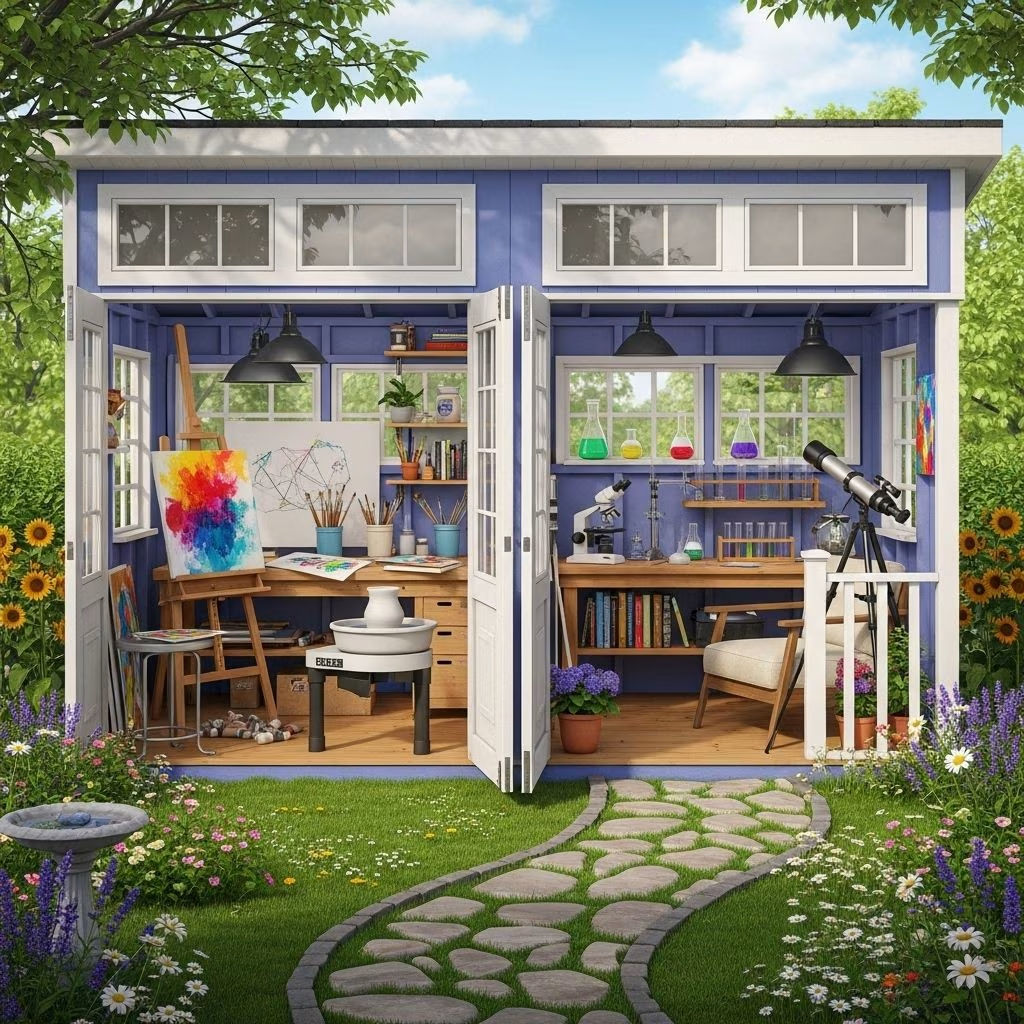
Introduction to Shed Conversion
Converting a shed into an art or science studio offers a unique opportunity to create a dedicated outdoor space that fosters creativity and innovation. This guide provides a comprehensive overview of the process, covering essential steps and considerations to transform your shed into a functional and inspiring workspace.
Choosing the Right Shed Structure
Before starting your conversion project, it’s crucial to assess your shed’s condition and size. Ensure the structure is free from damage, leaks, or rot, and consider the space needed for your specific artistic or scientific activities.
For example, if you plan to work on painting, you might need ample wall space for canvases, while potters require sturdy surfaces for equipment. Deciding whether to convert an existing shed or purchase a new one depends on the shed’s condition and your budget.
Planning Your Studio Design
A well-thought-out design is essential for maximizing the functionality of your studio. Sketch a layout that includes separate zones for different activities, such as painting, crafting, or experimenting. Position your workspace to take advantage of natural light and easy access to tools and supplies.
Consider experimenting with furniture placement and window locations before making physical changes. This will help you visualize the final layout and ensure efficient use of space.
Insulation and Climate Control
To maintain a comfortable working environment, proper insulation is vital. Use techniques such as sealing gaps with spray foam insulation and installing radiant barrier insulation in hot climates or fiberglass batts in colder regions. Climate control systems like heating and cooling units ensure consistent temperatures throughout the year.
For example, radiant barrier insulation can help keep your studio cooler in summer by reflecting sunlight, while fiberglass batts provide warmth in winter.
Electrical Systems and Lighting
Plan for multiple electrical outlets to prevent hazards from extension cords. Install overhead lighting that mimics natural light and task lighting for detailed work. Consider energy-efficient options like LED lights to reduce energy consumption.
The installation of electrical systems should be done by a professional to ensure safety and compliance with local building codes.
Maximizing Natural Light
Natural light is essential for an art or science studio. Consider installing north-facing windows for consistent, indirect light without harsh shadows. Skylights can also flood the space with overhead natural lighting, creating an inspiring atmosphere.
For existing sheds without the potential for new windows, light tubes can be used to channel sunlight from the roof, providing additional natural illumination.
Upgrading Flooring and Wall Surfaces
Choose flooring that is durable and easy to clean, such as vinyl or laminate, for comfort during long creative or scientific sessions. Install drywall or paint existing surfaces with a suitable primer for a clean backdrop. Select light colors to provide a versatile background for your art or experiments.
Storage Solutions
Effective storage is crucial for maintaining organization and minimizing clutter. Install shelving, pegboards, and cabinets to keep supplies accessible. Vertical storage maximizes floor space, while transparent containers make finding supplies quick and easy.
Consider specialized storage for completed works and works-in-progress to protect your investments.
Finishing Touches for Comfort and Inspiration
For a complete and comfortable studio, add decorative elements that inspire your artistic or scientific vision. Consider a utility sink or water station for easier cleanup. Ensure proper ventilation, especially if you work with materials that produce fumes.
Frequently Asked Questions (FAQs)
Q: What is the first step in converting a shed into an art/ science studio?
A: Assess your shed’s condition, size, and suitability for conversion. Ensure it is structurally sound and has enough space for your activities.
Q: How can I ensure my studio stays warm in winter and cool in summer?
A: Install appropriate insulation like fiberglass batts for colder climates and radiant barrier insulation for hotter climates. Use heating and cooling systems to maintain consistent temperatures.
Q: What is the best way to handle electrical installations in a shed conversion?
A: Hire a professional electrician to ensure all electrical systems are installed safely and comply with local building codes.
Conclusion
Converting a shed into an art or science studio is a rewarding project that can enhance your creativity and productivity. By following these steps and considering your specific needs, you can transform an ordinary shed into a vibrant and functional workspace that inspires innovation and creativity.
References
- https://allenportablebuildings.com/how-to-turn-a-shed-into-an-art-studio/
- https://www.waltons.co.uk/blogs/shed-conversion-guides/how-to-turn-shed-into-arts-crafts-studio
- https://stormorsheds.com/how-to-turn-your-storage-shed-into-an-art-studio/
- https://randylemmon.com/how-to-convert-your-outdoor-shed-into-a-hobby-room-or-art-studio/
- https://shedsunlimited.net/blog/backyard-art-studio-sheds-guide/
- https://www.instructables.com/Building-a-Backyard-Artist-Studio/
- https://www.youtube.com/watch?v=3LWKRnlvMtw
- https://shedsunlimited.net/blog/convert-your-outdoor-storage-shed-into-a-home-studio-or-art-room/
- https://www.guardianbooth.com/blog/studio-sheds/


