


Introduction
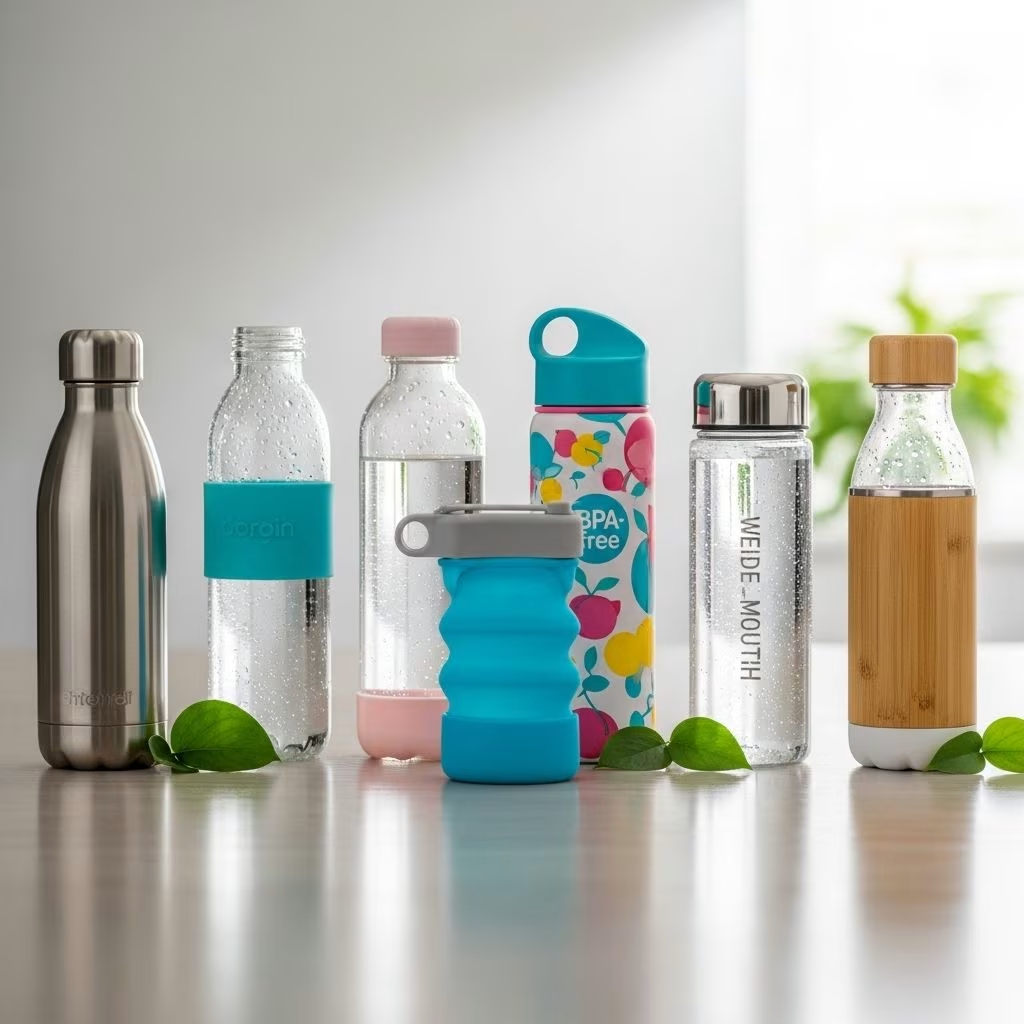
Choosing the right reusable water bottle can be daunting with so many options available in the market. From plastic to stainless steel and glass, each material has its pros and cons. Whether you prioritize durability, eco-friendliness, or affordability, understanding the different types of reusable water bottles is crucial for making an informed decision.
Types of Reusable Water Bottles
Plastic Water Bottles
Plastic is the most commonly used material for water bottles due to its lightweight and affordable nature. However, concerns over plastic waste and potential health risks from BPA have led many consumers to seek alternatives. Types of plastic used include HDPE, PETE, and Tritan copolyester.
- Advantages: Lightweight, inexpensive, and widely available.
- Disadvantages: Not all plastic bottles are recyclable, may not be dishwasher safe, and can contribute to environmental pollution.
Stainless Steel Water Bottles
Stainless steel bottles are popular for their durability and ability to keep drinks hot or cold for hours. They are eco-friendly and can withstand daily wear and tear, making them a favorite among consumers looking for a long-term solution.
- Advantages: Durable, maintains temperature well, and is BPA-free.
- Disadvantages: Can be heavy and expensive compared to some other materials.
Glass Water Bottles
Glass bottles are gaining popularity due to their chemical-free nature and aesthetic appeal. However, they are heavier and more prone to breakage than other options.
- Advantages: Non-toxic, visually appealing, and environmentally friendly.
- Disadvantages: Heavy and may break easily.
Aluminum Water Bottles
Aluminum bottles are lighter and more affordable than stainless steel, but they require a liner to prevent chemical reactions with the liquid. They are a mid-range option in terms of price and durability.
- Advantages: Lightweight, less expensive than stainless steel, and perceived as a higher-quality option than plastic.
- Disadvantages: May dent more easily, requires a liner.
Titanium Water Bottles
Titanium is a premium option known for its extreme durability and lightweight nature. It is corrosion-resistant and more expensive than stainless steel.
- Advantages: Extremely durable, lightweight, and corrosion-resistant.
- Disadvantages: Expensive, limited availability of vacuum-insulated options.
Recycled Materials Water Bottles
Recycled materials, such as recycled plastic or steel, are becoming increasingly popular for their eco-friendly benefits. They help reduce waste and contribute to a more sustainable future.
- Advantages: Reduces waste, supports sustainability.
- Disadvantages: May be more expensive, limited availability for certain materials.
Materials and Safety
When choosing a reusable water bottle, safety should be a top priority. Materials like stainless steel and glass are generally considered safe, while plastics may contain BPA or other chemicals. Aluminum and titanium are also safe options when properly lined.
| Material | Safety Level | Key Features |
|---|---|---|
| Stainless Steel | Safest | Durable, BPA-free, temperature retention |
| Glass | Safest | Non-toxic, aesthetic, prone to breakage |
| Aluminum | Generally Safe | Lightweight, requires liner |
| Titanium | Safest | Durable, corrosion-resistant, expensive |
| Plastic | Variable | Lightweight, affordable, potential health risks |
Eco-Friendliness and Sustainability
Reusable water bottles are inherently eco-friendly by reducing single-use plastic waste. However, the choice of material and production process can impact the environmental footprint. Opting for recycled materials or sustainably sourced materials supports a more circular economy.
Brand Recommendations
Some popular brands for reusable water bottles include Yeti, Hydro Flask, and S’well for their durability and style. For those looking for more sustainable options, brands using recycled materials are worth considering.
Frequently Asked Questions (FAQs)
Q: Which material is safest for reusable water bottles?
A: Stainless steel and glass are generally considered the safest materials due to their non-toxic nature and resistance to chemical leaching.
Q: Are all reusable water bottles eco-friendly?
A: While reusable bottles reduce plastic waste, the eco-friendliness can vary depending on the material and production process. Opting for recycled or sustainably sourced materials enhances their environmental benefits.
Q: How do I maintain my reusable water bottle?
A: Regularly washing and drying your bottle is crucial. Some materials may require specific cleaning methods, so always check the manufacturer’s instructions.
References
- https://www.bulletinbottle.com/blog/faqs/water-bottle-materials-which-option-is-best/
- https://corkcicle.com/blogs/drinkware/steel-vs-plastic-vs-glass-water-bottles
- https://www.bottlepro.net/hydration-blog/what-is-the-safest-water-bottle-material-7-materials-ranked
- https://sustainability.mit.edu/article/stuff-versus-stuff-which-water-bottle
- https://www.youtube.com/watch?v=z6_4z0pGIeQ
- https://www.theperfectwater.com/blog/post/4-types-of-reusable-water-bottles
- https://branchbasics.com/blogs/healthy-living/choosing-safe-water-bottles
- https://splitflask.com/blogs/news/safest-water-bottle-material


