


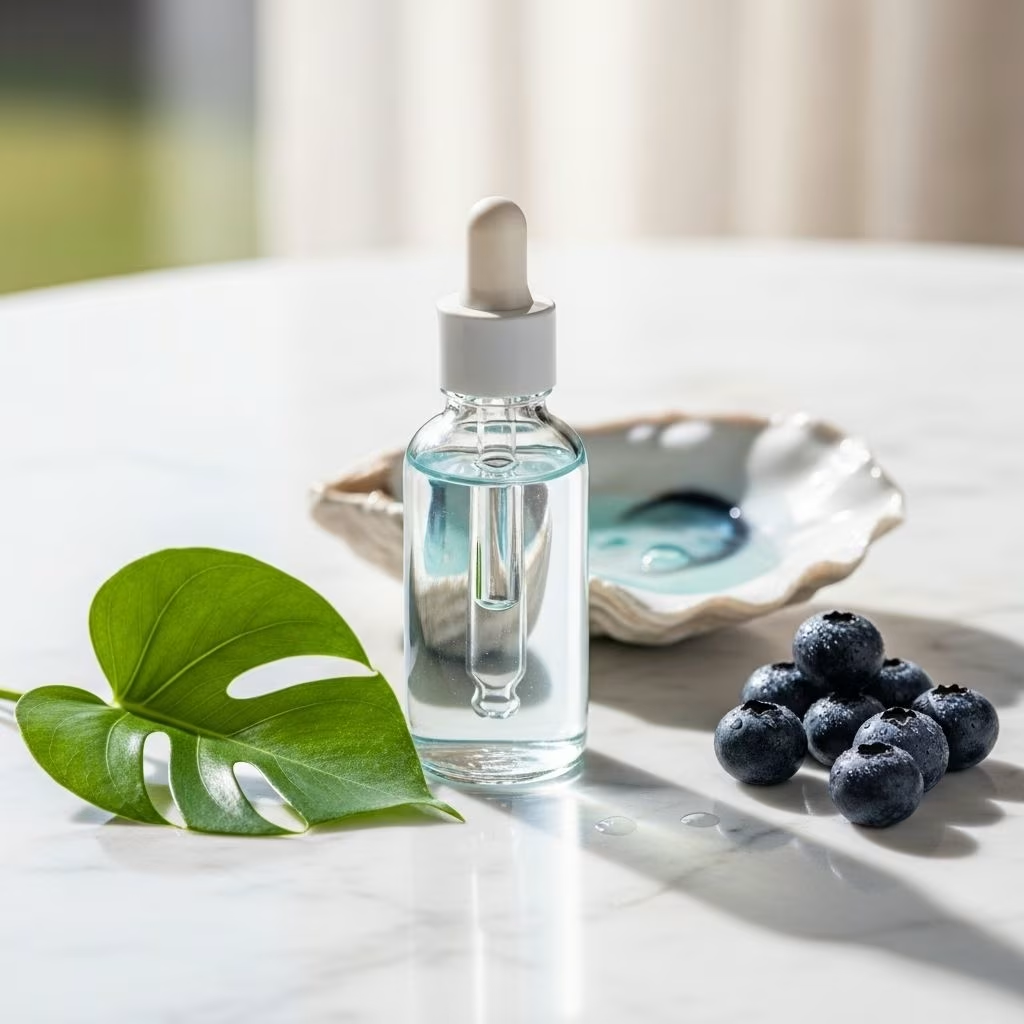
Combination skin, marked by an oily T-zone and drier cheeks, is a common challenge that complicates the quest for facial balance. The question arises: can one serum suffice for both zones, or do you need separate treatments? This comprehensive guide explores the science, ingredients, and practical solutions for those seeking radiant, untarnished skin without multiplying steps—or products—in their routine.
Understanding Combination Skin: T-Zone vs Cheeks
To answer the question of one serum for both zones, it’s crucial to understand what differentiates the T-zone from the cheeks and why each requires special care:
- T-zone: Includes the forehead, nose, and chin. This area harbors more sebaceous glands and thus produces excess oil (sebum), leading to shine and a higher propensity for acne and clogged pores.
- Cheeks: Usually drier, as they have fewer oil glands and lose moisture more quickly, often resulting in flakiness, tightness, and discomfort.[10]
This complex skin landscape means a product that addresses both oiliness and dryness—without exacerbating either—is highly coveted in the skincare world.
The Role of Face Serums
Serums are concentrated skincare products designed to deliver high levels of active ingredients efficiently. Their lightweight, fast-absorbing texture enables them to penetrate deeper into the skin than traditional moisturizers.
- Targeted action: Formulas focus on concerns like hydration, acne, brightness, or aging.
- Quick absorption: Ideal for layering, suitable for combination skin as they don’t feel greasy.
- Active-rich: Higher concentration of beneficial ingredients per application.
When thoughtfully formulated, serums can help balance hydration, support a healthier skin barrier, address oiliness, and promote an even skin tone—all in one product.
Key Serum Ingredients for T-Zone and Cheeks
A serum for mixed skin must balance hydrating and oil-regulating actives while avoiding harsh components that might either strip or clog delicate facial areas. Here are the top ingredient classes to look for:
| Ingredient | Benefit for T-Zone | Benefit for Cheeks |
|---|---|---|
| Niacinamide | Regulates oil, minimizes pores | Enhances moisture retention |
| Hyaluronic Acid | Non-greasy hydration | Deeply hydrates, plumps skin |
| Vitamin C | Antioxidant, brightens tone | Supports barrier, combats dullness |
| Green Tea Extract | Anti-inflammatory, reduces oil | Soothes sensitivity, protects from pollutants |
| AHA (Alpha Hydroxy Acids) | Exfoliates dead cells, prevents clogged pores | Improves texture, promotes cell renewal |
| Peptides | Promotes firmness, supports renewal | Reduces fine lines, firms skin |
- Niacinamide (Vitamin B3): Especially versatile, as it both strengthens the skin barrier and controls sebum production.
- Hyaluronic Acid: Draws moisture into the skin without clogging pores; hydrates both oily and dry zones without heaviness.
- Vitamin C and Antioxidants: Protect from pollution-induced stress and help even skin tone across the whole face.
Can One Serum Really Work for Both?
The short answer is: Yes, but only if carefully formulated. Many modern serums are developed for combination and multi-concern skin. The key is identifying formulas that provide light, non-comedogenic hydration, address inflammation and excess oil, and support the skin barrier to soothe dryness.
Several reputable brands—including formulas backed by dermal research—provide all-in-one solutions.
For example: The Olay Super Serum leverages niacinamide, vitamin C, peptides, AHAs, and vitamin E—a blend designed for better skin texture, lasting hydration, and oil balance without heaviness.
If a serum is labelled for ‘all skin types’ and contains balanced actives (not too oily, not too drying), it can help both T-zone and cheeks in a single step.
However, some with extremes of oiliness or dryness might still benefit from spot-treating or layering serums only in specific areas (see Application Strategies).
Ingredient Needs: T-Zone vs Cheeks
| Region | Common Concerns | Ideal Serum Ingredients |
|---|---|---|
| T-Zone | Oily, shiny, large pores, breakouts |
|
| Cheeks | Dryness, flakiness, sensitivity, fine lines |
|
The challenge lies in ensuring oil-control agents (like AHAs or niacinamide) do not excessively dry the cheeks, while hydrating agents (like hyaluronic acid, peptides, and vitamins) do not make the T-zone greasy or clog pores.
Dermatologist Insights & Real-World Tips
Expert consensus generally agrees:
- Patch test all serums to prevent unexpected irritation, especially for sensitive cheeks.
- Prioritize non-comedogenic and fragrance-free options for combination skin, limiting potential for breakouts.
- Layering is allowed. If you find one serum isn’t sufficient for both areas, consider ‘zoning’: applying a light serum all over, then layering a specialized product on the area that needs extra oil or dry control.[10]
- Sun protection remains essential. Many serum ingredients (AHAs, vitamin C) can make the skin more sun-sensitive. Always use a broad-spectrum sunscreen after serum, regardless of skin type.
In cases of severe acne, persistent irritation or very dry cheeks, consult a dermatologist before introducing new serums or actives.
Building a Routine: Application Strategies
Here is how to integrate a multi-tasking serum for optimal results:
- Cleanse with a gentle, pH-balanced face wash to remove excess oil without stripping moisture.
- Tone if needed (optional step). Green tea toners are especially helpful for calming the T-zone.
- Apply the serum to your entire face, using gentle, upward strokes. Let it absorb fully before proceeding.
- Moisturize if needed: Opt for a lightweight, oil-free moisturizer for the T-zone and a richer cream for cheeks if still dry.[10]
- Sun protection: Finish with broad-spectrum SPF every morning.
Pro tip: If your skin has pronounced differences between zones, use just one thin layer of serum all over, but dab an extra drop on areas needing special attention (such as dry cheeks or a shiny nose).
Top Multifunctional Serums and Formulas
- Olay Super Serum: Combines five benefits—better texture, hydration, even tone, smoother lines, and firmer feel—ideal for combination skin.
- T-Zone Balance Hydrating Serum: Features hyaluronic acid, vitamin C, green and white tea for oil control and hydration.
- Products with Niacinamide + Hyaluronic Acid: Tend to be lightweight and suit both oily and dry zones, supporting moisture without clogging pores.
- Antioxidant Serums: Formulated with vitamins C and E, fight environmental damage while aiding in tone and barrier repair.
Always verify your serum’s label for “for all skin types”, “non-comedogenic”, and a focus on multiple benefits to ensure suitability for both zones.
Frequently Asked Questions (FAQs)
Q: Is it better to use two separate serums for the T-zone and cheeks?
A: For those with very oily T-zones and very dry cheeks, using two targeted serums can optimize results. However, modern multi-ingredient serums can often manage both with less fuss and risk of ingredient overload. Zoning (targeted application) is also a practical compromise.[10]
Q: Can a serum for oily skin dry out my cheeks?
A: It depends on the formula. Strong oil-control serums (with high concentrations of acids or astringents) risk drying the cheeks. Opt for serums with balanced ingredients like niacinamide and hyaluronic acid to avoid this issue.
Q: Will hydrating serums make my T-zone oilier?
A: Hydrating agents like hyaluronic acid are water-binding, not oil-based, and will not make the T-zone greasy. Heavier serums with oils or butters should be avoided for this area.
Q: Are serums better than creams for combination skin?
A: Serums are generally lighter, less likely to clog pores, and deliver active ingredients more efficiently. For those with combination skin, serums provide targeted benefits without compromising comfort.
Q: Can I only use a serum and skip moisturizer?
A: Serums deliver actives but do not always provide lasting moisture seal. For combination skin, a lightweight moisturizer after your serum can further protect dry areas without overloading oily ones. In humid climates or for oilier skin, serum alone may be sufficient.
Conclusion: Balancing Acts
Managing combination skin is an ongoing process of balance, patience, and diligent product selection. Fortunately, the rise of smartly formulated serums now makes it possible for many people to care for their entire face—including the oily T-zone and dry cheeks—with just one product. Look for lightweight, multi-benefit serums rich in niacinamide, hyaluronic acid, and antioxidants; always monitor your skin’s response, and don’t hesitate to adapt application strategies as needed. With the right approach, a single serum can indeed deliver comprehensive radiance—one bottle, two zones, balanced results.
References
- https://www.olay.com/super-serum
- https://www.nivea.co.uk/advice/skin/what-does-serum-do-for-your-face
- https://www.healthline.com/health/t-zone-face
- https://www.cerave.com.au/blog/everyday-skin-care/what-is-a-facial-serum
- https://us.comfortzoneskin.com/blogs/blog/the-ultimate-guide-to-understanding-the-benefits-of-face-serums
- https://www.paulaschoice.com/expert-advice/skincare-advice/face-serums/why-you-should-consider-using-a-serum.html
- https://www.repechage.com/products/t-zone-balance-hydrating-serum-with-hyaluronic-acid-and-vitamin-c
- https://drsabrina.com/blogs/skin-care/how-to-use-face-serum
- https://prose.com/blog/best-face-serum
- https://www.sinyderm.com/blog/the-ultimate-guide-to-skincare-for-different-skin-types


