


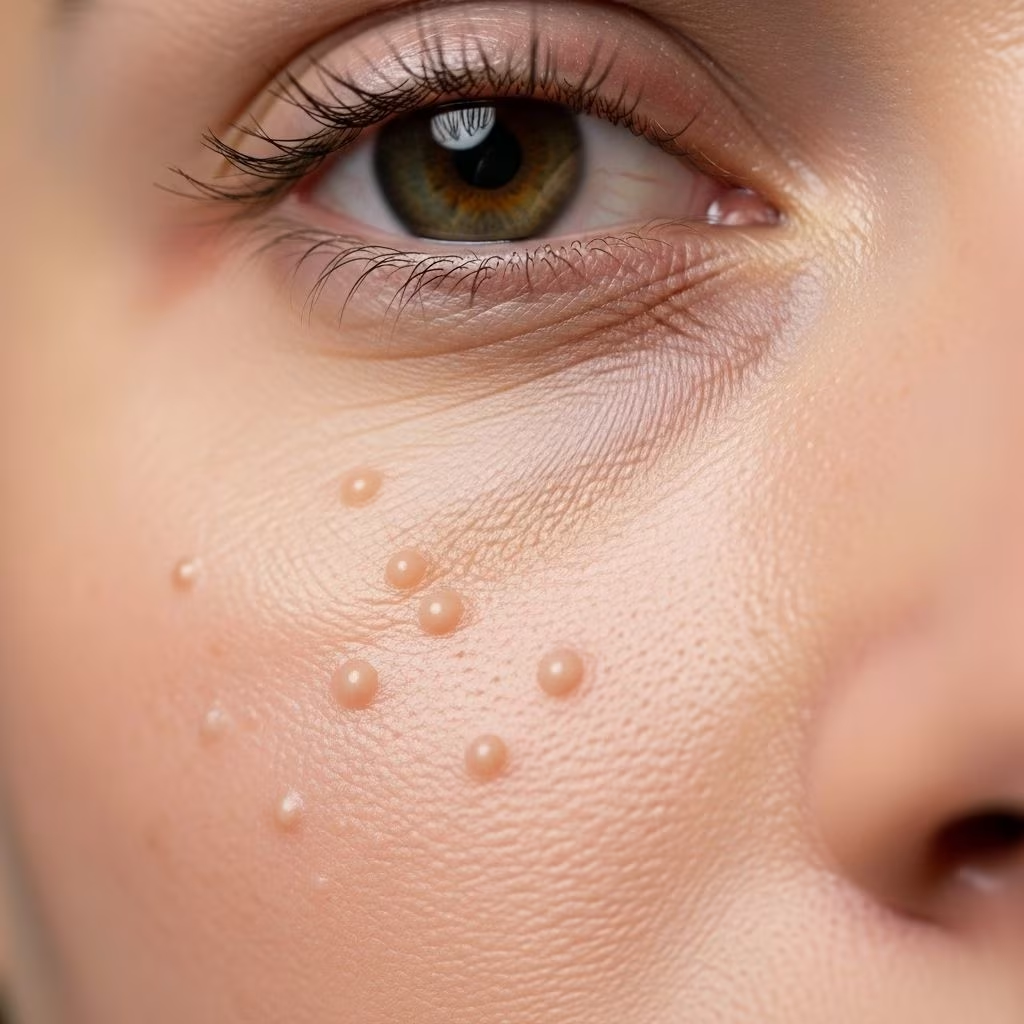
Milia bumps are one of the most common yet misunderstood skin conditions affecting people of all ages. These tiny white or yellowish bumps frequently appear on the upper cheeks and around the eyes, causing cosmetic concerns for many individuals. While they are completely harmless and painless, understanding what causes milia and how to manage them effectively can help you maintain clear, healthy-looking skin.
These small cysts, often mistaken for whiteheads or acne, have a distinct appearance and origin that sets them apart from other skin blemishes. Unlike acne, milia are not caused by hormonal fluctuations or inflammation, and they require different treatment approaches. This comprehensive guide will explore everything you need to know about milia bumps, particularly those appearing on the upper cheeks and eye area.
Understanding Milia: What Are These Tiny White Bumps?
Milia are small, dome-shaped cysts that appear as white or yellowish bumps on the skin surface. Each individual bump, called a milium, typically measures between 1 to 2 millimeters in diameter. They have a characteristically hard texture and are often referred to as milk spots or oil seeds due to their appearance.
These benign cysts form when keratin, a protein that naturally protects your skin and hair, becomes trapped beneath the outer layer of skin. Instead of shedding normally as part of the skin’s natural renewal process, dead skin cells and keratin get encased at the base of a hair follicle or sweat gland, creating a small raised bump that resembles a tiny pearl under the skin.
Milia affect approximately 40% to 50% of newborns, making them extremely common in infants. However, they can develop in children, teenagers, and adults at any age. The condition affects people of all races, ethnicities, and genders equally, though certain risk factors may make some individuals more susceptible than others.
Why Milia Commonly Appear on Upper Cheeks and Around Eyes
The upper cheeks and eye area are particularly prone to developing milia for several important reasons. The skin around the eyes is notably thinner and more delicate than skin on other parts of the face, making it more susceptible to keratin entrapment. This area also contains numerous hair follicles and sweat glands where milia typically form.
The upper cheek region experiences significant sun exposure, which can make the skin rough and leathery over time. This sun damage makes it more difficult for dead skin cells to rise to the surface and shed normally through the natural exfoliation process. When this cellular turnover is disrupted, keratin and dead skin cells accumulate beneath the surface, creating the perfect conditions for milia formation.
Additionally, the skin around the eyes and on the upper cheeks is frequently exposed to cosmetic products, including eye creams, moisturizers, and makeup. Products that are too heavy or comedogenic can inadvertently clog pores and contribute to milia development in these sensitive areas. The combination of delicate skin, sun exposure, and product use makes the upper face particularly vulnerable to these small cysts.
Primary Types of Milia and Their Characteristics
Understanding the different types of milia can help identify what you’re dealing with and determine the most appropriate treatment approach. Medical professionals categorize milia into several distinct types based on their cause and presentation.
Neonatal Milia appear on newborn babies and are commonly called milk spots. These develop because infant sweat glands haven’t fully matured yet and become blocked easily. Neonatal milia typically resolve on their own within a few weeks without any intervention required.
Primary Milia can develop in both children and adults without any apparent cause or preceding skin trauma. In children, these bumps often disappear without treatment. However, in adults, primary milia tend to persist longer and may become permanent if left untreated. They most commonly appear on the eyelids, cheeks, forehead, nose, and chin.
Secondary Milia develop in areas where the skin has experienced injury, trauma, or damage. This type can result from burns, blistering injuries like poison ivy, certain blistering skin conditions, skin resurfacing procedures such as dermabrasion or laser treatments, or long-term use of steroid creams. The trauma damages sweat glands in the affected area, leading to keratin entrapment.
Milia en Plaque represents a rarer form where multiple milia develop on a raised, inflamed patch of skin called a plaque. This type typically affects middle-aged women and may be associated with certain autoimmune conditions.
Multiple Eruptive Milia is another uncommon type where numerous milia appear in clusters over a period of weeks or months. This form most frequently develops on the face, upper arms, and upper torso.
Identifying Milia: Key Signs and Symptoms
Recognizing milia is relatively straightforward once you know what to look for. These bumps have distinctive characteristics that differentiate them from other common skin conditions like acne or sebaceous hyperplasia.
Milia appear as small white-to-yellow, dome-shaped bumps on the skin surface. They are firm to the touch and have a pearly appearance. Unlike acne, milia are not red, inflamed, or painful. They don’t itch, cause discomfort, or show any signs of infection under normal circumstances.
The bumps can appear individually or in clusters, especially around the eyes, on the cheeks, nose, chin, and forehead. On the upper cheeks and around the eyes, they often form in groups, creating a scattered pattern across these facial zones. Each bump maintains its distinct appearance without merging with neighboring cysts.
It’s important to note that milia don’t have an opening on the skin surface like a whitehead does. This is because they form beneath the skin layer rather than in a pore, making them impossible to extract through normal squeezing or popping. Any attempt to remove them without proper tools and technique can result in scarring or infection.
Root Causes and Risk Factors for Milia Development
While the exact mechanisms behind milia formation aren’t completely understood, researchers have identified several contributing factors and risk factors that increase susceptibility to these bumps.
The fundamental cause involves the skin’s natural shedding process going awry. Normally, your body continuously sheds dead skin cells to make way for fresh new ones. When dead skin cells don’t fall away properly, they become trapped under new skin, harden, and form a milium. This disruption in the natural exfoliation cycle is the primary mechanism behind milia formation.
Several specific factors can trigger or contribute to milia development. Chronic sun exposure damages the skin, making it thicker and rougher, which interferes with normal cell shedding. Long-term use of topical steroid medications can alter skin structure and function, increasing milia risk. Genetic predisposition plays a role, as some individuals inherit a tendency to develop these cysts.
Certain autoimmune conditions have been associated with increased milia occurrence. Poor skincare habits, including inadequate cleansing or using inappropriate products for your skin type, can contribute to keratin buildup. Using heavy, pore-clogging cosmetics or makeup products creates an environment conducive to milia formation, especially around the delicate eye area and upper cheeks.
Insufficient sleep affects overall skin health and regeneration, potentially slowing the natural exfoliation process. Pre-existing skin conditions like dandruff, rosacea, or eczema can compromise skin barrier function and increase vulnerability to milia. Additionally, as cellular turnover naturally slows with age, mature skin becomes more susceptible to recurring milia, particularly in adults over 40.
Distinguishing Milia from Other Skin Conditions
Because milia can resemble other common skin conditions, proper identification is crucial for appropriate treatment. Understanding these differences prevents ineffective treatment attempts and potential skin damage.
Milia versus whiteheads represents the most common confusion. While both appear as small white bumps, whiteheads are a form of acne caused by clogged pores filled with sebum and bacteria. Whiteheads have a visible opening and can be extracted, whereas milia form beneath the skin without an opening. Whiteheads may be tender or inflamed, while milia are always painless and non-inflammatory.
Syringomas are another condition sometimes mistaken for milia, particularly around the eyes. These are benign tumors of sweat glands that appear as small, flesh-colored or yellowish bumps. They’re typically larger than milia and have a slightly different texture, though professional evaluation may be needed to distinguish between them.
Sebaceous hyperplasia creates small, yellowish bumps with a central depression, most common in adults with oily skin. These represent enlarged oil glands rather than keratin cysts and typically appear larger than milia with a different surface texture.
Closed comedones, another form of acne, may look similar to milia but result from blocked pores containing sebum and dead skin cells. They respond to acne treatments, whereas milia do not.
Professional Treatment Options for Milia Removal
While milia don’t require treatment from a medical standpoint, many people choose to have them removed for cosmetic reasons. Professional treatments offer the safest and most effective removal methods, particularly for bumps around the delicate eye area.
Manual Extraction remains the most common and immediate treatment method. A dermatologist or trained skincare professional uses a sterile blade, needle, or lancet to create a tiny opening in the skin over each milium. They then use a specialized tool called a comedone extractor to gently remove the trapped keratin. This procedure provides instant results with minimal discomfort and typically doesn’t require anesthesia for small areas.
Topical Retinoid Creams offer a non-invasive treatment approach. Prescription retinoids like tretinoin, tazarotene, or adapalene work by increasing cellular turnover and promoting exfoliation. These medications gradually help the trapped keratin work its way to the surface over several weeks or months. Retinoids can be particularly useful for preventing new milia formation but require patience and consistent use.
Chemical Peels utilize various acids to remove the outer layers of skin, allowing trapped keratin to escape. A series of professional chemical peels, typically using glycolic acid, salicylic acid, or other exfoliating agents, can effectively address milia while improving overall skin texture and tone. Multiple sessions are usually needed for optimal results.
Microdermabrasion involves mechanically exfoliating the skin’s surface using fine crystals or a diamond-tipped wand. This treatment removes dead skin cells and can help release trapped keratin. Like chemical peels, multiple sessions provide the best outcomes, and the procedure offers the added benefit of improving skin texture and minimizing fine lines.
Laser Treatment represents an advanced option for stubborn or extensive milia. Certain laser types can create precise openings in the skin to release keratin or vaporize the cysts entirely. This method works well for delicate areas like around the eyes where manual extraction might be more challenging.
Home Care and Prevention Strategies
While professional treatment offers the most effective removal, implementing proper skincare habits can prevent new milia from forming and may help existing bumps resolve naturally over time.
Establishing a consistent cleansing routine forms the foundation of milia prevention. Wash your face twice daily with a gentle, non-comedogenic cleanser suitable for your skin type. Pay special attention to the upper cheeks and eye area, removing all makeup, sunscreen, and environmental pollutants that can contribute to keratin buildup.
Regular exfoliation helps maintain healthy cellular turnover and prevents dead skin cell accumulation. Use gentle chemical exfoliants containing alpha-hydroxy acids like glycolic or lactic acid, or beta-hydroxy acids like salicylic acid. Apply these products 2-3 times weekly, being careful around the delicate eye area. Avoid harsh physical scrubs that can damage skin and potentially trigger secondary milia.
Choose skincare and makeup products carefully. Select non-comedogenic, oil-free formulations that won’t clog pores or contribute to keratin entrapment. This is especially important for eye creams and products applied to the upper cheek area. Lightweight, gel-based moisturizers often work better than heavy creams for milia-prone skin.
Sun protection is crucial for preventing the skin damage that contributes to milia formation. Apply a broad-spectrum sunscreen with SPF 30 or higher daily, even on cloudy days. Sun damage makes skin thick and rough, interfering with normal exfoliation and creating conditions favorable for milia development.
Stay hydrated and maintain overall skin health through proper nutrition, adequate sleep, and stress management. These factors support healthy skin function and natural cellular renewal processes.
What Not to Do: Avoiding Common Mistakes
Understanding what to avoid is just as important as knowing proper care techniques when dealing with milia on the upper cheeks and around the eyes.
Never attempt to squeeze, pick, or pop milia at home. Unlike pimples or whiteheads, milia don’t have an opening and can’t be extracted without proper tools and technique. Attempting home removal almost always results in skin damage, potential scarring, or infection, particularly in the delicate eye area where skin is thin and easily injured.
Avoid using overly aggressive exfoliation methods or products. While gentle exfoliation helps, harsh scrubbing, rough washcloths, or abrasive scrubs can damage the skin barrier and potentially cause trauma that leads to secondary milia formation. The skin around the eyes requires especially gentle treatment.
Don’t use heavy, occlusive skincare products or makeup on milia-prone areas. Rich night creams, heavy foundations, and oil-based products can exacerbate the problem by further trapping keratin beneath the skin surface. Check product labels and opt for non-comedogenic formulations specifically designed not to clog pores.
Resist the temptation to self-diagnose and treat without professional guidance if you’re unsure whether bumps are actually milia. Other conditions requiring different treatments can appear similar, and incorrect treatment may worsen the situation or delay appropriate care.
When to Seek Professional Evaluation
Most milia are harmless and don’t require medical attention from a health standpoint. However, certain situations warrant consulting a dermatologist or healthcare provider.
Seek professional evaluation if bumps on your upper cheeks or around your eyes become red, inflamed, painful, or begin leaking fluid. These symptoms suggest a different condition such as acne, an infection, or another skin disorder requiring specific treatment.
If milia appear suddenly in large numbers, particularly if you haven’t experienced them before, professional assessment can help determine whether an underlying condition is contributing to their development. Multiple eruptive milia or milia en plaque may indicate a health issue requiring attention.
When milia persist for many months without improvement despite proper skincare, or if they’re causing significant cosmetic distress, a dermatologist can provide professional removal and prevention strategies. This is particularly relevant for bumps around the eyes, where self-treatment poses greater risks.
If you’re uncertain whether bumps are milia or another condition, professional diagnosis ensures appropriate treatment. Conditions like syringomas, sebaceous hyperplasia, or certain types of acne require different management approaches.
Long-Term Management and Expectations
Managing milia, particularly on the upper cheeks and around the eyes, requires realistic expectations and often ongoing attention to skincare practices.
In infants, milia typically resolve completely within a few weeks to months without any treatment. The condition rarely recurs once the baby’s skin matures and normal functioning establishes itself.
For adults, the outlook varies depending on the underlying cause and individual factors. Primary milia may persist indefinitely without professional removal, though some eventually resolve on their own after months or years. Secondary milia often improve once the underlying skin condition is addressed or the causative factor is eliminated.
Even after successful professional removal, new milia can develop, especially in individuals with predisposing factors like sun-damaged skin, genetic susceptibility, or certain skincare habits. This makes prevention strategies and proper maintenance essential for long-term management.
Implementing consistent skincare practices focused on gentle exfoliation, appropriate product selection, and sun protection can significantly reduce recurrence rates. Many people find that regular professional treatments, such as periodic chemical peels or microdermabrasion sessions, help keep milia at bay while maintaining overall skin health and appearance.
Special Considerations for the Eye Area
The skin around the eyes requires particular attention and care when dealing with milia due to its unique characteristics and sensitivity.
This area features the thinnest skin on the entire body, making it more delicate and vulnerable to damage. The proximity to the eyes themselves means extra caution is essential during any treatment or skincare application. Products and treatments that work well on other facial areas may be too harsh for the eye region.
When applying exfoliating products, avoid getting them directly on the eyelids or too close to the lash line. Use products specifically formulated for the eye area, which typically have gentler concentrations of active ingredients. Apply eye creams with a light tapping motion using your ring finger, which naturally applies less pressure than other fingers.
For milia on the eyelids or directly under the eyes, professional removal is strongly recommended over any home treatment attempts. The risks of injury, scarring, or accidental eye trauma are too significant to attempt self-treatment in this delicate area.
Choose eye makeup and removers carefully, selecting oil-free, non-comedogenic formulations. Always remove eye makeup thoroughly before bed using gentle techniques that don’t tug or pull on the delicate skin, as this can contribute to both milia formation and premature aging.
Frequently Asked Questions
Are milia bumps on the upper cheeks and eyes contagious?
No, milia are not contagious. They cannot be spread from person to person through contact or by sharing personal items like towels or makeup. Milia are caused by trapped keratin beneath the skin surface, not by bacteria, viruses, or other infectious agents.
How long does it take for milia to go away naturally?
The timeline varies considerably. In newborns, milia typically disappear within a few weeks to months without treatment. In adults, primary milia may persist for months or even years, and some may never resolve without professional intervention. Secondary milia often improve once the underlying cause is addressed.
Can I prevent milia from forming around my eyes?
While you cannot completely prevent milia, you can significantly reduce your risk by using gentle, non-comedogenic eye products, avoiding heavy creams around the eye area, protecting your skin from sun damage with daily SPF, and maintaining a consistent skincare routine with regular gentle exfoliation. However, some individuals are more prone to milia due to genetic factors.
Do over-the-counter acne treatments work on milia?
Traditional acne treatments like benzoyl peroxide or salicylic acid spot treatments are generally ineffective for milia because they work differently than acne. However, products containing retinoids or exfoliating acids used consistently over time may help by promoting cellular turnover. Professional treatment remains the most effective removal method.
Is it safe to use retinol around the eyes for milia?
Retinol can be used around the eyes but requires caution due to the area’s sensitivity. Start with a low concentration specifically formulated for the eye area, apply only to the orbital bone (not the eyelid), and use it just a few times per week initially. If irritation occurs, discontinue use and consult a dermatologist for alternatives.
How much does professional milia removal cost?
Costs vary depending on location, provider, number of milia, and treatment method. Manual extraction typically ranges from 75 to 250 dollars per session. Chemical peels or microdermabrasion sessions may cost 100 to 300 dollars, with multiple sessions often needed. Since milia removal is cosmetic, insurance typically doesn’t cover the procedure.
Can makeup cover milia effectively?
Makeup can help minimize the appearance of milia, though it won’t completely hide the texture. Use a lightweight, non-comedogenic primer followed by a matte foundation applied with a damp beauty sponge for the smoothest finish. Avoid heavy, thick makeup that can make bumps more noticeable and potentially contribute to new milia formation.
Are there any natural remedies that work for milia?
While some people claim success with natural remedies like honey, tea tree oil, or rose water, there’s limited scientific evidence supporting their effectiveness for milia removal. These methods are unlikely to harm skin when used properly but may not produce results. Gentle exfoliation and proper skincare remain more reliable approaches, with professional treatment offering the most effective solution.
References
- https://www.webmd.com/skin-problems-and-treatments/what-to-know-about-milia
- https://www.bakersfielddermatology.com/medical-dermatology/milia/
- https://www.allaboutvision.com/conditions/milia/
- https://www.sknclinics.co.uk/conditions/milia
- https://skinsight.com/skin-conditions/milia/
- https://www.healthline.com/health/milia-under-eyes
- https://vitalskinderm.com/conditions/milia
- https://my.clevelandclinic.org/health/diseases/23321-syringoma


