


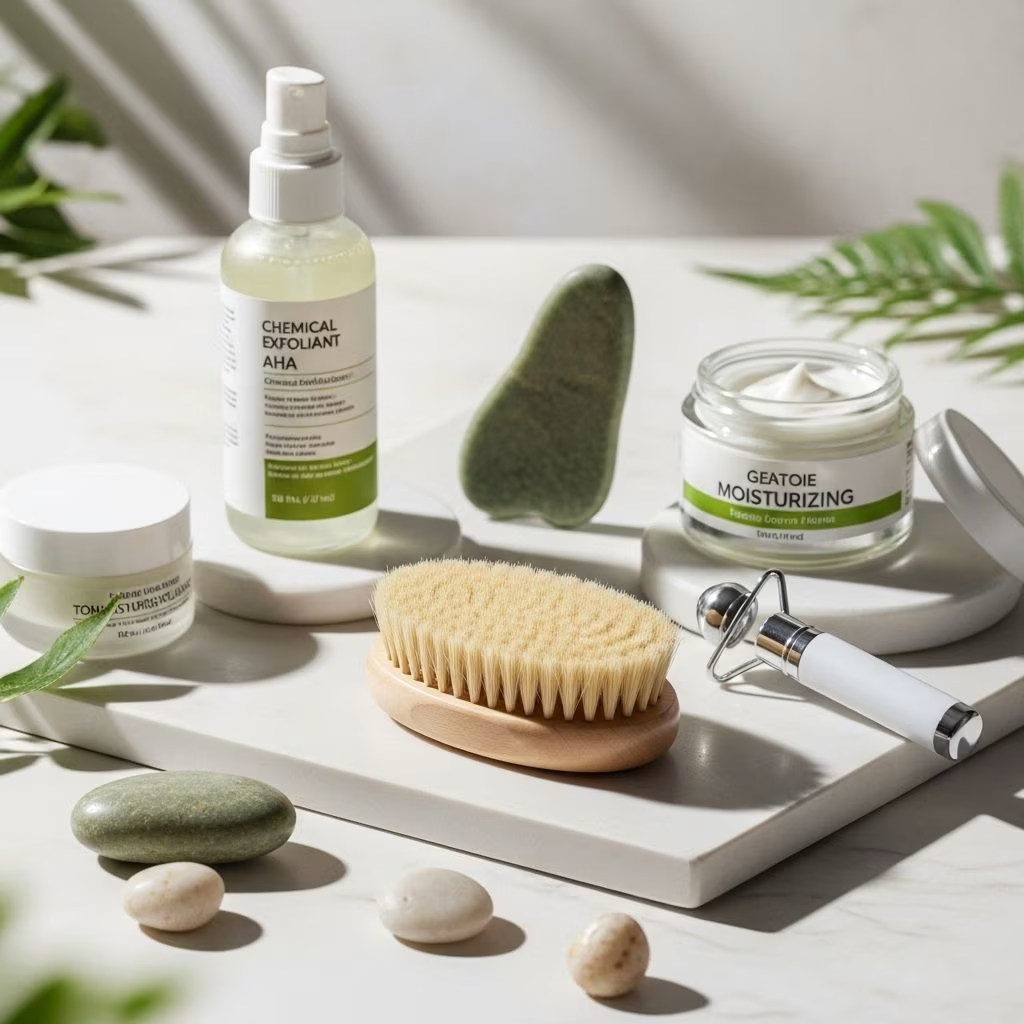
Keratosis Pilaris (KP), often referred to as “chicken skin,” affects millions worldwide, causing rough, bumpy patches on the skin—especially on arms, thighs, cheeks, and buttocks. While KP is harmless, it can be persistent and aesthetically concerning. Fortunately, a range of skincare tools and techniques can help manage its symptoms and improve skin’s appearance. This article thoroughly explores the best tools, strategies, and routines you can use to treat KP both at home and with professional guidance.
Understanding Keratosis Pilaris (KP)
Keratosis Pilaris is a common skin condition caused by the buildup of keratin—a protein that protects the skin from harmful substances and infection—which blocks the hair follicles and creates rough, small bumps. KP is often genetic and can also be associated with dry skin or atopic dermatitis.
- Appearance: Tiny, rough, sometimes red or brown bumps; often asymptomatic but may occasionally itch or feel dry.
- Common Areas: Upper arms, thighs, cheeks, buttocks.
- Course: Tends to improve with age but may persist for years if unmanaged.
Key Principles for Managing KP
- Gentle, Regular Exfoliation: Clears dead skin and keratin from follicles but must be done without irritating sensitive skin.
- Consistent Moisturizing: Essential for softening bumps and enhancing the skin barrier.
- Patience and Consistency: Most improvements are gradual—typically weeks to see a notable difference.
- Avoid Harsh Treatments: Scrubbing aggressively or using strong irritants can worsen KP.
Essential At-Home Skincare Tools
Successful management of KP often starts at home, using carefully-selected skincare tools. Below are the most effective options:
Gentle Exfoliation Tools
- Loofah or Gentle Washcloth: Used with light pressure during bathing to remove dead cells. Over-scrubbing is discouraged, as it can irritate the skin and worsen KP .
- Buff Puff/Soft Exfoliating Gloves: Ideal for mild, mechanical exfoliation, especially when used in moderation.
Chemical Exfoliators (Keratolytics)
- Alpha Hydroxy Acid (AHA) Products: Lotions or creams containing lactic acid or glycolic acid are recommended for breaking down built-up keratin .
- Beta Hydroxy Acid (BHA) Products: Salicylic acid is particularly useful for those with bumpy, acne-prone skin .
- Urea-Based Creams: Urea not only hydrates but also helps dissolve thickened skin efficiently .
- Ready-to-Use Chemical Exfoliant Pads or Body Scrubs: Some products are specifically designed for KP and combine these acids in easy-to-apply formats .
Additional Skincare Accessories
- Body Brushes (with Soft Bristles): Can provide mild exfoliation but should be used with caution and only once or twice weekly.
- In-Shower Moisturizing Applicators: Allow for immediate hydration after cleansing, locking in moisture effectively.
Chemical Exfoliation for KP
Chemical exfoliation remains a key pillar in any KP management strategy. Unlike physical scrubs, chemical exfoliants dissolve the bonds holding dead skin cells and excess keratin together, revealing smoother skin underneath without irritation.
| Exfoliant Type | Key Ingredient(s) | Benefits | Usage Recommendations |
|---|---|---|---|
| AHAs (Alpha Hydroxy Acids) | Lactic acid, Glycolic acid | Gently smooths skin, promotes cell turnover, hydrates | 2–3 times per week |
| BHAs (Beta Hydroxy Acids) | Salicylic acid | Deep pore cleaning, great for acne-prone skin | 2–3 times per week |
| Urea | Urea | Breaks down keratin, hydrates, softens bumps | Daily or as directed |
Pro Tips:
- Start slow—test new acids or lotions on a small patch first.
- Avoid applying exfoliants to broken or irritated skin.
- Use sunscreen: exfoliated skin is more sensitive to UV rays.
- Never combine multiple acids at high strengths; overuse can lead to burns or excessive dryness.
Moisturizing Strategies for KP
Moisturizing is a cornerstone for KP management. Since chemical exfoliants can cause some dryness or irritation, regular and intensive hydration helps soothe, heal, and protect the skin’s barrier. The following moisturizers are especially effective for KP:
- Urea-Based Creams (10–20%): Both exfoliate and moisturize, highly effective in smoothing rough patches .
- Lactic Acid Lotions: Mildly exfoliating and deeply hydrating.
- Ceramide Creams: Support the skin barrier health and seal in moisture .
- Shea Butter & Coconut Oil: Provide nourishing hydration and help with roughness .
For best results, apply moisturizer immediately after bathing to trap water in the skin and maximize hydration .
Advanced and Professional Skincare Tools
For more stubborn or persistent KP, or if at-home measures are not yielding desired results, there are advanced treatments and professional tools available, primarily offered through dermatology clinics.
Chemical Peels
- Glycolic Acid Peels: In-office peels are stronger than over-the-counter options and can significantly improve texture with minimal downtime .
- Lactic Acid Peels: Gentler peels with hydration benefits for sensitive skin.
- Salicylic Acid Peels: Especially suitable for bumpy or acne-prone KP areas.
Laser and Light-Based Therapies
- Pulsed Dye Laser (PDL): Targets redness and reduces inflammation associated with KP .
- Intense Pulsed Light (IPL): Effective for both redness and hyperpigmentation .
- Nd:YAG Lasers: Heat the water in the skin without damaging the outer layers, safe for various skin tones and types .
- Fractional Laser: Stimulates collagen production to improve texture in severe or lingering cases .
Laser therapies usually require multiple sessions and must be tailored to each individual by a dermatologist. Not every KP sufferer needs such advanced treatments; they are generally reserved for severe, bothersome, or treatment-resistant cases.
Prescription Medications
- Topical Retinoids (e.g., tretinoin, adapalene): Encourage faster skin cell turnover and help unclog hair follicles .
- Topical Steroids: Used short-term for reducing significant irritation or redness .
- Higher-Concentration Urea Creams: Offered for more intensive smoothing under professional supervision .
How to Build a Skincare Routine for KP
Creating a step-by-step, easy-to-follow routine is key for those managing keratosis pilaris. The following daily and weekly schedule covers the essentials:
Daily Routine
- Cleanse with a gentle, non-soap cleanser to avoid stripping the skin’s barrier.
- Apply a chemical exfoliant (if mild and well-tolerated) every other day, focusing on problem areas.
- Moisturize liberally after every shower or bath, while skin is damp.
- Always use sunscreen on exposed skin, as exfoliation increases sensitivity to sun.
Weekly Routine
- Use gentle physical exfoliation tools (e.g., loofah or washcloth) 1–2 times per week.
- Consider a professional-grade exfoliating mask (e.g., lactic or glycolic acid body peel) as recommended by your dermatologist.
- Review skin progress and adjust products for any irritation or drying.
What to Avoid
- Aggressive scrubbing devices or stiff-bristled brushes—these can worsen redness and roughness.
- Mixing multiple strong chemical exfoliants in one session.
- Ignoring persistent discomfort—consult a dermatologist if your skin remains inflamed, painful, or KP interferes with quality of life.
Frequently Asked Questions (FAQs)
Q: Can KP be cured permanently?
Keratosis pilaris is a chronic, genetic condition and cannot be permanently cured, but symptoms can be managed and substantially improved with consistent skincare routines and proper tools .
Q: Are physical exfoliating scrubs safe for KP?
Physical exfoliation should be gentle. Harsh scrubs or aggressive mechanical exfoliators can make KP worse. Mild options, like a soft washcloth, can be used sparingly .
Q: Which acids are best for treating KP?
Dermatologists generally recommend alpha hydroxy acids (like glycolic and lactic acid), salicylic acid, and urea for their combination of exfoliating and hydrating effects .
Q: How long does it take to see results from KP treatments?
Most people notice improvement within 4–6 weeks of consistent use, though individual results may vary depending on the severity of the condition and chosen products .
Q: When should I see a dermatologist for KP?
Seek professional guidance if at-home treatments fail, if your skin becomes excessively irritated, or if the bumps are spreading/worsening. A dermatologist can prescribe stronger medications or advanced therapies .
Conclusion
Although keratosis pilaris is a persistent and sometimes frustrating skin condition, effective management is possible with the right skincare tools and strategies. Gentle chemical and physical exfoliation, intensive moisturizing, and consistent use of the products suitable for your skin type—backed by the latest dermatological insights—can result in smoother, healthier-looking skin. For the most stubborn cases, professional interventions such as chemical peels or laser therapy may offer further improvement. Ultimately, patience and routine are your strongest allies in the journey to managing KP.
References
- https://dermatologyseattle.com/keratosis-pilaris-treatment-guide/
- https://www.cosmopolitan.com/style-beauty/beauty/g28724413/best-keratosis-pilaris-treatments/
- https://www.mayoclinic.org/diseases-conditions/keratosis-pilaris/diagnosis-treatment/drc-20351152
- https://slmdskincare.com/blogs/learn/how-to-treat-keratosis-pilaris-strawberry-skin
- https://www.aad.org/public/diseases/a-z/keratosis-pilaris-self-care
- https://bushbalm.com/collections/keratosis-pilaris/tools-and-accessories
- https://stackedskincare.com/blogs/blog/how-to-treat-keratosis-pilaris


