


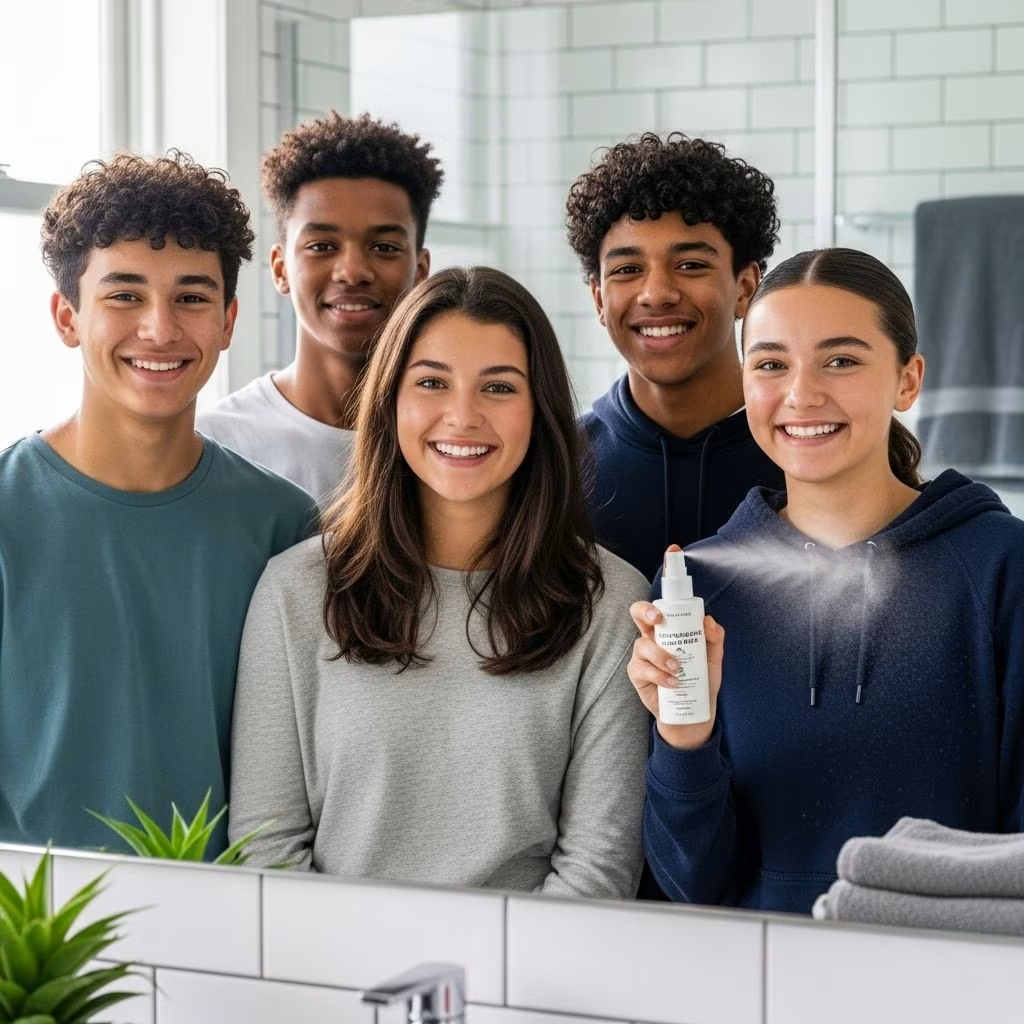
As teenagers navigate hormonal changes and new experiences, their skin often faces unique challenges—breakouts, redness, sensitivity, and irritation. Traditional treatments can be harsh and strip the skin’s protective barrier, leading to dryness and increased sensitivity. Enter hypochlorous acid spray: a gentle, science-backed solution that supports the skin’s natural defenses while effectively fighting acne and irritation. This article explores the benefits, safety, science, and practical use of hypochlorous acid spray for teens.
Understanding Hypochlorous Acid
What Is Hypochlorous Acid?
Hypochlorous acid (HOCl) is a molecule naturally produced by the human immune system to fight bacteria, reduce inflammation, and accelerate healing. For skincare, scientists have formulated stable HOCl sprays that deliver these same benefits directly to the skin, giving it a powerful antibacterial and soothing effect without harsh chemicals.
How Does Hypochlorous Acid Work?
- Antimicrobial Action: Kills 99.9% of bacteria, fungi, and viruses on the skin, helping prevent and treat acne or mild infections.
- Soothes Inflammation: Calms irritated or red skin by neutralizing inflammatory triggers, making it ideal for those prone to breakouts or sensitivity.
- Speeds Healing: Promotes the repair of minor cuts, scratches, and blemishes without disrupting healthy skin cells.
Because hypochlorous acid closely mimics a molecule found naturally in the body, it is exceptionally well tolerated—even by the most sensitive skin types.
Challenges of Teen Skincare
Hormonal Fluctuations and Oil Production
During adolescence, hormonal shifts increase oil (sebum) production. This excess oil, combined with environmental factors and sweat from school or sports, easily clogs pores and creates an environment for acne-causing bacteria to thrive.
Common Mistakes in Teen Skincare
- Over-cleansing and Over-exfoliating: Teens sometimes use harsh cleansers or exfoliants hoping to clear breakouts—often stripping away the skin’s protective barrier, causing dryness, irritation, and even worsening acne.
- Excessive Spot Treatments: Products with strong chemicals (like benzoyl peroxide or salicylic acid) may be overused, leading to redness, peeling, or sensitivity.
- Neglecting Simplicity: Complex routines can overwhelm young skin; gentle, simple solutions are often far more effective.
The ideal approach for teens prioritizes products that are gentle, non-disruptive, and easy to use.
Top Benefits of Hypochlorous Acid Spray for Teens
- Gentle Yet Highly Effective: Unlike many acne treatments, hypochlorous acid spray does not cause dryness, burning, or irritation. It is safe for everyday use on all skin types, including sensitive or inflamed skin.
- Supports the Skin’s Natural Healing Process: Accelerates recovery from acne, minor scrapes, or irritation—without introducing harsh chemicals or the risk of scarring.
- Reduces Bacteria Without Encouraging Resistance: Traditional antibiotics can lead to resistant bacteria, particularly with overuse. Hypochlorous acid works differently; it neutralizes pathogens without disrupting the skin’s healthy microbiome or fostering resistance.
- Easy to Incorporate: As a simple spritz, HOCl spray fits seamlessly into any skincare routine. There’s no need for complicated steps or additional products.
- Calms Redness and Soothes Acne-Prone Skin: Hypochlorous acid reduces visible redness from breakouts or irritation, supporting clearer, calmer skin without heavy concealers or cosmetics.
- Safe for Use Around the Eyes and Lips: HOCl spray is mild enough for even the most delicate areas and can also be used after waxing or other skin procedures.
- Perfect for “Maskne,” Sports, and Active Lifestyles: Teens wearing masks or playing sports benefit from a quick, bacteria-busting spritz post-activity, reducing risk of clogged pores or breakouts.
Summary Table: Hypochlorous Acid Spray Benefits for Teens
| Benefit | Description |
|---|---|
| Antimicrobial | Kills bacteria, fungi, and viruses—ideal for acne and preventing infection |
| Anti-inflammatory | Reduces redness, calms flare-ups, and soothes sensitive skin |
| Supports Fast Healing | Accelerates recovery from cuts, blemishes, or irritation |
| Safe and Non-toxic | Won’t irritate eyes or lips; safe for daily use |
| Easy Application | Simple spray—no complicated routines or rinsing |
How to Use Hypochlorous Acid Spray in a Teen’s Routine
Steps for Effective Application
- Cleanse the Skin: Use a gentle, non-stripping cleanser to remove dirt and oil.
- Spray Hypochlorous Acid: Mist directly onto the face, back, or any affected area from 6–8 inches away. Allow to air dry, or pat gently if preferred.
- Continue With Moisturizer: Follow with a lightweight, non-comedogenic moisturizer to lock in hydration.
- Repeat as Needed: Safe for use multiple times a day, especially after sweating, sports, or wearing a mask.
Best Practices for Teens
- Avoid using harsh exfoliants or alcohol-based products alongside HOCl spray; its gentle action works best on minimally disturbed skin.
- Can be used post-shaving, after sun exposure, or anytime the skin feels itchy or inflamed.
- Store in a cool, dark place to maintain potency.
Safety and Tolerability for Adolescent Skin
Is Hypochlorous Acid Safe for Teens?
Yes—because HOCl is pH-neutral, non-toxic, and mimics the body’s own immune defense mechanisms, it is among the safest options for adolescent skin. It does not contain harsh preservatives, synthetic fragrances, or known allergens. Hypochlorous acid is even used in medical and wound care settings due to its exceptional safety profile.
Side Effects and Precautions
- Rare, mild stinging may occur if applied to open cuts or extremely raw skin, but this usually resolves quickly.
- Teens should avoid using expired or contaminated sprays.
- Always patch-test any new product before widespread use.
How Does It Compare to Other Acne Treatments?
| Acne Treatment | Pros | Cons |
|---|---|---|
| Hypochlorous Acid Spray | Gentle, non-drying, fast healing, combats bacteria without resistance, safe for sensitive skin, easy to use | Requires regular use; less effective for severe cystic acne |
| Benzoyl Peroxide | Effective on acne-causing bacteria | Can be very drying, bleaching to fabric, irritating for sensitive skin |
| Salicylic Acid | Exfoliates pores, fights blackheads | Can cause peeling, redness, or irritation if overused |
| Topical Antibiotics | Targeted bacterial action | Risk of resistance, possible allergic reactions |
Tips for Maximizing Skincare Results with Hypochlorous Acid Spray
- Consistency is key: Use the spray daily after cleansing, or anytime skin feels stressed.
- Don’t overdo it with other actives—let the gentle properties of HOCl work for you.
- Pair with sunscreen for day use—healthy skin also needs sun protection.
- Keep a travel-size spray in your bag for school, gym, or after sports practices.
- If dealing with persistent or severe acne, consult a dermatologist for comprehensive treatment advice.
Frequently Asked Questions (FAQs)
What exactly is hypochlorous acid, and where does it come from?
Hypochlorous acid (HOCl) is a molecule produced by white blood cells in the human body as a natural part of our immune response. Skincare sprays use a stabilized version of this compound to deliver similar benefits externally.
Does hypochlorous acid get rid of acne completely?
HOCl is highly effective against the bacteria and inflammation that trigger acne, especially mild to moderate cases. However, severe or cystic acne may require additional medical treatments.
Can hypochlorous acid spray cause skin sensitivity or allergies?
Because it’s a molecule the body already creates, sensitivity and allergies are extremely rare. Most teens tolerate it very well—even those with reactive or sensitive skin.
Is hypochlorous acid safe near the eyes and lips?
Yes. HOCl is so gentle it’s used in ophthalmic (eye) and oral care—making it safe for use around the eyes and lips.
How often can teens use hypochlorous acid spray?
It’s safe for use multiple times a day—after washing, post-sports, or whenever skin feels stressed.
Will HOCl spray dry out my skin?
No. It is pH-balanced and doesn’t contain drying alcohols or harsh ingredients that strip moisture.
Conclusion
Hypochlorous acid spray offers a science-backed answer to teen skincare dilemmas—combining safety, effectiveness, and convenience. Its unique ability to fight bacteria, calm inflammation, and accelerate healing makes it an ideal addition to any teen’s daily routine. For adolescents seeking clearer, healthier skin without the harshness of traditional acne treatments, HOCl spray is a gentle revolution in skincare.
References
- https://e11ement.com/blogs/news/why-hypochlorous-acid-spray-belongs-in-your-teen-skincare-kit
- https://mdsearchlight.com/health/hypochlorous-acid-spray-skin-benefits/
- https://clearstem.com/blogs/skin-care-learning-center/hypochlorous-acid-spray-skin-benefits
- https://www.webmd.com/beauty/hypochlorous-acid-spray
- https://e11ement.com/blogs/news/why-hypochlorous-acid-spray-is-a-must-in-every-teen-girl-s-routine
- https://denveryouthvision.com/hypochlorous-acid-spray-soothe-and-protect-your-eyes/
- https://www.monadermatology.com/benefits-of-hypochlorous-acid/
- https://health.clevelandclinic.org/hypochlorous-acid-skin-care


