


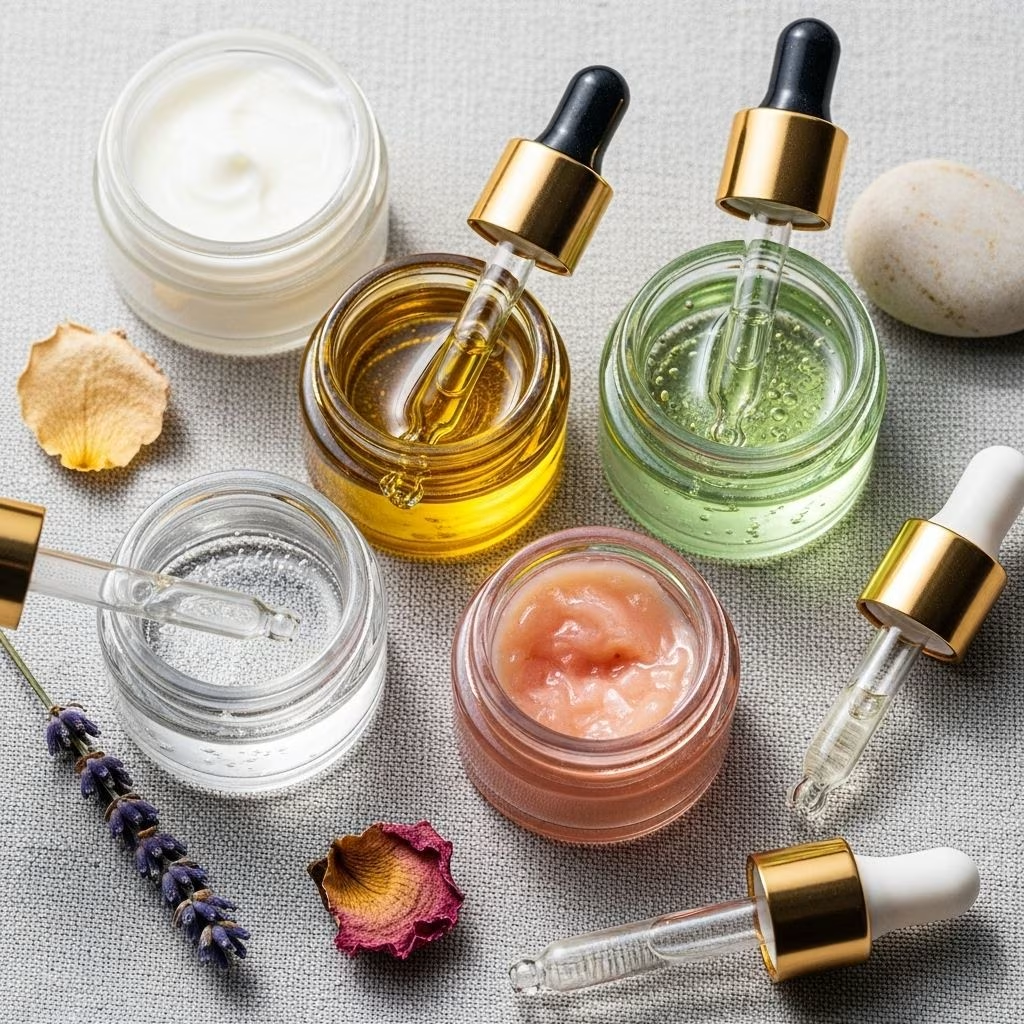
Introduction to Spot Treatments for Dry Skin
Spot treatments are a crucial part of any skincare routine, especially for those with dry skin who struggle with acne. These targeted treatments deliver concentrated doses of active ingredients directly to the affected area, helping to reduce blemishes and promote clearer skin. However, individuals with dry skin must be cautious as common spot treatments can exacerbate dryness and irritation. This article delves into the world of spot treatments specifically designed for dry skin, highlighting their benefits, ingredients, and application techniques.
Understanding Dry Skin and Acne
Dry skin, also known as xerosis, is characterized by a lack of moisture in the skin, which can lead to irritation, redness, and flakiness. When combined with acne, the challenge is twofold: treating the acne while maintaining or improving skin hydration. Acne on dry skin can be particularly problematic as typical acne treatments often dry out the skin, potentially worsening the condition.
Key Ingredients in Spot Treatments for Dry Skin
When selecting spot treatments for dry skin, it’s essential to focus on ingredients that not only combat acne but also ensure skin hydration and minimize irritation. Here are some key ingredients to look for:
- Hyaluronic Acid: Hydrates the skin while addressing acne, making it ideal for dry skin types.
- Glycerin: Helps retain moisture in the skin, ensuring that while treating acne, the skin remains hydrated.
- Niacinamide: Known for its ability to reduce inflammation and strengthen the skin barrier, making it suitable for sensitive skin.
- Salicylic Acid and Glycolic Acid (in lower concentrations): These exfoliants help unclog pores but should be used cautiously in dry skin to avoid excessive dryness.
- Tea Tree Oil: Its antimicrobial properties help control acne without causing excessive dryness.
Choosing the Right Spot Treatment
For effective treatment without exacerbating dryness, consider the following tips when choosing a spot treatment:
- Look for products labeled as non-comedogenic or oil-free to avoid clogging pores further.
- Opt for gentle, hydrating formulas that contain moisturizing ingredients like hyaluronic acid and glycerin.
- Avoid products with high alcohol content as they can irritate and dry out the skin.
Popular Spot Treatments for Dry Skin
Several spot treatments are designed to be gentle and effective for dry skin. Here are a few popular options:
### La Roche-Posay Effaclar Duo Acne Spot Treatment- Pros: Contains 5.5% benzoyl peroxide and lipo-hydroxy acid, effective at unclogging pores. It is non-comedogenic and relatively fast-acting.- Cons: Can be drying and expensive, may stain clothing due to benzoyl peroxide.### Sunday Riley Saturn Spot Treatment Mask- Pros: Features sulfur and niacinamide, reducing bacteria and inflammation. Suitable for sensitive skin and effective for both acne and rosacea.- Cons: Premium pricing and sulfur can have a strong smell.
How to Use Spot Treatments Effectively
To maximize the effectiveness of spot treatments for dry skin while minimizing irritation, follow these steps:
- Wait for the Blemish to Emerge: Applying a drying spot treatment too early can prevent the infection from coming out, leading to longer healing times and potential scarring.
- Use Non-Drying Treatments Initially: Start with hydrating spot treatments to facilitate healing without drying out the skin.
- Apply Spot Treatments Last: Use them as the final step in your skincare routine to ensure they work directly on the blemish without interference.
- Moisturize Regularly: Apply a moisturizer after using a spot treatment to balance hydration and prevent dryness.
Conclusion
Spot treatments for dry skin offer targeted solutions to manage acne while maintaining skin hydration. By understanding the key ingredients, choosing the right product, and applying it correctly, individuals with dry skin can effectively treat blemishes without exacerbating their condition. Always prioritize hydration alongside acne treatment to ensure healthy, balanced skin.
Frequently Asked Questions (FAQs)
Q: How often should I use spot treatments for dry skin?
Spot treatments can typically be used once or twice a day. It’s important to start with lower frequency and strength to avoid irritation.
Q: Can I use spot treatments on sensitive skin?
Yes, but choose spot treatments labeled as gentle or non-comedogenic. Look for ingredients like niacinamide and avoid those with high alcohol content.
Q: How do I prevent dryness while using acne spot treatments?
Use moisturizing products alongside your spot treatments. Apply a moisturizer after using a spot treatment to maintain hydration and prevent dryness.
References
- https://brickellmensproducts.com/blogs/grooming-manual/what-is-spot-treatment
- https://miiskin.com/acne/acne-spot-treatment/
- https://blog.reneerouleau.com/how-to-use-a-spot-treatment/
- https://www.cerave.com/skin-smarts/skin-concerns/acne/dry-skin-acne-causes-treatment
- https://www.mayoclinic.org/diseases-conditions/acne/in-depth/acne-treatments/art-20045814
- https://www.theinkeylist.com/blogs/news/dry-skin-and-acne-what-you-need-to-know
- https://pmc.ncbi.nlm.nih.gov/articles/PMC11266290/
- https://www.phiclinic.com/best-spot-treatment
- https://www.healthline.com/health/ways-to-help-treat-acne-when-you-also-have-dry-skin
- https://www.ama-assn.org/public-health/prevention-wellness/what-doctors-wish-patients-knew-about-acne-treatment


